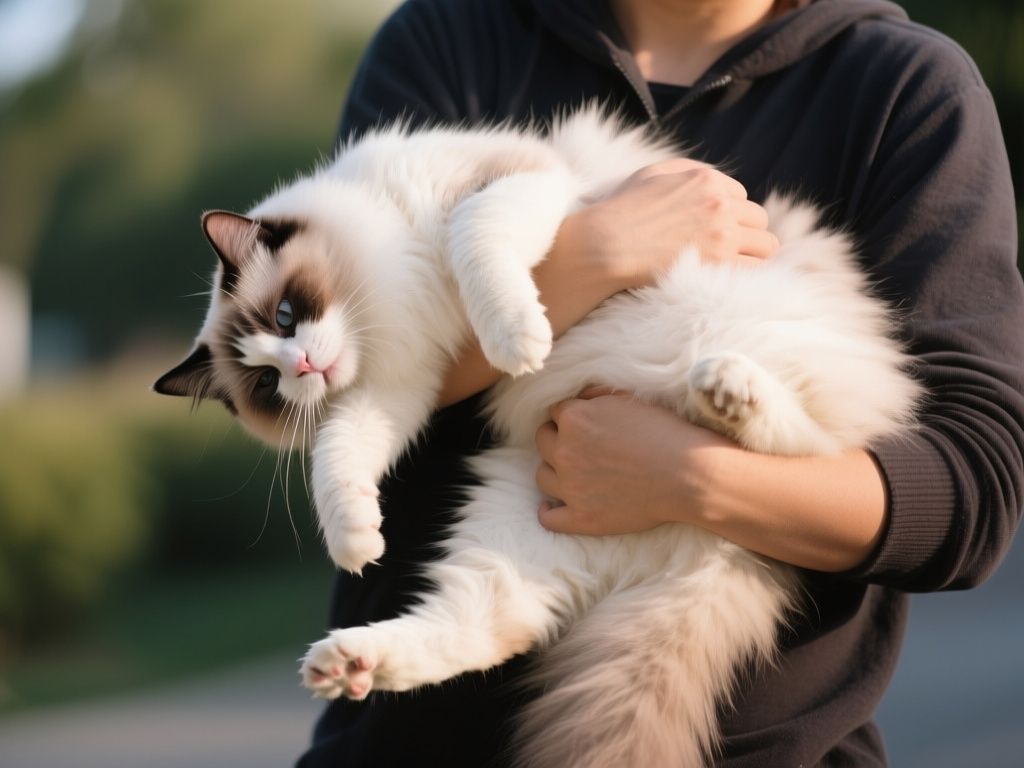
Ragdoll cats often go limp when held because they relax their muscles and shift to “loose, floppy” body tension—something breeders select for and owners notice right away. This usually isn’t pain or fainting; it’s a comfort-and-trust response that looks dramatic because their coat-and-body type makes them seem extra soft.
Why do ragdoll cats go limp when held?
Ragdoll cats are known for a “floppy” or “go limp” response when you pick them up and hold them. The simplest explanation is behavior plus biology: many ragdolls have a calmer temperament, and they also tend to relax their muscles more than some other cat breeds. When a cat feels safe, it can let go of normal defensive tension—shoulders drop, legs loosen, and the whole body becomes less “springy.”
Owners often describe it like the cat is going limp on purpose, and—my opinion here—it can feel like a kind of affectionate performance. But it’s not a trick the way a dog might play dead. It’s a relaxation response that’s easiest to see in breeds that are already predisposed to being gentle.
Is it normal, or is my cat in pain?
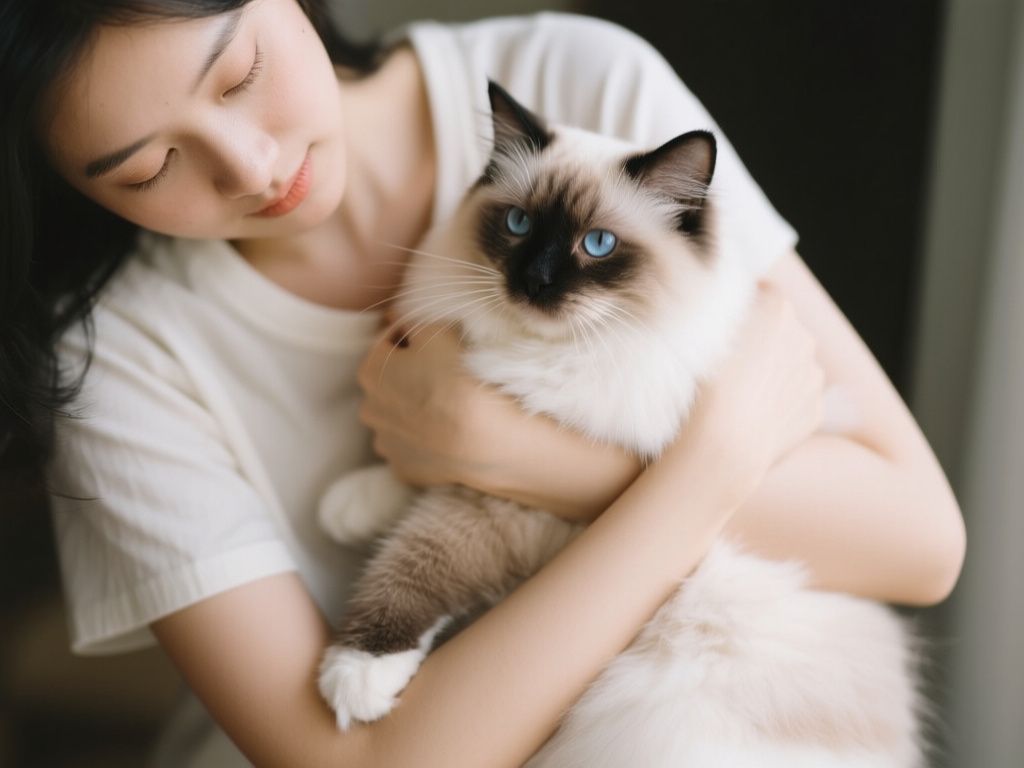
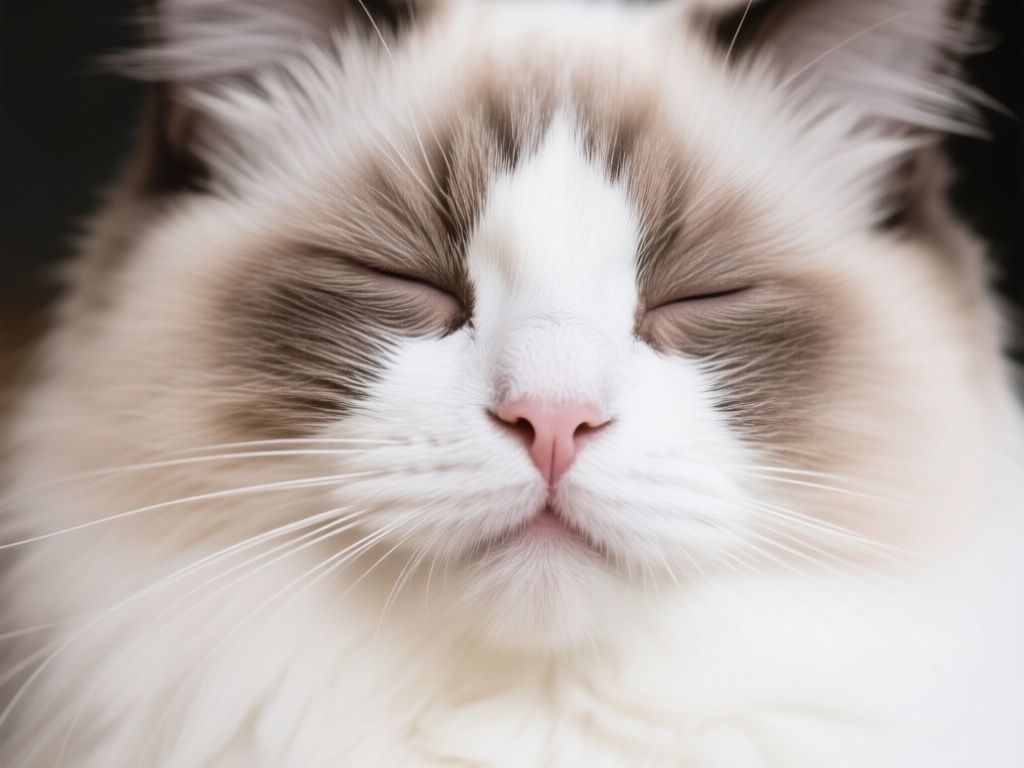
In most cases, going limp is normal for a ragdoll and is usually paired with signs of comfort. Look for a relaxed face (not a tight, grim expression), soft body posture, slow blinking, and normal breathing. Many ragdolls also knead, purr, or settle into your arms instead of struggling.
That said, “limp” can be a confusing word, and sometimes people see something that isn’t the classic ragdoll flop. A cat might appear weak or collapse if it’s unwell. A few red flags mean you should stop and assess:
- The cat goes limp suddenly and doesn’t seem responsive to you afterward.
- Breathing looks difficult (open-mouth breathing, obvious gasping, or very fast shallow breathing).
- Gums look pale or bluish, or there’s drooling and distress.
- There’s pain behavior: hiding, yowling, flinching when you touch a specific area.
- The body feels unusually cold, or the cat collapses and won’t recover within a short time.
If any of those show up, treat it as a health concern rather than “cute flop.” If you’re unsure, calling a veterinarian (or a pet emergency line if symptoms are severe) is the right move. When it’s the typical ragdoll response, your cat usually bounces back quickly and looks comfortable while being held.
How does the “ragdoll flop” work in the body?
It helps to understand what “limp” means physiologically. Cats normally hold muscle tone to stay ready to move, especially around their paws and spine. When a cat relaxes because it feels safe, those muscles stop bracing. The result is a looser posture: legs may dangle, the spine becomes less rigid, and the head can tip without resistance.
Ragdolls often show this more than other cats because of their overall temperament. Many owners notice they tolerate being held, their bodies soften in an almost “surrender” way, and they seem to accept handling without the typical feline stiffness. In plain terms: they trust you enough to stop acting like they need to escape.
Does going limp mean the cat is “faking” or totally unaware?
No—most ragdolls aren’t unconscious or “out of it.” They may be relaxed but still alert enough to respond to voices, movement, and gentle handling. Afterward, they often reposition themselves or settle in. If your cat is limp but still purring, blinking calmly, and making small adjustments, it’s usually relaxation rather than a medical issue.
What role does temperament and breeding play?
Ragdolls were developed with a focus on a relaxed, affectionate temperament. Breeders selected for cats that tend to be calm with people and comfortable in household routines. Over time, that temperament showed up as the hallmark “floppy” look when picked up.
It’s also why you’ll sometimes hear the phrase “gentle breed” attached to ragdolls. But temperaments aren’t robots. Individual cats vary. Some ragdolls flop dramatically; others are calmer but not totally limp. Genetics set the stage, but early experiences shape how much a particular cat trusts handling.
Is it like being scared (fight-or-flight)?
Usually, no. Fear can also cause strange body behavior—freezing, trembling, or collapsing. The difference is in the overall context and body language. Fearful cats often show stress: wide eyes, tense muscles, tail thrashing, flattened ears, growling, hiding, or attempts to escape.
In contrast, a comfort-based flop usually includes:
- Soft facial expression and relaxed whiskers
- Loose limbs and no frantic struggling
- Slow blinking and calm breathing
- Occasional purring or kneading
If your ragdoll only goes limp when you grab them quickly, or if they resist every other kind of touch, you should suspect the “limp” might be a stress response rather than pure relaxation.
How can you tell comfort from “please put me down”?
The easiest way is to observe what happens before and after you lift them. If they approach you, let you pet their head or chest, and then go limp when held, that’s likely the classic trait. If they are hiding, swatting, or looking “locked up,” and then collapse or go limp while you hold them, that’s more concerning.
Also watch what the cat does with their paws. Comfort cats often drape their front legs rather than trying to push away. They may even stay in your arms. If they keep trying to twist out, grab your shirt, or slap at you as soon as you lift them, they may be tolerating rather than enjoying the hold.
One practical tip: always support the body. A lot of the “flop” look is dramatic when a cat is fully supported and feels its weight is safe. Holding a cat improperly can make any cat tense, regardless of breed.
Best ways to hold a ragdoll (without making it weird)
Even though ragdolls can be held easily, good handling still matters. A cat’s comfort depends on predictability, gentle support, and timing. Here’s a beginner-friendly approach that reduces stress and helps you see the true relaxation response.
- Start low and slow: let the cat choose to come closer first. If they’re already wary, don’t force the pickup.
- Support the chest and hindquarters: slide one hand under the chest and another under the back end. This prevents them from feeling like they’re “dropping.”
- Hold them close to your body: body warmth and stable contact help the cat feel secure.
- Watch their signals: if they stiffen, flatten ears, or try to wriggle away, lower them gradually.
- Keep sessions short: even a calm cat can get overstimulated. Aim for quick cuddles, then reward with freedom.
If you do this consistently, most ragdolls learn that “being picked up” doesn’t equal discomfort. That learning can make the limp response more frequent and more clearly relaxed.
Does age, sex, or personality change the flop?
Yes, in small but noticeable ways. Kittens often aren’t as coordinated and may still look “loose” simply because they’re young and trusting. Adult cats can be more deliberate: some flop hard, others prefer to sit on your lap rather than go fully limp.
Sex and exact personality matter less than individual temperament. A shy ragdoll might flop less at first, while a bold one might flop immediately. The environment also matters—loud rooms, other pets, and recent changes can all affect how relaxed your cat feels when held.
What if my ragdoll doesn’t go limp?
That can still be normal. The ragdoll trait isn’t guaranteed to look identical in every cat. Some will be affectionate and calm without going completely floppy. If your cat is still gentle, purrs, blinks slowly, and isn’t showing pain or distress, you likely have a perfectly healthy ragdoll with a more “controlled relaxed” style.
However, if your cat used to flop and then suddenly stopped, pay attention to possible causes like pain, arthritis, stress, or illness. Cats hide discomfort well, so behavior changes are worth noticing.
Is there any medical reason cats go limp?
Yes—cats can go limp for reasons unrelated to breed traits. Fainting, severe weakness, neurological problems, overheating, toxin exposure, or internal pain can lead to collapse or unusual low muscle tone. That’s why the “signs of comfort” checklist matters.
If the flop is consistent every time your ragdoll is held gently and the cat looks relaxed and recovers normally, it’s usually a trait-driven behavior. If you ever see confusion, labored breathing, persistent collapse, or repeated episodes, it’s worth a veterinarian exam rather than assuming it’s always normal.
Frequently Asked Questions
Do all ragdolls go limp when held?
No. Many ragdolls show a floppy response, but intensity varies by individual personality and comfort level. Some are affectionate but prefer “lap cuddle” instead of full limp draping.
Is my ragdoll going limp a sign of love?
Often, yes. A relaxed, supported, and cooperative ragdoll posture usually means your cat feels safe with you. Purring, slow blinking, and kneading are strong “this is nice” signs.
Can I hurt my ragdoll if I hold them wrong?
You can make any cat tense if you don’t support their body properly, and you can cause discomfort if you lift abruptly. For ragdolls, supporting both the chest and hindquarters is the safest default.
What should I do if my cat goes limp but seems scared?
Set them down gently and stop handling for the moment. Watch for fear signs like ears pinned back, wide eyes, hiding, or frantic struggling next time, and consider working up gradually with treats and short, calm sessions.
How do I know it’s not a medical emergency?
Classic ragdoll flop is consistent, happens during gentle holding, and the cat quickly returns to normal afterward. Sudden collapse, labored breathing, or pain behaviors are not “normal flop” and should prompt veterinary advice.
Why does it look so dramatic compared to other cats?
Ragdolls are predisposed to relaxation, and when you support them fully, their reduced muscle tension makes their body look extra loose. Their size and fur can also make the “draping” effect more visible.
If you want one practical takeaway: treat the floppy moment as a comfort cue, but always confirm with body language—relaxation should look calm, not distressed—and support your ragdoll so they can safely be as relaxed as they naturally want to be.

Mim Creation
Writer at Helmet Today, covering helmet reviews, fit and riding safety.