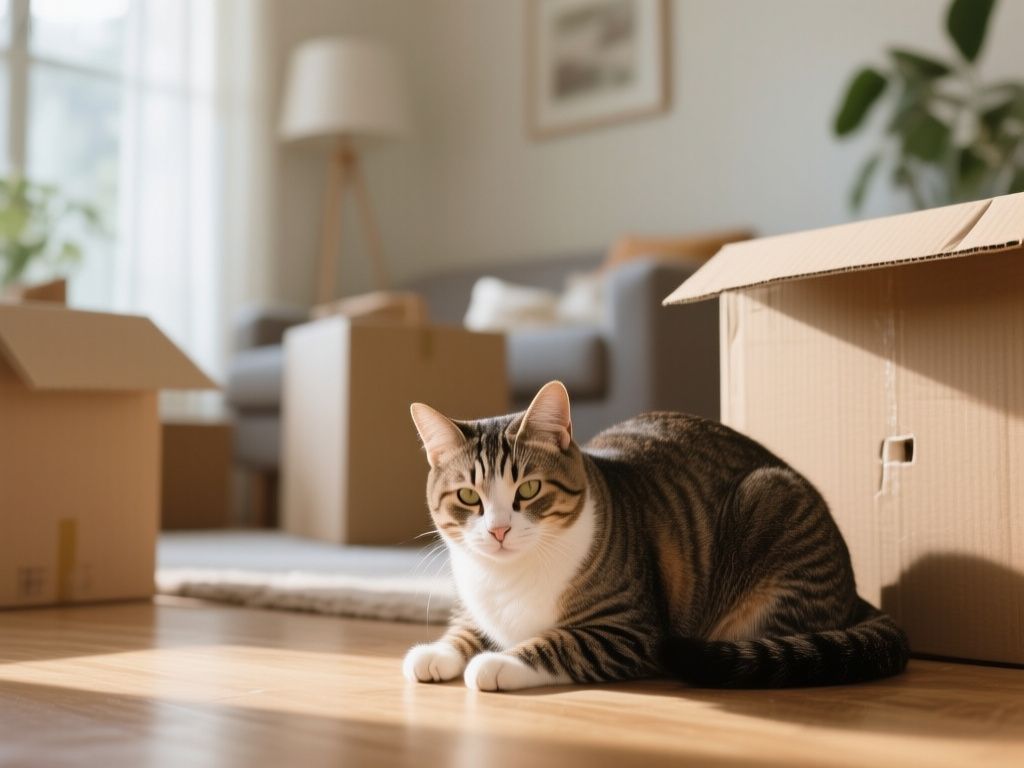
If your cat is adjusting poorly to a new home, you’ll usually notice changes that last more than a few days: hiding that doesn’t ease up, aggressive or fearful behavior, loss of appetite, litter box problems, excessive vocalizing, or ongoing stress grooming. Early intervention—often by slowing introductions and improving comfort—can prevent things from spiraling.
How long should a cat take to adjust to a new home?
Most cats show some stress when they move. A common pattern is: they’re cautious in the first 1–3 days, then gradually explore a little more as they learn the room layout and trust the routine. Many settle within about 1–2 weeks, especially if the move is planned and their “safe room” setup is good. That said, some cats (young kittens, older cats, territorial cats, and cats with past trauma) can take longer—often several weeks.
The key point is not whether they’re “acting normal” immediately. The key is whether their stress is trending downward over time. If your cat’s behavior is getting worse, staying intense, or causing practical issues like refusing food or repeatedly missing the litter box, that’s a sign the adjustment isn’t going well.
What are the most common signs a cat is adjusting poorly?
Start by watching for a combination of behavioral and physical clues. Cats are good at masking illness and stress, so a single odd behavior might be temporary. But when multiple signs cluster—or when they persist beyond the early settling period—it’s worth treating it like a real problem, not “normal move jitters.”
1) Stress that doesn’t improve (or worsens) after the first week
Many cats gradually relax as they learn the home’s routines. Poor adjustment often looks like the opposite: they stay stuck in “high alert,” avoid nearly every area, or become more withdrawn day by day. If there’s no noticeable softening—no increased appetite, no use of more rooms, no willingness to approach—you may need to change the environment or consult a professional.
2) Hiding that turns into avoidance
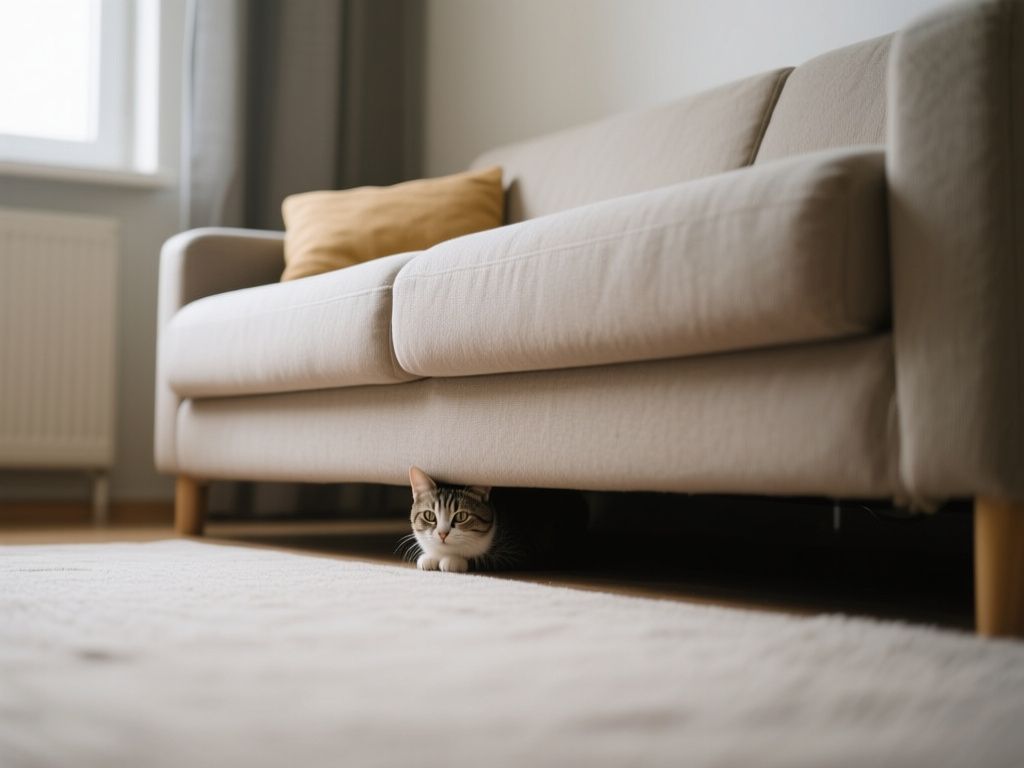
Hiding can be normal during the first days. The concern is hiding so intense that your cat rarely comes out to eat, drink, or use the litter box. Another red flag is if they never return to a favorite resting spot once you find it, or if they hide in increasingly inaccessible places (behind appliances, inside vents, or in unreachable corners) for many hours.
3) Loss of appetite or nausea-like behavior
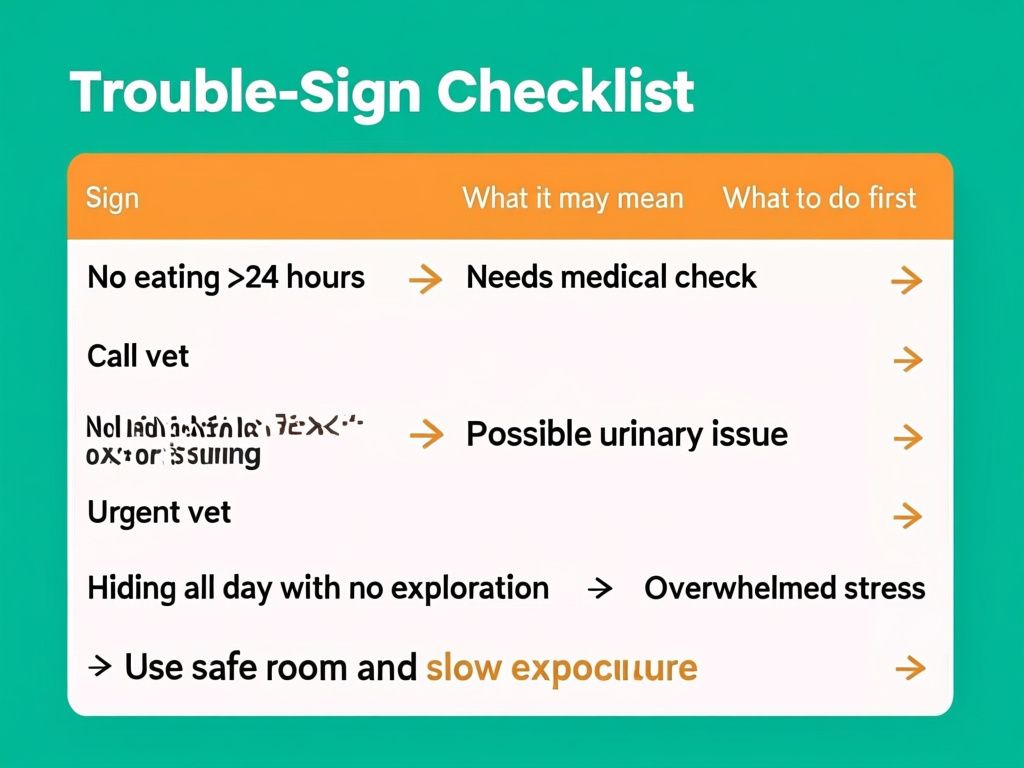
A reduced appetite can happen during a move, but it should not drag on. If your cat is skipping meals for more than 24 hours, it’s a warning sign. Cats that stop eating can quickly become prone to serious health problems; stress alone can contribute, but you don’t want to gamble if food refusal persists.
Look for related cues too: smacking their lips, crouching near the bowl but not eating, vomiting, or showing clear discomfort when you place food. Any vomiting, diarrhea, or repeated refusal warrants a veterinary check.
4) Litter box problems
One of the clearest “something’s wrong” signals is litter box behavior. Poor adjustment may cause:
- Using the litter box less often than usual
- Urinating outside the box
- Straining or going in-and-out repeatedly without producing
- Choosing the same “escape” spots (like behind the washer or bathtub)
Sometimes cats miss because the box placement isn’t ideal or the substrate (litter type) feels unfamiliar. But sometimes stress triggers urinary issues. If your cat is straining, crying in the litter box, or producing little/no urine, treat it as urgent and contact a veterinarian immediately.
5) Excessive hiding or “clinginess” that doesn’t match the cat’s personality
Some cats become attached to their “people” and follow you from room to room. Others want distance. Trouble is when behavior flips to extremes. A previously confident cat suddenly becomes fearful in every corner, or a normally independent cat starts panicking when you move. Watch for signs like tense body posture, tail tucked low, ears flattened, and refusing contact.
6) Fearful or aggressive behavior toward you or other pets
A stressed cat may hiss, growl, swat, or bite. It can also look “frozen,” with a low, crouched body and wide eyes. If new fear-based reactions keep increasing—especially around routine activities like feeding or handling—that’s not just shyness. It’s a signal that their nervous system is overwhelmed.
7) Over-grooming, fur loss, or new skin issues
Stress can show up as excessive grooming. You might see bald patches, scabs, or irritated skin that wasn’t there before. If grooming is constant (not just occasional preening), or if you notice changes around the face, belly, or legs, consider stress as a likely contributor while also ruling out medical causes like fleas, allergies, or skin infection.
8) Vocalizing that doesn’t calm down
Some cats meow a little more as they adjust, especially in the early days. But persistent yowling—especially at night, nonstop calling from a hiding spot, or frantic pacing—can be a sign of sustained fear or confusion. Vocalization plus poor appetite and hiding is a stronger “adjusting poorly” indicator.
9) Pacing and restlessness
High restlessness can show up as repeated checking of doors, windows, or the same route through the house. It may look like they’re “searching” for a familiar safe place. Occasional pacing can be normal; constant pacing that doesn’t ease up suggests ongoing stress.
10) Sleep pattern changes plus “alert” body language
Even if a cat sleeps, stress can keep them in a vigilant mode: quick startle responses, rapid tail flicking, constant scanning, and a tense posture when you enter the room. Cats don’t always sleep deeply when they’re uncertain of a new environment.

How can you tell stress from a medical problem?
This is the part people often miss: some signs of “bad adjustment” overlap with illness. Your cat might be in discomfort from pain, dental issues, bladder problems, an upset stomach, or respiratory problems—and stress can worsen the situation.
A practical rule: if the behavior change includes obvious physical symptoms, it’s safer to treat it as medical until proven otherwise. Examples include vomiting, diarrhea, visible swelling, limping, repeated straining to urinate, labored breathing, or a clearly abnormal body temperature/weakness.
Also, consider how your cat eats and drinks. If they’re not eating, not drinking, or drinking far less than usual, contact a veterinarian rather than waiting it out. In general, a cat that’s acting stressed but otherwise “normal enough” (some appetite, litter box use, gradual exploration) is more likely dealing with adjustment issues. A cat that’s physically unwell needs medical attention right away.
What should you do if your cat is adjusting poorly?
Your goal is to reduce uncertainty and help your cat regain control of their environment. Most improvements come from environmental management, not forcing socialization.
Step 1: Set up a “safe room” and keep it consistent
A safe room is a small, quiet area where your cat can rest without being chased or overwhelmed. Ideally include: a litter box, fresh water, food (and/or frequent small meals), a cozy bed or blanket, and at least one hiding place. Keep the door closed for the first period so your cat can build confidence without constant exposure.
Step 2: Control first contact and move slowly
When you start letting your cat explore, do it gradually. Start with one new area at a time. Avoid having multiple people or loud activities in the home while your cat is out. If you have other pets, introductions should be staged (often through scent exchange first, then visual barriers, then supervised time). Skipping steps is a common reason “adjustment” never seems to get better.
Step 3: Make feeding predictable
Feed at the same times, and keep food bowls where your cat feels safe. If your cat is hiding, you can place food inside the safe room near the hiding spot. Offer small portions more frequently if needed. Don’t abruptly change food brand or litter type during the adjustment window if you can avoid it.
Step 4: Fix litter box basics immediately
Even a confident cat may struggle if the litter box is awkwardly placed. In general, make sure you have:
- At least one litter box per cat (and a common best practice is one extra box)
- Easy access (not behind furniture they can’t reach safely)
- Privacy without total isolation (some cats dislike being trapped)
- The right litter texture for your cat (if you know the previous brand, use it at least initially)
If your cat is peeing outside the box, keep the cat’s access to those “target areas” limited while you address the litter setup. Do not punish—punishment increases fear and can worsen elimination issues.
Step 5: Reduce triggers
Triggers are often invisible to humans. Common ones include vacuuming, kids or guests moving quickly through the home, strong cleaning smells, and outdoor sounds. During adjustment, keep routines steady and limit surprises. If your cat startles at one specific activity, pause it until their confidence improves.
Step 6: Offer enrichment without pressure
Enrichment helps cats explore safely. Try interactive play sessions (short bursts) in the safe room, using a wand toy placed so your cat can choose to engage. Provide scratching surfaces near where your cat likes to rest. Puzzle feeders can help if your cat is eating but seems unsettled.
Keep it voluntary. If your cat retreats as soon as you approach, reduce your involvement and let them observe from a comfortable distance.
Step 7: Consider veterinary and behavior help when it’s not improving
If your cat’s adjustment remains poor after about 1–2 weeks, or sooner if there are urgent signs (like no eating, straining to urinate, or repeated vomiting), contact a veterinarian. Ask about stress-related issues but also ask them to rule out medical causes.
If medical causes are ruled out and anxiety seems likely, a veterinary behaviorist or experienced trainer who uses humane, evidence-based methods can help you create a tailored plan. In many cases, the “plan” is just better pacing and better environmental fit.
How long is “too long” to wait?
It depends on the specific sign, but you can use simple thresholds. If appetite is dropping sharply or food refusal lasts longer than 24 hours, don’t wait. If there’s straining, blood, repeated vomiting, or signs of breathing trouble, treat it as urgent.
If your cat is eating, drinking, and using the litter box but remains very fearful, you can usually try improved management (safe room, slow introductions, predictable routines) for up to 1–2 weeks. After that, lack of improvement suggests you should seek professional help, because the “right adjustments” might not be happening yet.
Can you prevent poor adjustment in the first place?
Yes—planning matters. The biggest prevention lever is pacing. Bring your cat to a prepared safe room first, rather than letting them roam the entire home immediately. Keep the home quieter than you think you need to. Use familiar items (a favorite blanket, the carrier scent if it’s safe, and ideally the same food) so your cat has a reference point.
Also, plan for “boring stability.” Cats adjust faster when meals, quiet time, and human activity are consistent. If you know you’ll have visitors or loud renovations soon after the move, delay those experiences until your cat is at least partially settled.
Frequently Asked Questions
My cat hides all day. Is that always a bad sign?
Hiding can be normal early on, especially in the first few days. It becomes concerning if your cat rarely eats, drinks, or uses the litter box, or if hiding escalates after a week. If you can’t confirm those basics are happening, treat it as a “not adjusting well” sign and contact a veterinarian if it doesn’t improve quickly.
Why is my cat peeing outside the litter box after the move?
Moves can change scent patterns, box placement, litter texture, and access routes. Stress can also trigger urinary issues, especially if your cat is straining or producing little urine. Start by checking box location, privacy, and litter type, but don’t ignore medical red flags—straining or repeated failed attempts is an urgent vet matter.
Should I force my cat to explore the new home?
No. Forced exposure often increases fear and can make the adjustment take longer. Instead, let your cat choose. Use a safe room, open access gradually, and keep interactions calm and predictable.
My cat stopped eating for a day. What should I do?
A full day without eating is a reason to call a veterinarian, particularly because cats can become ill when they don’t eat. You can try offering a small amount of food in the safe room, warming it slightly, and using the same food brand your cat is used to—but if appetite doesn’t return quickly, get medical advice.
Is stress grooming normal after a move?
Some extra grooming can happen during transitions, but heavy or nonstop grooming with bald patches or irritated skin isn’t something to ignore. Stress, fleas, allergies, and skin infections can overlap, so a veterinary exam is a good idea if it persists.
When should I consider a behavior professional?
If your cat’s stress signs last beyond about 1–2 weeks despite good management (safe room, slow introductions, routine, correct litter setup), it’s time for expert help. A qualified professional can identify whether the issue is anxiety, environmental mismatch, or something medical and guide you with a concrete plan.
If you want the most practical takeaway: track your cat’s eating, litter box use, and daily trend over time—those three details tell you faster than any single behavior whether your cat is merely settling or truly struggling.

Mim Creation
Writer at Helmet Today, covering helmet reviews, fit and riding safety.