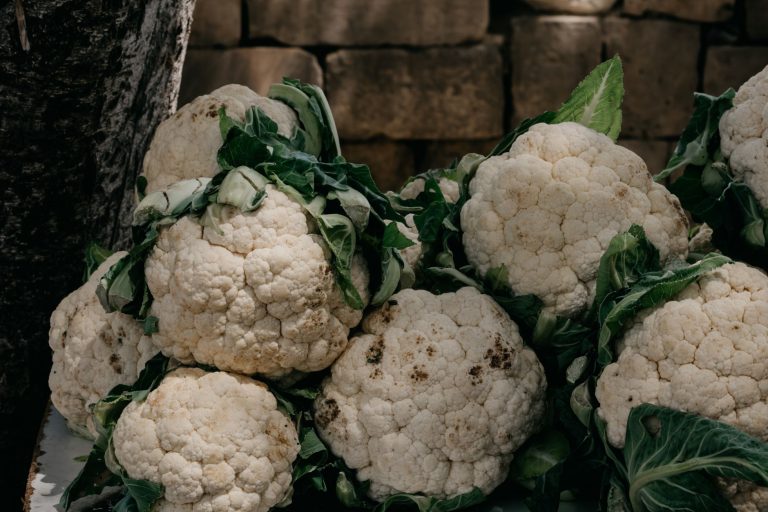
Dogs can eat several common vegetables, including carrots, green beans, cucumbers, peas, pumpkin, sweet potatoes, and broccoli. Serve vegetables plain, washed, and cut into small pieces. They should remain a small part of a balanced diet, not replace complete dog food. Avoid onions, garlic, chives, wild mushrooms, and heavily seasoned or salty vegetables.
Which vegetables are safe for dogs?
Many vegetables are safe for dogs when prepared simply and offered in sensible portions. Fresh, frozen, or cooked produce can work, although cooking may make some vegetables easier to chew and digest.
| Vegetable | How to serve it | Useful caution |
|---|---|---|
| Carrots | Raw sticks, grated, or lightly cooked | Cut into small pieces to reduce choking risk |
| Green beans | Plain and chopped, fresh or cooked | Avoid canned versions with added salt |
| Cucumber | Thin slices or small chunks | Large pieces can be difficult for small dogs |
| Pumpkin | Plain cooked pumpkin or canned pumpkin puree | Do not use sweetened pie filling |
| Sweet potato | Cooked, peeled, and unseasoned | Never serve raw chunks or seasoned casserole |
| Peas | Plain fresh, frozen, or cooked peas | Remove from pods if the pod is tough |
| Broccoli | Small raw or cooked florets | Large amounts may cause stomach upset |
| Bell peppers | Seeded and chopped, raw or cooked | Choose mild peppers, not hot varieties |
Are carrots good for dogs?
Carrots are one of the easiest vegetables to give dogs because they are low in fat and naturally crunchy. A dog may enjoy a small raw carrot as a treat, but whole carrots can be a choking hazard, especially for puppies, toy breeds, and dogs that swallow food quickly.
Cut carrots into thin coins, short sticks, or small pieces suited to the dog’s size. Lightly steaming them creates a softer option for older dogs or pets with dental problems. Carrots still contain natural sugar, so large quantities are not a good choice for overweight dogs or dogs with blood-sugar concerns.
Can dogs eat green beans?
Plain green beans are generally a useful low-calorie treat. They provide fiber and can add bulk to a snack without the fat found in many commercial treats. Chop long beans before serving, and remove any tough stems.
Fresh or frozen green beans are usually better choices than canned beans because canned products may contain substantial added sodium. If canned beans are the only option, choose a no-salt-added product and rinse them thoroughly.
Is pumpkin safe for dogs?
Plain pumpkin is safe for most dogs and contains soluble fiber, which can help produce firmer stools in some cases of mild digestive upset. “Plain pumpkin” means cooked pumpkin or canned pumpkin puree with no sugar, spices, salt, or other ingredients.
Pumpkin is not a cure for ongoing diarrhea, vomiting, intestinal blockage, or parasites. A dog with repeated digestive symptoms, blood in the stool, weakness, or poor appetite needs veterinary advice rather than repeated servings of pumpkin.
Can dogs eat sweet potatoes?
Dogs can eat sweet potato when it is fully cooked, cooled, peeled, and served without butter, salt, sugar, garlic, onion, or spices. Baking, steaming, or boiling works well. Mash it or cut it into small cubes.
Raw sweet potato is firm and difficult to digest, and large pieces may cause choking or an intestinal obstruction. Sweet potato is also relatively high in carbohydrates, so it should be treated as an occasional addition rather than a large part of every meal.
Photo by MART PRODUCTION on Pexels
What other vegetables can dogs eat?
Several other vegetables can fit into a dog’s diet, but preparation and portion size matter as much as the vegetable itself.
- Cucumber: Plain cucumber offers water and a crisp texture. Wash it, remove any waxy coating when needed, and cut it into small pieces. Pickles are not a substitute because they commonly contain salt, vinegar, garlic, or spices.
- Peas: Plain peas can be served fresh, thawed, or cooked. Avoid peas mixed with butter, cream sauce, onion, or salty seasoning. Dogs do not need pea pods, and tough pods may be hard to digest.
- Broccoli: Small florets are usually acceptable raw or lightly cooked. Broccoli stems should be chopped into manageable pieces. Large servings can lead to gas or stomach irritation.
- Bell peppers: Mild red, yellow, orange, and green bell peppers are generally safe after washing and removing the stem and seeds. Hot peppers can irritate a dog’s mouth and digestive tract.
- Zucchini: Plain raw or cooked zucchini is a low-calorie option. Slice it into pieces appropriate for the dog’s size, and skip zucchini prepared with oil, garlic, or rich sauce.
- Celery: Small, finely chopped pieces can be offered occasionally. Celery strings may be difficult to chew, so short pieces are safer than long stalks.
- Brussels sprouts: Cooked, plain Brussels sprouts are generally safe in small amounts. They can cause gas, so they are not ideal for dogs with sensitive stomachs.
- Spinach: Small amounts of cooked, plain spinach may be tolerated by many dogs, but it is not necessary for nutrition. Dogs with kidney disease or certain urinary problems may need to avoid high-oxalate foods, so ask a veterinarian first.
Vegetable treats should not contain common human-food additions such as onion powder, garlic powder, butter, gravy, cream, chili, or large amounts of salt. A plain piece taken from the kitchen before seasoning is safer than sharing a finished side dish.
Which vegetables are toxic or unsafe for dogs?
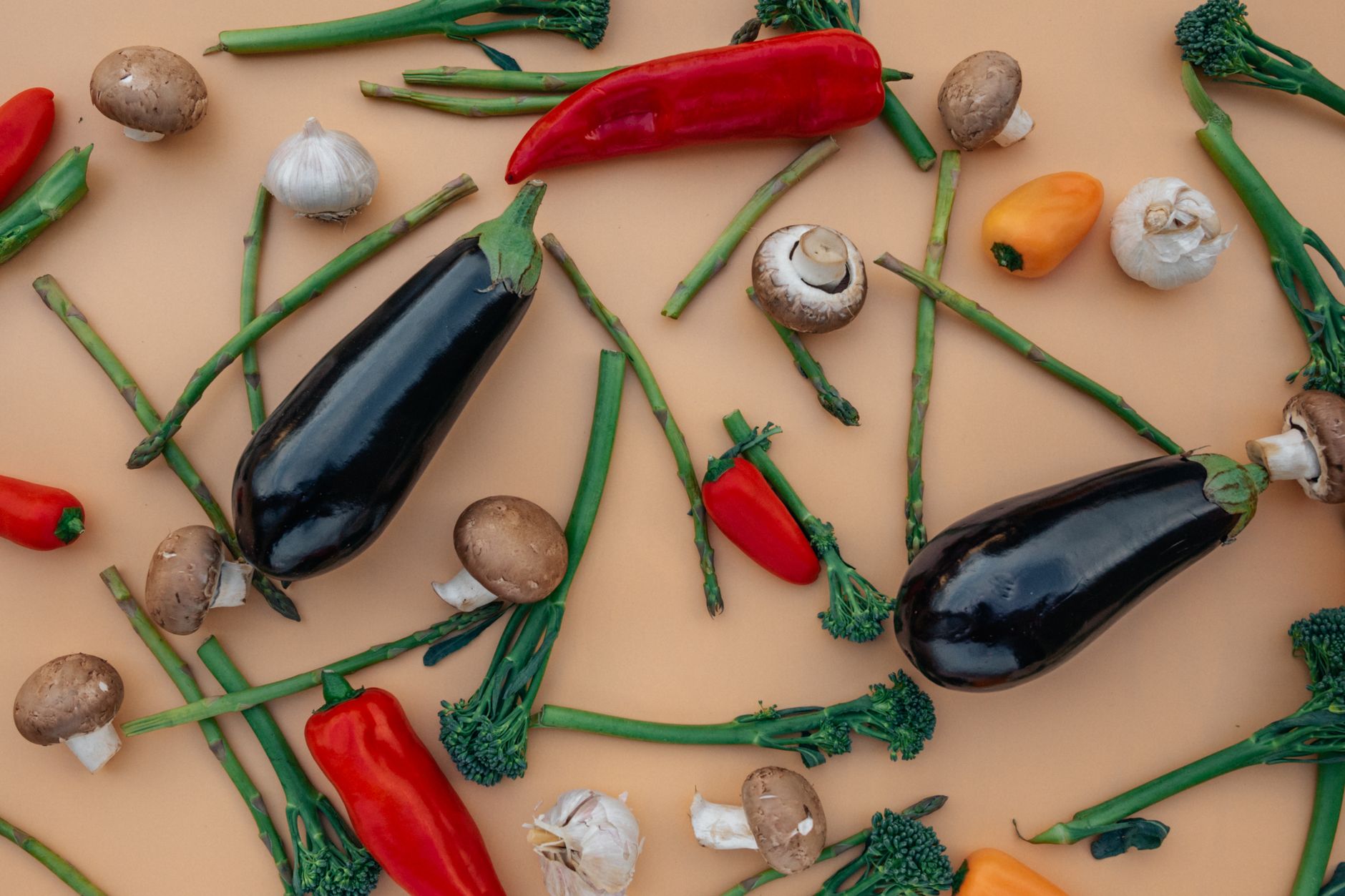
Onions, garlic, leeks, shallots, and chives belong to the allium family and can damage a dog’s red blood cells. Raw, cooked, dried, powdered, and concentrated forms can all be risky, which makes seasoned foods particularly concerning because onion or garlic powder may be hard to spot.
Wild mushrooms should not be offered because some varieties contain toxins that can cause vomiting, neurological signs, liver failure, or death. Store-bought mushrooms are a different matter, but they provide little reason to add risk; plain, familiar vegetables are simpler choices.
Unripe green tomatoes and tomato plant leaves and stems contain compounds that can be harmful in larger amounts. A small piece of ripe tomato flesh is generally less concerning, but tomatoes are not needed in a dog’s diet, and sauces often contain onion, garlic, salt, or sugar.
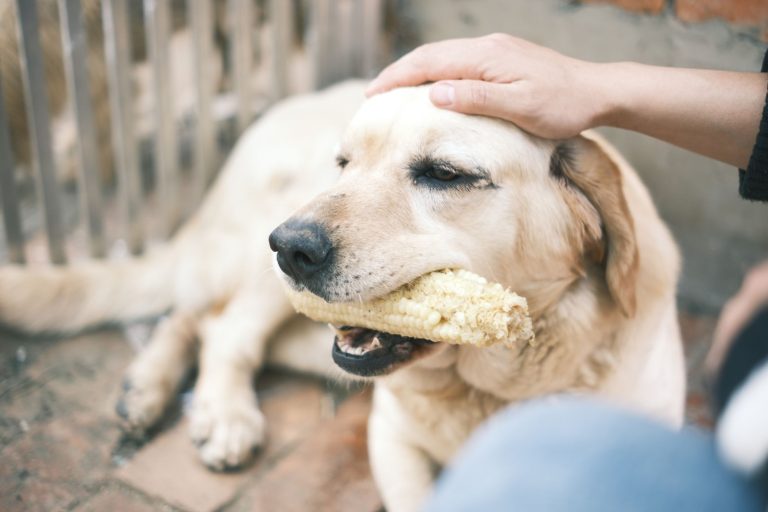
Corn itself is usually digestible when removed from the cob, but corn cobs are dangerous. Dogs may swallow them whole or in large chunks, and the cob can obstruct the intestines. Never give a dog a corn cob to chew.
Avocado deserves caution because its large pit can cause choking or blockage, and the fruit is high in fat. The skin and pit are especially unsuitable. A dog that eats a potentially toxic plant or a large amount of an unsafe vegetable should be assessed promptly by a veterinarian or animal poison service.

Photo by Lionel Ntasano on Pexels
How should vegetables be prepared for dogs?
Safe preparation starts with washing produce and removing stems, pits, hard seeds, tough skins, and other parts that a dog may struggle to chew. The goal is a soft, plain bite that matches the dog’s size and eating habits.
- Wash the vegetable. Rinse away dirt and possible surface residue.
- Remove risky parts. Discard leaves, stems, pits, cobs, and hard cores when appropriate.
- Cut it small. Pieces should be small enough for the dog to chew rather than gulp.
- Cook firm vegetables when needed. Steaming or boiling can soften carrots, sweet potato, broccoli stems, and other dense produce.
- Serve it plain. Skip salt, oil, butter, sauces, onion, garlic, and spices.
- Cool cooked food first. Hot food can burn a dog’s mouth.
Frozen vegetables can be convenient, but they should be thawed or softened if the dog gulps food. Frozen chunks may be hard on teeth and can be a choking hazard. A few thawed peas or chopped green beans are easier to manage than a large frozen block.
How much vegetable can a dog eat?
Vegetables and other treats should generally make up no more than about 10 percent of a dog’s daily calories, with the remaining food coming from a complete and balanced diet. The exact amount depends on the dog’s size, age, activity level, health, and regular food.
A practical starting point is one or two small pieces for a small dog and a few bite-sized pieces for a medium or large dog. Introduce one vegetable at a time, then watch for vomiting, diarrhea, gas, itching, or a change in appetite over the next day.
Dogs with diabetes, kidney disease, bladder stones, food allergies, pancreatitis, inflammatory bowel disease, or a history of intestinal blockage may need a more specific diet. Puppies and dogs on prescription food also deserve extra caution because seemingly minor treats can affect their nutritional plan.
Vegetables should not displace protein, essential fats, vitamins, and minerals supplied by a properly formulated dog food. A homemade diet needs professional formulation; simply adding meat and vegetables can create calcium, vitamin, or mineral deficiencies over time.
What are the signs that a vegetable caused a problem?
Mild gas or softer stool can occur after a dog eats too much fiber too quickly. Stop the new treat, offer the usual diet, and monitor the dog if symptoms are mild and short-lived.
Vomiting, repeated diarrhea, severe abdominal pain, bloating, weakness, pale gums, collapse, trouble breathing, or an inability to keep water down requires prompt veterinary attention. A dog that may have swallowed a corn cob, large vegetable chunk, pit, or toxic plant should not be made to vomit unless a veterinary professional specifically instructs the owner to do so.
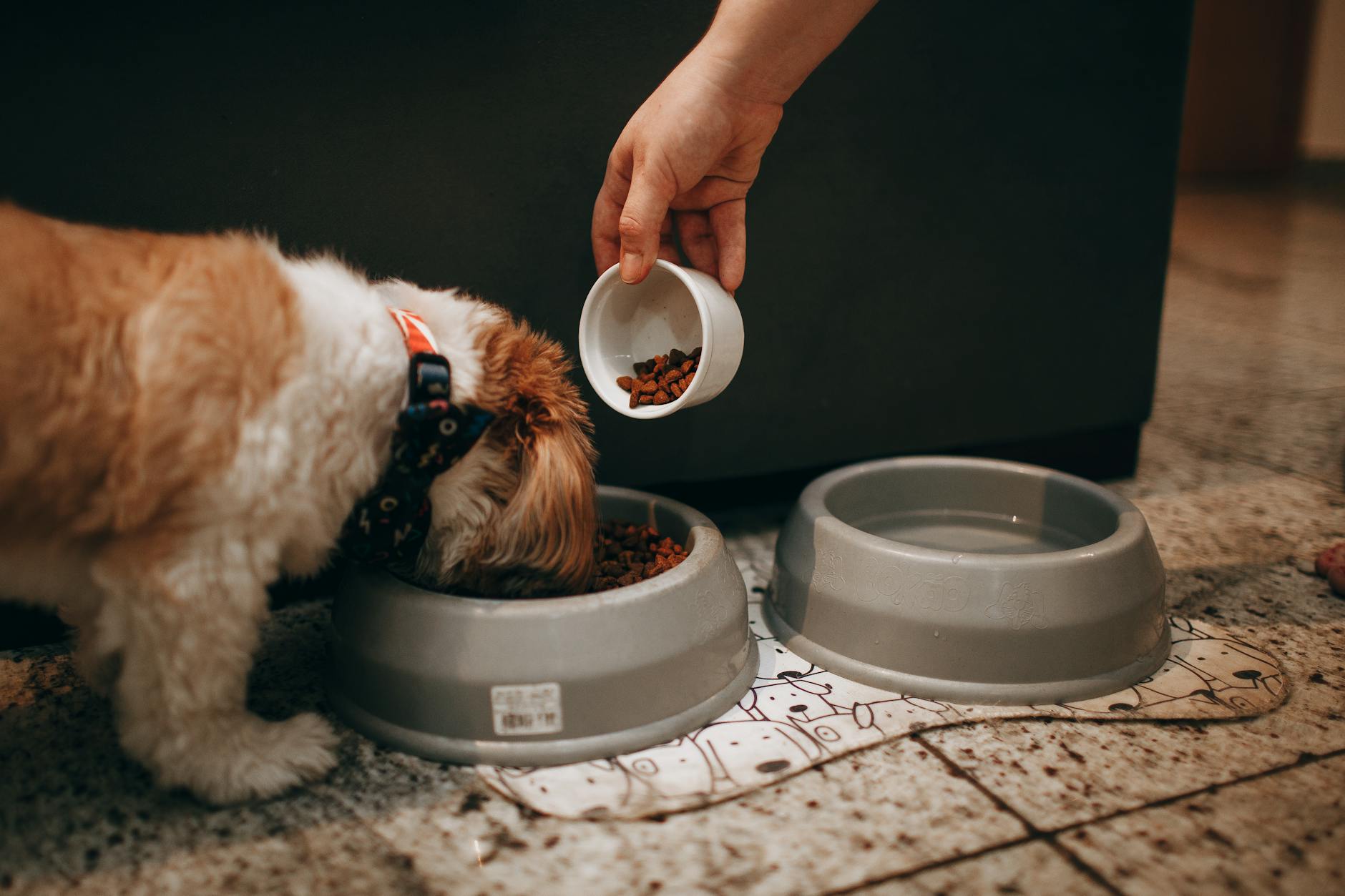
Photo by Helena Lopes on Pexels
Frequently Asked Questions
Can dogs eat raw vegetables?
Dogs can eat some raw vegetables, including carrots, cucumber, bell peppers, and small broccoli florets. Raw produce should be washed and cut into pieces that match the dog’s size and chewing ability. Dense vegetables such as sweet potato are safer and easier to digest when cooked.
Can dogs eat frozen vegetables?
Dogs can eat plain frozen vegetables after they have been thawed or softened. Avoid frozen pieces that are large, rock-hard, or difficult to chew. Never serve frozen vegetables mixed with salty sauces, butter, onion, or garlic.
Are canned vegetables safe for dogs?
Some canned vegetables are safe, but many contain added salt or seasoning. Choose no-salt-added products, rinse them, and check the ingredient list for onion, garlic, spices, and sauces. Plain canned pumpkin is suitable only when it is puree rather than sweetened pie filling.
Can dogs eat vegetables every day?
A dog may eat a small amount of a safe vegetable regularly if it tolerates it and the vegetable remains within the treat allowance. Daily vegetables are not required when the dog eats a complete and balanced commercial or professionally formulated diet. Large servings can cause digestive upset or unbalance calorie intake.
Can vegetables help a dog lose weight?
Low-calorie vegetables such as green beans, cucumber, and small amounts of carrot can replace some higher-calorie treats. They do not automatically produce weight loss, because total calories still matter. A veterinarian can help set a safe calorie target, especially for a dog with medical conditions.
What should I do if my dog eats onions or garlic?
Contact a veterinarian or animal poison service promptly, especially if the amount is unknown or the food contained concentrated powder. Signs can be delayed and may include vomiting, weakness, pale gums, rapid breathing, or dark urine. Do not wait for symptoms before asking for guidance.
The safest routine is simple: choose a familiar vegetable, serve it plain and finely chopped, start with a small amount, and keep the main diet complete and balanced.

Mim Creation
Writer at Helmet Today, covering helmet reviews, fit and riding safety.