Yes, dogs can eat mangetout in small amounts, provided the peas are fresh, plain, and free from salt, butter, sauces, onion, or garlic. Mangetout is not toxic to dogs and supplies fibre, water, and a few vitamins. Cut larger pods into bite-sized pieces, supervise eating, and treat them as an occasional snack rather than a meal.
What is mangetout?
Mangetout is a type of young pea eaten with its flat, edible pod. The name is French for “eat all,” and in shops it may be sold as snow peas. Sugar snap peas look similar but are rounder and sweeter; both are generally safe for dogs when served plain.
The pod contains the immature peas, so mangetout is mostly water and fibre with a modest amount of carbohydrate. It is not a necessary part of a dog’s diet, but a few pieces can work as a crunchy treat for many healthy dogs.
Fresh mangetout should be firm, brightly coloured, and free from mould or sliminess. Frozen mangetout can also be suitable if it contains no added sauce or seasoning. Tinned versions deserve more caution because they often contain added salt, and some prepared products include ingredients dogs should not eat.
Is mangetout safe for dogs?
Plain mangetout is safe for most dogs in reasonable portions. It does not contain a known dog-specific toxin, and the edible pod is digestible when chewed properly. Still, “safe” does not mean every dog can eat unlimited amounts without consequences.
A dog that eats a large bowl of peas may develop gas, loose stools, stomach rumbling, or vomiting. The fibre and plant material can be a sudden change for a dog that normally eats only commercial food or meat-based treats.
Individual tolerance also varies. One dog may happily crunch a few raw pods, while another may get diarrhoea after a small serving. The sensible approach is to offer one small piece first and watch for digestive trouble over the next day.
- Serve mangetout plain, without seasoning or sauce.
- Give small pieces appropriate to the dog’s size.
- Introduce it gradually if the dog has not eaten it before.
- Remove tough ends or strings if they are noticeable.
- Stop serving it if diarrhoea, vomiting, itching, or unusual discomfort appears.
What are the benefits of feeding mangetout to dogs?
Mangetout can provide a few useful nutrients, although its benefits are modest because dogs should eat only small portions. It contains water, fibre, vitamin C, vitamin K, and some plant-based folate and manganese.
Fibre can support normal bowel movements by adding bulk to stool. That does not make mangetout a treatment for constipation, however. A dog with repeated constipation, straining, blood in the stool, or abdominal pain needs veterinary advice rather than extra vegetables.
The high water content can make mangetout a lighter treat than fatty table scraps. A few chopped pods may suit an owner looking for a low-fat reward during training, particularly when the dog already receives enough calories from its complete food.
Crunchy vegetables can also add variety and enrichment. Some dogs enjoy the sound and texture of fresh pods, while others prefer them lightly softened. The enjoyment matters, but mangetout should not displace a nutritionally complete dog food.

Photo by Christianna Otto on Pexels
Can dogs eat raw mangetout?
Most healthy dogs can eat raw mangetout if the pods are washed and cut into suitable pieces. Raw pods retain their crisp texture and can be convenient as an occasional snack, but they may be harder for some dogs to chew.
Choking is the main practical concern with whole pods. Small dogs, puppies, fast eaters, and dogs that swallow treats without chewing are more likely to struggle with long or thick pieces. Cutting the pod across its width reduces the size of each bite.
Raw vegetables should be washed under running water before serving. Washing removes surface dirt and reduces, but does not eliminate, traces of agricultural chemicals or microorganisms. Do not feed pods that are mouldy, fermenting, or past their best.
A dog with dental disease, missing teeth, or a history of swallowing food whole may do better with mangetout lightly steamed and cooled. Softening the pod makes it easier to chew, although it should still be chopped for a small or hurried eater.
Can dogs eat cooked mangetout?
Plain steamed or boiled mangetout is suitable for most dogs and may be easier to chew than raw pods. Cook it until tender but not mushy, allow it to cool completely, and serve a small amount without seasoning.
Cooking water should not contain salt, stock cubes, gravy, onion, or garlic. These additions are common in human recipes but can make an otherwise suitable vegetable unsafe. Butter, cream, cheese, and cooking oils also add unnecessary fat and calories.
Microwaved mangetout can be fine when heated with water and served plain. Check the temperature carefully before giving it to a dog; vegetables can remain hot inside even when the outside feels cool. Leftovers should be refrigerated promptly and used within a sensible food-safety period.
How much mangetout can a dog eat?
Mangetout should count as a treat, not a staple. A useful general rule is that treats and extras make up no more than about 10% of a dog’s daily calories, with the remaining 90% coming from a complete, balanced diet.
The exact portion depends on the dog’s body size, health, activity level, and total treat intake. The figures below are starting points rather than medical prescriptions:
| Dog size | Suggested first serving | Possible occasional portion |
|---|---|---|
| Very small dogs, such as Chihuahuas | One small piece | One or two chopped pieces |
| Small dogs, such as Dachshunds | One or two pieces | Two to four chopped pieces |
| Medium dogs, such as Beagles | Two or three pieces | A small handful of chopped pieces |
| Large dogs, such as Labradors | Three or four pieces | A modest handful, not a bowlful |
These portions assume plain mangetout is the only unusual treat being offered. If a dog also receives biscuits, dental chews, meat treats, or scraps, the mangetout portion should be smaller. Dogs carrying excess weight need especially careful portions because even low-fat extras add calories over time.
How should mangetout be prepared for dogs?
Preparation is straightforward, but a few details make the snack safer. Wash the pods, remove any damaged sections, and cut them into pieces that the dog can comfortably chew.
- Choose fresh or plain frozen mangetout.
- Wash fresh pods thoroughly and discard any that look spoiled.
- Remove the stem end and string if they are tough.
- Cut long pods into short pieces, especially for small dogs.
- Serve raw or steam briefly without salt, oil, butter, stock, onion, or garlic.
- Let cooked pieces cool before offering them.
- Supervise the first serving and check for digestive changes.
Frozen mangetout should not be offered as a large, hard chunk to a dog that gulps food. Thawing it first, or steaming it lightly, lowers the risk of a dog struggling with a cold, rigid pod. Frozen vegetables intended for human meals should be checked for sauces and seasoning before use.
Which mangetout dishes are unsafe for dogs?
The danger usually comes from the recipe rather than the mangetout itself. Human dishes often contain concentrated salt, rich fats, or ingredients that are toxic to dogs.
- Stir-fried mangetout: Often cooked with garlic, onion, chilli, soy sauce, or a large amount of oil.
- Mangetout in gravy: May contain onion, garlic, high salt levels, or fatty meat juices.
- Creamed vegetables: Can be rich in fat and may upset the stomach, particularly in dogs prone to pancreatitis.
- Ready-made vegetable mixes: May include onions, leeks, garlic, strong seasoning, or sauces.
- Tinned mangetout: Can contain more salt than a dog needs, even when no other harmful ingredient is listed.
- Leftovers with meat sauce: The sauce may be more concerning than the vegetables.
Onions, garlic, leeks, and chives belong to the allium family and can damage dogs’ red blood cells. A small accidental lick is not the same as eating a large serving, but a dog that has consumed food containing a significant amount should be assessed by a veterinarian or animal poison service.

Photo by MART PRODUCTION on Pexels
Can puppies, older dogs, or sick dogs eat mangetout?
Puppies may eat a tiny amount once they are established on solid food, but their main diet must provide the energy and nutrients needed for growth. Treats should remain limited, and large raw pods are a poor choice for a puppy that gulps.
Older dogs can usually have mangetout if they tolerate it and can chew it safely. Lightly steaming and chopping the pods may help dogs with worn teeth or gum disease. Dogs with swallowing problems should receive only treats approved by a veterinarian.
Dogs with diabetes, pancreatitis, inflammatory bowel disease, food allergies, kidney disease, or a prescribed therapeutic diet need individual advice before receiving extras. Mangetout may be harmless in isolation but unsuitable for a diet that has been carefully formulated to control fat, fibre, protein, minerals, or calories.
Dogs taking medication do not automatically need to avoid mangetout, but new foods should be introduced cautiously when a health condition is being monitored. A veterinarian can advise whether the vegetable fits the dog’s treatment plan.
What should you do if a dog eats too much mangetout?
Most dogs that eat too much plain mangetout develop no serious problem, though gas, soft stools, or vomiting can occur. Remove the remaining vegetables, provide access to fresh water, and avoid adding more treats while watching the dog.
Contact a veterinarian if vomiting or diarrhoea is repeated, lasts more than a short period, contains blood, or comes with weakness, pain, bloating, fever, or refusal to drink. Very young, elderly, and medically fragile dogs can become dehydrated more quickly.
Urgent advice is appropriate if the mangetout was cooked with onion, garlic, leeks, chives, a large amount of salt, or a potentially toxic sauce. Also seek help if the dog is gagging, struggling to breathe, repeatedly retching, or showing signs of choking.
Frequently Asked Questions
Can dogs eat mangetout every day?
A few plain pieces may be acceptable for some dogs, but daily feeding is unnecessary. Keep the amount small, include it within the dog’s daily treat allowance, and vary treats only if the dog’s stomach tolerates them.
Can dogs eat sugar snap peas as well as mangetout?
Yes, plain sugar snap peas are generally safe for dogs in small portions. They are thicker and rounder than snow peas, so cut them into pieces for small dogs and fast eaters.
Can mangetout give dogs diarrhoea?
Yes, a large serving or sudden introduction can cause diarrhoea, gas, or stomach discomfort because mangetout contains fibre and plant carbohydrates. Stop the vegetable and contact a veterinarian if symptoms are severe, persistent, or accompanied by weakness or blood.
Are frozen mangetout safe for dogs?
Plain frozen mangetout is usually safe after it has been thawed or lightly cooked. Check the packet for salt, sauces, onion, garlic, and other seasonings, and avoid giving a hard frozen piece to a dog that swallows food quickly.
Can dogs eat mangetout with butter?
A tiny accidental taste is unlikely to cause poisoning, but butter is high in fat and can trigger stomach upset in some dogs. Plain mangetout is the better choice, especially for dogs that are overweight or prone to pancreatitis.
Should dogs eat the whole mangetout pod?
Dogs can eat the edible pod, but long whole pods may be difficult for small dogs or dogs that gulp. Washing, removing tough strings, and chopping the pod into bite-sized pieces makes it easier and safer to eat.
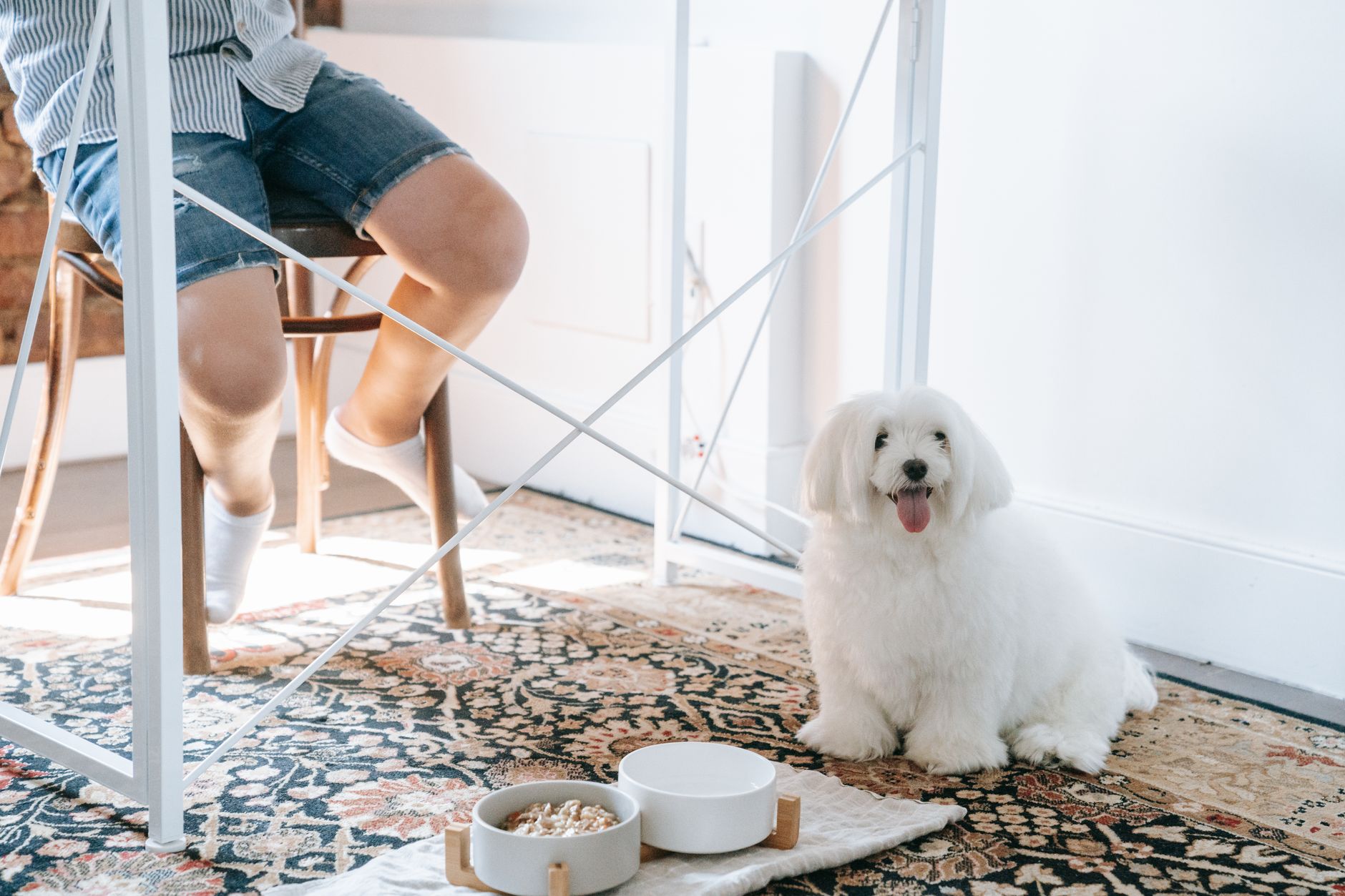
Photo by Katya Wolf on Pexels
For most healthy dogs, the practical answer is simple: offer a few washed, chopped mangetout pieces plain, then keep an eye on the dog’s digestion. If the pods came from a seasoned dish or the dog has a medical condition, skip the snack and ask a veterinarian first.

Mim Creation
Writer at Helmet Today, covering helmet reviews, fit and riding safety.