
We may earn a commission when you buy through links on this page, at no extra cost to you. Learn more
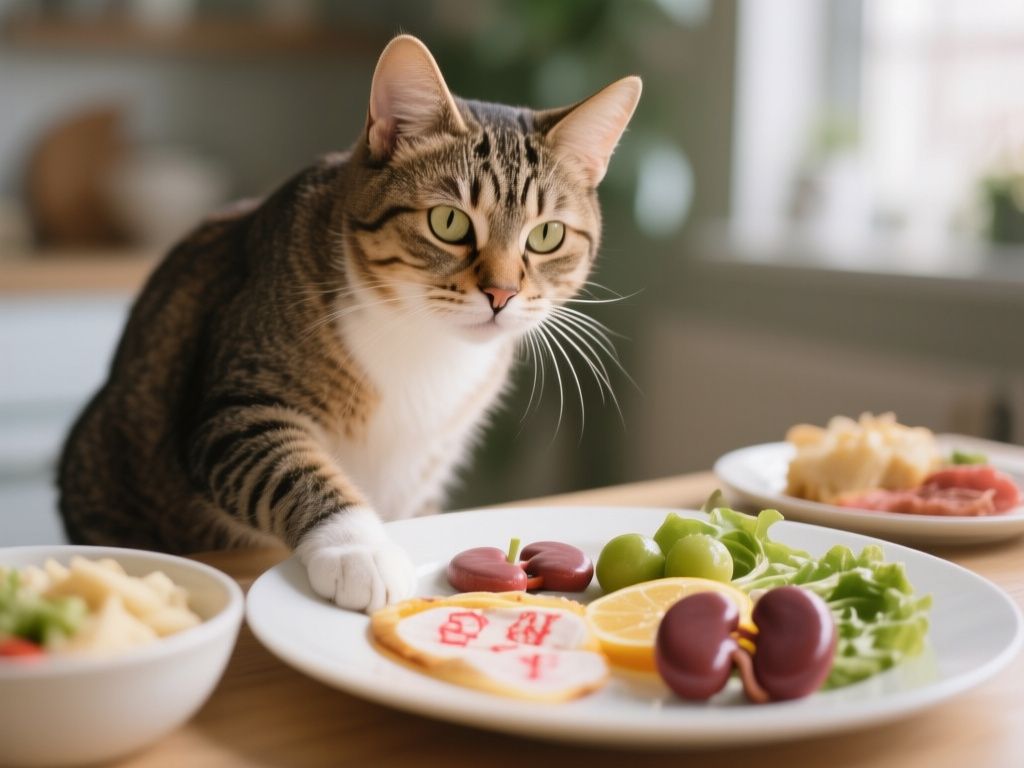
Cats with early kidney disease markers usually do best on a “renal support” diet that controls phosphorus, keeps protein at a moderate level (not ultra-low), and increases water intake. In practice, that means feeding a veterinarian-formulated kidney diet consistently, ideally transitioning gradually, and rechecking labs (creatinine/SDMA, phosphorus) on schedule.
What diet should you feed a cat with early kidney disease markers?
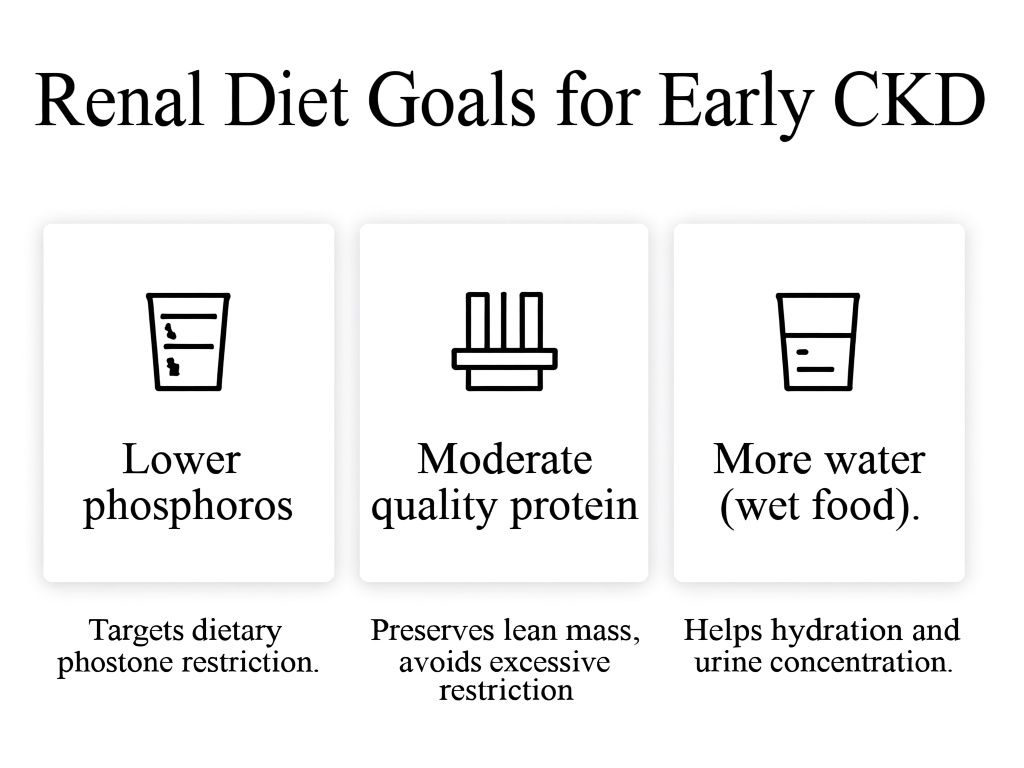
If your cat has early kidney disease markers (often elevated SDMA and/or mildly increased creatinine with relatively preserved urine concentration), the most evidence-aligned dietary choice is a veterinary renal-support diet. The key goal is not “detoxing” the kidneys—it’s reducing dietary phosphorus load and supporting overall hydration while using protein levels that maintain lean body mass.
For many cats in early stages, the best results come from combining three dietary levers: (1) restricted phosphorus (typically using phosphorus binders in the diet or formulated lower phosphorus), (2) high-quality protein at a moderate amount (to avoid malnutrition), and (3) increased moisture via wet food. Omega-3 fatty acids (commonly from fish oil) are often included because they can help with inflammation pathways related to kidney damage.
One practical takeaway: if your cat already eats well, you generally want to keep that going. Appetite is the real “compliance” variable. A perfectly formulated diet that your cat refuses can hurt more than help.
How do early kidney disease markers guide diet choices?
Early chronic kidney disease (CKD) is usually staged using labs and clinical context. The most common “markers” you’ll hear about are serum creatinine, SDMA (symmetric dimethylarginine), urine specific gravity, and sometimes urine protein. These values help estimate kidney filtration and whether there’s early impairment.
In early disease, cats may still be active, eat normally, and show no obvious symptoms. That’s exactly why diet matters: before dehydration, weight loss, and uremic signs appear, you can influence phosphorus exposure and hydration habits.
Importantly, diet recommendations should also consider concurrent issues. For example, a cat with hyperthyroidism may lose weight quickly and needs careful caloric planning; a cat with diabetes may need different carbohydrate considerations; a cat with significant hypertension may require medication even if diet is “perfect.” Diet supports the kidneys, but it rarely replaces targeted treatment.

What makes a “renal support” diet different from a standard cat diet?
A standard adult maintenance diet is formulated for general health, not kidney phosphorus handling. A renal-support diet changes the nutrient balance, especially around phosphorus, and often the way protein is presented.
1) Phosphorus: the primary dietary lever
Kidneys are responsible for excreting phosphorus. When filtration begins to decline, phosphorus tends to accumulate unless dietary intake is controlled. High phosphorus can contribute to worsening kidney damage through effects on kidney tissue and secondary changes in mineral metabolism.
Veterinary renal diets typically provide lower phosphorus compared with most over-the-counter adult diets. Some also use specific ingredients designed to reduce phosphorus bioavailability. The goal is that, over time, phosphorus values trend better than they otherwise would.
2) Protein: moderate and high-quality beats “very low” for most early cases
There’s a common misconception that “kidney disease means no protein.” In reality, protein restriction is usually a balancing act. Too little protein can accelerate muscle loss, reduce appetite, and worsen overall outcomes—especially in older cats who already have borderline body condition.
For early disease markers, most cats do better with moderate restriction (if needed at all) and, crucially, good protein quality. Many renal diets reduce protein quantity or change the amino acid profile compared with maintenance diets, but they’re not designed to be protein-free.
Operationally, you’ll often see a renal diet that’s designed to be “protein controlled” rather than “protein eliminated.” Your vet can help decide how aggressive to be based on body condition, appetite, and lab trends.
3) Moisture: wet food is often the easiest win
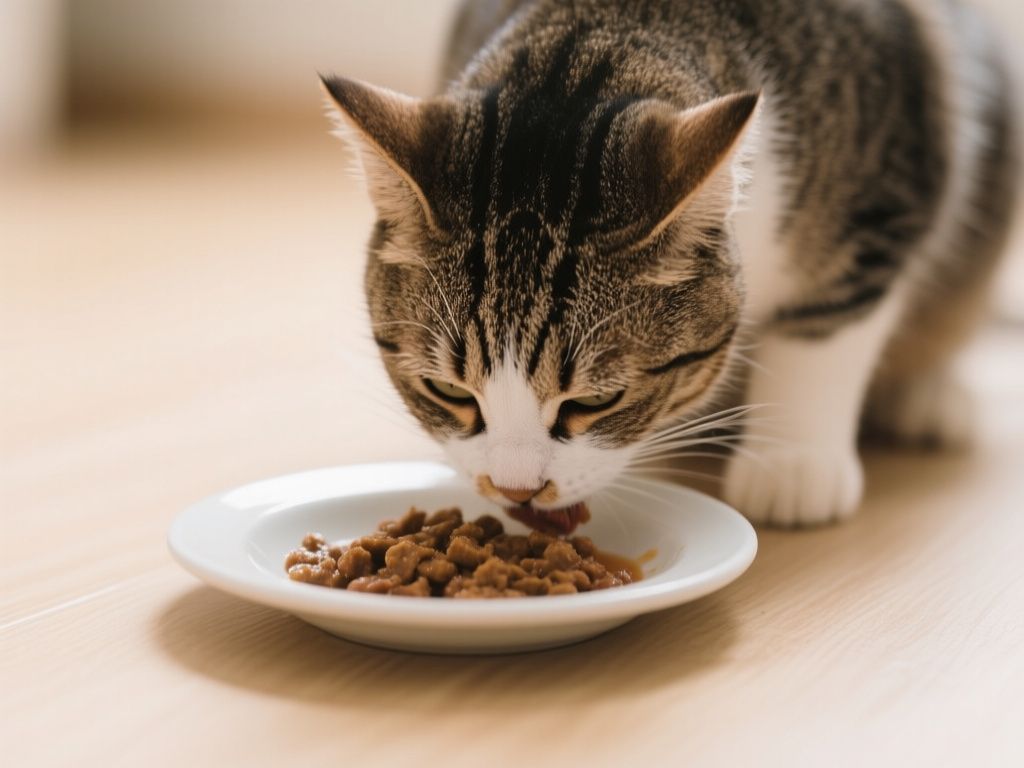
Even before obvious dehydration signs show up, kidney impairment can reduce the ability to concentrate urine. Wet food increases fluid intake, which supports urinary output and may help manage early progression indirectly by improving hydration status.
Because cats are naturally low-thirst animals, asking them to drink more water is often harder than switching to a wet-based diet. Many cats adjust quickly when the transition is gradual and the food is palatable.
Tip from real-world clinic experience: if your cat rejects wet renal food, it’s usually worth trying a different renal brand or texture (pâté versus minced/gravy versus shreds) before giving up.
4) Omega-3 fatty acids and antioxidants
Many renal-support diets include omega-3 fatty acids (often from fish oil). Omega-3s can help reduce inflammatory signaling. Some formulations also include antioxidants and potassium considerations, depending on whether a cat tends toward low potassium (more common in later disease or with certain dietary patterns).
Do note the nuance: supplementing omega-3 on top of a renal diet is not automatically better. Too much fat can worsen stool quality and appetite in some cats. Usually you follow the diet’s formulation rather than stacking supplements unless your veterinarian specifically recommends it.
Is the “best diet” always a prescription kidney diet?
For many cats with early kidney disease markers, the most reliable choice is a veterinary renal-prescription or veterinary-formulated diet. The reason is simple: controlling dietary phosphorus precisely and consistently is hard to do with generic “low phosphorus” claims you might see on regular grocery-store products.
That said, the best diet is the one your cat will eat long-term. If a prescription renal diet causes GI upset or your cat strongly refuses it, your veterinarian can help you choose an alternative renal-support option and plan a careful transition.
How to choose among renal diets
- Check that it’s formulated for renal support and includes phosphorus targets appropriate for kidney disease.
- Prefer wet formulations if your cat will eat them; consider gravy/minced textures if pâté is rejected.
- Look at body condition and stool quality—some cats do better with slightly different fat/protein balances.
- Match the transition approach to your cat’s temperament (some cats need slower mixing over 7–14 days).
What if your cat is still acting totally normal?
Early markers can show up before symptoms, and that’s when diet changes can be most proactive. You might not need immediate medications, but dietary phosphorus management and hydration support are still meaningful steps.
Still, avoid overreacting. If labs are only borderline and urine specific gravity is strong, your vet may recommend monitoring first. In practice, many veterinarians will recommend starting diet changes when the trajectory suggests early CKD rather than waiting for overt clinical decline.
How should you transition to a renal diet without upsetting your cat?
Most diet failures are actually transition failures: cats stop eating, then you’re stuck trying to “catch up” with calories while the kidneys continue without phosphorus control.
A common approach is gradual mixing. For example, you might start with a small amount of the renal diet mixed into the current food, then increase the renal proportion every 2–3 days while watching stool and appetite. If your cat has a sensitive GI tract, you may slow the rate of change or choose a texture that’s closer to what they already eat.
Watch for these common issues
- Refusal to eat: pause the transition speed and focus on palatability (warm wet food slightly, offer fresh portions).
- Soft stool: reduce the mixing ratio changes more gradually; avoid treating with large fat-rich toppers.
- Vomiting: stop the acceleration and inform your vet—sometimes a different formulation is needed.
If your cat is already losing weight, the “best diet” becomes the diet that keeps calories in. In that scenario, ask your veterinarian about the minimum acceptable calories, and whether you should blend between options while still targeting renal phosphorus.
How do you know the diet is working?
You typically evaluate response with follow-up labs rather than only by “how your cat looks.” Your vet may recheck creatinine, SDMA, phosphorus, urine specific gravity, and possibly urine protein. The timing varies, but early after changes you’re looking for stability rather than dramatic improvement.
Also track body condition score, appetite, hydration behavior, and stool quality. A renal diet that improves labs but causes persistent vomiting or significant weight loss is not a win.
| What you track | Why it matters | What “good” often looks like |
|---|---|---|
| Phosphorus | Dietary phosphorus reduction is a core kidney-protection lever | Stable or improving phosphorus trends |
| Creatinine and/or SDMA | Markers of kidney filtration and uremic risk | Stable values over time; slower upward trend |
| Urine specific gravity | Helps assess urine concentrating ability | Higher/consistent values if the cat can concentrate |
| Body weight/lean mass | Prevents malnutrition and appetite collapse | Stable body condition and eating patterns |
| Stool quality and vomiting | Assesses tolerability and realistic adherence | Acceptable stool and no persistent GI signs |
Are supplements ever needed alongside the renal diet?
Sometimes, but not always—and it depends on your cat’s labs. Common examples include phosphorus binders if phosphorus remains high, potassium supplementation if potassium is low, or anti-nausea support if appetite is affected.
Do not add supplements blindly “because kidneys.” Extra products can complicate dosing and may worsen GI signs. The clean approach is: adjust diet first, then use lab-guided decisions for anything additional.
Frequently Asked Questions
What are “early kidney disease markers” in cats?
Early markers often include elevated SDMA and/or mildly increased creatinine, typically alongside a urine test showing reduced ability to concentrate (lower urine specific gravity) in some cats. Your veterinarian may also consider urine protein and overall clinical context to stage disease.
Should I feed a low-protein diet or a renal diet?
Most early-stage cats do best on a renal-support diet that provides moderate, high-quality protein rather than an aggressively low-protein approach. The reason is that preserving lean body mass often matters as much as slowing kidney progression.
How much water should my cat drink with early kidney disease?
There’s no single “correct” number because drinking varies by body size, diet type, and environment. Wet food usually helps reliably increase total fluid intake; your vet can also monitor hydration status and urine concentration as practical proxies.
Can I use treats while on a renal diet?
You can, but be selective. Treats can add extra phosphorus and calories that undermine the diet plan, especially if they’re fish-based, dairy-based, or otherwise phosphorus-heavy. Keep treats minimal and ask your vet what’s appropriate for your cat’s labs.
Will a renal diet improve life expectancy?
Diet changes can help stabilize labs and slow progression for many cats, particularly when started early and maintained consistently. Outcomes vary by stage at diagnosis, underlying causes, and how well appetite and body weight are preserved.
How soon should labs be rechecked after switching diets?
Timing varies by severity and your veterinarian’s protocol, but rechecks are commonly planned within weeks to a few months. If your cat’s labs are concerning or you add any new meds/supplements, your vet may recheck sooner to avoid surprises.
If you remember one practical rule: choose a renal-support diet your cat will reliably eat (often wet-based), transition gradually, and let follow-up labs guide fine-tuning like phosphorus binders—diet alone is rarely “perfect,” but it’s usually the most controllable lever you have early.

Mim Creation
Writer at Helmet Today, covering helmet reviews, fit and riding safety.


Pingback: Super Cichlids Freeze-Dried Color Boost Blackworms Fish Food Review