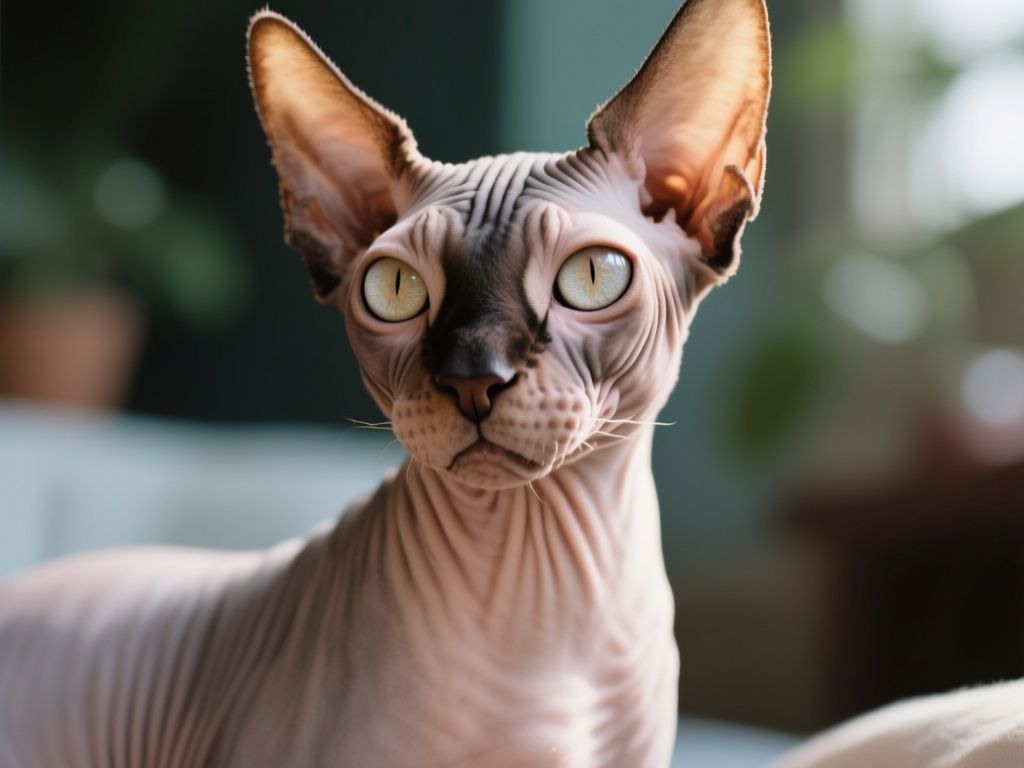
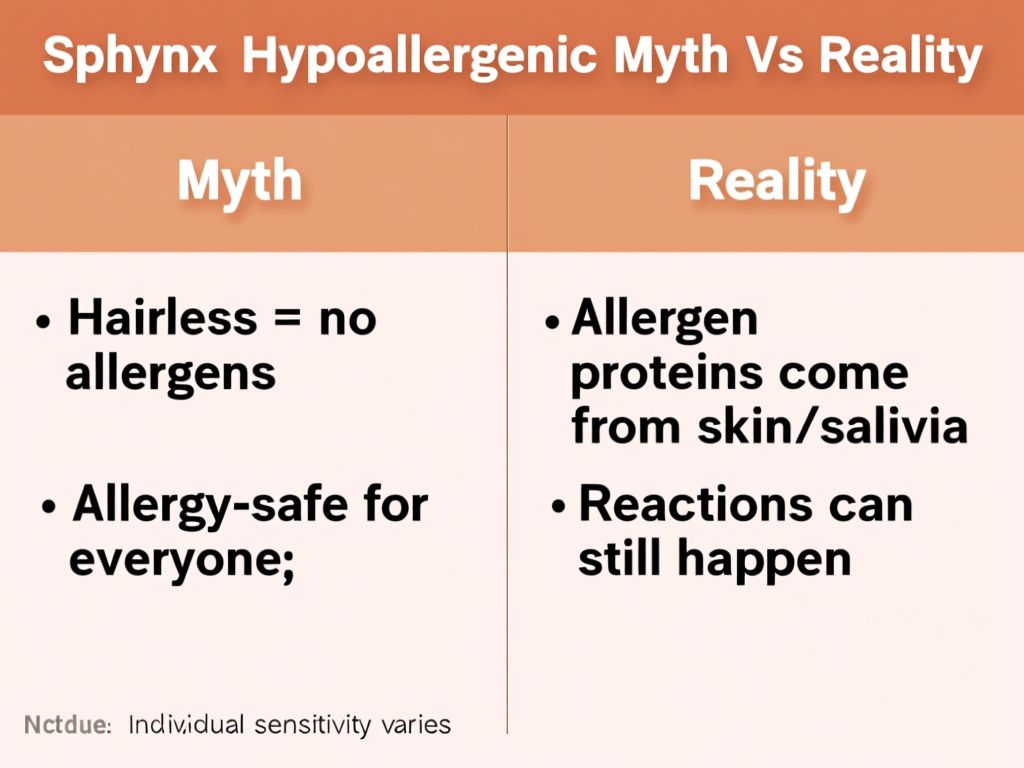
Sphynx cats are often marketed as “hypoallergenic,” but they’re not reliably hypoallergenic for most people. The main allergy triggers are proteins in cat skin cells and saliva (and they spread into the home). A Sphynx may shed less hair, yet it can still produce the same allergy-causing proteins—so reactions can still happen.
What does “hypoallergenic” even mean for cats?
“Hypoallergenic” doesn’t mean “safe for everyone.” It’s a marketing term that usually means “less likely to cause symptoms,” not “doesn’t cause allergies.” With cats, the uncomfortable truth is that allergies aren’t triggered by fur hairs the way people sometimes assume.
Most cat allergies come from proteins—especially Fel d 1 (and a few others)—found in a cat’s skin cells (dander), saliva, and sometimes urine. A cat grooms itself, saliva dries on the skin, and then tiny microscopic residue spreads through the environment. Hair can carry these proteins around, but even a hairless-looking cat can still generate them.
So, when someone claims “Sphynx cats are hypoallergenic,” they’re usually talking about fewer visible hairs and maybe a different shedding pattern. That can be helpful for cleanliness, but it doesn’t change the underlying protein source. In other words: the myth is overstated, not entirely meaningless.
Why do people think Sphynx cats are different?
The Sphynx (a hairless breed) looks unusual: you don’t see much fur, and many people assume that automatically means fewer allergens. It’s a reasonable mental shortcut—hair seems like the obvious culprit.
But allergens don’t require a lot of fur to become airborne or to settle on surfaces. If your skin is reacting to cat proteins, a cat that produces those proteins can still cause symptoms whether it has hair, short hair, or (apparently) none.
There’s also a second reason the myth sticks: some people report fewer symptoms with Sphynx cats. That can be real, but it’s not the same as “the breed is hypoallergenic.” Symptom severity varies widely depending on the person’s sensitivity, the cat’s individual protein output, and how the home is cleaned and ventilated.
How do cat allergies actually work in real life?
Here’s the practical mechanism: allergy-triggering proteins are present on the cat’s skin and in saliva. When the cat moves, sheds skin cells, grooms, or even just sits and gets warm, those particles can disperse. They then land on bedding, curtains, carpets, and hard surfaces. In many homes, the allergens stick around for a long time, even after you remove the cat.
So a “hairless” cat doesn’t eliminate allergen presence; it changes what you can see. With a typical furry cat, you may notice hair all over. With a Sphynx, you may not see hair, but you can still find skin-cell dust and residues that your immune system recognizes.
In my experience as a practical guide (not as a medical professional), the best way to predict whether a cat will bother you is not the breed label—it’s the person’s reaction in a controlled trial and how aggressively the home is managed after the cat moves in.
Do Sphynx cats shed less—and does that matter?
Yes, Sphynx cats generally shed less visible fur because there’s no coat to shed in the usual way. That part of the “myth” is half-true. Less fur can mean fewer hairs carrying proteins on them, and some people find their symptoms improve in that context.
But “shed less” is not the same as “produce no allergens.” Skin cells still slough off, and saliva still exists whether or not the cat has fur. If you’re highly sensitive to Fel d 1, you might still react to a Sphynx.
Also, Sphynx cats can have a skin oil production that requires regular wiping or bathing to keep things comfortable and clean. That grooming routine can reduce the visible residue, but it doesn’t magically erase allergen proteins already present in the environment. It can, however, make cleaning more effective—especially if you have a HEPA vacuum and wipe surfaces consistently.
Can Sphynx cats be “safe” for some allergy sufferers?
Yes, sometimes. Allergy sufferers vary a lot. Some people react mainly to airborne particles that come from normal shedding and grooming patterns, and some are extremely sensitive to one specific protein. Individual cats can also differ in how much allergen they produce.
So the correct, non-marketing answer is: a Sphynx can be a better fit for some people, but it’s not a guarantee. If someone tells you it’s impossible to have an allergic reaction to a Sphynx, they’re selling hope, not facts.
If you’re considering adopting one, the most honest approach is to treat it like a medical-style trial—because your nose, eyes, and lungs don’t care about breed marketing.
Are there differences in grooming and skin care that affect allergens?
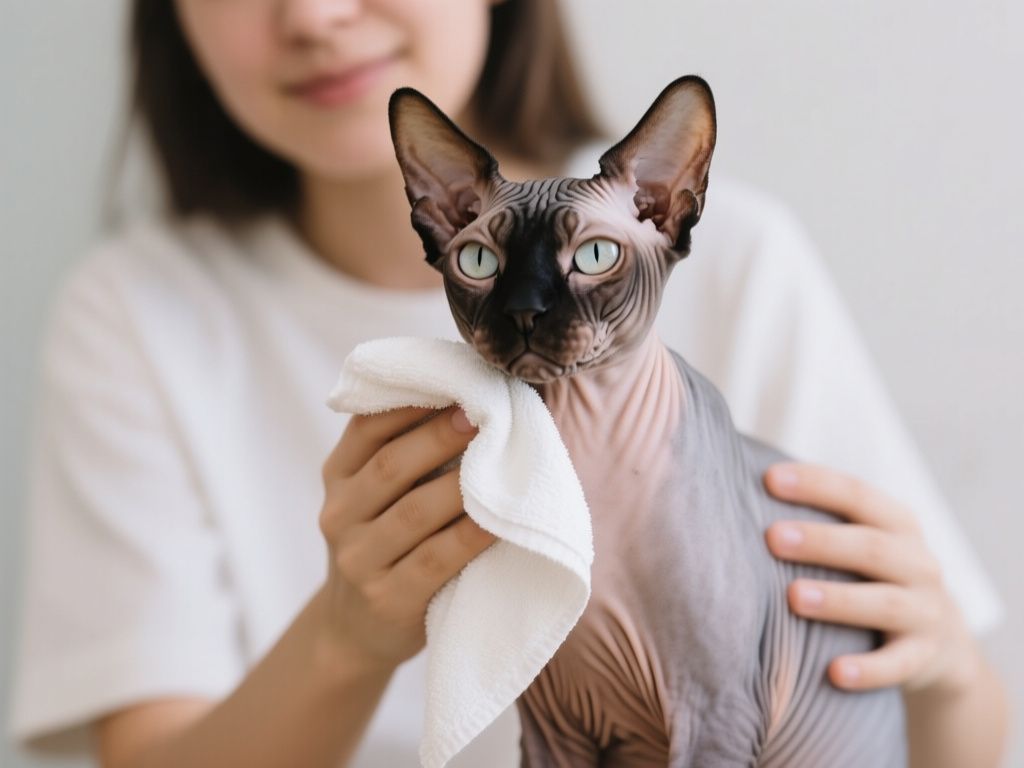
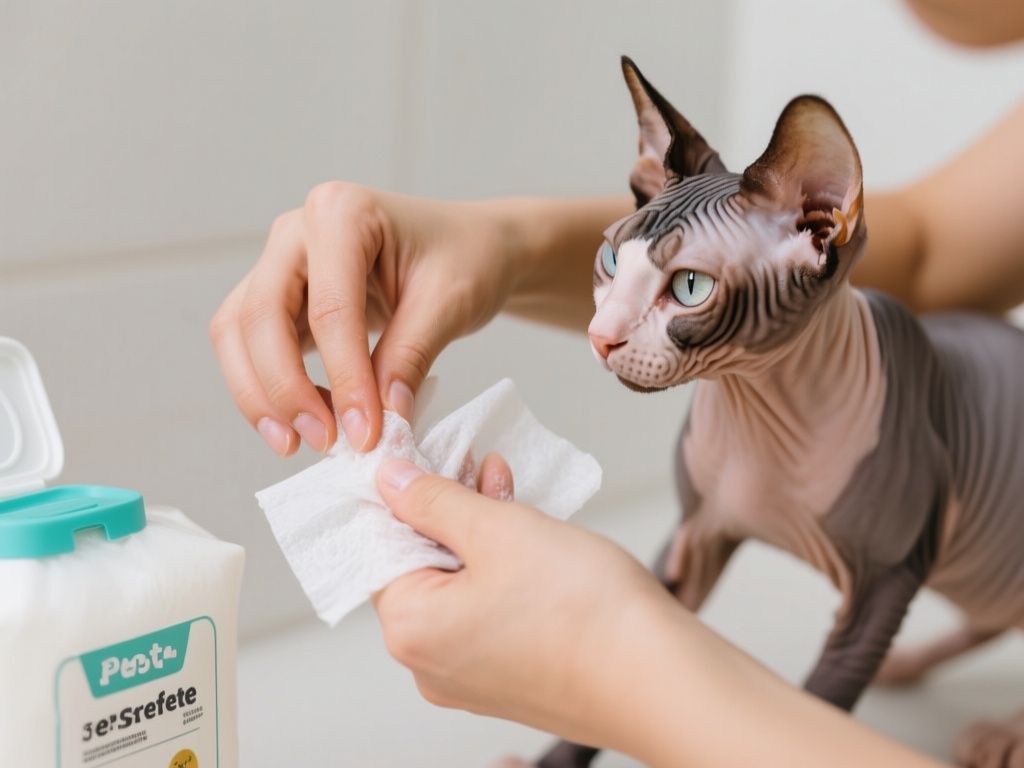
Sphynx cats often need more human help with skin maintenance than furry breeds. Many owners wipe the cat with a damp cloth or use pet-safe wipes, sometimes bathing when needed. This routine can reduce surface oils and residue, which may indirectly help keep allergens from accumulating on surfaces.
However, it’s easy to misunderstand the benefit. Less residue on the cat can reduce what’s landing in the home. Still, the cat’s skin produces allergen proteins continuously, and dander can persist in dust even if you don’t see fur.
If you do bring a Sphynx into a home where allergies are a concern, a “cleaning plan” matters more than the label on the adoption listing. Think: consistent surface wiping, HEPA filtration, washing bedding regularly, and careful handling of litter area dust.
What symptoms should you watch for?
If you’ve never lived with a cat before, you might not recognize early warning signs. Typical cat allergy symptoms include sneezing, runny or stuffy nose, itchy or watery eyes, throat irritation, coughing, wheezing, and shortness of breath. Skin reactions (hives or redness) can also occur for some people.
If you have asthma, be especially cautious. Allergy exposure can trigger asthma flare-ups, and those can become dangerous quickly. If you notice increased wheezing or chest tightness, don’t “push through it.” Seek medical advice.
Also remember: symptoms can show up immediately or later, and they can worsen after you’ve been around the cat for several days. That’s another reason “I was fine for an hour” isn’t always a reliable test.
How can you test whether a Sphynx will trigger your allergies?
A good test is controlled and time-based. Here’s a practical approach that doesn’t rely on online hype.
- Spend time in the home. Visit for a couple of short sessions (for example, 30–60 minutes each) on different days, then reassess symptoms after you leave.
- Try your “real life” routine. Pay attention to what happens when you sit on furniture, handle the cat, and touch your face afterward—because that’s how allergens transfer.
- Use temporary mitigation. If you already have an antihistamine plan from your clinician, follow it. Don’t assume you’ll “tolerate it” without help.
- Track symptoms for 24–48 hours. Allergic inflammation can linger. If you feel fine on day one but bad on day two, that’s still useful information.
- Have an exit plan. If you’re adopting, understand the possibility of rehoming if reactions are significant. This is not dramatic—it’s responsible.
For people with severe allergies, the most reliable route is discussing allergy testing and management with a healthcare professional before committing to a cat household.
Is keeping a Sphynx different from keeping other cats if you have allergies?
In a lot of ways, yes—but not because it becomes hypoallergenic. It’s different because the maintenance routine and cleaning strategy can be more direct.
A Sphynx may require regular wiping/bathing, which means there’s a predictable schedule for reducing surface residue. That can help. Meanwhile, allergen particles can still linger in the home, and cats still shed skin cells regardless of hair.
So the “better for allergies” advantage is mostly a cleanliness and residue-management story, not an allergy-elimination story. If your allergies are mild, you might see improvement with careful routines. If they’re severe, you’ll likely need more than a different breed.
How to reduce cat allergens in your home (regardless of breed)
If you want the best shot at living comfortably with a cat, focus on interventions that reduce airborne particles and dust reservoirs. Here’s a practical list that beginners can actually do.
- Use a HEPA air purifier. Place it in the main room and bedroom. Run it consistently, not just “when symptoms start.”
- Vacuum with a HEPA-filtered vacuum. Regular vacuuming reduces dust where allergens accumulate.
- Wash bedding weekly. Bedding is a major allergen hotspot for many people.
- Keep the cat out of the bedroom. This one decision can noticeably improve sleep and daily symptoms.
- Wipe hard surfaces. Floors, shelves, and frequently touched areas should be wiped rather than dry-dusted.
- Use lint-free cloths and gentle routines. When cleaning, avoid methods that aerosolize dust (like dry sweeping).
If you own a Sphynx specifically, adding safe skin-wiping/bathing into your routine can help keep residues down, which can make cleaning more effective. But it still won’t make allergens disappear.
So, are Sphynx cats actually hypoallergenic myths?
The simplest honest answer: the “Sphynx cats are hypoallergenic” claim is mostly a myth, at least in the absolute sense. They’re not guaranteed allergy-free. But the reason people believe it exists—the reduced visible hair and the sometimes manageable residue in daily care—can make them feel “better” for some individuals.
If you’re making a decision, don’t treat breed marketing as medical information. Treat it as a variable that might help, not as a promise.
My opinionated takeaway: if you or your household member is truly allergy-sensitive, you should aim for a trial period and a cleaning plan before you commit. That’s the difference between a hopeful story and a comfortable home.
Frequently Asked Questions
Are Sphynx cats truly hypoallergenic?
No cat breed is truly hypoallergenic for everyone. Sphynx cats may shed less visible hair, but they still produce allergen proteins through skin cells and saliva, so allergic reactions are still possible.
What causes cat allergies if there is no fur?
Cat allergies are usually triggered by proteins in dander (skin cells) and saliva. Even hairless cats can spread these proteins through normal skin shedding and grooming behaviors.
Will a HEPA filter make living with a Sphynx easier?
HEPA filters can reduce airborne allergens and help some people breathe easier. It’s not a cure, but it can meaningfully lower symptom intensity, especially when combined with regular vacuuming and washable bedding.
Do Sphynx cats produce less Fel d 1 than other cats?
All cats can produce allergen proteins, and individual cats can vary. There isn’t a universal guarantee that Sphynx cats produce less Fel d 1; reactions depend heavily on the person’s sensitivity.
How can I safely test whether I’m allergic to a Sphynx?
Spend time with the cat in a home setting for multiple short visits on different days, then track symptoms for 24–48 hours. If you have asthma or severe allergies, consult a clinician and avoid assuming short-term comfort means long-term safety.
What’s the best cleaning routine for allergy-friendly cat living?
Use HEPA filtration, vacuum with HEPA filtration, wash bedding weekly, wipe hard surfaces, and keep the cat out of the bedroom if possible. For Sphynx cats, regular pet-safe skin wiping/bathing can also help reduce surface residue.
If you remember one thing, make it this: “hypoallergenic” is not a guarantee—so test in real life and manage the environment. That’s the practical way to separate myth from comfort.

Mim Creation
Writer at Helmet Today, covering helmet reviews, fit and riding safety.