If your dog pants at night “for no reason,” it’s usually driven by something physical (pain, overheating, breathing issues), a stress response (nighttime anxiety, bad dreams), or a behavioral habit. The key is observing breathing rate, posture, and other symptoms—then checking the room, the schedule, and any red flags that need a vet.
Why would my dog pant at night?
Panting is normal for dogs, but nighttime panting can mean your dog is trying to cool down, regulate stress, or cope with discomfort. Dogs don’t sweat much like people; they rely heavily on panting to move heat out through the mouth and upper airways. At the same time, panting is also a common stress signal, even when the “cause” seems invisible to you.
In real homes, the most common “no obvious reason” causes often come from things you can miss: a slightly warm room, a too-heavy blanket, a late snack that led to mild stomach upset, a pain flare that’s worse when lying down, or a nighttime noise event your dog heard before you did.
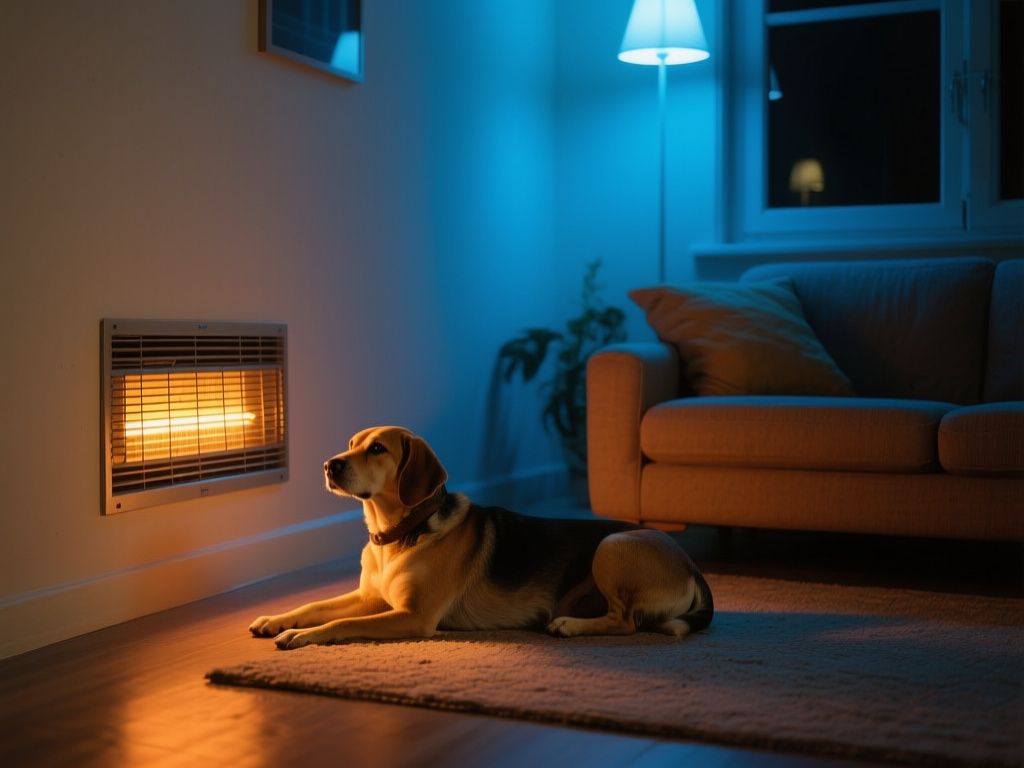
How do I tell stress panting from heat or a medical problem?
The fastest way to narrow it down is to observe three things: breathing pattern, body posture, and associated signs. There’s no single perfect indicator, but a combination usually points you in the right direction.
1) Breathing rate and pattern
Count breathing for 30 seconds when your dog is panting, then multiply by two. If your dog is breathing very fast and can’t settle, that raises concern for heat, pain, or respiratory issues. If the panting is rhythmic and your dog can reposition or relax after you reassure them, stress or mild discomfort becomes more likely.
2) Body posture
Heat and discomfort often show up through how your dog tries to move. Dogs overheated may stretch out, look for cooler spots, or change positions repeatedly. Dogs in pain may pant while staying still, holding a tense posture, or becoming reluctant to move.
3) Other clues
Look for signs that often travel with medical problems: coughing, wheezing, bluish gums, drooling with distress, vomiting, diarrhea, restlessness that looks “forced,” inability to lie down comfortably, or sudden weakness.
Could it be overheating—even if the room feels “fine”?
Overheating is a frequent culprit because what feels comfortable to a person can still be warm for a dog, especially with thick fur, shorter snouts, or limited airflow. A warm rug, a closed window, or the direction of a fan can all matter.
Also, some dogs pant more at night after daytime activity, warmer bedding, or a late meal. Even if their core temperature isn’t dangerously high, they may keep panting to stay comfortable.
Quick home checks (safe, low-effort)
- Feel the room and check bedding temperature with your hand (a thick blanket can hold heat).
- Make sure they have access to cool flooring (tile or hardwood) if they want it.
- Ensure air circulation (a fan on low can help, as long as it doesn’t blow directly in their face continuously).
- Confirm water is available and not too far from the sleeping area.
If panting improves when you cool the environment and your dog settles within 10–20 minutes, heat-related discomfort is more likely.
Could it be pain or a medical issue?
Panting at night can be a sign that your dog is uncomfortable when lying down or when certain conditions flare at rest. Pain and medical issues don’t always announce themselves in the daytime, especially with conditions that are subtle until your dog slows down.
Common medical categories linked to nighttime panting
| Possible cause | What it might look like at night | Why panting happens |
|---|---|---|
| Gastrointestinal upset (reflux, nausea) | Restlessness, lip licking, swallowing, occasional vomiting | Discomfort stimulates stress responses and breathing changes |
| Orthopedic pain (arthritis, back discomfort) | Difficulty settling, frequent position changes, stiffness | Pain increases adrenaline and muscular tension |
| Breathing/airway issues | Open-mouth breathing, wheeze, cough, extended neck posture | Reduced airflow triggers compensatory panting |
| Heart or circulation problems | Labored breathing, fatigue, coughing at night in some cases | Oxygen delivery and breathing efficiency become harder |
| Fever or infection | Warm body, low appetite, unusual quietness or agitation | Body temperature regulation drives panting |
| An endocrine issue (e.g., Cushing’s, thyroid issues) | Changes in drinking/urination, appetite, energy, or coat | Hormone changes affect metabolism and heat tolerance |
Because these causes vary a lot in severity, the practical rule is: if panting is new, frequent, escalating, or paired with any breathing trouble, you should contact a veterinarian for guidance. Nighttime is when humans sleep and dogs can’t tell us what they feel, so it’s easy for medical issues to go unnoticed.
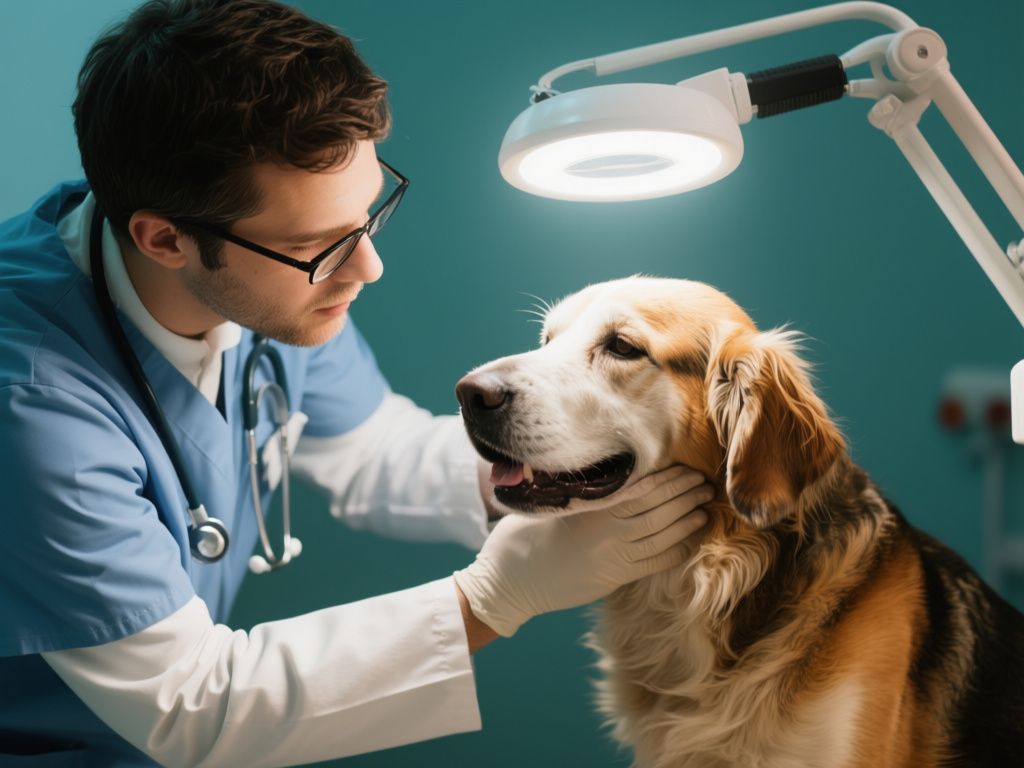
Could it be nighttime anxiety or bad dreams?
Many dogs pant when they’re stressed, even without visible danger. Nighttime anxiety can be triggered by changes in routine, new household sounds, unfamiliar visitors, fireworks/nearby events, or even something as simple as you shifting positions while sleeping.
Bad dreams and nightmares can also cause sudden wake-and-pant moments. Some dogs look startled, may whine, and can often be soothed by gentle contact.
How to spot a “stress pattern”
- Your dog seems alert but not visibly struggling to breathe.
- Panting starts suddenly and stops after reassurance or a few minutes.
- No cough, no wheeze, no vomiting, and no lasting distress after settling.
- Your dog may pace, whine, or search for you.
If the panting repeats around the same time each night, think about household schedules: lights off, HVAC turning on, a neighbor’s dog barking, or your own evening routine ending. Dogs notice patterns quickly.
What about the timing and what your dog ate or did?
Late food, treats, and exercise are common “hidden” causes of nighttime panting. A heavy meal close to bedtime can lead to reflux or nausea. Certain treats and chews can also irritate the stomach for some dogs.
Similarly, intense play in the late evening can keep adrenaline levels elevated. Some dogs “wind down” slowly and pant briefly as they transition into sleep.
A simple night log you can do for 3–5 evenings
- Bedtime and last meal time (with portion size if you track it).
- Room temperature and whether a fan/heater was on.
- Activity level in the 2 hours before bed.
- When panting started (and how long it lasted).
- Any other symptoms: restless pacing, drooling, coughing, vomiting, stiffness, whining.
This kind of log is surprisingly useful when you speak to a vet. It turns “no reason” into a pattern they can evaluate.
When should I call an emergency vet?
You should treat nighttime panting as potentially urgent if it comes with signs of breathing distress, collapse, or severe illness. Dogs can deteriorate quickly, and delayed care makes problems harder to manage.
- Blue or very pale gums
- Open-mouth breathing with obvious struggle or repeated wheezing/coughing
- Stumbling, collapse, or extreme weakness
- Repeated vomiting, severe diarrhea, or signs of severe pain (crying, guarding)
- Uncontrolled restlessness or inability to settle despite cooling and reassurance
- Panting plus a swollen belly, stretching without being able to vomit, or sudden onset after eating (possible bloat-related concerns)
If any of these show up, don’t wait until morning.
What can I do tonight to help safely?
If your dog is panting but otherwise seems stable (no obvious breathing distress, gums look normal, and they can still respond), you can try a few safe steps while you monitor closely.
- Cool the environment: offer water and move them to a cooler area with better airflow.
- Reduce triggers: dim lights, avoid loud noise, and keep other pets separated if they’re agitating your dog.
- Offer a calm check: gently feel their abdomen (don’t press hard), observe how easily they lie down, and listen for coughing.
- Skip human medications: don’t give pain relievers or sedatives unless your vet prescribed them—many are dangerous for dogs.
- Time it: write down how long the panting lasts and whether it improves after cooling and reassurance.
If panting doesn’t improve within about 20–30 minutes, repeats frequently, or comes with any red flags, contact an emergency or after-hours vet service.
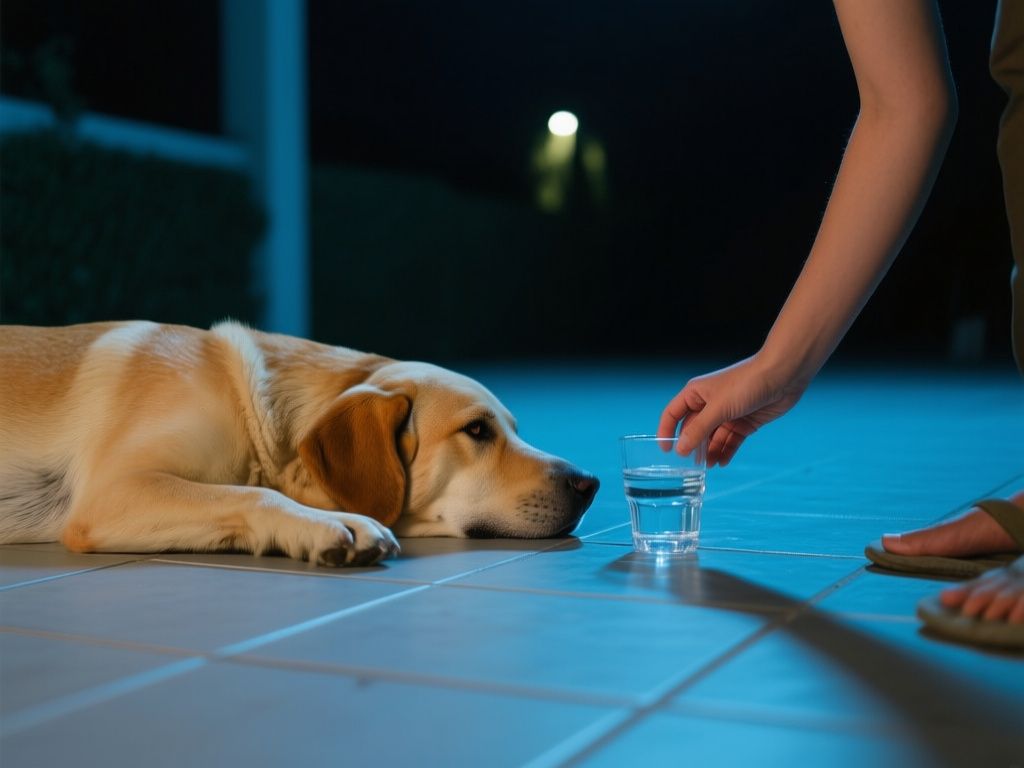
How does a vet figure out the cause?
A veterinarian’s goal is to decide whether the panting is mainly heat/stress, pain, or a medical problem involving lungs, heart, infection, endocrine issues, or digestion. They’ll usually start with a history and physical exam, then decide on tests.
Depending on what’s seen, typical next steps might include temperature checks, oxygen saturation measurement, chest and airway evaluation, bloodwork, urine testing, and sometimes X-rays or an echocardiogram if heart concerns are suspected. The specific tests vary because panting has many causes.
If your dog is actively panting during the appointment, that can help the vet observe it directly. If it only happens at home, your night log becomes more valuable.
Frequently Asked Questions
Is panting at night normal for dogs?
Some nighttime panting can be normal, especially after warm bedding, late play, or if the room is warm. Normal panting usually settles after cooling and reassurance and doesn’t come with coughing, weakness, or obvious breathing struggle.
My dog pants but seems fine otherwise—do I still need to worry?
Occasional, brief panting that resolves with environmental changes is less concerning. If it’s new, happens repeatedly, lasts longer each night, or you notice subtle changes (restlessness, reduced appetite, unusual posture), it’s worth calling a vet for advice.
Can nightmares cause panting?
Yes. Some dogs wake up from intense dreams and pant or whine briefly. If your dog can be calmed quickly and returns to sleep without other symptoms, nightmares are a reasonable possibility.
Could it be caused by anxiety or separation stress?
Stress-related panting can happen at night when routines shift or when your dog hears sounds you don’t notice. Signs that support anxiety include pacing, searching for you, and improvement after comforting. A vet can help rule out medical causes first.
What nighttime symptoms mean it might be a breathing problem?
Coughing, wheezing, extended neck posture, noisy breathing, and persistent open-mouth breathing are common red flags. If breathing looks labored or gums look pale/blue, treat it as urgent and seek care immediately.
Should I change my dog’s bedtime routine?
Often, yes. Try moving the last meal earlier (roughly 2–3 hours before bed), keep the room comfortably cool, and avoid intense activity right before sleep. Track whether these changes reduce panting over a few nights.
If you’re dealing with nighttime panting, the most helpful mindset is “watch for patterns and red flags,” because “no reason” usually means we haven’t looked at the right details yet. Start with a short night log and safe cooling tonight, and seek veterinary guidance if it persists or any breathing or pain signs appear.

Mim Creation
Writer at Helmet Today, covering helmet reviews, fit and riding safety.