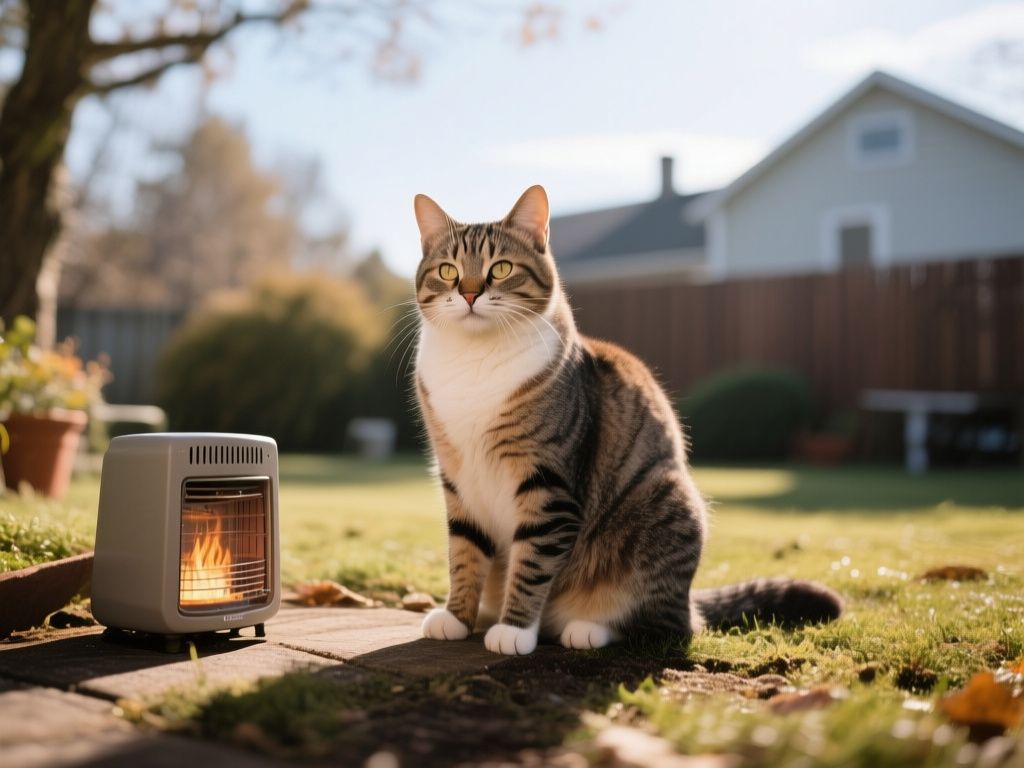
To keep outdoor cats warm without a heater, focus on wind blocking, dry insulation, and a raised, draft-free shelter. Use a sturdy insulated outdoor cat house (or DIY equivalent), add dry bedding and a heated-safe method like hot water bottles wrapped in towels, and place the shelter in a sheltered location. Check often and avoid unsafe heat sources.
Why do outdoor cats struggle in cold weather?
Outdoor cats don’t “feel the cold” the same way humans do, but they can absolutely lose heat fast—especially if wind and wetness get involved. Wind strips away warmth, and wet fur conducts heat away much faster than dry fur. Add in limited access to food (which supports energy), and cats can drop body temperature even on nights that don’t feel extreme to people.
Most people think the answer is “more warmth,” but the practical goal is better: keep the cat dry, protected from wind, and insulated. You’re trying to make a small environment where the cat can slow heat loss using its own body.
What counts as a safe “cold-weather strategy” (and what doesn’t)?
A safe cold-weather setup is one you can explain in three parts: shelter, bedding, and safe heat options. Anything else is usually where well-meaning humans accidentally cause problems—like overheating, fire risk, or burns.
Safe priorities
- Wind protection: Block drafts with walls and an entrance that limits direct exposure.
- Dry insulation: Keep bedding dry and use insulating material that still works when compressed.
- Elevate from the ground: Cold ground pulls heat away. A raised shelter helps.
- Easy access to food and water: Energy and hydration matter for thermoregulation.
Common “don’t do this” list
- Never use indoor electric heaters outdoors (shock and fire risk).
- Avoid uncovered hot surfaces (burn risk is real).
- Do not use open flames (candles, grills, etc.).
- Skip heat rocks or anything that can overheat or crack.
- Be careful with heating pads unless they’re designed for outdoor/low-risk use and kept away from chewing.
How does an outdoor cat shelter work (without a heater)?
An insulated shelter doesn’t magically “generate” heat. Instead, it reduces heat loss. Cats trap a layer of warm air close to their body, then insulated walls slow how quickly that warmth escapes.
Wind blocking is huge because heat doesn’t leave only through insulation—it also leaves through airflow. If the entrance is too open, cold air rushes in and the cat’s heat disappears fast.
Key design features that matter
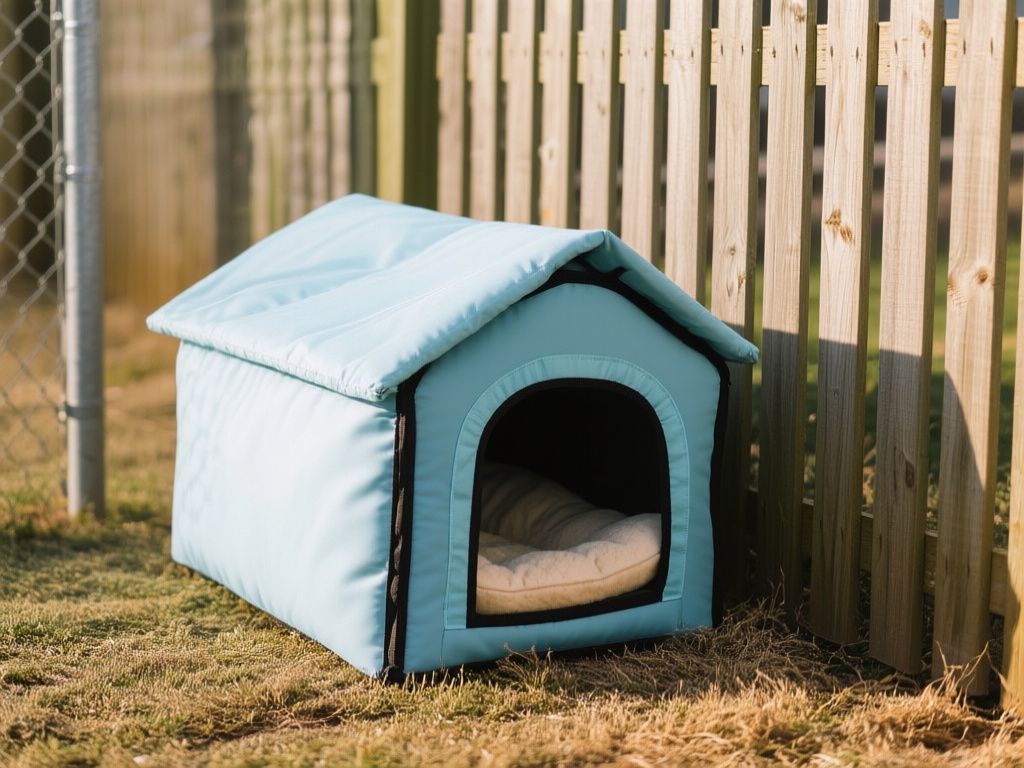
- Small entrance: If wind can blast through, you lose the game. Many shelters use a covered or partially shielded entry.
- Double-wall or insulated walls: Insulation forms the barrier between inside warmth and outside cold.
- Raised base: You want air (or insulating material) between the cat and the cold ground.
- Dry, thick bedding: Bedding is insulation. Wet bedding is basically an enemy.
What should you use for bedding?
Bedding is where most “DIY warmth” efforts succeed or fail. You want something dry, fluffy, and easy for the cat to burrow into. Start by assuming bedding will get damp—so plan to replace it regularly.
Bedding options that usually work
- Dry straw: Often used because straw doesn’t hold water like fabric does and stays insulating.
- Dry shredded paper or untreated paper products: Can help, but replace when damp.
- Old towels/blankets: Only if you can keep them dry. Damp towels chill.
- Dry leaves (in some climates): Can be helpful, but you must protect from getting packed down and wet.
How much bedding is enough?
A good rule: fill the shelter so the cat can burrow and still have a thick layer under them. Thin bedding is like wearing a hoodie with no pants—technically clothing, not enough protection.
What’s the best location for a cat shelter?
Placement is half the battle. The shelter should be sheltered from wind, not just “outside.” A spot near a wall, fence, or shrub line can reduce wind exposure. Avoid low areas where cold air pools.
If rain or snow hits sideways where you live, adjust the entrance orientation so the opening is less exposed to prevailing wind. Even small changes in wind direction can noticeably affect how cold it feels inside.
Can you DIY a warm outdoor cat shelter without electricity?
Yes. The most reliable DIY shelters follow the same principles: insulating walls, dry bedding, and a raised, draft-resistant structure. Below are two DIY approaches that are common because they use materials people can find easily.
DIY option A: insulated “bucket or bin” style (best for moderate cold)
This approach works best when you don’t get sustained extreme cold and you can keep bedding dry. Use a sturdy container as the outer shell and an insulated inner layer.
- Outer shell: A plastic storage bin or cooler with a lid.
- Insulation: Styrofoam panels or foam sheets around the inner area (avoid gaps).
- Entrance: Cut a small opening, and consider a flap or angled entry so wind can’t blow straight in.
- Raised base: Put it on bricks, wood blocks, or a small pallet so it’s not sitting on cold ground.
- Bedding: Use dry straw, then top with extra insulating bedding the cat can burrow into.
Watch for condensation. If the shelter interior stays damp, the insulation effect drops.
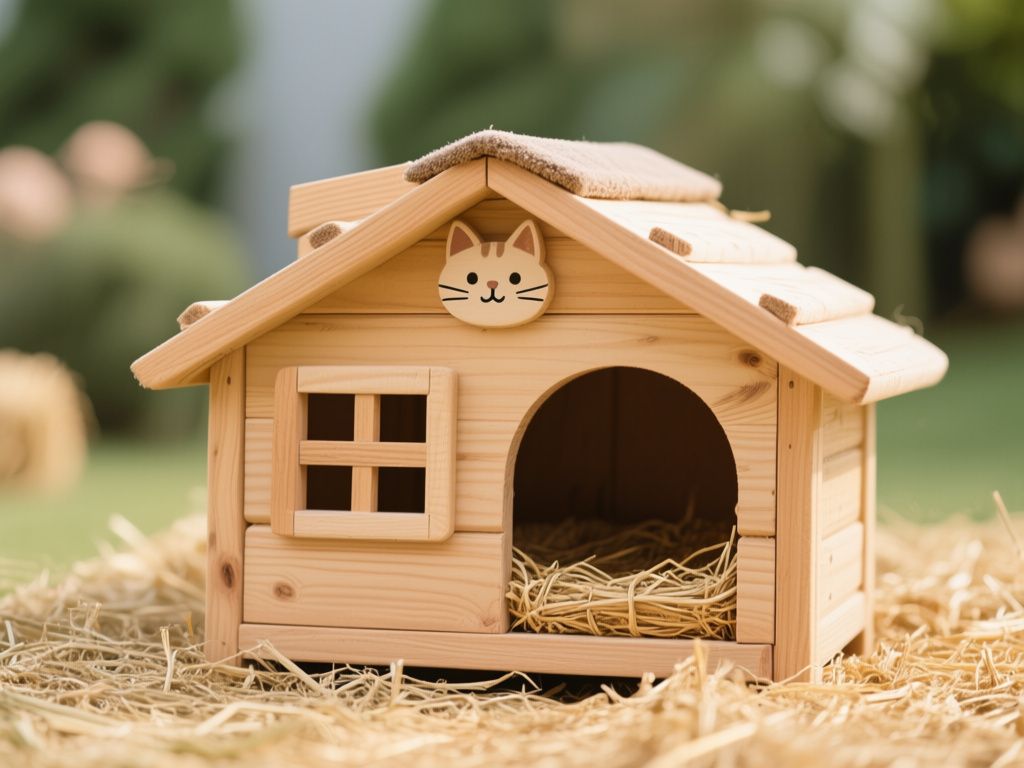
DIY option B: a small house-style shelter (best overall for cold + wind)
A little wooden shelter with insulation tends to perform better in real-world weather because it blocks wind more effectively.
- Frame: Build a small box with solid walls (even simple plywood).
- Insulation: Foam board or rigid insulation in the walls.
- Roof: A sloped or overhanging roof helps keep precipitation out.
- Entrance: Use a small opening and a sheltered “vestibule” if possible.
- Floor: Insulate the floor and raise the whole shelter off the ground.
- Bedding: Straw first, then add more dry material if needed.
This takes more work, but it’s the kind of shelter that actually survives wind and wet weather without relying on electricity.
How can you add warmth safely without a heater?
If you want extra warmth on particularly cold nights, you’re looking for a temporary, controlled source that won’t burn the cat and won’t start a fire. The safest common method (when done carefully) is using hot water in a contained, towel-wrapped “snuggle warmer.”
Hot water bottle method (careful, not careless)
Use a purpose-made hot water bottle with a secure cap. Fill it with hot (not boiling) water, wrap it in a thick towel or multiple layers of cloth, and place it inside the shelter where the cat can choose whether to be near it. You’re not trying to cook anyone; you’re offering mild radiant warmth.
- Never place a bottle directly against the cat’s skin.
- Check temperature periodically—if it feels uncomfortably hot to a human hand against the outer towel, it’s too hot.
- Keep it contained so it can’t leak.
- Remove in heavy wet conditions to avoid damp bedding and soaked textiles.
Water and energy: warm-ish routines that help
Even though a “warm heater” isn’t the plan, you can still support the cat’s ability to stay warm. Provide fresh water. In freezing conditions, water can ice over quickly, so you may need to bring water out more often or use a safe anti-freeze method designed for pets (only if you understand and follow the product directions).
Food matters because digestion creates heat. A higher-calorie meal (like a bit more dry food or a normal meal offered slightly more regularly) can help, but don’t assume food alone will solve cold nights.
What’s a realistic daily checklist for cold weather?
If you want your effort to actually work, use a simple routine. Cold weather punishes delay.
- Morning: Check bedding for dampness and replace dry material.
- Midday or evening: Confirm food and water are accessible and not frozen solid.
- Before nightfall: Ensure the shelter entrance isn’t blocked and bedding is thick enough for burrowing.
- During storms: Prioritize dry bedding and sheltered placement over adding “more warmth.”
How cold is “too cold” for outdoor cats?
There isn’t one magic temperature that applies to every cat, because fur condition, age, health, wind exposure, and shelter quality all change outcomes. A young, healthy cat with dry shelter can handle lower temps better than a senior cat with arthritis, poor fur, or illness.
That said, if you notice signs like lethargy, inability to move normally, very low energy, or repeated hiding with no response, treat that as a warning. When in doubt, contact local rescue groups or a veterinarian for guidance. Outdoor cats are resilient, but they’re not invincible.
Is this enough without any heater?
For many situations, yes—if your shelter is windproof enough, dry bedding stays dry, and the cat has food and a safe resting spot. The biggest failure mode is “insulation on paper” paired with real-world damp bedding or a drafty entrance.
In my opinion, people over-focus on adding heat. The boring stuff—raising the shelter, blocking wind, and keeping bedding dry—is what actually keeps most outdoor cats comfortable enough to survive cold nights.
Frequently Asked Questions
What bedding is best for outdoor cats in winter?
Dry straw is usually the best starting point because it insulates while resisting water absorption better than many fabrics. If you use blankets or towels, keep them dry, and replace damp bedding quickly. The goal is a thick, dry layer the cat can burrow into.
Do outdoor cats need a heater to survive freezing nights?
Not usually. Good shelters that block wind, provide insulation, and keep bedding dry can be enough for many cats. Electricity adds convenience, but it also adds risk; for many setups, you can do “heater-free warmth” effectively with smart shelter design.
Where should I place the shelter—under a porch, against a wall, or in an open area?
Place it where wind is minimized and precipitation exposure is reduced. Against a wall or fence is often better than an open area, and a slightly sheltered corner can reduce how hard gusts hit the entrance. Avoid low spots where cold air pools.
Is a hot water bottle safe for outdoor cats?
It can be, if it’s purpose-made, leak-free, towel-wrapped, and positioned so the cat can choose how close to get. Never put it directly on the cat or use anything that can leak or overheat the cat’s resting area.
How do I prevent the shelter from getting wet?
Use a sheltered placement, keep the roof and entrance protected from sideways rain or snow, and use bedding that can handle damp conditions (like straw). Check frequently after storms and replace bedding when it becomes damp or compacted.
When should I contact a rescue or veterinarian?
If a cat seems sick, severely weak, unresponsive, or unable to move normally, get help. Also contact local rescues when you can’t provide reliable shelter, or when multiple cats are struggling in the same area. Outdoor cats with health issues may need more than DIY warmth.

Mim Creation
Writer at Helmet Today, covering helmet reviews, fit and riding safety.