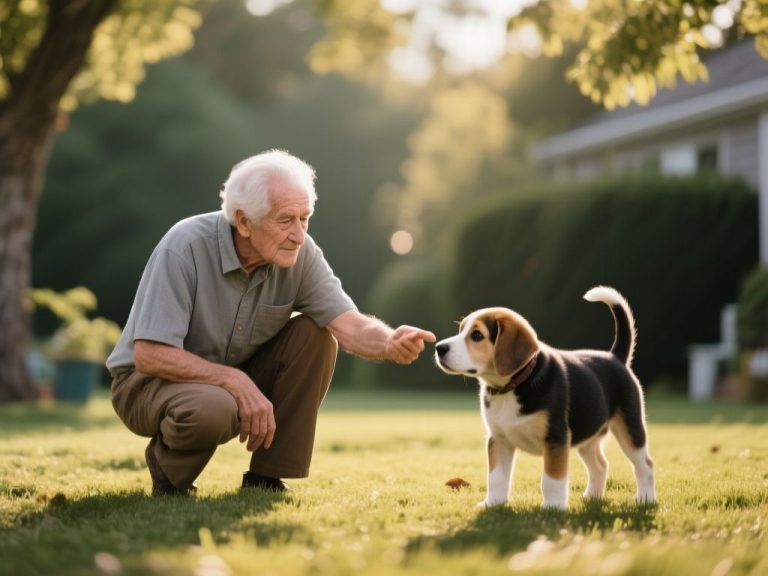
If a senior dog suddenly seems restless at night, common causes include pain (often arthritis or dental issues), anxiety, cognitive decline (dog “dementia”), frequent urination, GI discomfort, or changes in routine. Start by checking for pain and bathroom needs, then talk with a veterinarian—especially if restlessness is new or worsening.
Why does a senior dog get restless at night?
Nighttime restlessness in older dogs is usually your dog’s way of saying something changed—physically, mentally, or both. Dogs don’t talk, but their body language does show patterns: pacing, whining, difficulty settling, excessive licking, panting without heat, or waking up frequently can all point to discomfort or disorientation.
It’s also worth knowing that “suddenly” matters. If your dog has always been a good sleeper and you notice a clear change over days to weeks, that’s a stronger hint that something new is going on—like pain flaring up, a urinary problem, or the early onset of cognitive decline.
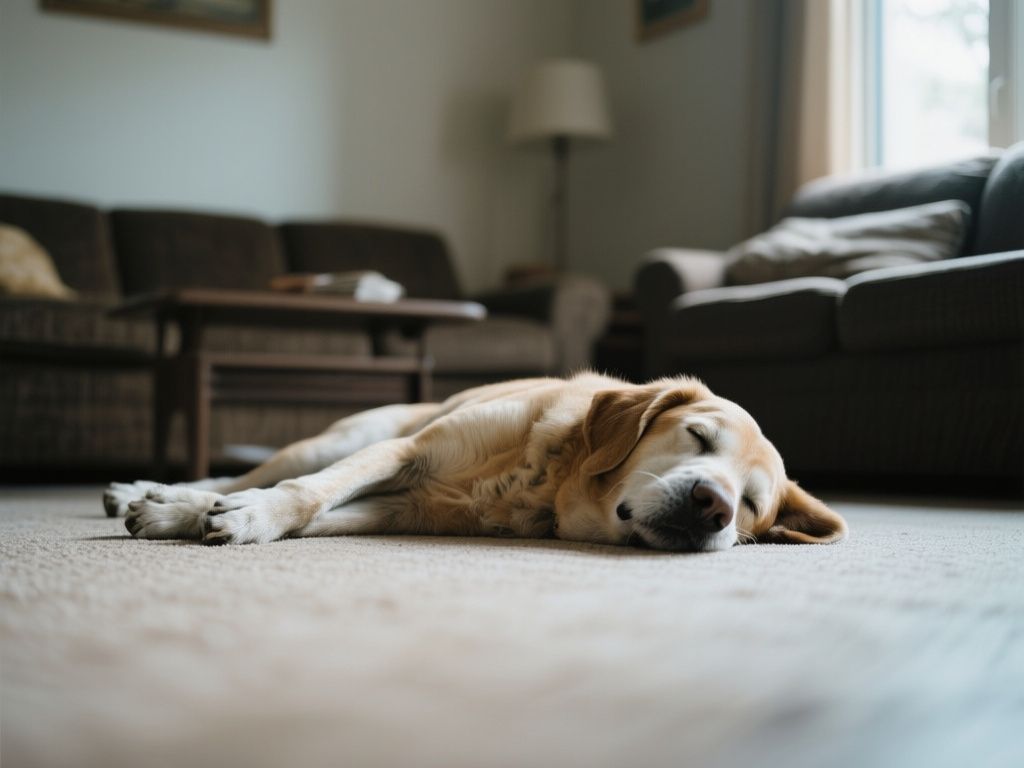
What are the most common causes?
Several conditions can make an older dog restless at night. The trick is to connect what you’re seeing (behavior) to what could be happening (medical or environmental).
1) Pain: arthritis, sore back, dental disease, or organ discomfort
Pain is one of the most frequent reasons dogs seem “wired” at night, especially with arthritis. During the day, many dogs move more, get distracted, and may settle after a walk. At night, movement slows, stiffness sets in, and your dog may feel pain more clearly—so they pace, reposition repeatedly, or can’t get comfortable.
Dental disease can also cause night restlessness. Even if your dog still eats, inflammation and tooth pain often worsen at rest. Other painful sources include ear infections, abdominal issues, and, less commonly, masses pressing on nerves or tissues.
2) Cognitive decline (“dog dementia”)
Canine Cognitive Dysfunction (CCD) is a form of age-related brain change that can resemble memory and awareness problems in people. Dogs with CCD may get stuck in cycles: wandering at night, staring into corners, getting confused about where they are, or responding differently to familiar routines.
CCD often improves somewhat with structure and a stable environment, but it usually needs veterinary guidance because other causes (pain, urinary disease) must be ruled out first.
3) Needing to urinate more often or having trouble controlling bladder
Frequent urination is a big one. When bladder function changes—due to aging, urinary tract infections, kidney issues, or hormone-related problems—older dogs may wake repeatedly to go outside, even if they didn’t previously need to. Sometimes they still strain, only pass small amounts, or lick the genital area.
Other “bathroom” issues can be GI discomfort too: constipation, diarrhea, or nausea can create restless pacing and poor sleep.
4) Anxiety and environmental triggers
Night restlessness can also come from anxiety, especially when something changed. Think: new noises (construction, fireworks, neighborhood dogs), a new pet, a change in household schedule, a moved bed, or even a shift in lighting and shadows at night.
Separation anxiety can surface or worsen with age, and some dogs become more sensitive to household routines. If your dog only seems restless when you’re asleep, that can hint at anxiety or a need for reassurance.
5) Weight, muscle loss, and stiffness
Older dogs often lose muscle mass and become less flexible. Even without dramatic “pain,” they may have trouble getting comfortable on hard floors, which leads to repeated shifting and pacing. This can be especially noticeable at night when they’re lying still for long stretches.
6) Medication side effects or withdrawal
If your dog recently started, stopped, or changed dosage of a medication (pain meds, steroids, seizure meds, thyroid meds, supplements), it could influence sleep and behavior. Some medications can increase thirst or cause GI upset; others can make dogs feel unsettled.
Don’t stop prescribed medication abruptly, but do bring it up promptly at your next vet call.
How can you tell which cause is most likely?
You can’t diagnose at home, but you can narrow the possibilities by observing timing, patterns, and accompanying signs. Here’s a practical approach you can do tonight and tomorrow morning.
Look for “pain clues”
- Repeatedly changing positions, unable to get comfortable
- Groaning, yelping, reluctance to jump down or up
- Stiff gait, especially after lying down
- Hunched posture or guarding when touched
- Less appetite or chewing less comfortably
Look for “cognitive clues”
- Pacing or wandering with no clear goal
- Staring at walls/corners, getting “lost” indoors
- More nighttime confusion than daytime
- Sleep-wake reversal (more awake at night than in the day)
Look for “urinary or GI clues”
- Urinating more frequently or in smaller amounts
- Straining, dribbling, or licking the genital area
- Accidents in the house after a period of control
- Vomiting, diarrhea, constipation, or bloating
Look for “anxiety/environment clues”
- Restlessness follows specific sounds or triggers
- Clinginess or pacing when you’re not visible
- Restlessness improves when you comfort or keep lights on
- New routine changes preceded the problem
What should you do tonight?
If your dog is restless at night, the best goal is to keep them safe, comfortable, and calm while you gather useful information for the vet.
Start with a quick safety and comfort check
- Make sure your dog can access water safely.
- Give a warm, supportive sleeping surface (a thick bed or folded blanket). Hard floors can worsen stiffness.
- Keep the environment predictable: reduce sudden light changes and avoid moving furniture at night.
- If your dog tends to slip, use a non-slip mat where they sleep and walk.
Consider a bathroom walk before bed (and be consistent)
Even if your dog just went earlier, it can help to offer a bathroom break before you sleep. If your dog wakes and wants out, take them promptly and keep the outing calm and boring—no playing, no extra stimulation. This helps you separate “needs to go” from “wants attention.”
Do a gentle pain screen
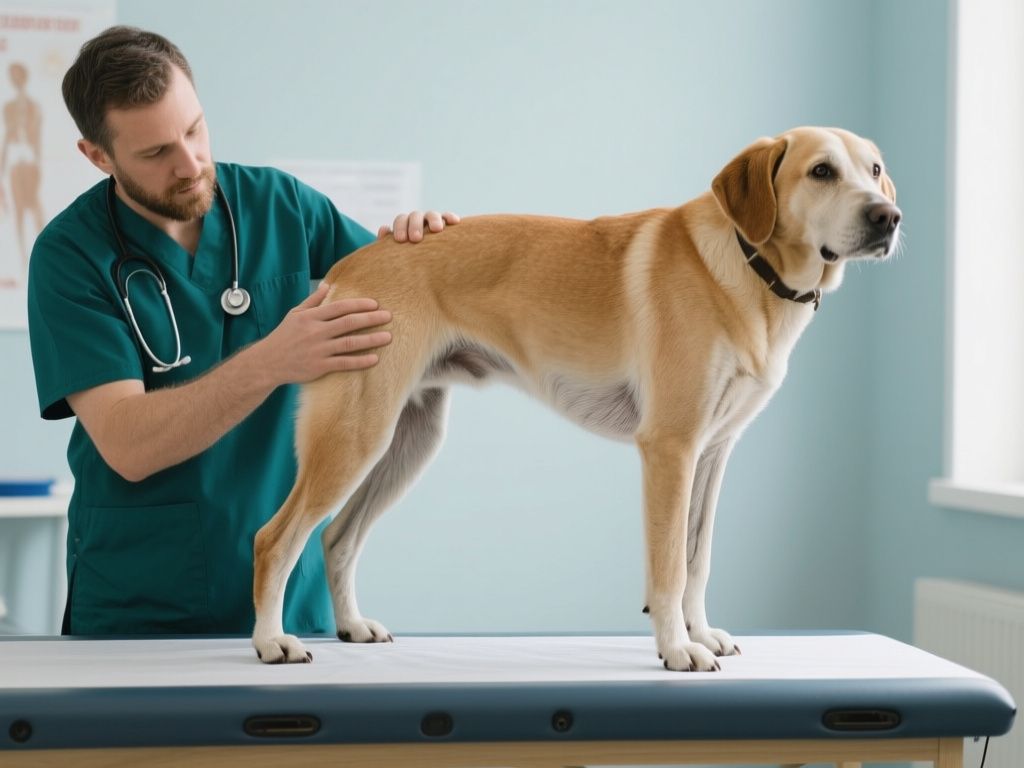
Try a slow, careful check: watch how they rise and walk, notice any trembling or guarding, and listen for discomfort. If touching a certain area clearly triggers a reaction, note it. You’re not trying to “fix” anything—just identifying where to focus the vet’s attention.
Write down a short timeline
In the morning, your vet will get more useful information if you can say: when it started, how long it lasts, how often your dog wakes, and whether there’s any bathroom accidents, panting, vomiting, or changes in appetite.

Is it an emergency?
Sometimes it is. Restlessness can signal serious discomfort, especially if it comes with other red flags. Seek urgent veterinary care if you notice any of the following:
- Difficulty breathing, extreme panting, or collapse
- Unproductive straining to urinate (possible blockage), repeated attempts with little output
- Repeated vomiting, severe diarrhea, or signs of severe abdominal pain
- Sudden weakness, inability to stand, or dragging legs
- Bleeding, black/tarry stool, or sudden extreme lethargy
- Severe disorientation plus sudden illness signs (especially if it’s rapidly worsening)
If the restlessness is new but your dog is otherwise stable, it still deserves a timely vet appointment, ideally within a few days, because many causes are treatable when caught early.
What will the veterinarian likely do?
A vet’s job is to connect behavior to causes you can’t safely identify at home. Expect questions about onset, sleep pattern, bathroom habits, appetite, thirst, medications, and any recent changes at home.
Common next steps include:
- A full physical exam, including joints, spine, teeth, and belly
- Sometimes bloodwork to check organ function and infection
- Urinalysis if urination changes are suspected
- Depending on findings, imaging (like X-rays) for arthritis or abdominal concerns
- In some cases, evaluation for cognitive dysfunction and creating a supportive plan
How is “night restlessness” treated?
Treatment depends on the cause, and that’s the key reason not to guess too long. Pain might be managed with tailored arthritis plans. Urinary issues may require antibiotics and additional bladder support. Cognitive decline is usually handled with a combination of behavior and medical management, plus environmental consistency.
Here’s how typical approaches differ by cause:
| Possible cause | What you might see | Common vet approach |
|---|---|---|
| Arthritis or pain | Stiffness after lying down, pacing, difficulty getting comfortable | Pain control plan, mobility supports, sometimes joint evaluation |
| Urinary issue | More frequent urination, accidents, straining, licking | Urinalysis, culture if needed, hydration and treatment plan |
| GI discomfort | Restlessness plus vomiting, diarrhea, constipation, reduced appetite | Exam and diet/med plan; tests if symptoms persist |
| CCD (cognitive decline) | Night wandering, confusion, sleep-wake reversal | Supportive routine and medical options; rule out other causes first |
| Anxiety | Restlessness tied to triggers or when you’re absent | Behavior plan, environmental adjustments, sometimes medication |
What you can do at home that usually helps
- Keep a consistent bedtime routine and feeding schedule.
- Offer daytime enrichment (short walks, gentle play) so nighttime energy is lower. Avoid overdoing it right before bed.
- Provide a comfortable bed with traction and warmth.
- Consider a night light if your dog seems disoriented at dark.
- For CCD-like behavior, use predictable cues (same doors, same path outside, same commands).
Home strategies won’t replace treatment when pain or infection is present, but they can reduce distress and help your dog cope while you get veterinary answers.
Can diet or supplements help?
Diet can help indirectly. If your dog is having GI upset, adjusting food type or feeding timing may reduce discomfort. For cognitive decline, some owners ask about supplements, but the best first step is still diagnosis—because a urinary infection or arthritis can look similar to “aging behavior.”
If you’re considering any supplement, run it by the vet, especially if your dog takes medication. Supplements can interact with prescriptions or mask symptoms that would otherwise prompt earlier testing.
How long should you wait before calling the vet?
If restlessness is truly new, it’s reasonable to call within 24–72 hours, particularly if it’s worsening or disrupting sleep for both you and your dog. If your dog is otherwise acting normal—eating, drinking, and eliminating normally—still set a plan to check in soon, because some problems (like early urinary infections or pain flares) can start subtly.
Waiting too long can make some conditions harder to treat, and it can also increase stress for your dog if the discomfort continues nightly.
Frequently Asked Questions
Is it normal for a senior dog to be restless at night?
A little change can happen with age, but “normal” is a narrow label. If the restlessness is clearly new or worsening, it usually means something specific is bothering your dog—pain, bladder or digestive issues, anxiety triggers, or cognitive decline.
How can I tell if it’s pain or anxiety?
Pain clues often include stiffness after resting, reluctance to move, guarding when touched, and repeated attempts to find a comfortable position. Anxiety clues often connect to specific triggers or situations and may improve quickly with reassurance, lights, or predictable routines.
What should I check first if my dog wakes up repeatedly?
First, check bathroom needs: offer a calm potty break and watch for straining, small frequent amounts, or accidents. Next, do a quick comfort check—does your dog rise stiffly, limp, or show discomfort when walking? Those two areas account for many nighttime changes.
Could dog dementia cause night pacing?
Yes. Cognitive dysfunction commonly leads to nighttime wandering and confusion, including sleep-wake reversal. That said, it’s a diagnosis of “most likely after ruling out medical causes,” so a vet evaluation is important.
Should I give my dog pain medication made for humans?
No. Many common human pain relievers can be dangerous for dogs, sometimes causing kidney failure or bleeding. Only give pain medication if it’s prescribed (or explicitly approved) by your veterinarian.
What information will help my vet most?
Bring a short timeline: when the restlessness started, how often your dog wakes, and whether there are bathroom accidents or changes in urination or stool. Also list all medications and supplements, plus any recent home changes (routine, new pet, loud noises).
If you take just one practical step, make it this: document the pattern for a couple of nights and schedule a vet visit, because the fastest path to relief is matching the behavior to the right medical cause.

Mim Creation
Writer at Helmet Today, covering helmet reviews, fit and riding safety.