Most puppies need to pee or poop about once every hour for each month of age (plus a little slack), so a 2-month-old often needs breaks about every 2 hours. For poop, it may be sooner—often within 15–30 minutes after eating, waking, or play.
How many potty breaks does a puppy need by age?
A good rule of thumb is: puppies usually need to relieve themselves about once per hour for each month of age while they’re awake. That “hour-per-month” guideline helps you plan a realistic schedule without assuming they can hold it like an adult dog.
But it’s only a starting point. Breed size, the puppy’s individual bladder capacity, diet, excitement level, and how consistently you’re timing breaks all affect how often you’ll see accidents. Still, most new puppy homes find this rule reduces guessing and helps create fast, reliable routines.
What does “potty break” mean for puppies?
A potty break is a short, predictable opportunity to pee and/or poop in the right spot, followed by immediate praise and rewards if they go. Many families accidentally train “vague outings” instead of “successful trips.” The difference is that you keep the trip short, minimize distractions, and wait long enough for a potty moment to happen.
For planning, you can think of potty breaks in two categories:
- Bathroom opportunities: times you take your puppy outside (or to a designated indoor spot) to give them the chance to go.
- Accident prevention: the times between opportunities when your puppy should be supervised or safely contained, because puppies often can’t “hold it” long enough.
How does the “one hour per month” rule work?
The “one hour per month” rule is a practical estimate of bladder control based on age. A puppy’s body is still developing the ability to hold urine and coordinate bowel movements. Younger puppies simply need more frequent chances to go.
If you use the rule as a planning guide, a 3-month-old typically needs an opportunity about every 3 hours while awake. Many puppies still do best with small extra breaks around meals, naps, waking up, and after play—because those are common “launch points” for needing the bathroom.
How often should you take a puppy outside by age?
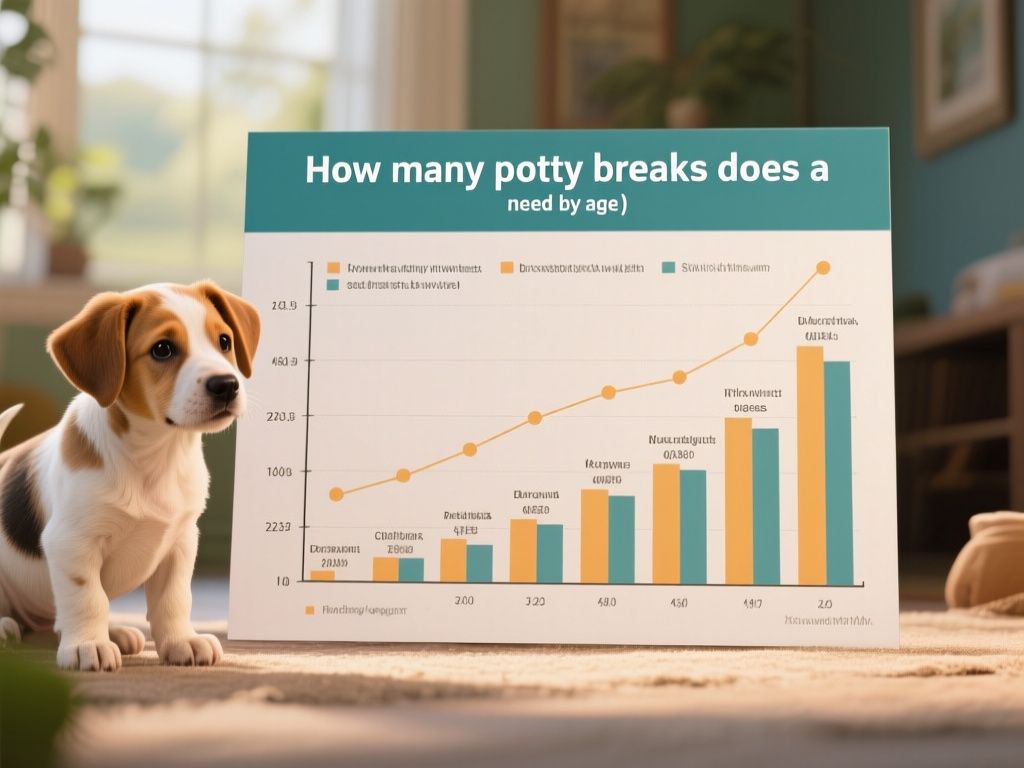
Below is a schedule-style chart you can use to set expectations. The numbers are “typical bathroom opportunities while awake,” not a guarantee. If your puppy is having frequent accidents, tighten the schedule rather than giving up.
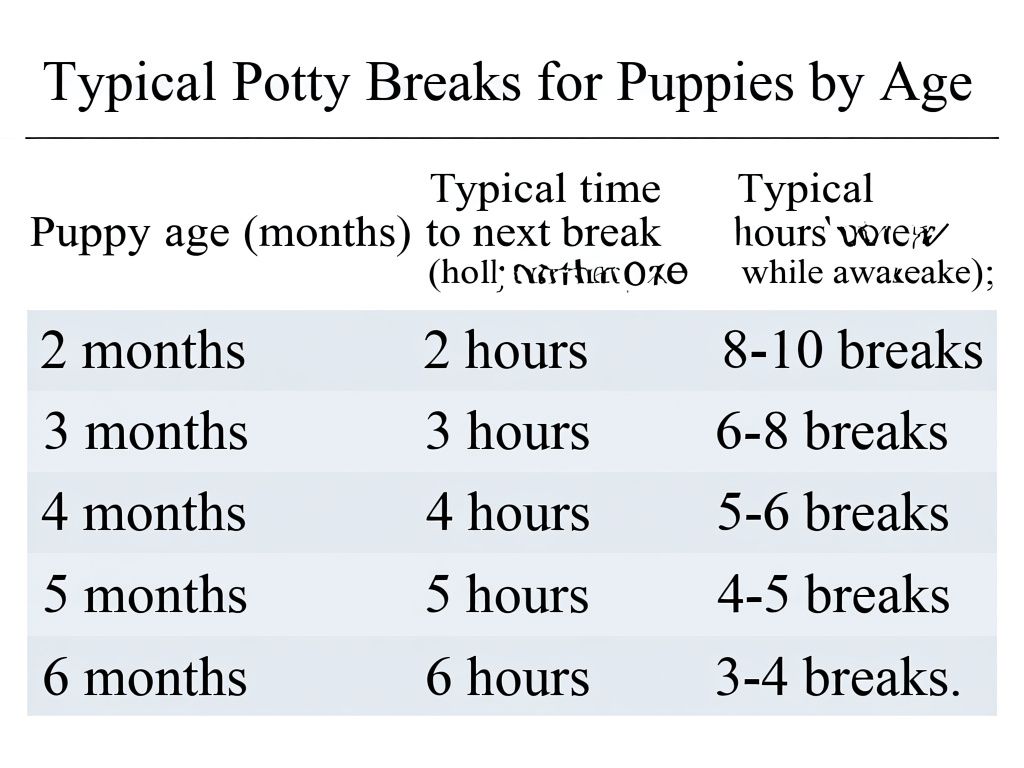
| Puppy age (months) | Typical time to next break (hours while awake) | Typical breaks per day while awake |
|---|---|---|
| 2 months | About every 2 hours | 8–10 |
| 3 months | About every 3 hours | 6–8 |
| 4 months | About every 4 hours | 5–6 |
| 5 months | About every 5 hours | 4–5 |
| 6 months | About every 6 hours | 3–4 |
What about puppies younger than 2 months?
For very young puppies, the “hour-per-month” idea becomes extremely frequent, and families often end up with schedules closer to every 30–90 minutes while awake. That’s not a failure—it’s just the reality of development and small bladders.
If your puppy is under 8 weeks old, you’ll likely need a combination of frequent potty trips, very close supervision, and occasional management (like a playpen or crate) so accidents don’t become “practice.”
When are the most common times a puppy needs to go?
Even with an age-based schedule, puppies often have predictable bathroom triggers. If you build these into your routine, you’ll usually see fewer accidents and faster learning.
- Right after waking up from a nap or overnight sleep.
- 15–30 minutes after eating or drinking (especially meals and milk replacer for very young puppies).
- After play sessions, zoomies, or exciting greetings.
- After training sessions or any intense attention (puppies get “wired,” then need to potty).
- Before bed and during the night for younger puppies.
How do night potty breaks change with age?
Nighttime is different from daytime because puppies sleep in shorter stretches and bladder control is still maturing. Many families use a simple approach: if your puppy is under about 4 months, plan on at least one nighttime potty trip; if they’re older and reliably dry, you can gradually reduce nighttime visits.
There’s no single perfect number of night breaks. Some puppies will need none at 6 months; others need one at 8–10 months. The best “rule” is consistency and learning signals: if your puppy wakes, paces, whines, or sniffs urgently, treat it as communication and take them out promptly.
Is the chart enough, or do you need a method?
The chart helps you set the baseline, but successful potty training usually comes from a method: schedule + timing + management + rewards. Think of it like learning a new routine. Your puppy needs repetition and clear feedback, not just occasional chances.
Use a simple routine loop
A practical loop that works well for most homes looks like this:
- Take your puppy outside (or to the designated indoor potty area) right after a known trigger (wake-up, meal, play, or schedule time).
- Wait quietly until they go. Keep distractions low and stay patient.
- Once they pee or poop, praise calmly and offer a small treat right away.
- Bring them back in to rest, play, or train briefly—then watch closely for the next trigger.
Prevent accidents in the “in-between” time
If a puppy is having frequent accidents, the schedule is probably too loose, not the training. Puppies often can’t signal clearly in time, especially when they’re young or overstimulated.
To prevent accidents while you tighten the schedule, many people use:
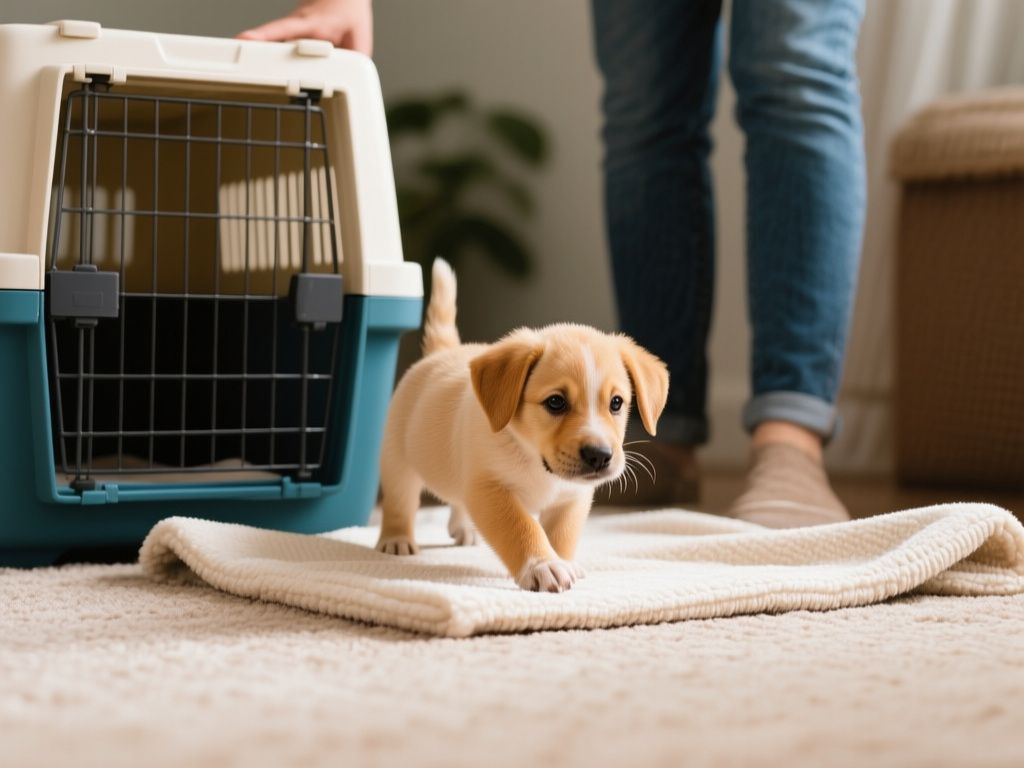
- Crate or playpen time when you can’t watch closely.
- Leash supervision inside (“follow me” mode) so you can notice sniffing, circling, or sudden stillness.
- Limiting water access right before you expect a long stretch—without dehydration. Offer water earlier in the evening and adjust based on your puppy’s needs.
How long will it take before potty breaks get less frequent?
Potty training progress is not linear. You’ll often see improvements within 1–2 weeks of consistent routines, but regressions happen—especially during growth spurts, new environments, changes in diet, or stressful events like visitors.
Most puppies move toward fewer daytime breaks gradually. A typical pattern is:
- You start with short intervals based on age.
- You reduce the gap only after your puppy goes consistently for several days.
- If accidents rise, you tighten again for a few days and then try lengthening later.
What if my puppy is having accidents despite following the chart?
Accidents usually mean one of three things: the timing is off, the environment isn’t helping, or there’s an underlying issue. Timing is the most common. Puppies may need breaks sooner than expected right after meals, after a new toy arrives, or during excitement.
Environment matters too. Some puppies won’t potty outside if they’re distracted, cold, wet, or anxious about surfaces. You can make outdoor breaks more consistent by using the same route, giving the same cue phrase, and keeping the trip calm.
Finally, health issues can show up as “potty problems.” If a puppy is having diarrhea, straining, frequent small pees, blood in urine or stool, or seems painful, contact a veterinarian. Age-based schedules won’t fix that.
Quick reference: typical potty break plan by day
If you’re setting a schedule for the first week, focus on consistency rather than perfection. Here’s a realistic example structure you can copy and adjust:
- Start with the chart’s baseline interval for your puppy’s age.
- Add extra potty trips after meals, after waking, and after play.
- Keep “outings” short and goal-focused. Don’t turn potty time into a long, distracting walk.
- Reward immediately after successful elimination.
Frequently Asked Questions
How often should I take my puppy out at 8 weeks (2 months)?
At around 2 months, a common starting point is about every 2 hours while awake, plus trips right after waking, eating, and play. If accidents happen, move to every 60–90 minutes for a few days and then stretch the interval again as your puppy improves.
Should I follow the chart even if my puppy seems “fine”?
Puppies often feel fine right up until they don’t. They may not reliably signal in time, especially when they’re young. Following the chart’s timing helps you catch the moments when they’re likely to need to go before accidents happen.
How many times should my puppy poop compared to pee?
Pee schedules often look slightly longer than poop schedules, because bowel movements can happen soon after eating, drinking, or waking. Many puppies poop multiple times per day—sometimes soon after meals—so plan extra potty opportunities around those triggers.
What if my puppy has accidents only indoors?
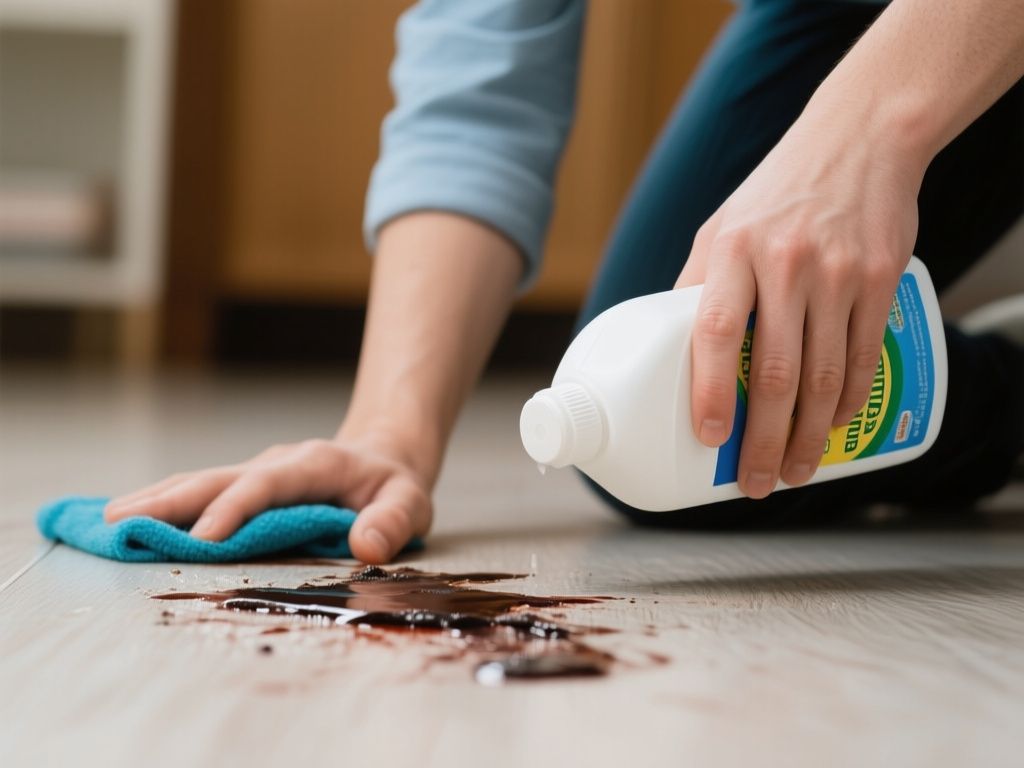
Indoor-only accidents often mean the timing is too slow, the puppy isn’t being managed closely enough, or they’re not learning that elimination belongs in the right place. Tighten potty intervals, increase supervision, and keep cleanup thorough with an enzymatic cleaner so scent doesn’t attract repeat accidents.
Do I need to wake up for night potty breaks?
Many puppies under about 4 months need at least one nighttime potty opportunity. Older puppies may sleep through if they’ve learned to hold it and you’re managing evening water and bedtime routine—still, respond promptly if they wake and show bathroom cues.
When should I call a veterinarian about potty issues?
Call a veterinarian if your puppy has diarrhea that lasts, blood in urine or stool, repeated straining, very frequent small pees with discomfort, or sudden changes that don’t match your schedule. Those can indicate infection, parasites, or other health problems that need treatment.
Bottom line
Use the age-based chart as a baseline, but treat meals, waking, and play as “extra checkpoint” times. With consistent timing and prevention between outings, most puppies quickly learn a rhythm—and your potty break count drops day by day.

Mim Creation
Writer at Helmet Today, covering helmet reviews, fit and riding safety.