
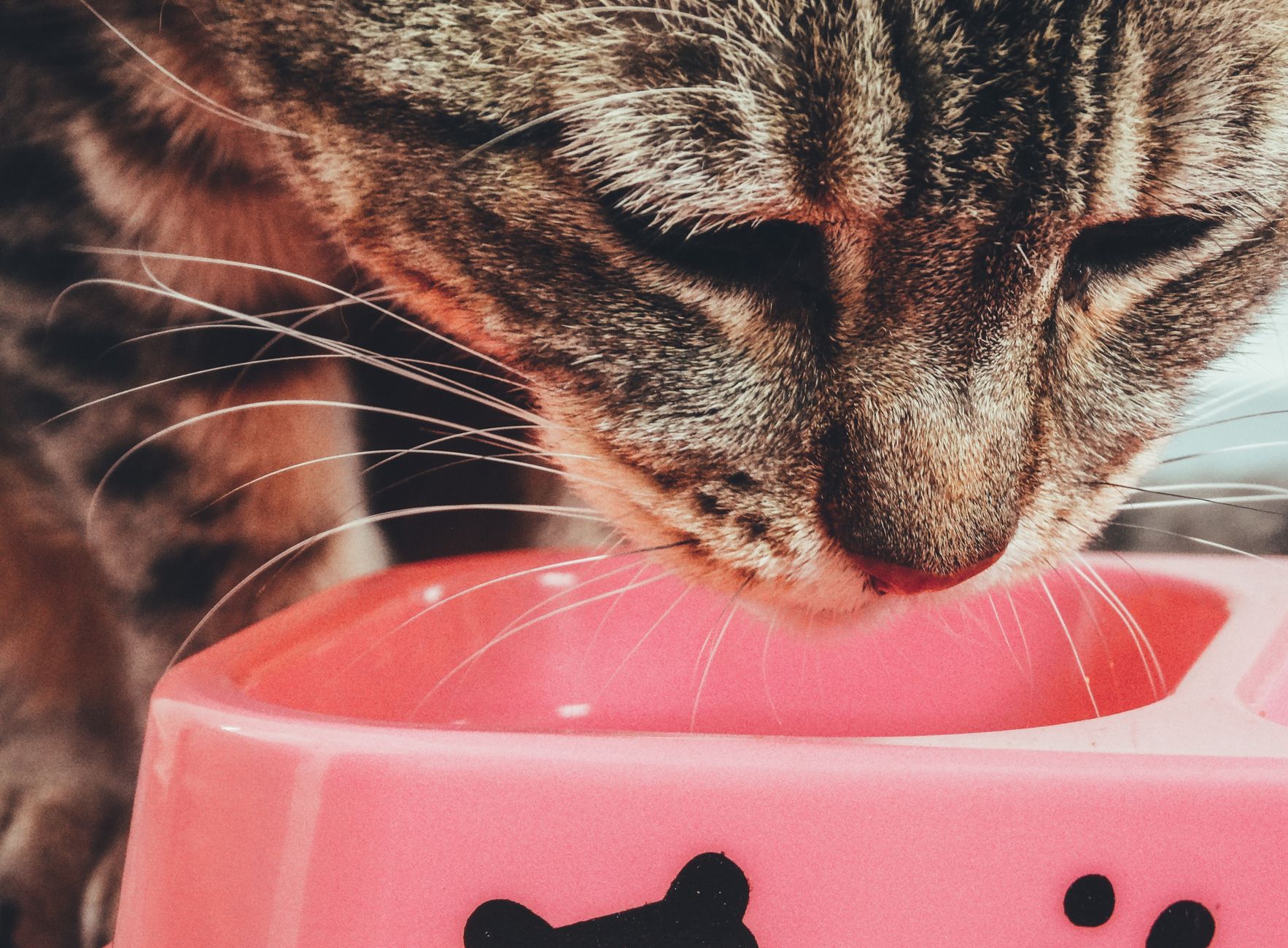
Food and water bowls for cats should be chosen around two practical needs: safe materials (no leaching, easy cleaning) and the way your cat actually eats and drinks (shape, depth, drinking style). Before buying, check material, size, stability, dishwasher compatibility, and whether you need features like a raised stand or a non-slip base.
What should you check first before buying a cat food or water bowl?
The first decision is not “ceramic vs. plastic”—it’s how the bowl will live in your routine. Cats are picky about smell and texture, and bowls that are hard to scrub (or scratch easily) can hold odors that linger even after washing. So start with three questions: Can you clean it thoroughly every day? Will it stay stable on your floor? And is it made from a material that won’t break down over time?
Then think like your cat. Does your cat tend to eat quickly and get “messy” around the chin? Do they drink with their nose in the bowl or more like they lap from the edge? Are they long-haired and prone to whisker brush? Those details matter because bowl shape and depth directly affect comfort and splashing.
Which bowl materials are safest and easiest to live with?
For most households, stainless steel, ceramic, and food-safe glass are the most reliable materials. The “best” choice depends on whether you value durability, odor resistance, and dishwasher cleaning.
Is stainless steel the default best choice?
Stainless steel is usually the go-to because it resists staining and doesn’t absorb smells. It also tends to tolerate daily washing and regular dishwasher cycles better than many coated options. If you’ve had plastic bowls that get cloudy or smell “stuck,” steel is often the upgrade that fixes the problem.
One practical tip: choose a heavier gauge bowl with a good rim. Lightweight bowls can slide around, which some cats hate, especially if they’re already protective of their eating area.
Are ceramic bowls worth it?
Ceramic can be excellent, especially if it’s glazed (the glaze is what prevents absorption). Glazed ceramic is typically smooth, easy to clean, and feels substantial. The catch is that ceramic can chip if dropped, and chips create microscopic roughness where residue collects.
If you already have cats that knock bowls around, ceramic might still work—just make sure the bowl is thick and the glaze looks intact all around.
What about plastic bowls?
Plastic is common and inexpensive, but it has a bigger downside: it can scratch. Once plastic gets fine scratches, it can trap odor and bacteria biofilm in ways that are hard to eliminate completely. If you use plastic, consider replacing bowls more frequently and don’t rely on quick rinses.
Also, avoid “unknown” plastics that don’t state food-safe use. When in doubt, choose steel, ceramic, or glass.
Does glass make sense?
Glass is non-porous like steel, so it typically resists odors. It’s also easy to see residue and grime. The limitation is breakage risk. If you’re shopping for a cat household where bowls sometimes get batted or dropped, glass may be less practical than stainless.
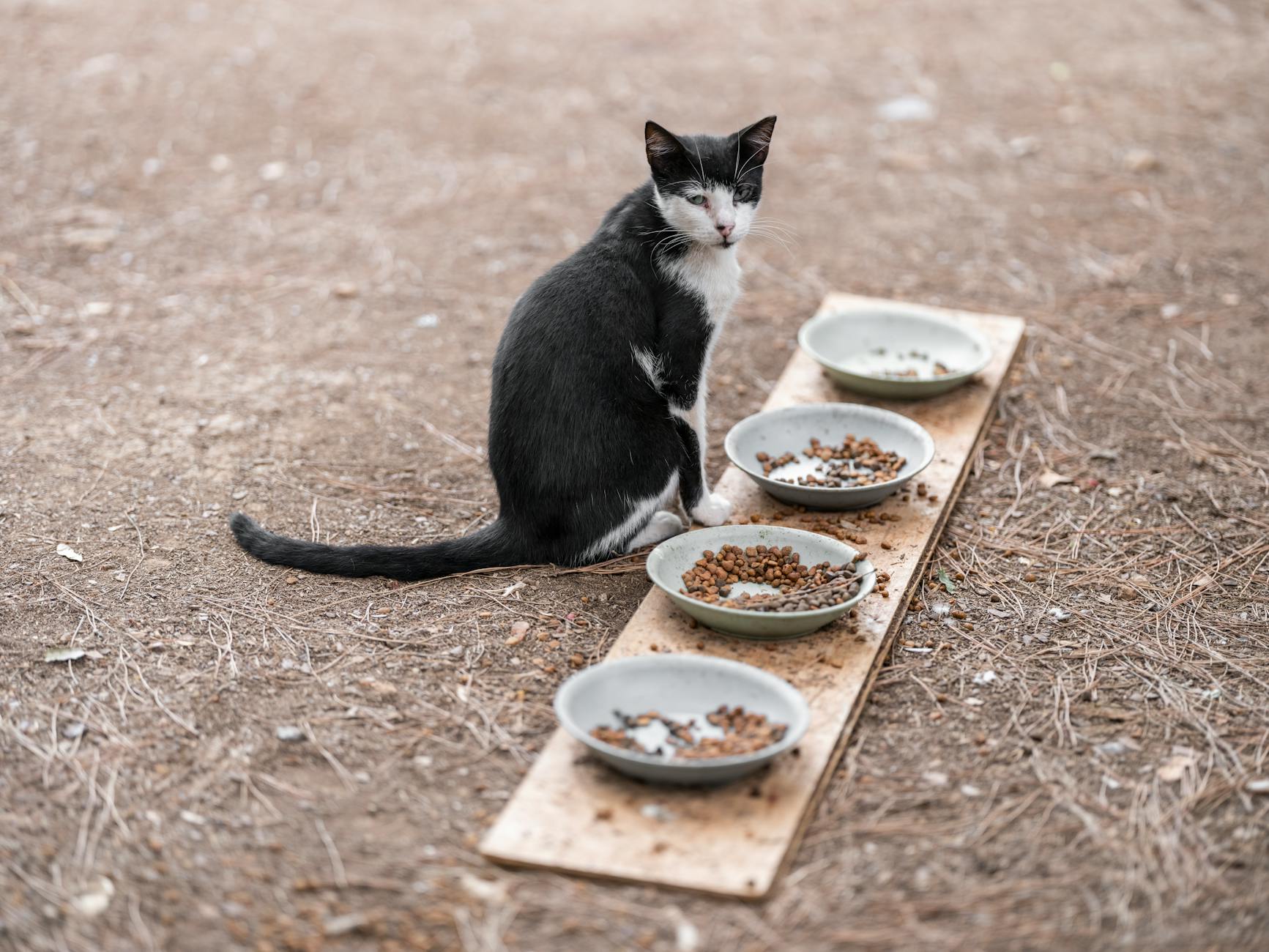
Photo by Engin Akyurt on Pexels
How do size and depth affect how your cat eats and drinks?
Bowl dimensions change behavior in small but noticeable ways. A bowl that’s too shallow can splash water everywhere. A bowl that’s too deep can be uncomfortable for smaller cats to lap efficiently, especially with thicker whiskers. And a bowl that’s too narrow can crowd the cat’s face, leading to “whisker fatigue.”
What size should you buy?
Use your current bowl as a reference and measure capacity (or at least diameter). A practical rule: your cat should have enough room to eat without pressing whiskers against the sides. For dry food, a wider surface can help slower eaters spread kibble naturally. For wet food, you want a bowl that allows easy stirring and spooning—especially if you’re feeding multiple times a day.
For water, larger surface area encourages drinking and reduces “stagnant corners.” Still, don’t go huge if your water station is small or if your cat splashes.
How deep is “too deep”?
Deep bowls can be fine for many cats, but some cats prefer medium depth because it reduces effort to reach the water. If you notice your cat’s posture looks strained or they avoid the bowl, try a shallower option. This is especially relevant for kittens and smaller cats.
Do you need a raised stand for feeding?
A raised feeding station can help some cats, especially seniors with arthritis-like stiffness or cats that struggle with low bowls. But it’s not a universal win. Some cats adjust quickly; others hate the change in height.
One detail many people miss: a stand changes where the bowl sits relative to your cat’s body. If the bowl is too high, your cat may strain upward. If it’s too low, you haven’t improved anything.
If you’re considering a stand, start with a modest height, watch how your cat eats, and keep the stand stable so the whole setup doesn’t wobble.

How does bowl design affect whiskers, mess, and hygiene?
Cat whiskers (the long facial hairs) are sensitive. When the whiskers brush the bowl edge repeatedly, some cats eat slower or avoid certain bowls. That’s not “picky behavior” so much as sensory comfort.
Should you buy a wide “whisker-friendly” bowl?
Wide bowls with enough internal space are often more comfortable for cats that show whisker sensitivity. Look for a bowl with a broad diameter and a rim that isn’t too high. In practice, you’ll notice less chin-smearing and fewer “refusal” moments.
What about anti-splash rims or curved designs?
For water, anti-splash rims can reduce puddles. However, some cats dislike restricted lapping if the rim design is too narrow or creates odd surface tension. If your goal is to keep floors dry, anti-splash features can help, but it’s worth observing your cat for a day or two after switching.
Does a mat or base matter?
Even a great bowl becomes annoying if it slides or makes a loud scrape. Non-slip bases (or pairing with a stable placemat designed for feeding areas) reduce stress and spills. Just make sure the mat is easy to wash—mat surfaces can become a grime trap if they’re textured or porous.
Cleaning and dishwasher compatibility: what to look for
Buying the “nice” bowl doesn’t matter if you can’t clean it properly. Daily food bowls should be washed with warm water and pet-safe dish soap (plain dish soap without heavy fragrance is usually best). Water bowls need frequent cleaning too, especially if you have hard water or indoor dust.
Can you use a dishwasher?
Many stainless steel bowls are dishwasher-safe. Glazed ceramic is often dishwasher-safe as well, but always check the product guidance—some glazes can fade or chip after repeated heat cycles. Plastic bowls may warp in a dishwasher, and scratched plastic tends to worsen over time.
Here’s the practical approach: if you want dishwasher convenience, buy dishwasher-safe material and schedule a consistent wash routine. If you hand-wash, choose smooth materials that don’t get permanently cloudy.
How do you handle stubborn residue and odor?
For food bowls, a weekly deeper clean helps: hot water plus a gentle scrubbing tool (like a dedicated bottle brush) for corners and seams. If you have a water bowl that gets mineral deposits, soaking in a safe descaling solution or vinegar (used carefully) can help. Always rinse thoroughly and let the bowl dry completely.
If a bowl ever develops a persistent smell even after scrubbing, replace it rather than hoping it will “go away.” That smell often indicates residues that can build up in tiny surface defects.
| Material | Strengths | Potential downsides | Who it suits best |
|---|---|---|---|
| Stainless steel | Low odor retention, generally dishwasher-friendly, durable | Can be noisy if it slides; quality varies by thickness | Most cat households |
| Ceramic (glazed) | Feels stable, smooth when intact, good for daily cleaning | Can chip; chipped glaze can trap residue | Cats that prefer heavier bowls |
| Glass | Non-porous, easy to see residue | Breakable if dropped | Careful setups, low-knock households |
| Plastic | Lightweight, cheap | Scratches can trap odor; may warp | Short-term use or fast replacement cycles |
Food bowls vs. water bowls: do you buy them differently?
Yes, and your shopping should reflect the job each bowl does. Food bowls primarily need to handle residue from wet food and grease from kibble, while water bowls need to support steady hydration and resist grime buildup.
For water, freshness matters. A bowl that gets a thin film or smells “stale” can reduce drinking, especially for cats that prefer clean water. Many owners end up with better results by washing water bowls more frequently than food bowls, even if that means rinsing daily and washing fully on a regular schedule.
Should you separate feeding areas from water?
Many cats prefer water away from where they eat, and it can also reduce contamination if a cat eats messily. If your cat knocks water into the food area, it’s not just messy—it can encourage wet food spoilage. Use a stable layout and consider a small barrier mat or dedicated station.
How to choose features without overpaying
You’ll see “slow feeder” designs, elevated bowls, and fancy materials marketed constantly. A lot of these features are useful, but not all are necessary.
A slow feeder can help if your cat gobbles and then regurgitates or seems frantic. But if the slow feeder design is too complex, it can become harder to clean and more likely to trap food particles. If you go this route, prioritize designs you can reach fully with a sponge or brush.
Similarly, anti-splash features for water are great when they work for your cat, but don’t assume they’re universally loved. Cats adapt, but some refuse a new water edge if it changes how they lap.
Is it worth buying multiple bowls?
It can be, especially if you’re serious about hygiene and have a busy routine. Having a backup bowl means you can swap while one is washing and drying. This is especially helpful for water bowls, which benefit from frequent cleaning. For wet food, backups also help you keep one bowl dedicated to each cat if you have multiple cats.
Frequently Asked Questions
Are stainless steel cat bowls always safe?
In general, stainless steel bowls are safe when they’re made for food use and aren’t coated with unknown materials. Choose bowls that look clean and smooth, and avoid ones that rust or have rough weld seams. If you see corrosion after normal washing, replace them.
How often should I wash my cat’s water bowl?
A good baseline is to rinse daily and wash thoroughly on a regular schedule—often every day or every other day in busy households. If you notice film, odor, or reduced drinking, increase cleaning frequency immediately. Water bowls gather residue faster than many people expect.
Will a dishwasher ruin my cat bowls?
It depends on the material and the manufacturer’s guidance. Stainless steel usually holds up well. Glazed ceramic is often dishwasher-safe but can chip over time, and plastic can warp or scratch. When in doubt, hand-wash the bowl that shows wear fastest.
What causes “whisker fatigue” with cat bowls?
Whisker fatigue happens when a cat’s whiskers repeatedly touch the bowl rim or sides while eating or drinking. It can make a cat pause mid-meal, eat slower, or avoid a particular bowl entirely. Switching to a wider, more shallow design often fixes it quickly.
Do raised bowls improve digestion?
Raised bowls can improve comfort for cats with stiffness, but they don’t automatically “improve digestion” for every cat. The bigger benefit is ergonomic—reducing strain on the neck and shoulders if your cat prefers that posture. Keep the height modest and watch for normal eating behavior.
How do I know when to replace a bowl?
Replace a bowl if it becomes scratched and holds odor, if ceramic chips, or if you see persistent residue that won’t scrub out. Also replace bowls that rock or crack, because stability affects how comfortably your cat eats. When hygiene and fit degrade, it’s not worth trying to “make it work” longer.
If you only change one thing when shopping, prioritize a smooth, non-porous material you can clean daily (often stainless steel or intact glazed ceramic) and match bowl depth and width to your cat’s whisker comfort—because those two choices usually solve more problems than fancy extras.

Mim Creation
Writer at Helmet Today, covering helmet reviews, fit and riding safety.
Pingback: Why Is My Betta Fish Sleeping On A Plant? Proven Reasons Explained
Pingback: Why Is My Betta Fish Resting On The Bottom? Causes And What To Do
Pingback: Why Is My Betta Fish Staying At The Bottom? Causes And What To Do
Pingback: Why Is My Betta Fish Swimming Vertically? Causes And What To Do