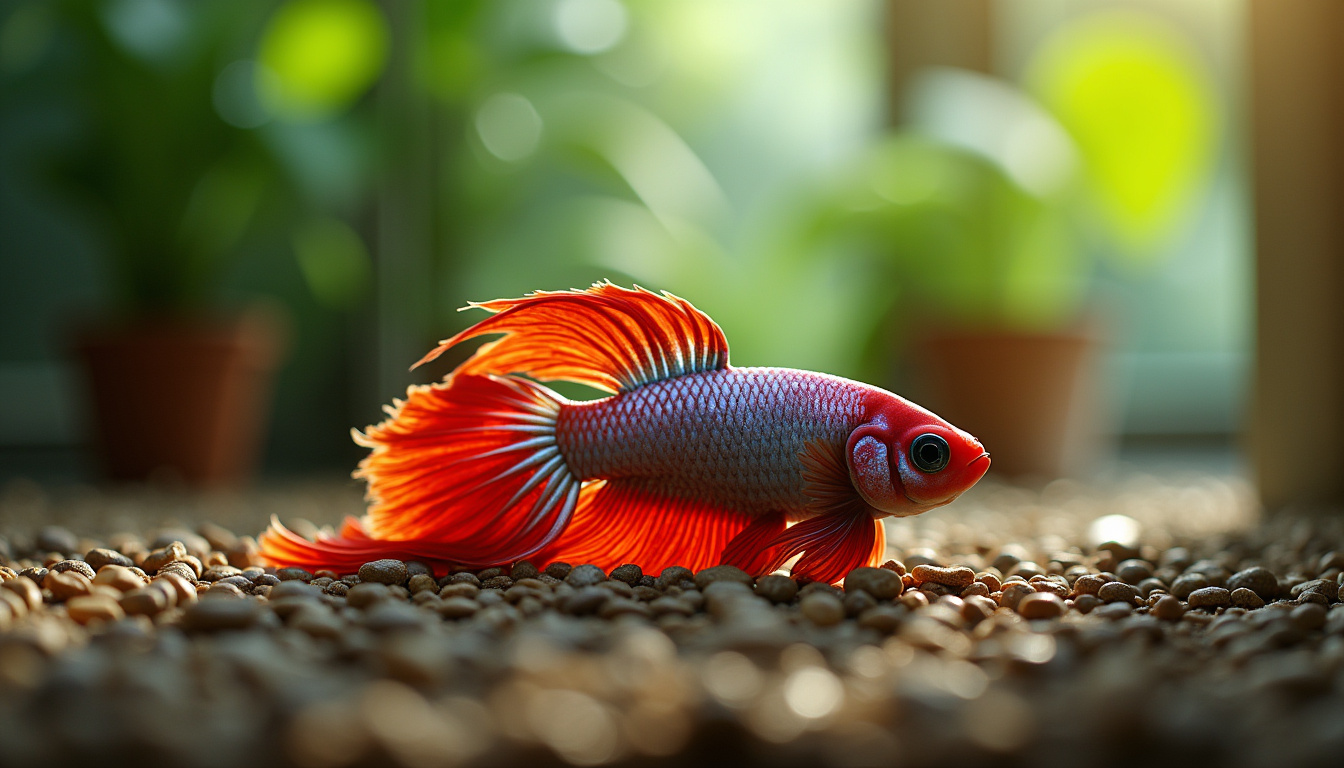
A betta resting on the bottom can look alarming, especially if it stays there whenever you approach the tank. Sometimes, though, the fish is simply sleeping or taking a break. Older bettas may also slow down and rest more often. The concern starts when bottom-resting is constant or appears alongside poor appetite, unusual breathing, clamped fins, faded color, or little response to movement. Those changes can point to stress, poor water quality, an unsuitable tank setup, or betta fish illness. This guide covers everything about Why Is My Betta Fish Resting On The Bottom that matters.
Start by watching the pattern rather than judging one quiet moment. Check whether your betta becomes active during feeding, inspect the water and equipment, and make sure the tank offers clean water, gentle flow, and places to rest or hide. A cramped or bare setup can leave a betta exhausted from swimming, while sudden changes can increase stress. This guide explains the common causes of bottom-resting and the practical steps to take, so you can tell normal rest from a problem that needs prompt attention. Here’s where the Why Is My Betta Fish Resting On The Bottom details get tricky.
When Bottom-Resting Is Normal and When It Is Concerning
A betta resting on the bottom is often normal during sleep or brief breaks, but constant bottom-resting with other changes points to an aquarium or health problem. That’s where Why Is My Betta Fish Resting On The Bottom changes everything.
| More likely normal | More concerning |
|---|---|
| It rests quietly, then swims normally when you approach or offer food. | It remains on the bottom most of the time and shows little interest in food. |
| It uses a plant, cave, or other low resting place, especially after active swimming. | It lies on its side, struggles to stay upright, or appears unable to reach the surface. |
| Its breathing, color, fins, and appetite look unchanged. | It has rapid breathing, clamped or damaged fins, pale color, swelling, spots, or other new physical changes. |
| The behavior occurs mainly at night or in short periods during the day. | The behavior began suddenly or continues after you improve the aquarium conditions. |
Older bettas may naturally become less active and spend more time resting, so bottom-resting alone doesn’t prove a problem (Tropic Flow explains that aging can cause this change). Still, check the aquarium rather than assuming it’s age. A cramped tank, strong current, poor access to hiding places, or unsuitable conditions can leave a fish exhausted. But Why Is My Betta Fish Resting On The Bottom isn’t quite that simple in practice.
Watch the pattern over the next several hours. If your betta is alert, eating, and swimming normally between rest periods, monitor it. If several warning signs appear together, test the water, reduce disturbance, and seek aquatic-veterinary advice promptly. But Why Is My Betta Fish Resting On The Bottom isn’t quite that simple in practice.
How Water Quality Can Cause a Betta to Rest on the Bottom
Poor water quality can make a betta rest on the bottom because irritating or unstable water reduces activity and makes swimming more demanding. Here’s where the Why Is My Betta Fish Resting On The Bottom details get tricky.
- Test the water when your betta starts spending unusual amounts of time on the substrate. Check ammonia, nitrite, nitrate, and pH with a reliable aquarium test kit. A clear-looking tank can still contain harmful compounds.
- Ammonia and nitrite can irritate the gills, making breathing and swimming harder. Poor water quality is a recognized reason a betta may remain on the bottom, alongside stress and inadequate shelter (TropicFlow).
- If a test detects ammonia or nitrite, remove uneaten food and decaying material, confirm that the filter is running, and perform a partial water change with conditioned water. Avoid replacing all tank water at once unless an aquatic professional directs you to do so.
- Check whether the filter creates a strong current. Even clean water can exhaust a betta if it must constantly fight the flow. Redirect the outlet or add plants and decorations that provide calm areas near the bottom.
- Keep the tank stable between maintenance sessions. Sudden changes in temperature, pH, or water chemistry can worsen lethargy. If bottom-resting continues after the water is corrected, or your betta also stops eating or breathes rapidly, seek aquatic-veterinary advice.
How Water Temperature Affects Betta Activity
Water that is too cool—or changing temperature repeatedly—can make a betta sluggish enough to rest on the bottom. Because bettas are tropical fish, their body processes slow in cool water. You may notice less swimming, reduced interest in food, or a fish that stays near the substrate instead of exploring. A tank near a draft, an undersized heater, or a heater that has stopped working can cause this problem. Temperature swings can also stress a fish even when the water feels comfortable to you. The problem? Most guides skip the Why Is My Betta Fish Resting On The Bottom part of the process.

Check the temperature with a reliable aquarium thermometer at the fish’s swimming level, rather than relying only on the heater’s setting. If the water is too cool, restore stable warmth with a properly sized, guarded aquarium heater. Make changes gradually; adding hot water can shock your fish. Check the heater and thermometer regularly for failure or inaccurate readings. Also watch for overheating, which may cause rapid breathing or unusual darting. After the temperature stabilizes, your betta should gradually become more active. If it remains on the bottom, refuses food, or breathes abnormally, look for another cause and seek aquatic-veterinary advice. But Why Is My Betta Fish Resting On The Bottom isn’t quite that simple in practice.
Illness Signs to Look for Alongside Bottom-Resting
Bottom-resting is more concerning when it continues during active hours and appears with changes in breathing, appetite, appearance, or swimming. The problem? Most guides skip the Why Is My Betta Fish Resting On The Bottom part of the process.
- Abnormal breathing — Rapid gill movement, gasping at the surface, or repeatedly struggling to breathe can signal serious distress.
- Loss of appetite — Refusing food, spitting it out, or becoming unusually difficult to feed suggests more than ordinary rest.
- Physical changes — Look for a swollen body, sunken belly, raised scales, sores, cloudy eyes, or unusual color fading.
- Fin problems — Clamped, torn, or frayed fins—especially with redness or pale patches—deserve prompt attention.
- Unusual swimming — Trouble staying upright, drifting, spinning, or repeatedly sinking may indicate weakness or a buoyancy problem.
- Test ammonia promptly — If ammonia is present, follow your established water-change and testing plan while watching the fish closely; exposure can worsen lethargy and breathing trouble.
- Consider age — Older bettas may naturally become less active and rest more often, but continued care and stable conditions still matter (Tropic Flow).
- Act quickly — Several signs together, or any sudden decline, warrant advice from an aquatic veterinarian rather than waiting to see whether the fish improves.
Tank Conditions and Stress That May Keep a Betta on the Bottom
- A betta may stay on the bottom when the tank feels unsafe, exhausting, or difficult to navigate, so check the environment before assuming illness.
- Test for nitrite as part of your water check. Any detectable nitrite can irritate the gills and reduce a betta’s energy, especially if the fish is also breathing rapidly or refusing food. Follow your usual water-change plan and retest rather than making repeated large changes without checking the results.
- Look at the tank layout. Strong filter output, excessive bubbling, or constant movement can force a betta to spend more energy swimming. Aim the flow away from the resting area and provide broad-leaved plants, caves, or other smooth cover.
- A bare tank can leave the fish with nowhere comfortable to pause. Bettas need both hiding places and low-effort resting areas; limited cover may leave them tired from swimming, as Tropic Flow explains.
- Check for bullying or competition from tankmates. Chasing, fin-nipping, or blocked access to food can keep a betta withdrawn.
- After correcting the setup, watch for improvement during active periods. Continued bottom-resting, especially with breathing or appetite changes, calls for prompt professional advice.
What to Check First When Your Betta Is Resting on the Bottom
- Start by observing your betta without tapping the glass: note whether it rests only during sleep or remains down during active hours, and check breathing, appetite, color, and swimming control.
- Test the water before changing other variables. If results are unsafe or uncertain, perform a properly prepared partial water change and retest rather than guessing.
- Check the aquarium filter. Strong flow can exhaust a betta, while a blocked or malfunctioning filter may leave the water poorly circulated. Make sure the intake is protected and the current is gentle.
- Verify the heater is working and the water temperature is stable; avoid sudden adjustments.
- Inspect the layout. Add broad-leaved plants, a betta hammock, or other secure resting places near the surface. A cramped tank or lack of hiding and resting spots can make swimming tiring (research on betta resting behavior).
- Remove sharp décor and check for fin damage or injury.
- If your betta is older, increased resting may be natural, but continued bottom-resting with breathing or appetite changes warrants professional advice.
Frequently Asked Questions
Why is my betta fish resting on the bottom?
Brief bottom-resting can be normal during sleep or after activity. It becomes concerning when your betta stays down during active hours or also shows poor appetite, rapid breathing, clamped fins, color changes, or trouble swimming. That’s where Why Is My Betta Fish Resting On The Bottom changes everything.
How can I tell whether it’s sleeping?
Watch quietly without tapping the glass. A sleeping betta usually wakes, swims normally, and responds to food. A betta that remains down, struggles to reach the surface, or ignores food needs closer attention. That’s where Why Is My Betta Fish Resting On The Bottom changes everything.
Could tank conditions be the cause?
Yes. Check the water, temperature, flow, lighting, and décor. Provide a calm area with a broad, smooth resting surface near the upper part of the tank. Remove sharp objects and make sure the current isn’t forcing your betta to work constantly. But Why Is My Betta Fish Resting On The Bottom isn’t quite that simple in practice.
Is bottom-resting normal in an older betta?
Older bettas may naturally become less active and rest more often, but they still need good care and stable conditions (Tropic Flow). But Why Is My Betta Fish Resting On The Bottom isn’t quite that simple in practice.
When should I seek professional help?
Do so if bottom-resting persists or occurs with breathing changes, visible injury, severe weakness, or refusal to eat. Here’s where the Why Is My Betta Fish Resting On The Bottom details get tricky.
Key Takeaways for Betta Owners
- Bottom-resting can be normal during sleep or short breaks, but staying on the bottom throughout the day—especially with poor appetite, unusual breathing, color changes, or weakness—needs attention.
- Check the basics first: water condition, temperature stability, filter flow, tank size, hiding places, and sharp or stressful décor. A tired or stressed betta may rest more when swimming is difficult or the tank offers nowhere comfortable to pause.
- Watch your fish without tapping the glass. Note when it rests, whether it responds to you, and whether it still eats and reaches the surface normally. These observations help separate ordinary rest from a developing problem.
- Older bettas may naturally become less active and spend more time resting, but they still need clean water and comfortable surroundings; aging alone is not necessarily a cause for concern.
- Seek veterinary help if bottom-resting persists or occurs with breathing changes, visible injury, severe weakness, or refusal to eat.

Mim Creation
Writer at Helmet Today, covering helmet reviews, fit and riding safety.