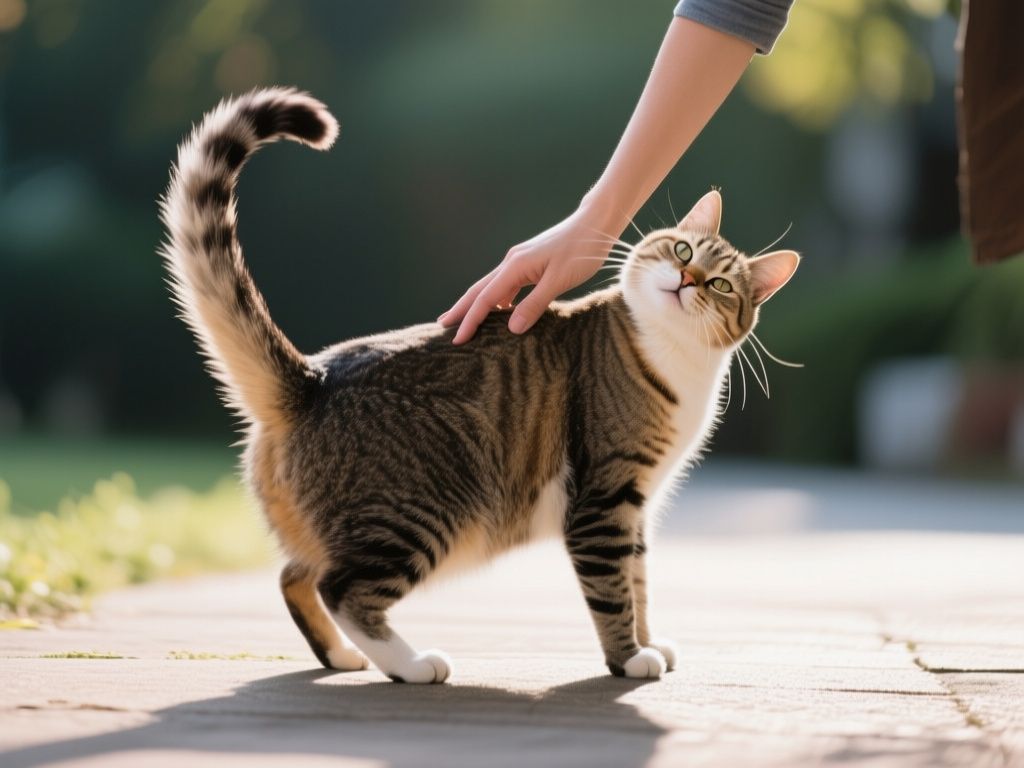
If your cat shakes its tail while you’re petting it, it usually means the cat is communicating. Tail shaking can be excitement or focus, but it can also be a sign of “not quite yet” or overstimulation—especially if the body gets tense, ears flatten, or the cat starts to move away.
Why does my cat shake its tail when I pet it?
Most of the time, tail shaking during petting is a normal communication signal. Cats use tail movements to tell you how they feel in the moment, and “tail wiggles” or quick side-to-side flicks can mean a few different things depending on the rest of the body language.
Here’s the key: tail shaking doesn’t stand alone. A relaxed, slow-blinking, loose-bodied cat with tail swishing lightly is often enjoying attention. A cat that looks tense—wrinkled skin, stiff posture, whiskers back, or ears flattening—may be saying, “That spot is too intense right now.”
What does a “happy” tail shake look like?
In many cats, tail shaking can be part of playful excitement or focused attention. You’ll typically see other “green lights” at the same time.
- Relaxed body: The cat’s legs are loose, not braced. The belly may stay soft instead of tightening.
- Gentle tail movement: The shake is often rhythmic and not frantic. The tail may be mid-height rather than rigidly held.
- Friendly face signals: Ears stay upright or slightly angled forward, whiskers are neutral, and the cat may do slow blinks.
- Leaning in: The cat sometimes scoots closer or offers a flank for more petting.
Practical example: If your cat curls up beside you and you start scratching the base of the tail or the cheeks, and they wiggle their tail while purring, that’s usually a sign they’re into it. In that situation, continuing—but using a calmer pace—often works well.
When is tail shaking a warning sign?
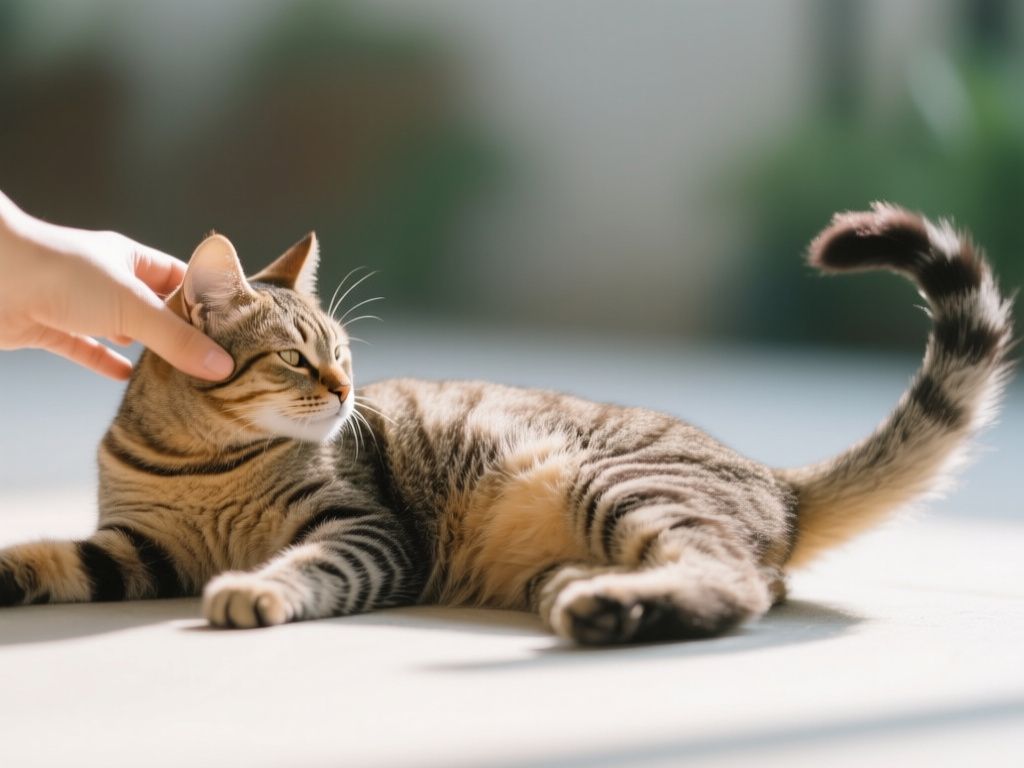
Tail shaking can also mean “back off” or “stop that exact touch.” Cats can get overstimulated quickly, even when they started out enjoying it.
Look for a combination of these more specific cues:
- Tensed posture: The body goes stiff, and the tail movement can look more rapid or “thumpy.”
- Ears flatten or rotate back: Ears pinned to the sides are a strong “too much” signal.
- Skin rippling or twitching: Some cats show ripples along the back or tail when they’re irritated by touch intensity.
- Whiskers pulled back: Whisker positioning often tracks stress more clearly than tail motion alone.
- Tail lashes or sudden stillness: Some cats switch from shaking to sudden stillness right before they disengage.
- Turning the head away or moving off: If the cat begins to exit your hand, it’s time to stop.
Practical example: If you’re petting your cat’s back and they start tail shaking harder, then their ears flatten and they look “focused” on your hand, it’s usually an overload warning. In that case, stopping for a minute and changing where you touch often prevents a snap or a swat later.
How does a cat’s nervous system play into this?
Cats don’t experience touch like a human might. Many cats have a limited “comfort window” for certain stimulation, even if the cat likes being petted overall. Think of it like a volume knob: at first, it feels good; then the same touch starts to feel like too much input.
Several common reasons contribute to that:
- Spot sensitivity: The same cat can love cheek scratches but hate firm belly rubs.
- Petting speed and pressure: Fast rubbing or too much pressure can trigger the “overstimulated” response.
- Grooming-like behavior: Some cats interpret certain repetitive strokes as grooming stimulation, and grooming can flip from pleasant to irritating.
- Energy level: A cat that is sleepy or relaxed may tolerate petting longer than a cat that’s already keyed up.
- Past experiences: If a cat has learned that certain touch leads to unpleasant outcomes (even unintentionally), tail shaking can show anticipation of discomfort.
This is why the best response is not just “pet more” or “pet less,” but to tune the exact touch to what the cat is signaling with their whole body.
Is tail shaking the same as “signaling for play”?
Sometimes, yes—but sometimes it’s confusion. Cats can shake their tail when they’re excited, and excitement can include play. You might see tail shaking alongside other play cues like alert eyes and a forward-leaning body.
However, tail shaking during petting more often relates to “how much touch is okay right now.” If your cat shakes its tail and then immediately tries to engage with a toy or stalks your hand, play may be the underlying reason. If the cat shakes its tail and then pulls away or looks irritated, overstimulation is more likely.
Where you pet matters: what spots usually trigger tail shaking?
Different body areas send different sensory signals. Many cats strongly prefer certain zones and avoid others.
| Petting area | Common cat reaction | What tail shaking may mean there |
|---|---|---|
| Cheeks and temples | Often enjoyed | May mean excitement or comfort |
| Under chin | Often tolerated or preferred | Could be “yes, keep going” or “slower” |
| Back (spine line) | Mixed; depends on the cat | More likely to become overstimulation |
| Base of the tail | Some cats love it, others hate it | Could mean arousal or sensitivity |
| Belly | Usually sensitive | Tail shaking here is often a “stop” signal |
If you notice tail shaking consistently at one specific spot, treat it like a preference boundary. Switch to a more reliable area (often cheeks/temples), reduce pressure, and shorten the session.
How should you respond in the moment?
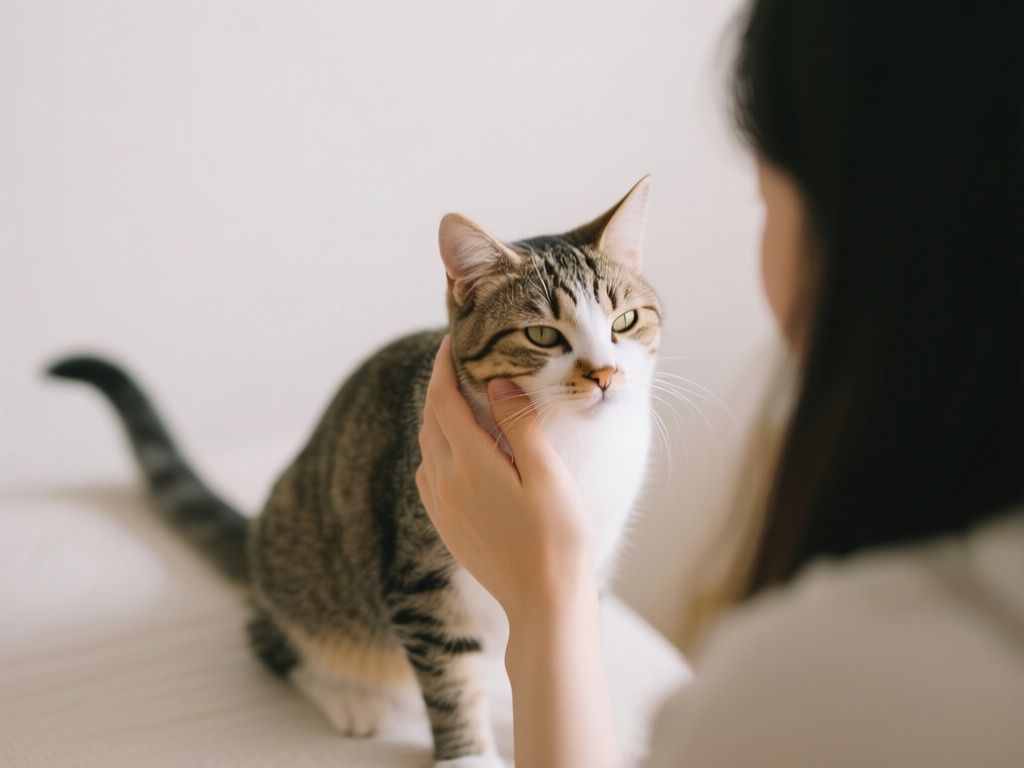
The safest, simplest approach is to adjust your petting in response to the full body message.
- Slow down and lighten pressure. If the tail shake eases and the cat stays relaxed, you found the right intensity.
- Try a different spot. Move from the back to the cheeks or under the chin, where many cats find touch more comfortable.
- Pause briefly. Some cats need a short break to reset. If the cat relaxes after 10–30 seconds, you can try again more gently.
- Watch for escalation cues. If ears flatten, the cat tenses, or the tail lashes, stop immediately.
- Follow what the cat does next. If the cat leans in for more petting, that’s permission. If it turns away, it’s a boundary.
One practical rule: if tail shaking happens alongside any “dislike” body cues, treat it as a warning. Cats are small and their signals are fast—listening early prevents unpleasant surprises.
Could tail shaking mean stress or pain?
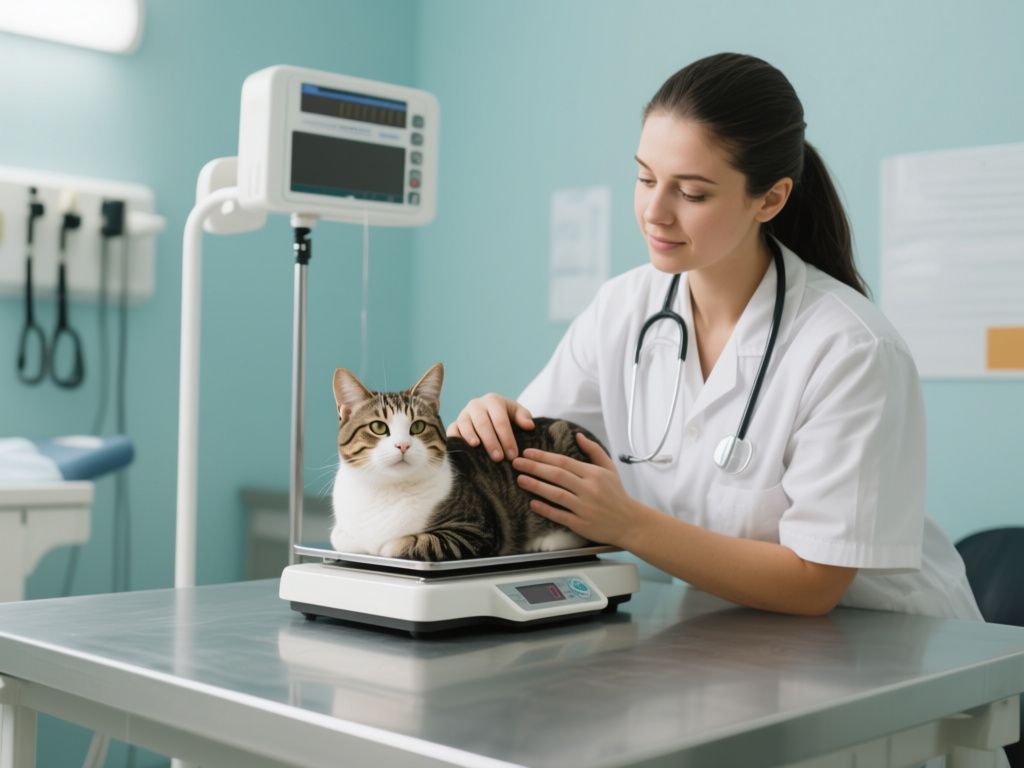
Tail shaking during petting is often about comfort level, but it can occasionally be related to discomfort. If your cat suddenly develops tail-shaking behavior where it didn’t before, or if the shaking happens even when you’re touching areas that were previously fine, it’s worth considering medical or behavioral causes.
Signs that suggest you should talk to a veterinarian:
- Change is sudden: The cat used to tolerate petting and now reacts quickly.
- Yowling, hiding, or aggression: The cat seems distressed rather than mildly overstimulated.
- Other pain signs: Limping, reduced grooming, hiding, or changes in appetite.
- Tail sensitivity: Touch around the tail/base causes a stronger reaction than usual.
It doesn’t mean something is definitely wrong, but a check can rule out problems like skin irritation, arthritis, injuries, or nerve-related discomfort.
How can you prevent overstimulation?
Prevention is mostly about respecting the cat’s comfort window and making petting predictable.
- Use short sessions: Many cats prefer a minute of gentle petting rather than long continuous rubbing.
- Let the cat approach: If your cat comes to you, they’re choosing interaction. If you reach out uninvited, the cat may feel cornered or irritated.
- Switch to passive affection: Sit near your cat, let them rub against your hand, and offer calm chin scratches instead of extended stroking.
- Observe grooming rhythms: If the cat already looks groomed and relaxed, petting is likely welcomed. If they seem keyed up or restless, keep interactions brief.
- Use environment cues: Warmth, quiet, and a familiar spot make overstimulation less likely.
Over time, you’ll learn your cat’s “yes spots” and their “not that much” signals—tail shaking becomes a helpful piece of feedback rather than a mystery.
Frequently Asked Questions
Is tail shaking always a bad sign?
No. Tail shaking can happen when cats are excited, focused, or enjoying certain kinds of touch. It becomes a concern when it comes with other stress cues like flattened ears, tense body posture, or sudden attempts to escape your hand.
Why does my cat shake its tail specifically while being petted on the back?
The back can be a more sensitive stimulation zone for many cats. Continuous rubbing along the spine can switch from pleasant to overstimulating. Try shorter sessions, lighter pressure, or move to cheeks/under the chin.
What should I do if my cat starts shaking its tail and seems tense?
Stop petting right then, especially if the ears flatten or the body stiffens. Give the cat a brief break, then try a calmer touch in a different area later. If the cat reacts strongly even with gentle handling, consider a veterinary check.
Does tail shaking mean my cat is angry?
Not necessarily. Anger is more likely if you see clear warning signs like growling, dilated pupils with a stiff posture, flattened ears, and swatting. Tail shaking alone is usually a communication about comfort level rather than a full-on “fight” signal.
Should I pet less if my cat shakes its tail often?
Often, yes. If tail shaking repeats across petting sessions, it’s a sign your cat’s comfort window is smaller than you think. Shorten the session, use lighter touch, and focus on preferred areas.
When do I worry about a medical problem?
Worry if the behavior is new, escalating quickly, or paired with signs like hiding, limping, changes in appetite, or clear pain when touched. A veterinarian can check for issues that may change how your cat tolerates touch.
If you remember one thing, make it this: tail shaking is a clue, and the “correct” response is to read the rest of the body. When you match your touch to your cat’s feedback, tail shaking usually turns into a simple, predictable part of your relationship.

Mim Creation
Writer at Helmet Today, covering helmet reviews, fit and riding safety.