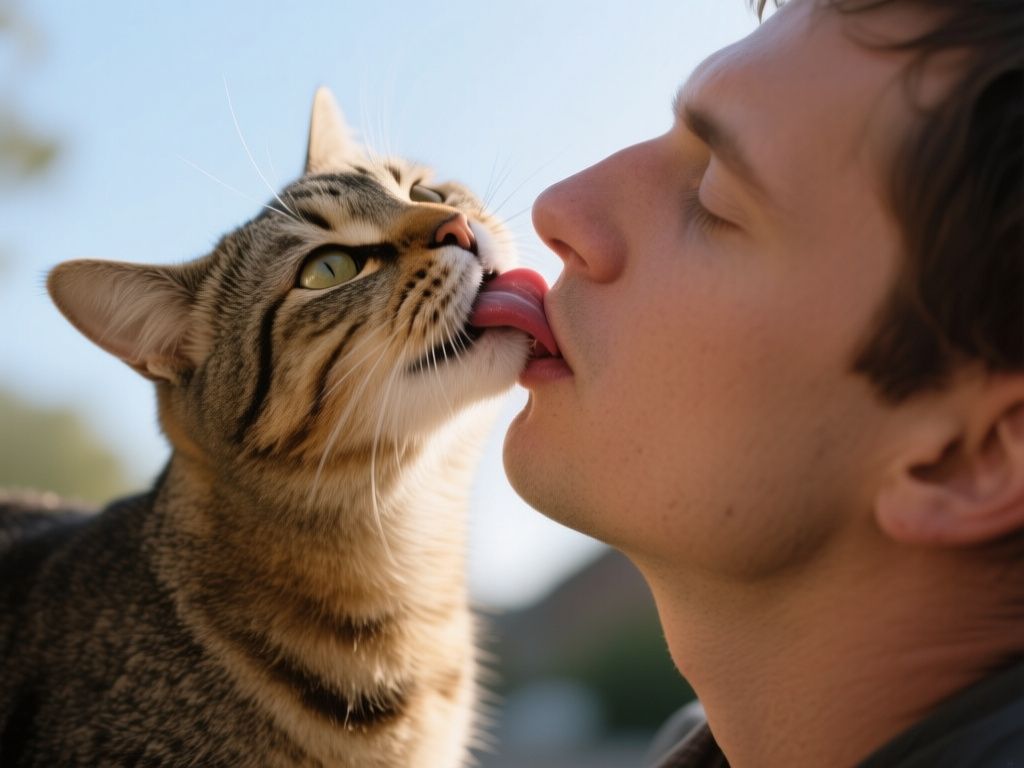
If your cat bites you gently, then immediately licks you, it’s usually a normal social or playful behavior—not “mean” aggression. Cats often mouth during excitement, check how you smell, or signal “I like you.” Learn the common triggers and how to respond so it stays friendly.
Why does my cat bite gently and then lick?
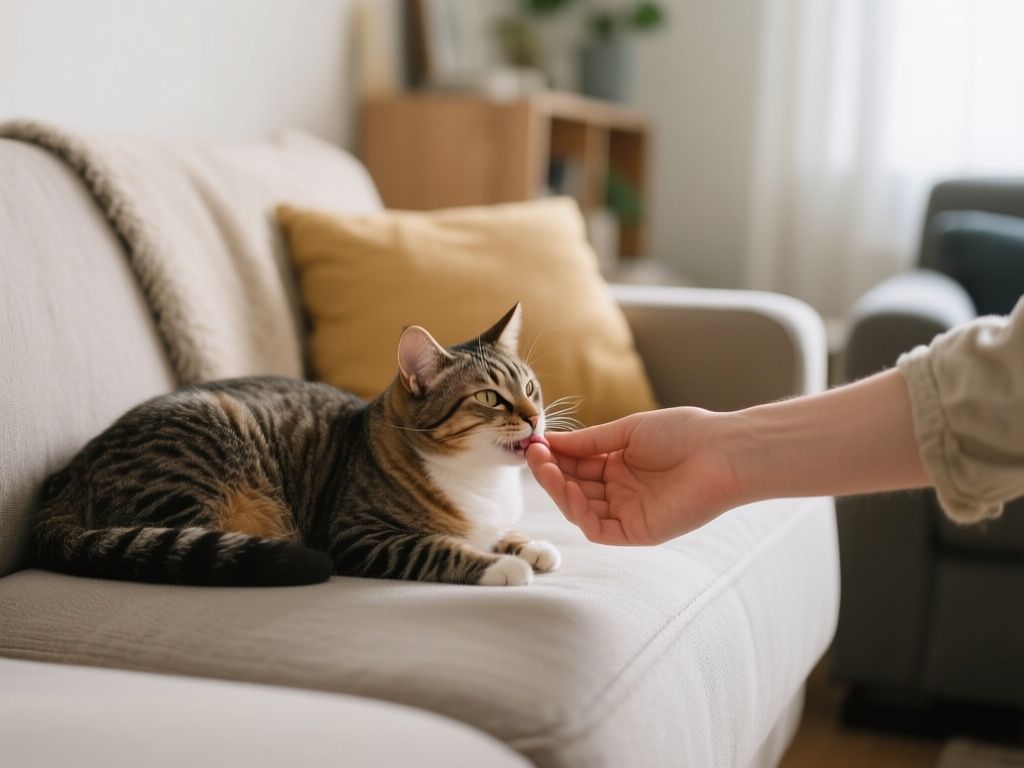
That bite-then-lick pattern is most often a communication loop. Cats use their mouths and tongues for more than eating: they “test” the world (including hands), regulate social contact, and clean or reassure themselves. When the bite is light and followed by licking, it usually means your cat is engaged—often in play, petting-response, or a mild “overstimulated” moment that they quickly soften with grooming.
It helps to think of it as a fast, messy conversation: mouth contact first, then licking as a reset. Depending on context—where you were touching, your cat’s body language, and whether the bite stayed gentle—this can mean anything from affection to overstimulation.
How does this behavior work—what’s the “point” behind it?
Cats have several instincts that can show up right in your lap.
1) Play-mouthing and “practice hunting”
Kittens learn bite control through play and social feedback. Even adult cats keep “mouthing” as a way to chase, pounce, and negotiate attention. A gentle nip can be your cat’s version of a soft tap: “Let’s keep going.” The lick afterward often looks like a quick reset—like cleaning a friend or shifting from rougher play to gentler social contact.
2) Overstimulation (“I’m enjoying this… but not like that”)
Many cats have a threshold for petting. They may start with purrs and leaning in, then suddenly mouth or bite when touch keeps coming. The subsequent lick can function like a self-soothing behavior. Overstimulation is especially likely if the bite happens during stroking—particularly around the belly, base of the tail, or behind the ears—where cats can flip from receptive to “too much.”
3) Social bonding and scent-checking
Licking is strongly tied to scent and social grooming. Cats groom each other (and you) to share scent and reduce tension. If your cat bites gently, then licks, they may be checking your “smell layer” and then grooming you back into their social world.
4) Attention-getting or “I want something”
If the behavior happens at consistent times—when you sit down, reach toward the kitchen, or after you stop petting—it can be learned. Your cat might bite to get your attention, then lick because that’s what usually follows in their “interaction script.”
5) It can still be playful, even if it feels personal
One thing that surprises new cat owners: “predatory” behaviors can still be affectionate. Cats don’t interpret your feelings the way we do. They interpret body movements and reactions. If your hand pulls away, jerks, or laughs and wiggles, your cat may see it as continued play.
What body language tells you it’s friendly vs. overstimulated?
Context matters more than the bite alone. A gentle nip with relaxed signals is very different from a bite with tense signals.
Here are practical cues to watch:
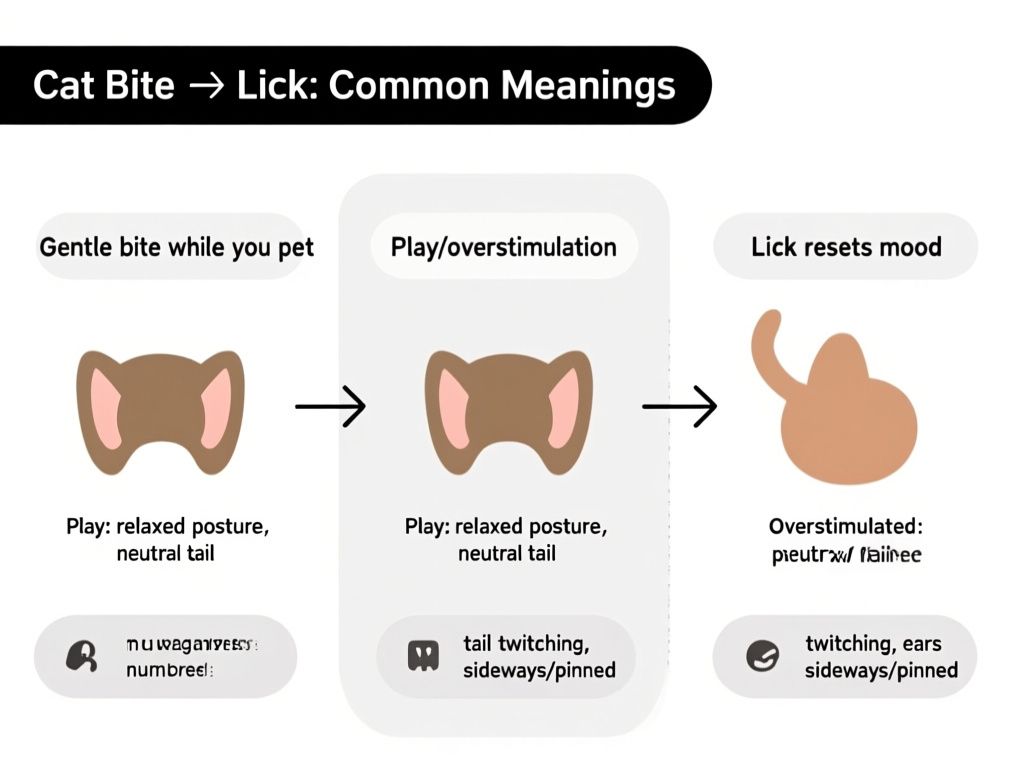
- More likely playful/affectionate: loose posture, tail neutral or gently moving, ears forward or neutral, relaxed eyes (not wide and tense), and the bite stays light.
- More likely overstimulation: twitchy skin (“rippling” along the back), tail lashing, ears angling slightly sideways or pinned back, sudden stillness after excitement, dilated pupils, or skin that feels tense under your hand.
- More likely defensive: low body stance, crouching, flattened ears, tense tail, hissing/growling, or hard, fast biting that doesn’t quickly soften.
If you see overstimulation signs, treat the lick as part of the transition—not as a guarantee that the bite was harmless.
How can I tell if the bite is actually “gentle”?
Many cat owners feel a pinch and assume it’s always the same level of force. But cats can gradually escalate. A bite that truly stays light usually has these features:
- Your skin doesn’t break; there’s no red bruise forming afterward.
- Your cat releases quickly when you pause movement or withdraw your hand.
- The behavior is followed by grooming (licking/cleaning) or re-engagement that looks calm, not frantic.
If you get scratches, broken skin, or repeated escalation, treat it as a behavior you need to manage. Even “play” can injure you if claws and teeth line up wrong.
What should I do in the moment?
When your cat bites and then licks, your response shapes what happens next. The goal isn’t to punish your cat; it’s to teach clearer boundaries.
Step 1: Stop the game or petting immediately
Freeze for a second and gently remove your hand or stop petting. Don’t yank away dramatically—jerky motion can look like prey and intensify play.
Step 2: Redirect to an approved target
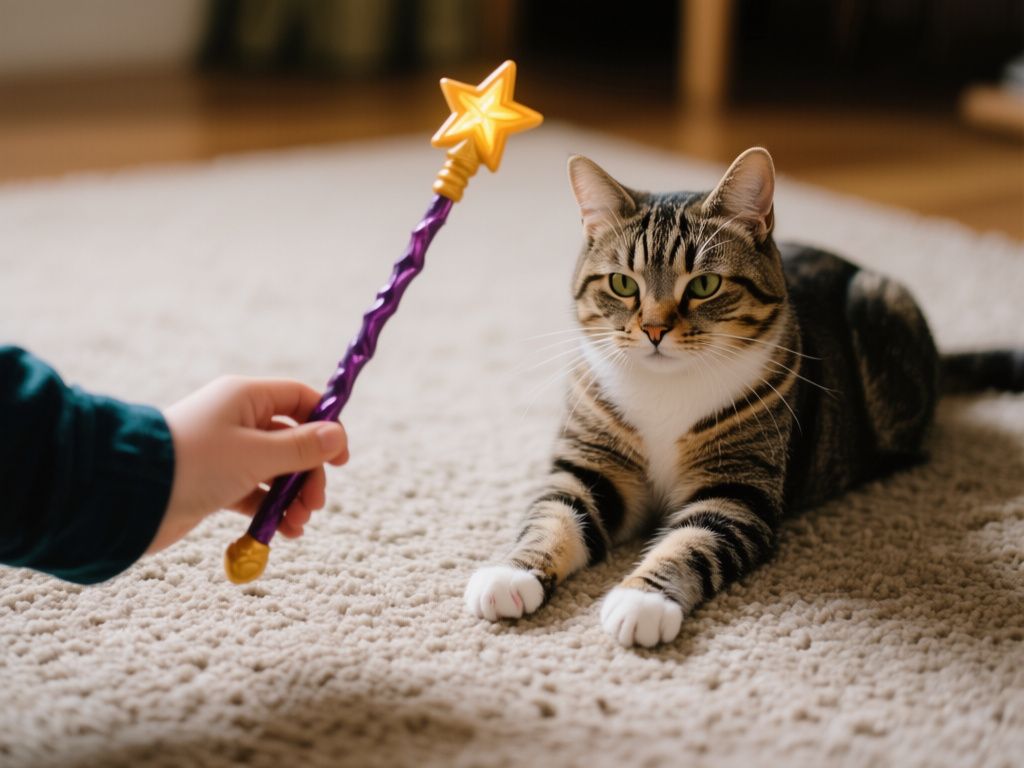
Use a wand toy, toss a small toy, or offer a scratching post. If your cat is mouthing because they want engagement, giving them a toy channels that impulse safely.
Step 3: Give a short “cool-down”
If the biting happens during petting, many cats need a brief reset. Walk away for 30–60 seconds, then return calmly. Over time, your cat learns: gentle signals get more attention; biting ends the interaction.
Step 4: Avoid hands as “interactive toys”
If your cat has learned that hands = chase targets, biting may become a habit. Instead, make play consistent with toys, and save hands for calm petting.
How do I prevent it from happening again?
Prevention is mostly about reducing triggers and replacing the behavior with a better option.
Match touch to your cat’s preference
Some cats dislike belly rubs and tail-base petting even if they tolerate other areas. Notice which spots lead to relaxed licking versus sudden mouth contact.
Use shorter petting sessions
If the bite-then-lick happens during grooming, try petting for 10–20 seconds, then pausing. Look for signs of “energy turning up,” like tail twitching or stiffening skin.
Increase play before petting
Many cats bite during “pent-up” times. A solid 10–15 minute play session (several short bursts, ending with a toy moving away) before you sit down can reduce the urge to target your hands.
Teach “no” without fear
Yanking, yelling, or escalating attention after biting can confuse the message. Instead, use calm consistency: interaction stops when teeth touch skin, and resumes only when your cat is calm and gentle.
Make enrichment part of daily life
Climbing space, window perches, puzzle feeders, and scheduled meals can lower frustration. A cat with less boredom is usually less likely to treat your body as a moving toy.
When is this behavior a concern?
Most bite-then-lick interactions are normal, but you should take action if anything suggests pain, fear, or worsening aggression.
Consider contacting a veterinarian or a qualified behavior professional if:
- Your cat suddenly changes behavior (new biting pattern, especially if older and previously gentle).
- Bites become frequent or increasingly forceful.
- Your cat shows signs of pain (hiding, limping, flinching during touch, reduced appetite, unusual vocalizing).
- There’s hissing/growling, rapid retreat, or fear-based body language.
- You notice swallowing issues, dental problems, or sensitivity when the mouth is touched—mouth discomfort can alter behavior.
Medical issues matter because cats sometimes bite when they feel trapped by pain. A quick dental check can be surprisingly relevant if you notice the behavior around feeding or grooming.
Frequently Asked Questions
Is my cat biting me because they’re angry?
Not necessarily. Many cats mouth gently when they’re excited, playing, or overstimulated rather than angry. If their body language is relaxed and the bite is light and followed by grooming, it’s more consistent with friendly engagement or a quick reset than true anger.
Why does the licking happen right after the bite?
Licking often acts like a social and self-soothing behavior. After the mouth contact, your cat may be grooming themselves, grooming you, or signaling a transition from “interaction” back to “calm.” It’s usually part of the communication loop, not proof that the bite is always harmless.
Should I punish my cat for biting?
Usually no. Punishment can increase stress and may make biting happen faster or more defensively. Better results usually come from consistent boundary-setting: stop petting/interaction when teeth touch skin, then redirect to a toy and resume only when your cat is calm.
How can I stop hand biting specifically?
Replace hands with toys. Use a wand for play, keep hands for gentle petting, and avoid games where you wiggle your fingers for your cat to chase. If biting happens, withdraw your hand calmly and end the interaction briefly.
What if the bite breaks skin?
If a bite breaks skin or leaves bruises, treat it as a serious behavior issue and take immediate management steps (stop hand interactions, increase toy play, and reduce triggers). In that situation, it’s also wise to talk to your veterinarian to rule out pain and to seek guidance from a qualified behavior professional if it persists.
Could this be a sign of pain?
It can be. Cats in discomfort may react with sudden mouth contact when touched, especially if the behavior appears abruptly or centers on certain body areas. If you suspect pain, schedule a veterinary exam and observe whether your cat flinches, hides, or avoids specific touch points.
If you remember one practical thing, make it this: when teeth touch skin, end the interaction, then redirect your cat to a toy—gentle licking afterwards doesn’t change the fact that your boundaries are part of the conversation.

Mim Creation
Writer at Helmet Today, covering helmet reviews, fit and riding safety.