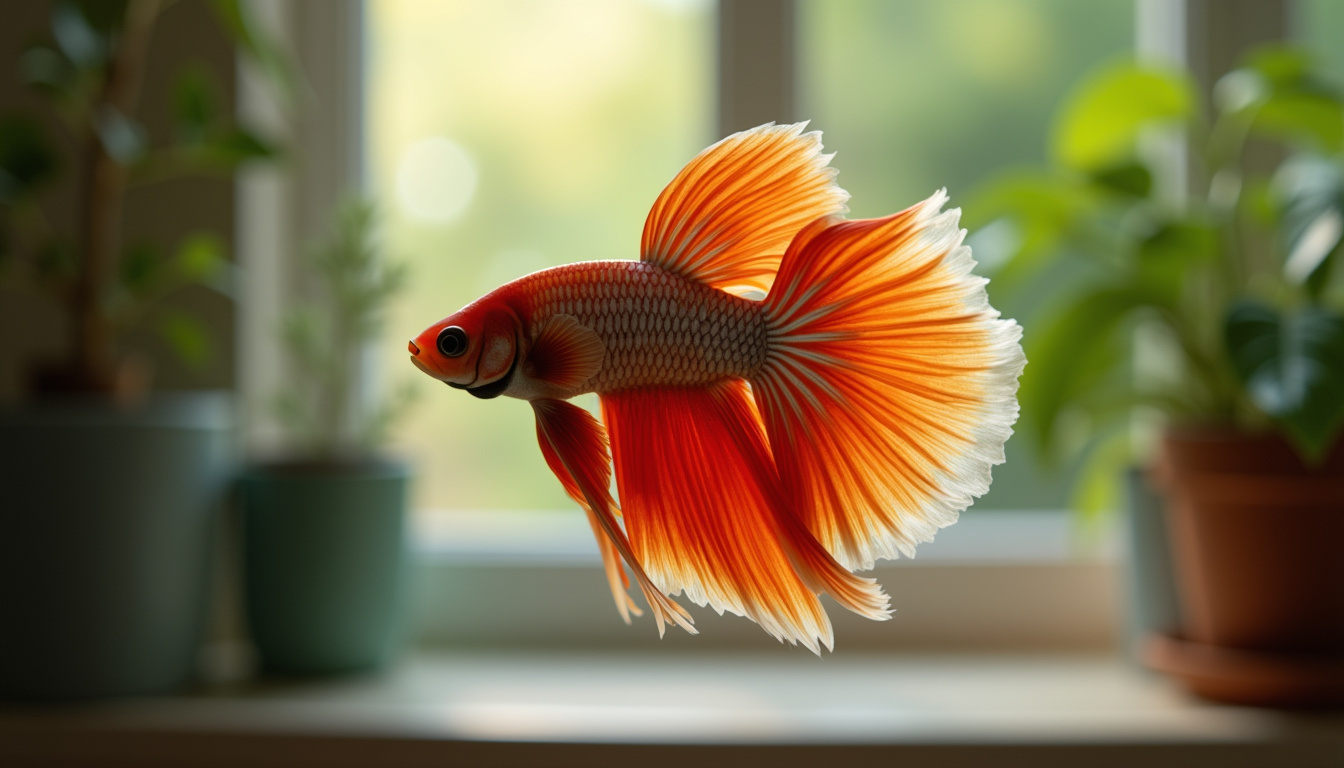
Your betta makes a slow, graceful loop around the tank, then repeats it—while you watch, wondering whether it’s playing or in trouble. Occasional circling can happen during exploration, feeding, or excitement, but persistent or tight circles deserve attention. The behavior may point to a stressful environment, poor water conditions, vision problems, an injury, or an illness affecting balance and coordination. Look at the whole picture: appetite, breathing, posture, fin condition, and whether the fish can swim normally in between episodes. Check the aquarium before reaching for medication, since sudden changes in water quality or temperature can make a betta act strangely. In this guide, we’ll work through the likely causes in order, identify warning signs that need prompt action, and outline safe steps to help your fish. This guide covers everything about Why Is My Betta Fish Swimming In Circles that matters.
How to Tell Whether Circular Swimming Is a Problem
- First, watch the pattern rather than reacting to one brief loop. A betta may circle during normal exploration, courtship, or excitement, especially after you approach the tank. If it stops easily, swims normally in other directions, eats, and rests comfortably, the behavior may not signal an emergency.
- Treat repeated circling as more concerning when your fish seems unable to break out of the pattern. Look for tight, constant loops; swimming on one side; drifting, wobbling, or losing balance; rubbing against surfaces; or struggling to reach the surface. These signs suggest a physical or neurological problem rather than simple exploration.
- Check whether the behavior began suddenly. A sudden change deserves more attention than a long-standing habit, especially if your betta also hides, clamps its fins, refuses food, breathes rapidly, or looks unusually swollen or pale.
- Observe the fish during feeding and at rest. Can it move toward food, hover normally, and settle in a preferred spot? Difficulty doing these things makes circular swimming more urgent.
- Before assuming illness, inspect the aquarium for strong filter flow, decorations that restrict movement, reflections, or recent changes. Record what you see, then check the water and seek aquatic-veterinary advice if the abnormal swimming continues or worsens.
The Most Likely Reasons a Betta Fish Swims in Circles
- Poor water conditions — Irritating or toxic water can affect a betta’s gills, skin, and nervous system. Affected fish may circle, clamp their fins, breathe heavily, hide, or become unusually restless. Test the water for ammonia, nitrite, nitrate, and pH, then correct any problem gradually rather than making a drastic change.
- Stress or fear — A new tank, strong filter flow, sudden movement, bright lighting, or an aggressive tank mate can make a betta swim repetitive routes. Circling may be an escape response, especially if the fish also flares, darts away, or stays near the surface. Reduce stimulation and provide plants or other cover.
- Buoyancy or swim bladder trouble — Constipation, injury, infection, or overfeeding can interfere with balance. The betta may tilt, sink, float, or turn in one direction because normal swimming has become difficult. Don’t assume the cause is overeating; look for other signs before changing its diet.
- Neurological or internal illness — Persistent circling in one direction, loss of coordination, tremors, weakness, or trouble reaching food can point to a deeper problem. Some illnesses affect the brain, nerves, or inner ear, so the behavior may continue even after the tank conditions improve.
- Vision or environmental cues — A reflection can cause repeated flaring and looping along the glass. Decorations, strong current, or a cramped layout can also create a repetitive path. Change one feature at a time and observe whether the behavior stops.
- Normal brief exploration — An occasional loop during feeding, after rearranging décor, or while investigating a new object may be harmless. The concern rises when circling is frequent, worsening, or paired with physical symptoms.
What to Check and Do First
- Watch the pattern for a few minutes. Note whether the circles are small and fast or wide and slow. Also check whether the behavior began after a move, new tank setup, bright lighting, or a change in tank mates. Stress can cause unusual swimming while a betta settles in, but repeated circling deserves closer attention.
- Test the water before treating the fish. Check ammonia, nitrate, and pH with a reliable test kit; water testing is the first way to rule out a water-related problem, as Chewy explains. Confirm that the tank is cycled and record the results. If any reading is abnormal, follow the product instructions for a partial water change and conditioner rather than adding medication immediately.
- Check temperature and equipment. Make sure the heater is working and that the temperature is stable, not swinging during the day. Look at the filter flow, too. A betta with long fins may struggle against a strong current, which can look like looping or drifting. Add a sheltered resting place near the surface if the fish seems tired.
- Look for buoyancy and physical clues. Trouble sinking, floating, rolling, clamped fins, rapid breathing, wounds, or a swollen body makes a health problem more likely. Abnormal swimming can accompany swim bladder problems, parasites, or nervous-system disease (Chewy).
- Escalate if it worsens. If circling continues after water and temperature issues are corrected, or the fish cannot eat, rest, or stay upright, contact an aquatic veterinarian or experienced fish-health professional. Avoid random medications, since the wrong treatment can add stress and damage water quality.
When Circular Swimming Requires Urgent Attention
- Treat constant or worsening circling as urgent, especially if your betta also seems unable to control its body. Abnormal swimming can be an early sign of serious illness, including nervous-system problems (Chewy explains).
- Look for warning signs such as sinking and being unable to rise, floating at the surface, drifting helplessly, swimming upside down, or struggling to reach the bottom. Circling paired with trouble sinking or floating may also point to a buoyancy problem.
- Test the water before adding any medication. Check ammonia, nitrate, and pH first; abnormal readings can cause or worsen erratic movement (Chewy recommends water testing first). If a result is abnormal, correct the conditions carefully rather than making several large changes at once.
- Inspect your betta for rapid breathing, clamped fins, sores, white spots, parasites, or loss of appetite. These signs make simple stress less likely.
- If circling continues after conditions are corrected, or your fish cannot stay upright, contact an aquatic veterinarian or experienced fish-health professional promptly. Bring your test results and a short video of the swimming pattern.
How to Monitor Recovery and Troubleshoot Ongoing Problems
After making the recommended correction, monitor your betta at the same times each day and record whether the circles are less frequent, slower, or replaced by normal swimming and resting. Note appetite, breathing, posture, fin position, and whether the fish can rise, sink, and remain level. A short daily video makes gradual changes easier to recognize and gives a veterinarian useful evidence. Retest the water parameters rather than assuming the problem is resolved; testing for ammonia, nitrate, and pH should come first when swimming becomes abnormal (Chewy). If the circling continues despite stable parameters and calm conditions, review possible triggers such as a strong current, reflections, limited resting places, recent changes, or prolonged stress. Long fins can make frequent resting important, so check whether your betta has easy places to pause near the surface (r/bettafish). Contact an aquatic veterinarian if the pattern worsens, lasts, or occurs with loss of balance, abnormal buoyancy, weakness, rapid breathing, or refusal to eat. Avoid adding medication until the likely cause is clearer. The problem? Most guides skip the Why Is My Betta Fish Swimming In Circles part of the process.
Frequently Asked Questions
Why is my betta fish swimming in circles?
First, check water parameters and observe whether the behavior is brief or constant. Poor conditions, stress, buoyancy trouble, parasites, or neurological illness can all cause abnormal swimming. Water testing should come first. The problem? Most guides skip the Why Is My Betta Fish Swimming In Circles part of the process.

Does circling always mean my betta is sick?
No. Wide, slow loops may reflect stress or difficulty settling into a new environment, while tight, repeated circles are more concerning. That’s where Why Is My Betta Fish Swimming In Circles changes everything.
What signs make circling urgent?
Seek prompt fish-care or veterinary advice if your betta cannot stay upright, sinks or floats uncontrollably, stops eating, or worsens. Here’s where the Why Is My Betta Fish Swimming In Circles details get tricky.
Should I add medication?
Not yet. Test first, correct confirmed water problems, and avoid medication until the likely cause is clearer. Here’s where the Why Is My Betta Fish Swimming In Circles details get tricky.

Mim Creation
Writer at Helmet Today, covering helmet reviews, fit and riding safety.