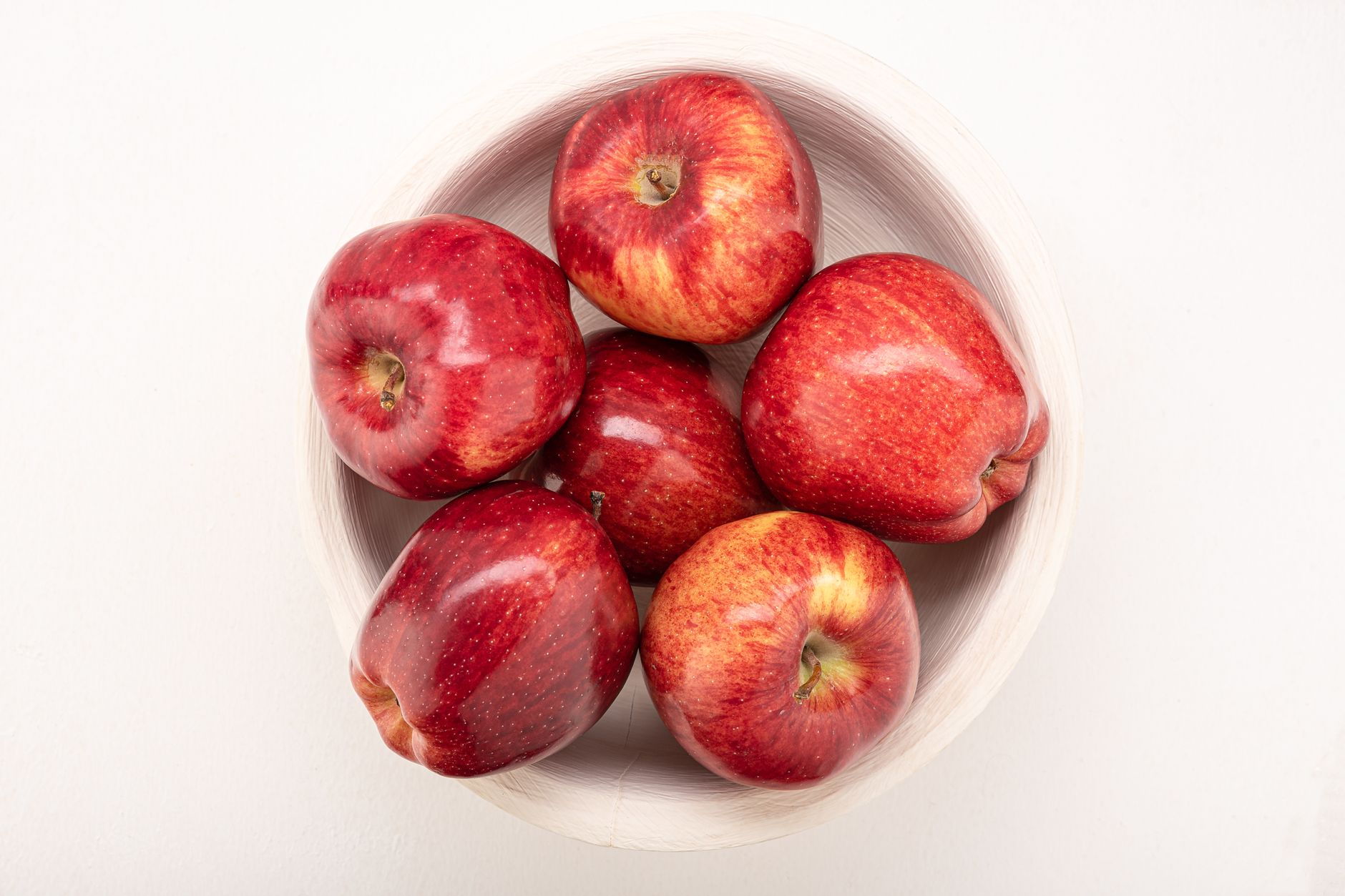
Yes, puppies can eat apples in small amounts, provided the apple is washed, cored, and cut into bite-size pieces. Remove every seed, the stem, and the tough center because these parts can cause choking or digestive trouble. Apples are a treat, not a replacement for a complete puppy diet, and very young puppies may need extra caution.
Are apples safe for puppies?
Plain apple flesh is generally safe for healthy puppies when served as an occasional treat. Apples contain water, fiber, and small amounts of vitamins, but a puppy’s main nutrition should come from a complete food formulated for growth.
The safest serving is a few small pieces of fresh apple with the core, seeds, stem, and leaves removed. A puppy does not need a large portion to enjoy the taste. Too much fruit can cause loose stool, gas, or stomach discomfort because puppies have sensitive digestive systems.
Apples are also naturally high in sugar compared with a puppy’s regular food. That does not make a small piece dangerous for most dogs, but frequent or generous servings can add unnecessary calories. Treats of all kinds should stay limited so the puppy continues eating balanced meals.
What parts of an apple can puppies eat?
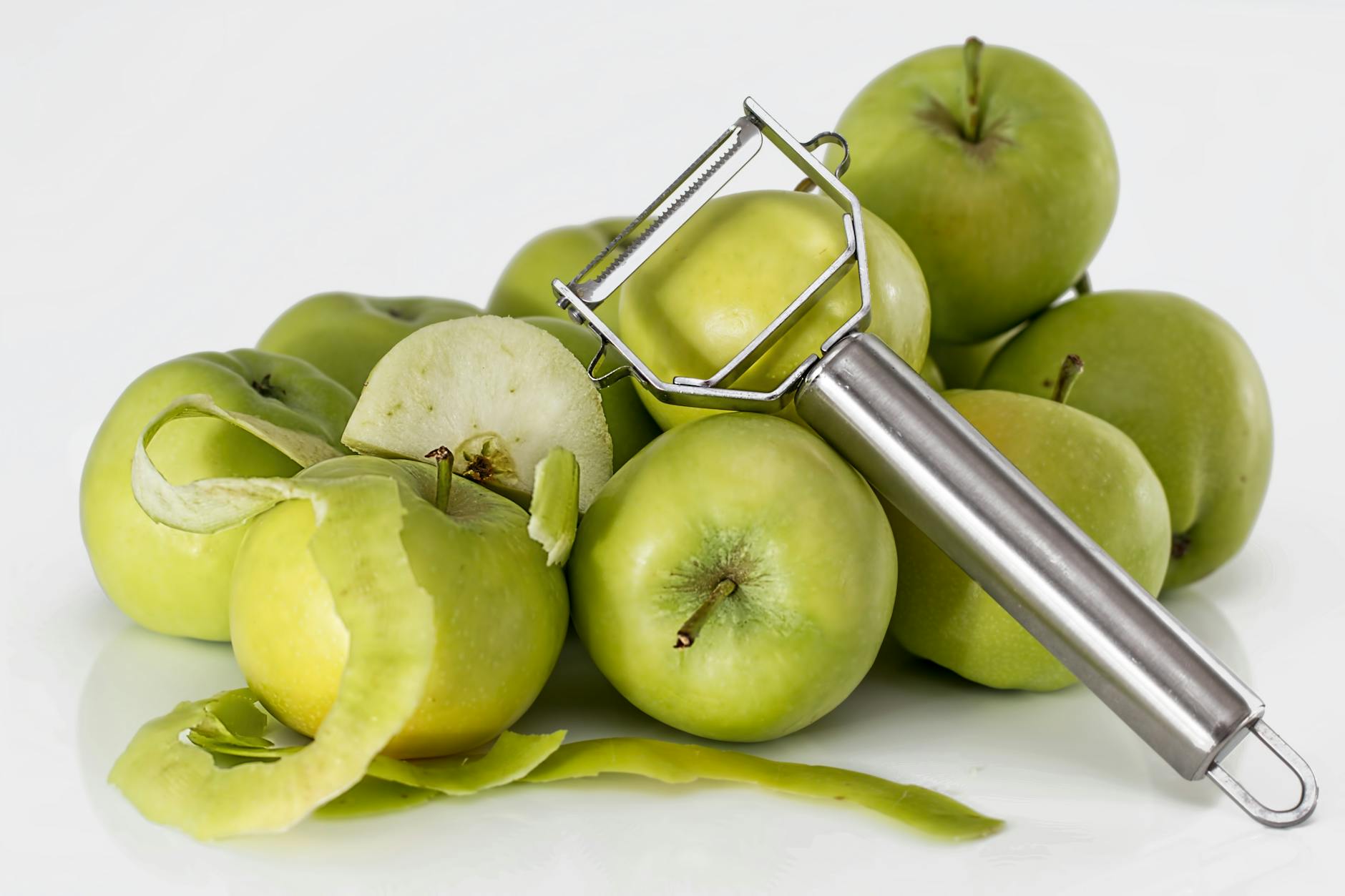
Puppies can eat the soft flesh of an apple, including the skin, if the fruit is washed well and cut into manageable pieces. The skin adds some fiber, but peeling the apple is reasonable for a puppy with a sensitive stomach or difficulty chewing.
The core, seeds, stem, and leaves should not be offered. These parts are harder to chew and can become choking hazards or cause an intestinal blockage if swallowed.
| Apple part | Can a puppy eat it? | Why |
|---|---|---|
| Flesh | Yes, in small pieces | Soft, edible, and suitable as an occasional treat |
| Skin | Usually, after washing | Generally safe, though some puppies digest peeled apple more easily |
| Core | No | Hard to chew and may cause choking or blockage |
| Seeds | No | Contain compounds that can release cyanide when crushed and consumed in quantity |
| Stem and leaves | No | Not suitable to chew and may contribute to poisoning or choking concerns |
Why are apple seeds a concern for puppies?
Apple seeds contain amygdalin, a plant compound that can release cyanide when the seeds are chewed and digested. A single accidentally swallowed seed is unlikely to poison a puppy, but that is not a reason to serve the core or leave seeds in the pieces.
Risk depends on the number of seeds eaten, whether they were crushed, and the puppy’s size. Small puppies have less body mass, so avoiding seeds altogether is the sensible rule. If a puppy eats an entire apple, several cores, or a noticeable number of chewed seeds, contact a veterinarian or a pet poison service for advice rather than waiting for symptoms.
Possible signs of serious poisoning can include weakness, difficulty breathing, collapse, tremors, or seizures. These symptoms are emergencies. Do not induce vomiting unless a veterinarian specifically tells you to do so.
How should an apple be prepared for a puppy?
Preparation matters more than the apple variety. A puppy may gulp food rather than chew it, so even a healthy food can become dangerous when served in a large, slippery chunk.
- Wash the apple under running water to remove dirt and surface residue.
- Cut the apple into quarters or smaller sections.
- Remove the core, seeds, stem, and any leaves.
- Slice the flesh into pieces smaller than the puppy’s usual bite.
- Offer one piece first and watch for coughing, vomiting, diarrhea, or other unusual reactions.
For a very small puppy, pieces about the size of a pea may be appropriate. A larger puppy may manage pieces closer to the size of a thumbnail, but the correct size depends on how the individual puppy eats. Food should never be large enough to fit tightly across the throat.

Photo by Alexey Demidov on Pexels
How much apple can a puppy eat?
A small amount is enough: one or two bite-size pieces for a first taste, followed by observation for the rest of the day. If the puppy tolerates the fruit, apple can remain an occasional treat rather than a daily requirement.
A practical starting point is to keep treats, including apple, below about 10 percent of the puppy’s daily calories. The remaining food should come from a complete puppy diet. Because calorie needs vary widely between a Chihuahua puppy and a rapidly growing large-breed puppy, a veterinarian or the food manufacturer’s feeding guide can help set a more accurate limit.
Apple should make up only a small part of the treat allowance. For example, a puppy that already receives training treats, dental chews, or bits of human food may have little room for extra fruit. Replacing some existing treats with tiny apple pieces is usually better than adding apple on top of everything else.
When can puppies start eating apples?
Puppies should be fully weaned and eating solid puppy food before they receive fruit treats. Very young puppies that are still nursing or transitioning from milk need a carefully managed diet, not experimental snacks.
Most puppies begin eating solid food at roughly three to four weeks and are commonly weaned by about seven to eight weeks, although timing varies. A newly adopted puppy may also be dealing with stress, food changes, or intestinal parasites. In that situation, keeping meals simple and asking the veterinarian before introducing treats is a good approach.
Age alone does not determine readiness. The puppy should be able to chew and swallow normal solid food without difficulty. Puppies that gulp, have dental problems, or have a history of digestive upset need smaller portions and closer supervision.
Can apples help a puppy’s digestion?
Apple fiber may support normal bowel movements, but it is not a treatment for diarrhea or constipation. A few pieces may add moisture and fiber, while a large serving can produce the opposite result: loose stool, gas, or abdominal discomfort.
Puppy diarrhea deserves attention because young dogs can become dehydrated quickly. Do not use apple to manage ongoing diarrhea, vomiting, poor appetite, or lethargy. Call a veterinarian if symptoms are severe, last beyond a short period, contain blood, or affect a very young or unvaccinated puppy.
Apples also do not replace veterinary treatment for worms, parasites, food intolerance, or other digestive conditions. Their role is simple: an occasional food reward for a puppy that tolerates them.
Are apple products safe for puppies?
Fresh apple is much safer than many apple-flavored foods made for people. Applesauce, pie filling, juice, and baked desserts often contain added sugar, butter, spices, or other ingredients that puppies do not need.
- Unsweetened applesauce may be safe in a tiny amount if it contains only apples, but fresh fruit is easier to evaluate.
- Apple pie can contain sugar, rich fat, and spices, so it is not an appropriate puppy treat.
- Apple juice is concentrated, sugary, and low in the fiber found in whole fruit.
- Products containing xylitol, also called birch sugar, are dangerous to dogs and can cause a life-threatening drop in blood sugar.
- Apple chips may be hard, concentrated, or coated with sugar and seasoning.
Check the ingredient list before sharing any packaged food. Xylitol can appear in some sugar-free foods, candies, baked goods, supplements, and peanut or nut butters. If a puppy eats a product containing xylitol, contact an emergency veterinarian immediately.
Can puppies be allergic to apples?
Apple allergies are uncommon, but any food can trigger a reaction in an individual puppy. Signs may include itchy skin, hives, facial swelling, repeated vomiting, or diarrhea soon after eating.
Stop offering the apple if a reaction appears and contact a veterinarian for guidance. Facial swelling, trouble breathing, collapse, or severe vomiting requires urgent veterinary care. Do not keep testing the food at home after a suspected allergic reaction.
One digestive upset does not always mean an allergy. A puppy may simply have eaten too much, swallowed large pieces, or reacted to a sudden change in diet. A veterinarian can help distinguish food intolerance from allergy or another medical problem.
What are safer alternatives to apple for puppy treats?
The safest everyday training treat is often the puppy’s own kibble. It is already part of the balanced diet and makes calorie control easier. Small pieces of a veterinarian-approved puppy treat can work well too.
Other foods may be suitable in tiny portions, including plain cooked chicken, plain cooked turkey, carrots, green beans, or small pieces of banana. Every item should be unseasoned and free of butter, oil, onion, garlic, and sauces. Introduce one new food at a time so a reaction is easier to identify.
Several common foods should never be used as substitutes for apple. Grapes and raisins can cause serious kidney injury in dogs, while onions, garlic, chocolate, alcohol, caffeine, macadamia nuts, and xylitol are dangerous. A food being safe for people does not automatically make it safe for puppies.
How can owners use apple during puppy training?
Tiny apple pieces can work as high-value rewards for simple behaviors such as responding to a name, sitting, or calmly allowing a harness to be put on. The pieces should be small enough that the puppy can swallow quickly and return attention to the exercise.
Training sessions work better when rewards are counted. If apple is used several times, reduce other treats or slightly adjust the day’s food only with professional guidance, especially for a growing puppy. Restricting calories too aggressively can interfere with healthy development.
Always supervise the puppy while eating. A puppy should not receive apple pieces while running, playing, or riding in a car, because movement and excitement increase the risk of choking.
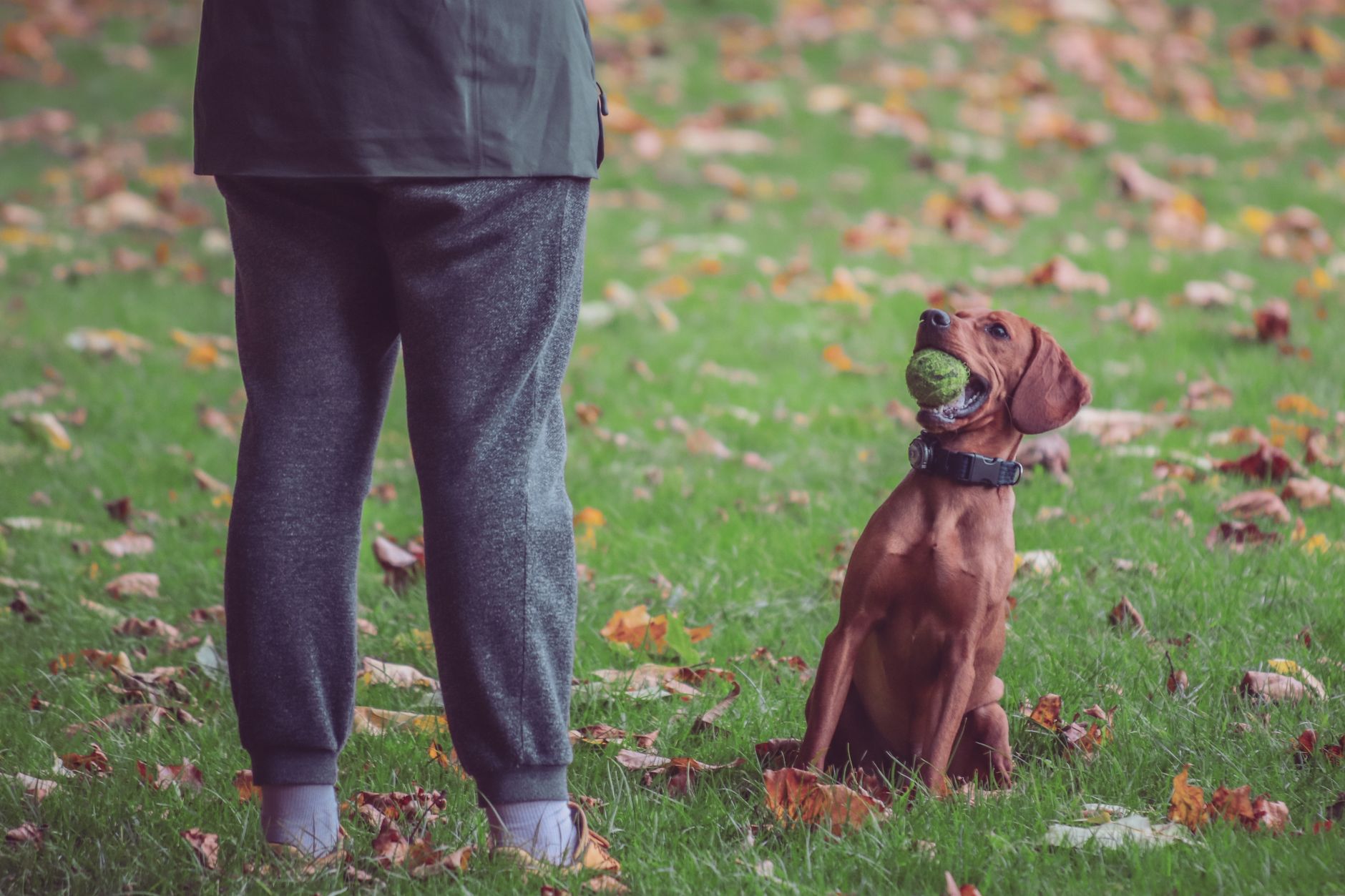
Photo by Boys in Bristol Photography on Pexels
Frequently Asked Questions
Can puppies eat red and green apples?
Yes. Red and green apples are both generally suitable when washed, cored, and cut into small pieces. The variety matters less than the preparation and portion size.
Can puppies eat apple peel?
Most puppies can eat a small amount of washed apple peel. Peeling the apple may be easier on a puppy with a sensitive stomach or difficulty chewing, and it reduces concern about surface residue.
What should I do if my puppy eats an apple core?
Remove any remaining core and contact a veterinarian for advice, especially if the puppy is small or swallowed the core whole. Watch for choking, repeated vomiting, belly pain, trouble passing stool, weakness, or unusual behavior.
Can puppies eat apples every day?
A few pieces may be tolerated, but daily apple is not necessary. Frequent fruit can add sugar and calories, and the puppy’s complete food should remain the main source of nutrition.
Can puppies eat cooked apples?
Plain cooked apple without seeds, core, sugar, butter, or spices may be safe in a small amount. Desserts and pie fillings are poor choices because they often contain excess sugar, fat, and potentially unsafe ingredients.
Are apples good for teething puppies?
Cold apple pieces may feel soothing, but they are not a substitute for a puppy-safe chew toy. Avoid frozen chunks or hard pieces, which can damage teeth or become choking hazards; ask a veterinarian about appropriate teething options.
For most puppies, the rule is simple: offer a little plain apple flesh, remove every hard part, supervise the snack, and stop if the puppy develops digestive or allergic symptoms.

Mim Creation
Writer at Helmet Today, covering helmet reviews, fit and riding safety.