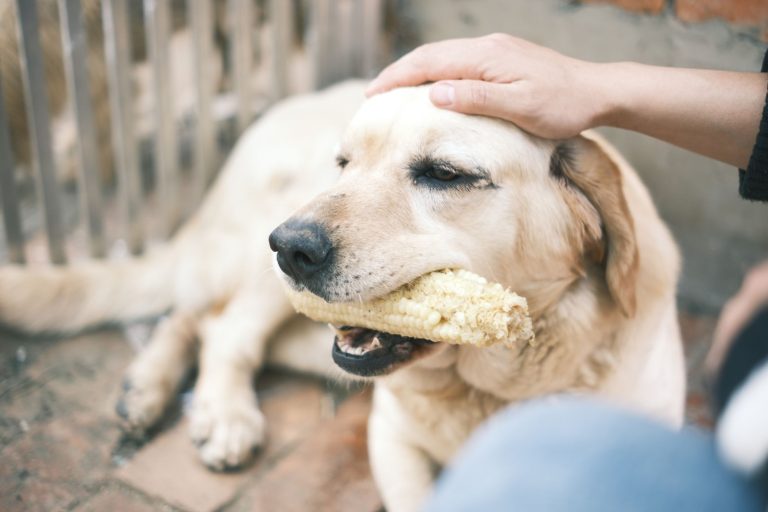
Dogs can eat several vegetables safely, including carrots, green beans, cucumbers, pumpkin, sweet potatoes, peas, and cooked broccoli. Serve vegetables plain, washed, and cut into bite-size pieces. They should complement a complete dog food rather than replace it, and some vegetables—especially onions, garlic, and wild mushrooms—can be dangerous.
Which vegetables can dogs eat safely?
Many common vegetables are safe for dogs when prepared simply and offered in modest portions. Fresh, frozen, or cooked vegetables can work, but salt, butter, oils, sauces, and seasoning should stay out of the bowl.
- Carrots: Raw carrot sticks or lightly cooked carrots provide crunch and fiber. Large pieces can be a choking risk, so cut them to suit the dog’s size.
- Green beans: Plain green beans are low in calories and can be served chopped, steamed, or straight from a no-salt-added package.
- Cucumber: Cucumber contains a lot of water and can make a refreshing occasional snack. Remove large seeds if they seem tough, and cut thick rounds into smaller pieces.
- Pumpkin: Plain cooked pumpkin or canned pumpkin puree can provide fiber. Canned pumpkin pie filling is different and may contain sugar, spices, or other ingredients dogs should avoid.
- Sweet potato: Cooked, peeled sweet potato is generally suitable. It should be plain and served in small portions because it is relatively starchy.
- Peas: Garden peas, snow peas, and snap peas can be safe in small amounts. Remove tough pods when appropriate, and check frozen or canned products for added salt.
- Broccoli: Small amounts of raw or cooked broccoli are usually fine. Large servings may cause stomach upset because broccoli contains compounds that can irritate the digestive system.
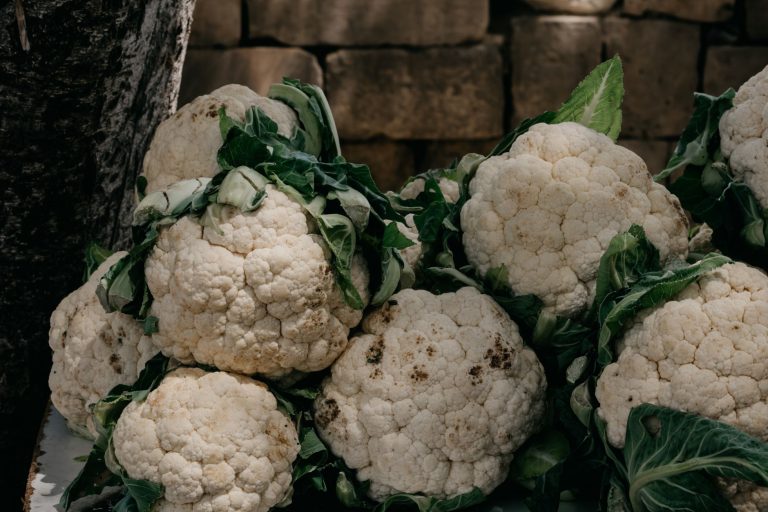
- Cauliflower: Plain raw or cooked cauliflower is another reasonable occasional treat, although too much may cause gas.
- Celery: Celery is low in calories and can be chopped into small pieces. Its strings and firm texture make careful cutting especially useful for small dogs.
- Bell peppers: Red, yellow, and green bell peppers are generally safe after removing the stem and seeds. Do not confuse them with hot peppers, which can cause painful mouth and stomach irritation.
- Zucchini: Plain zucchini, raw or cooked, is usually well tolerated. Avoid versions prepared with garlic, onions, heavy oils, or rich sauces.
- Spinach: A few bites of cooked spinach are unlikely to harm most healthy dogs, but it is not a vegetable to serve in large amounts. Dogs with kidney problems may need to avoid it because of its oxalate content.
Preparation matters as much as the vegetable itself. A plain steamed carrot is very different from a carrot cooked in onion gravy, and a spoonful of pure pumpkin is different from sweetened pie filling.
How should vegetables be prepared for dogs?
Dogs usually handle vegetables best when they are clean, plain, and cut into manageable pieces. Washing removes dirt and some surface residue, while chopping reduces the chance that a firm vegetable will become lodged in the throat.
- Wash fresh produce. Rinse vegetables under running water and remove damaged areas, stems, leaves, and pits where relevant.
- Cut pieces to match the dog. A Chihuahua needs much smaller pieces than a Labrador. Round, firm pieces such as carrot coins deserve extra care.
- Cook hard or fibrous vegetables when useful. Steaming or boiling can soften carrots, sweet potatoes, broccoli, and cauliflower, making them easier to chew.
- Keep ingredients plain. Skip salt, garlic, onions, chives, leeks, butter, cream, chili, and seasoning blends.
- Introduce one new food at a time. This makes it easier to identify the cause if loose stool, vomiting, itching, or gas develops.
- Start with a small amount. A teaspoon may be enough for a small dog’s first taste; a larger dog can try a tablespoon or two.
Raw vegetables are not automatically healthier than cooked ones for dogs. Cooking can soften texture and improve digestibility, while raw vegetables may provide a crunchy, low-calorie treat. The best choice depends on the individual dog’s chewing ability and stomach.

Photo by MART PRODUCTION on Pexels
How much vegetables can dogs eat?
Vegetables should normally remain treats or meal additions, not the foundation of a dog’s diet. A practical general rule is to keep treats—including vegetables, biscuits, chews, and scraps—to about 10% or less of a dog’s daily calories, with the remaining food coming from a complete and balanced diet.
The right portion depends on the dog’s size, age, activity, health, and total calorie intake. A few pea-sized pieces may be enough for a toy breed, while a large active dog may tolerate a small handful. Even healthy vegetables can contribute excess calories or cause digestive upset when offered freely.
| Dog size | Reasonable first serving | Practical example |
|---|---|---|
| Very small | 1 teaspoon | Two or three tiny carrot pieces |
| Small | 1–2 teaspoons | A few chopped green beans |
| Medium | 1–2 tablespoons | A small spoonful of pumpkin or chopped cucumber |
| Large | 2–4 tablespoons | A small handful of mixed plain vegetables |
These are starting points rather than medical prescriptions. A dog with diabetes, obesity, food allergies, bowel disease, kidney disease, or a prescription diet may need different limits. A veterinarian can help fit treats into the dog’s overall feeding plan.
Which vegetables should dogs never eat?
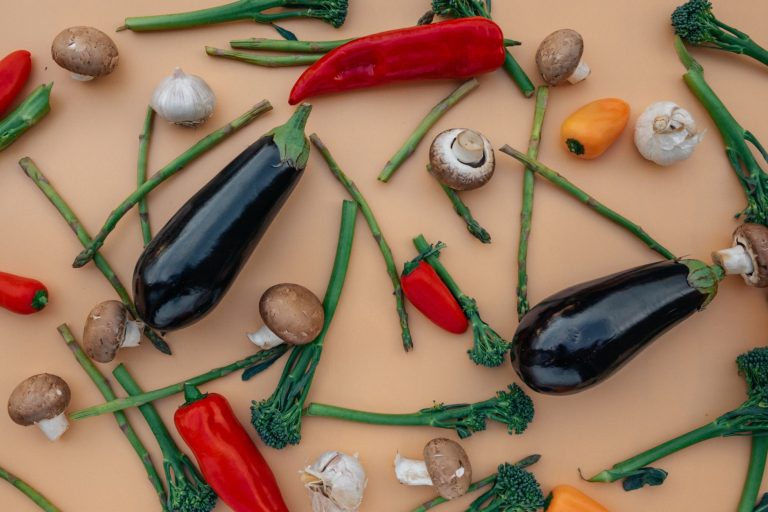
Some vegetables are unsafe because they can damage red blood cells, irritate the digestive tract, cause choking, or contain toxic compounds. The clearest items to keep away from dogs are onions, garlic, leeks, chives, and wild mushrooms.
- Onions, garlic, leeks, and chives: These allium vegetables can damage a dog’s red blood cells and may lead to anemia. They can be harmful raw, cooked, dried, or powdered, so seasoning mixes and sauces deserve attention.
- Wild mushrooms: Some wild mushrooms contain toxins that affect the stomach, nervous system, liver, or kidneys. Dogs should not eat mushrooms picked outdoors unless a qualified expert has confirmed the species and safety.
- Green or sprouting potatoes: Green areas, sprouts, and raw potato plants contain higher levels of solanine and related compounds. A small amount of plain, fully cooked potato may be tolerated, but green or sprouting pieces belong in the trash.
- Unripe tomatoes and tomato plants: The green parts contain compounds that can cause problems if eaten in enough quantity. Ripe red tomato flesh is generally less concerning, but it is still an unnecessary treat for many dogs.
- Hot peppers: Chili peppers can cause burning, drooling, vomiting, diarrhea, and significant discomfort. Mild bell peppers are a different food and are usually safer.
Food scraps are a common source of vegetable-related trouble. A dog may not eat a raw onion from the cutting board, yet still consume onion powder in gravy, soup, stuffing, or a seasoned meat dish.
Can dogs eat vegetables every day?
Healthy dogs may eat a small portion of suitable vegetables every day if the amount fits their calorie needs and their stool remains normal. Daily vegetables are not necessary, however, because a properly formulated complete dog food already supplies the nutrients a dog needs.
Too much produce can dilute the nutrition of the main diet. It can also produce gas, soft stool, diarrhea, or vomiting, particularly when a dog suddenly receives a large amount of fiber. Gradual changes are kinder to the digestive system than a dramatic switch.
Vegetables should also not be used to improvise a homemade diet. Dogs require carefully balanced amounts of protein, fat, vitamins, minerals, and essential fatty acids. A home-prepared diet should be designed with veterinary nutrition guidance rather than assembled from meat and vegetables alone.

Photo by Cats Coming on Pexels
Are vegetables useful for overweight dogs?
Some vegetables can help an overweight dog receive small, satisfying treats without adding as many calories as cheese, fatty meat, or commercial biscuits. Green beans, cucumber, celery, and small pieces of carrot are common choices.
Vegetables do not make weight loss automatic. Portion size, the main diet, exercise, medical conditions, and all treats still matter. A dog that gains weight despite a carefully measured diet may need a veterinary check for feeding errors, reduced activity, medications, or health problems.
Replacing a large share of the dog’s normal food with vegetables is not a safe shortcut. It can leave the diet short of essential nutrients, particularly protein and certain vitamins and minerals. Weight-loss diets should be adjusted by changing calories while preserving nutritional completeness.
What should owners do if a dog eats a dangerous vegetable?
Contact a veterinarian promptly if a dog eats onions, garlic, leeks, chives, wild mushrooms, green potatoes, or a large amount of an unknown plant. The risk depends on the food, amount, dog’s weight, and time since ingestion, so guessing from appearance alone is unreliable.
Signs of a possible toxic reaction include repeated vomiting, diarrhea, weakness, unusual tiredness, pale gums, fast breathing, tremors, seizures, collapse, or dark urine. Some problems, especially those involving red blood cell damage, may not appear immediately.
Do not induce vomiting unless a veterinarian or animal poison service specifically instructs you to do so. Keep the packaging, plant material, or a photograph of the food if available, and record approximately how much the dog ate and when.
Frequently Asked Questions
Can dogs eat raw carrots?
Yes, most dogs can eat raw carrots in small, bite-size pieces. Carrots are crunchy and relatively low in calories, but large chunks can cause choking, especially in small dogs or dogs that gulp food.
Can dogs eat potatoes?
Plain, fully cooked potato may be suitable in a small amount, but raw, green, sprouting, or plant parts should be avoided. Potatoes are starchy, so they should not replace a nutritionally complete dog food.
Can dogs eat canned vegetables?
Dogs can sometimes eat canned vegetables if they contain no onion, garlic, sauces, or excess salt. Choose no-salt-added products when possible and rinse vegetables if the label shows added sodium.
Can dogs eat frozen vegetables?
Plain frozen vegetables are generally fine after checking the ingredient list. Thaw or cook hard pieces when needed, and never offer frozen chunks that are large enough to create a choking risk.
Can dogs eat vegetable soup?
Most prepared vegetable soups are poor choices because they often contain onion, garlic, salt, rich stock, or seasoning. A small serving of plain home-cooked vegetables is safer than soup made for people.
How quickly should a new vegetable be introduced?
Start with a small bite and observe the dog for a day or two before offering more. Stop the food and contact a veterinarian if vomiting, persistent diarrhea, facial swelling, breathing trouble, or marked itching occurs.
The safest everyday approach is simple: choose a plain vegetable such as carrot, green bean, cucumber, or pumpkin, cut it appropriately, and keep the serving small enough that the dog’s complete food remains the main meal.

Mim Creation
Writer at Helmet Today, covering helmet reviews, fit and riding safety.