Yes, most dogs can eat small amounts of plain, properly prepared greens. Safe choices include spinach, kale, lettuce, green beans, peas, and cooked broccoli. Wash produce, remove tough stems, and serve it chopped or cooked without salt, oil, garlic, or onion. Greens should remain an occasional supplement, not a replacement for complete dog food.
Which greens can dogs eat safely?
Several common vegetables are safe for dogs when served plain and in modest portions. Fresh greens can provide fiber, water, and small amounts of vitamins, but dogs do not need vegetables to meet their basic nutritional requirements if they eat a complete and balanced diet.
| Green food | How to serve it | Main caution |
|---|---|---|
| Lettuce | Raw, washed, and chopped | Large pieces can be difficult to chew |
| Green beans | Plain, cooked or raw, cut into pieces | Avoid canned versions with added salt |
| Peas | Fresh or frozen and thawed; cooked is also fine | Serve as a small treat, not a major diet ingredient |
| Broccoli | Small, steamed pieces | Large portions may cause gas or stomach upset |
| Kale | Small amounts, chopped and preferably cooked | May irritate some dogs’ stomachs |
| Spinach | Occasionally, in a small portion | Contains oxalates and is not a good everyday vegetable |
| Arugula | A few chopped leaves | Its peppery taste may discourage some dogs |
Green beans are often the easiest choice because they are mild, low in fat, and simple to portion. A few chopped green beans can work as a training treat or as a small addition to a meal, provided they are not covered in butter, gravy, or seasoning.
Lettuce is also generally harmless, although it offers relatively little nutrition compared with other vegetables. Romaine, leaf lettuce, and iceberg lettuce can all be given in small pieces. A whole leaf may be swallowed quickly, so cutting it into strips reduces the risk of gagging and makes it easier to digest.
Broccoli, kale, and Brussels sprouts are safe for many dogs in small quantities, but they can produce gas. Steaming these vegetables until they are tender can make them easier to chew. The florets and leaves are usually preferable to tough stems, which can be fibrous and difficult for a dog to handle.

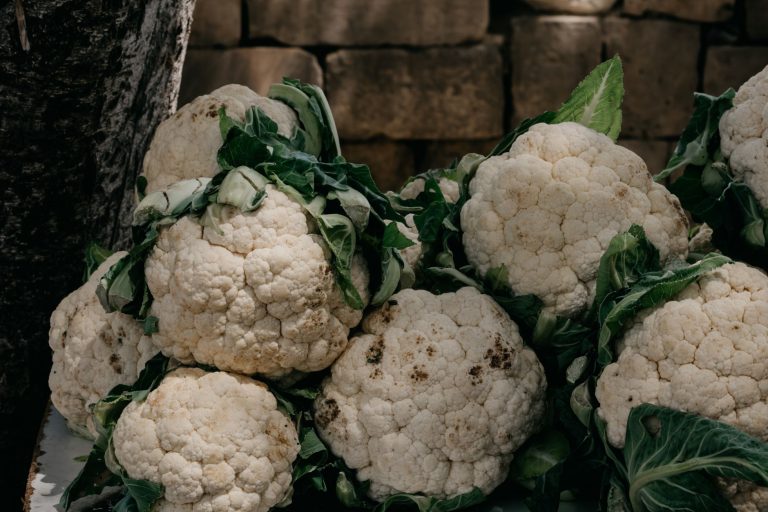
Photo by Eva Bronzini on Pexels
What greens should dogs avoid?
Some green-looking plants are toxic, while others become dangerous because of the ingredients served with them. Dogs should never be given onions, garlic, leeks, chives, or wild members of the onion family. These foods can damage red blood cells and may cause anemia, with risk depending on the amount eaten and the dog’s size.
Avocado deserves separate caution. The flesh is not usually treated as highly toxic to dogs in the same way that onions are, but avocado can still create problems because it is fatty, its large pit can cause an intestinal blockage, and the skin and leaves contain more persin. The safest approach is to keep the whole fruit, especially the pit, away from dogs.
Wild plants and lawn weeds should not be offered unless they have been positively identified as safe. A dog can encounter pesticides, herbicides, slug pellets, toxic mushrooms, or poisonous ornamental plants in the same patch of grass. “Green” does not mean edible.
- Do not feed dogs onions, garlic, leeks, or chives.
- Do not offer greens cooked with sauces, stock, butter, or seasoning mixes.
- Do not let dogs eat unknown garden plants, weeds, or mushrooms.
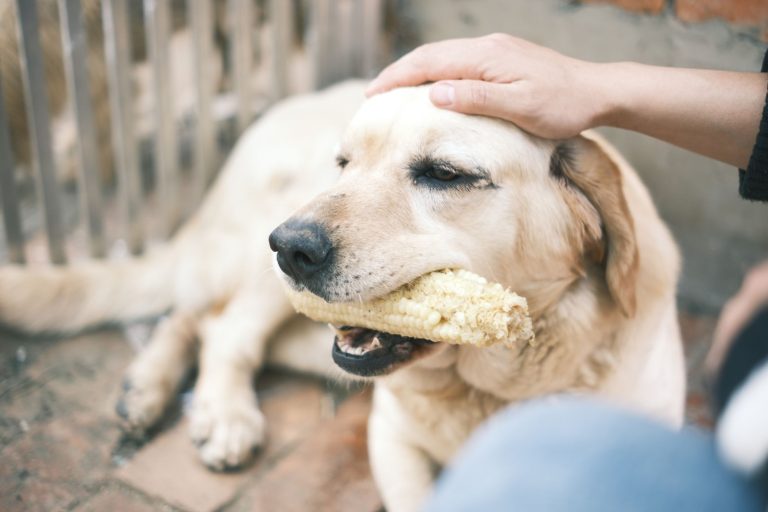
- Do not give corn cobs, large vegetable stalks, or other pieces that could block the intestine.
- Do not rely on social-media claims that a particular plant “detoxes” a dog.
Prepared human foods can hide risky ingredients. A dog may tolerate plain steamed spinach but become ill after eating creamed spinach containing garlic, onion powder, dairy, and a large amount of fat. The vegetable is only one part of the safety question; preparation matters just as much.
How should greens be prepared for dogs?
Wash greens under running water, remove spoiled sections, and cut them into pieces appropriate for the dog’s size. Washing reduces surface dirt and some contaminants, but it does not make a poisonous plant safe or remove every pesticide residue.
Plain is the safest preparation. Dogs do not need salt, pepper, garlic, onion, chili, dressings, or cooking oils added to vegetables. Steaming is a useful method for firm vegetables because it softens them without requiring much fat or seasoning.
Raw greens are suitable for many dogs, especially tender lettuce and green beans, but raw vegetables can be harder to digest. Cooking may help dogs with sensitive stomachs, dental problems, or a tendency to gulp food. Chopping or lightly mashing the vegetables also reduces the chance of a dog swallowing a large, poorly chewed piece.
Frozen peas and green beans can be served after thawing. Small frozen pieces may also be used as occasional treats for dogs that chew carefully, but very hard or large frozen chunks can be a choking concern. Canned vegetables are less useful because they often contain substantial added sodium; if canned food is the only option, choose no-salt-added products and rinse them well.
How much greens can a dog eat?
Greens and other extras should generally make up no more than about 10 percent of a dog’s daily calories, with the remaining 90 percent coming from a complete and balanced food. That 10 percent is a practical upper limit for all treats and table foods combined, not vegetables alone.
Portion size should match the dog. A small dog may need only one or two teaspoons of chopped greens at first, while a large dog might tolerate one or two tablespoons. Starting with less is wiser than filling a bowl with vegetables, because even safe foods can cause diarrhea, vomiting, or gas when introduced too quickly.
- Offer one plain green vegetable at a time.
- Start with a very small amount.
- Watch for vomiting, diarrhea, itching, or unusual gas over the next day.
- If the dog remains well, increase the portion gradually but keep it modest.
A dog’s normal meals should be adjusted if vegetable treats become frequent. Although many vegetables are low in calories, extras can still add up, especially when mixed with cheese, peanut butter, meat, or commercial treats. Excess treats can contribute to weight gain and can unbalance a carefully formulated diet.
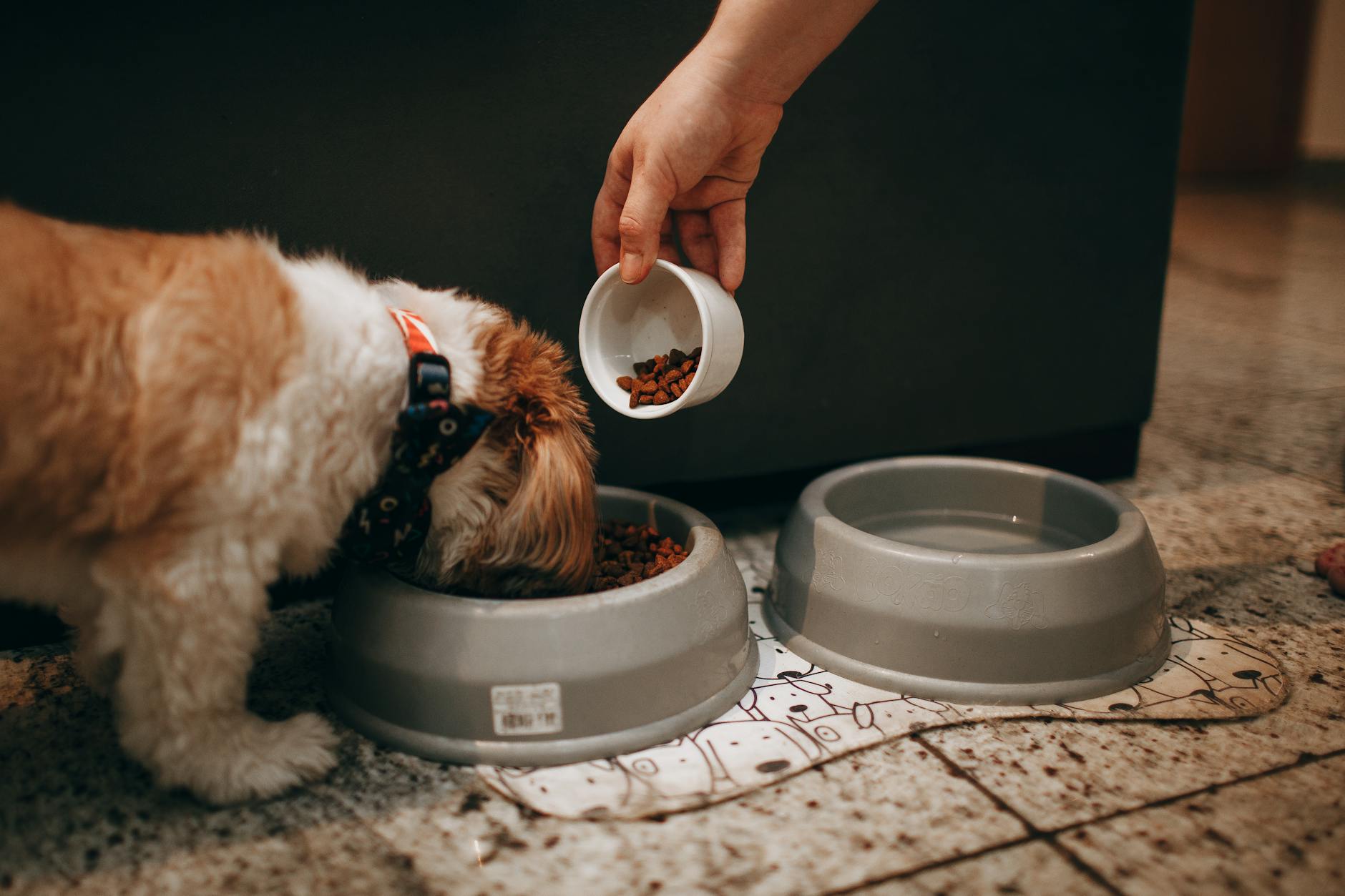
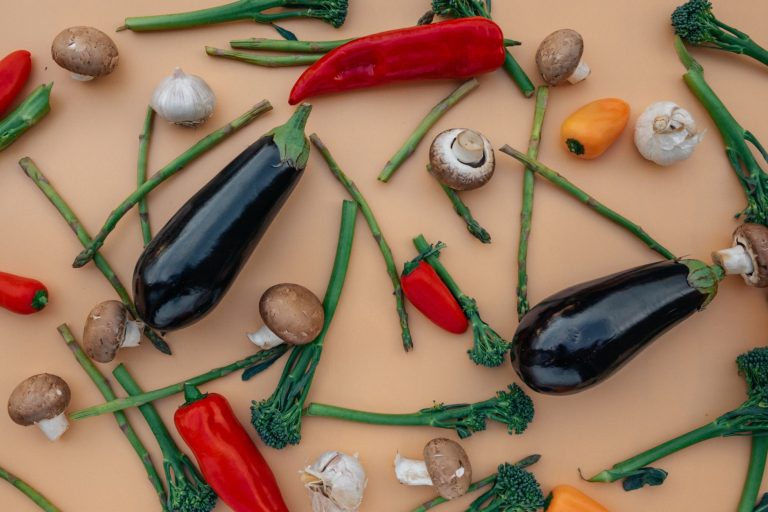
Photo by Helena Lopes on Pexels
Are leafy greens healthy for dogs?
Leafy greens can provide fiber and water, and they contain nutrients such as vitamin K, folate, and various plant compounds. Their practical benefit is usually modest, however. A few leaves will not correct a nutritional deficiency, and a dog eating a good commercial or home-prepared diet under veterinary guidance generally does not need greens for vitamins.
Fiber may help some dogs produce firmer, more regular stools, but it can worsen digestive upset in others. A sudden serving of kale or a large bowl of raw spinach may lead to gas or loose stool rather than better digestion.
Spinach and kale need a little more restraint than lettuce or green beans. Spinach contains oxalates, compounds that can bind minerals and may be a concern in dogs with certain urinary or kidney conditions. Kale contains compounds that may irritate the digestive system in large amounts. Neither vegetable needs to be banned for every healthy dog, but neither is a sensible daily staple.
Dogs with kidney disease, bladder stones, pancreatitis, inflammatory bowel disease, food allergies, or a prescribed therapeutic diet need individualized advice. A vegetable that is acceptable for a healthy adult dog may not fit a medical diet. Puppies, pregnant dogs, and dogs taking medication also deserve more careful dietary guidance before receiving new foods regularly.
Can dogs eat greens from a salad?
Dogs may eat a small amount of plain salad greens, but a typical human salad is not automatically dog-safe. Salad often includes onion, garlic dressing, blue cheese, raisins, grapes, avocado, macadamia nuts, or a high-fat sauce. Several of those ingredients can cause serious illness.
A dog-safe salad would be little more than washed, chopped lettuce or a few green beans. It should contain no dressing, seasoning, cheese, croutons, onion, garlic, grapes, raisins, or other toppings. Even then, it should be treated as a small snack rather than a meal.
What should you do if a dog eats too many greens?
A small accidental serving of plain lettuce, kale, or green beans usually causes no serious problem, although gas or soft stool can occur. Remove the remaining food, provide access to fresh water, and monitor the dog rather than giving additional treats.
Contact a veterinarian promptly if the dog ate greens containing onion or garlic, consumed an unknown plant, swallowed a large stalk or corn cob, or shows repeated vomiting, severe diarrhea, weakness, pale gums, abdominal pain, trouble breathing, collapse, or unusual lethargy. Do not induce vomiting unless a veterinary professional specifically instructs you to do so.
When calling, identify the plant or food, estimate how much was eaten, note when it happened, and provide the dog’s approximate weight. Packaging, a photograph of the plant, or the ingredient list can help a veterinarian assess the risk quickly.

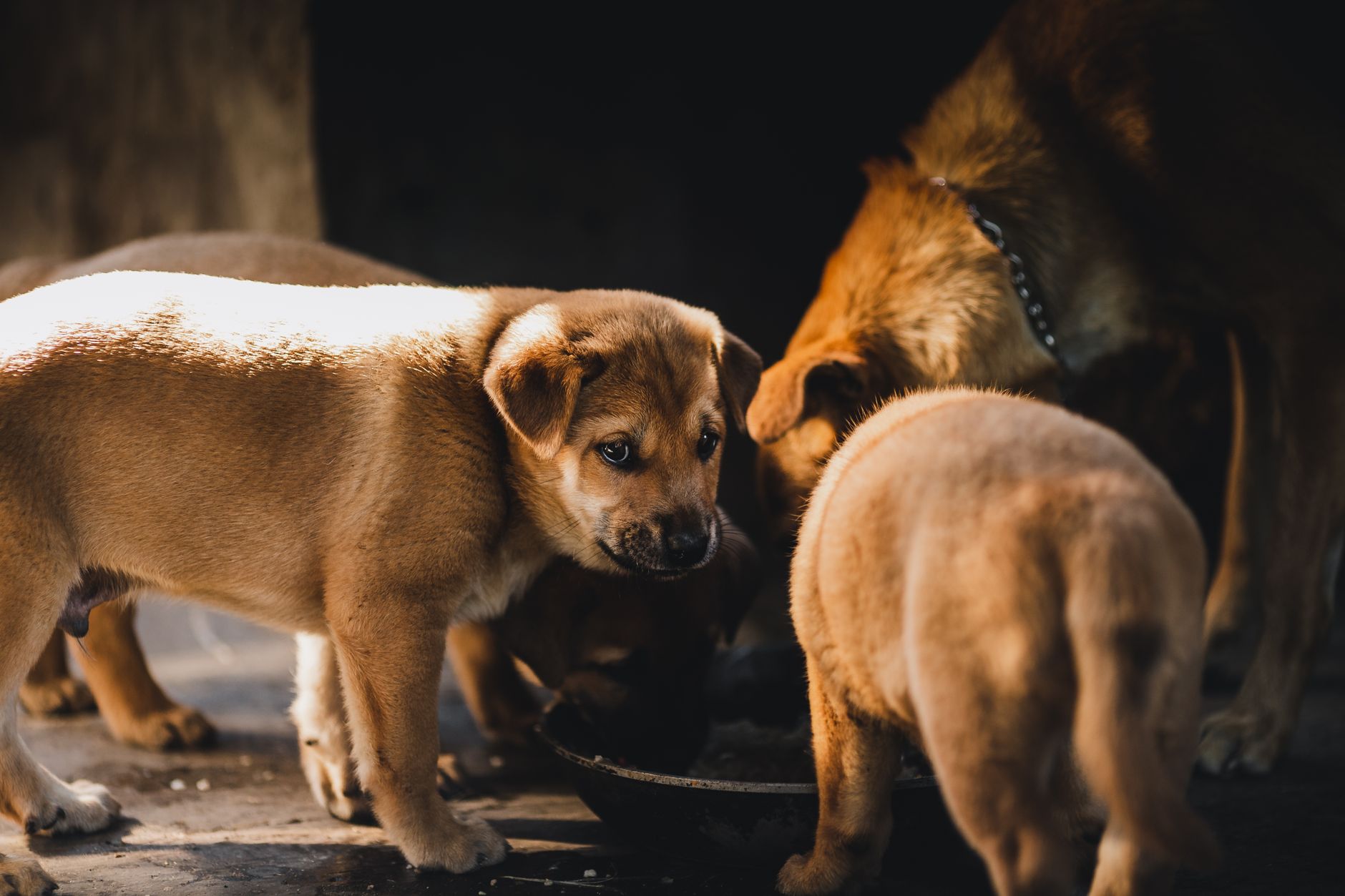
Photo by Mikhail Nilov on Pexels
Frequently Asked Questions
Can dogs eat raw greens?
Many dogs can eat small amounts of raw lettuce, green beans, peas, or other safe vegetables. Wash and chop them first, and introduce one food at a time. Cooking may be easier for dogs with sensitive digestion or dental problems.
Can dogs eat spinach every day?
Daily spinach is not recommended. Spinach contains oxalates and may cause digestive upset, particularly in large portions or in dogs with kidney or urinary problems. Occasional small amounts may be acceptable for a healthy dog, but green beans or lettuce are simpler routine choices.
Can dogs eat kale?
Healthy dogs can usually have a small amount of plain kale, preferably chopped or lightly cooked. Large servings may cause gas or stomach upset, and dogs with kidney or urinary conditions should receive veterinary advice before eating it.
Can dogs eat cooked greens?
Cooked greens are generally safe when they are plain and soft. Avoid recipes containing onion, garlic, salt, butter, cream, rich sauces, or spicy seasonings. Steaming is often a better option than frying or sautéing in oil.
Are green vegetables good for dogs with diarrhea?
Greens are not a reliable treatment for diarrhea. Extra fiber may help some digestive problems but can make others worse, and sudden dietary changes commonly prolong stomach upset. Persistent diarrhea, blood, vomiting, dehydration, or weakness warrants veterinary attention.
Can greens replace dog food?
No. Greens do not provide the balanced protein, fat, vitamins, and minerals dogs need for long-term health. Use vegetables as occasional treats alongside a complete and balanced diet, not as the main meal.

Mim Creation
Writer at Helmet Today, covering helmet reviews, fit and riding safety.