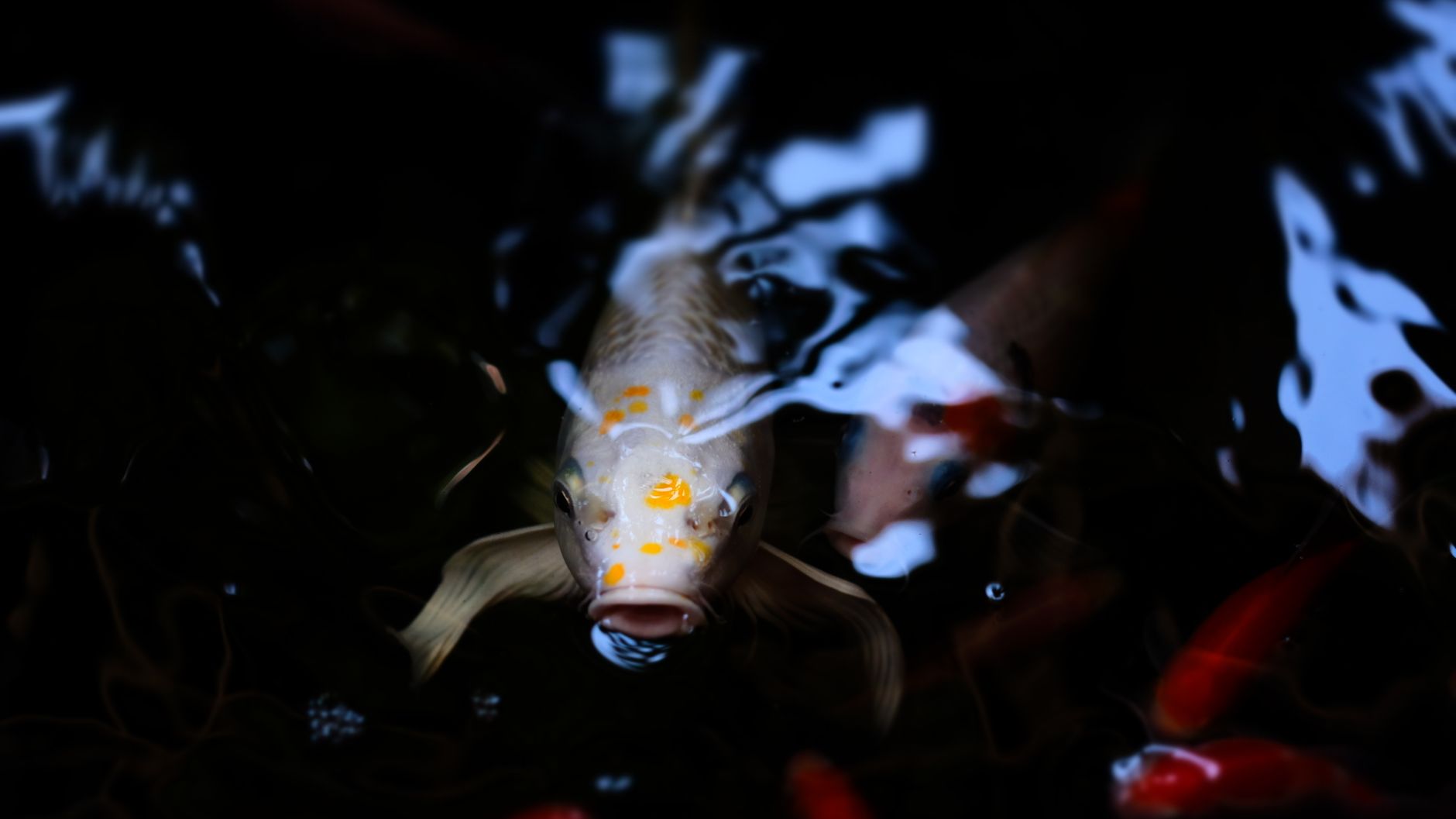
Goldfish usually live 10 to 15 years when they have suitable water, enough space, good food, and regular care. Some reach 20 years or more, especially in well-managed ponds. Small bowls often shorten their lives because they cannot provide stable water quality, oxygen, filtration, or swimming room.
How long do goldfish live in a typical home?
Most healthy pet goldfish live around 10 to 15 years, although lifespan varies with variety, housing, diet, genetics, and water quality. A fish that survives only a year or two is not necessarily “naturally short-lived”; poor conditions are often the bigger explanation.
Fancy goldfish, such as orandas, ranchus, ryukins, and fantails, commonly live about 8 to 15 years in well-maintained aquariums. Common goldfish, comets, and shubunkins are generally hardier and may live 10 to 20 years, particularly when kept in a spacious pond.
Exceptional goldfish can live considerably longer. The often-cited record holder, Tish, reportedly lived for 43 years in the United Kingdom. That kind of lifespan is unusual, not a normal target, but it shows that goldfish are long-term pets rather than disposable starter animals.
| Goldfish type | Common lifespan with good care | Typical best setting |
|---|---|---|
| Common goldfish | 10–20 years | Large aquarium or pond |
| Comet | 10–20 years | Large aquarium or pond |
| Shubunkin | 10–20 years | Pond or very large aquarium |
| Fancy varieties | 8–15 years | Spacious, filtered aquarium |
These ranges are practical estimates rather than guarantees. A fish’s inherited health, early care, injuries, disease, and living conditions all affect the result. Goldfish sold at small sizes may also be juveniles whose eventual body size surprises new owners.
Why do goldfish live longer than many people expect?
Goldfish are domesticated carp, and carp are naturally sturdy, adaptable freshwater fish. Their bodies can tolerate a range of conditions better than those of many delicate tropical species, but hardiness does not make them immune to polluted water or overcrowding.
Goldfish also grow throughout their lives. Growth slows with age, yet a healthy adult still needs enough room to swim and enough filtration to process its waste. This is one reason the classic small bowl causes trouble: the container may look suitable for a tiny fish, but the fish does not stay tiny.
A goldfish’s lifespan depends heavily on its environment. In a properly maintained aquarium, beneficial bacteria convert toxic fish waste into less harmful compounds. This biological filtration process, usually called the nitrogen cycle, is the foundation of safe goldfish keeping.
Goldfish produce more waste than many people expect for their size. They also stir up the bottom while searching for food, which can add debris to the water. A small container becomes polluted quickly, and repeated emergency cleanups cannot fully replace a stable, mature aquarium system.
Can goldfish really live in a bowl?
Goldfish can survive temporarily in a bowl, but a bowl is a poor long-term home. It usually holds too little water, has limited surface area for oxygen exchange, leaves no space for effective filtration, and allows temperature and water chemistry to change quickly.
The problem is not simply that a bowl is small. Small water volumes are less forgiving. A little uneaten food or a small amount of waste can cause a much larger change in water quality than it would in a properly sized aquarium.
Bowls also encourage owners to replace all the water at once. That may remove pollutants, but sudden changes in temperature or chemistry can stress the fish. Partial water changes with dechlorinated water are generally safer when they are carried out regularly and correctly.
A practical home setup includes a fully cycled aquarium, a filter, a secure lid, a thermometer, and enough room for the fish to turn and swim normally. Common and comet goldfish often need pond-scale housing as adults, while fancy varieties are usually better suited to large indoor aquariums.
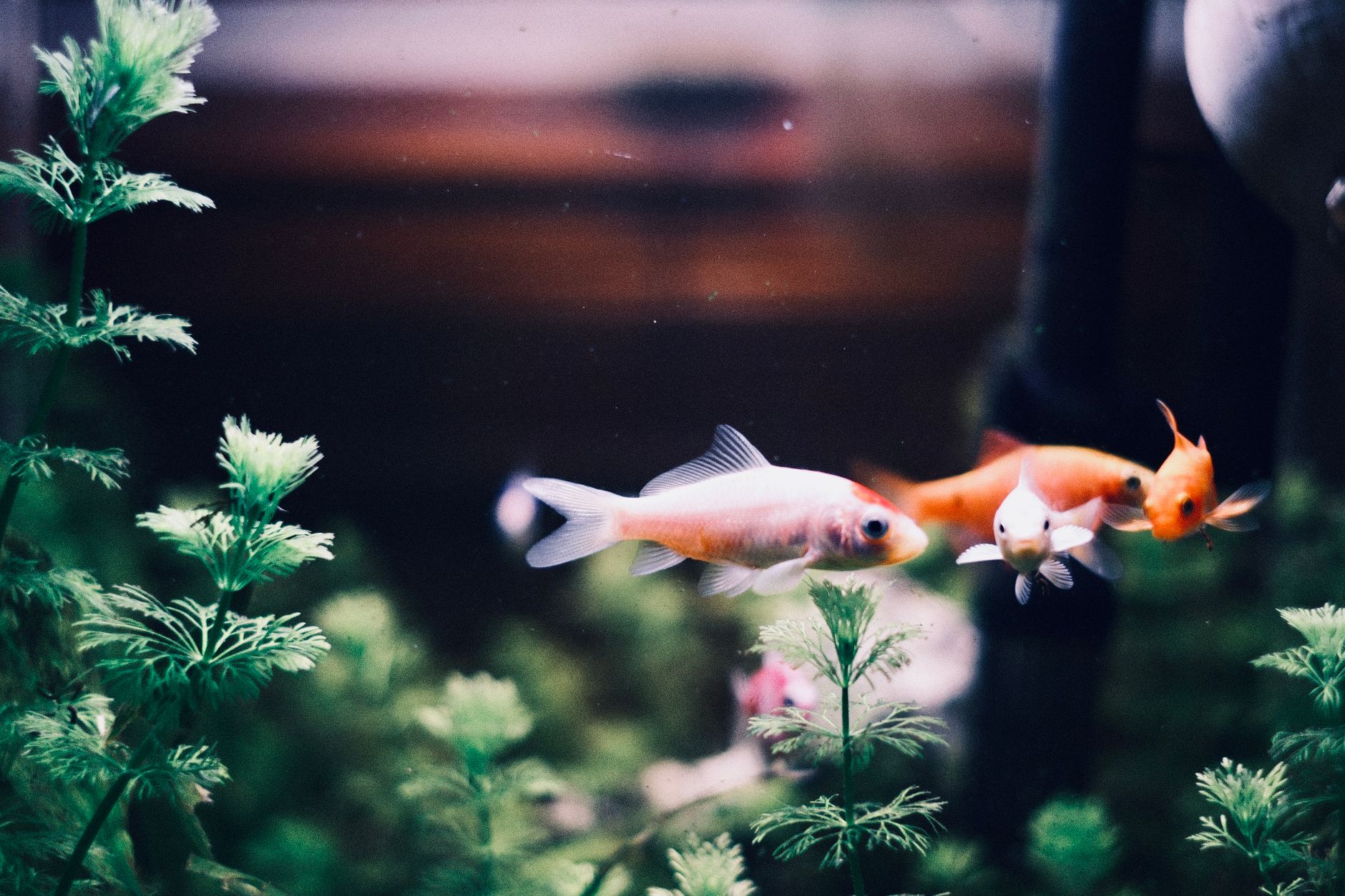
Photo by Nguyễn Khánh on Pexels
How big should a goldfish aquarium be?
There is no single tank size that fits every goldfish, because adult body size and variety matter. A small juvenile may fit comfortably for a short period, but planning around its adult size prevents repeated moves and chronic crowding.
Fancy goldfish are often kept in aquariums of roughly 75 gallons for a small group, with additional volume needed as more fish are added. Exact recommendations differ because filtration, tank shape, maintenance routines, and the fish’s adult size all matter.
Common goldfish, comets, and shubunkins typically grow longer and swim more actively than fancy varieties. They are usually better candidates for large outdoor ponds, provided the pond has safe water conditions, protection from predators, suitable depth, and enough oxygen.
Length is only part of the calculation. A long, low aquarium gives active goldfish more usable swimming space than a tall, narrow container holding the same volume. Surface area also matters because it supports gas exchange between the water and air.
Overcrowding creates several problems at once:
- Waste accumulates faster than the filter and beneficial bacteria can process it.
- Fish compete more intensely for food and resting space.
- Oxygen levels may fall, especially overnight in heavily stocked ponds.
- Diseases and parasites can spread more easily.
- Stunted growth and chronic stress become more likely.
What water conditions help goldfish live longer?
Stable, clean water is more useful than chasing a perfect number. Goldfish generally do well in cool freshwater, with many aquarists keeping them around 18 to 23 degrees Celsius, or 65 to 74 degrees Fahrenheit, depending on the variety and household conditions.
Ammonia and nitrite should remain at zero in a healthy established aquarium. Nitrate is less toxic but should be controlled through water changes and sensible stocking. A liquid test kit can reveal problems that are invisible to the eye; clear water is not necessarily safe water.
Tap water must be treated with a product that removes chlorine and chloramine before it enters the aquarium. These disinfectants protect public drinking water, but they can damage fish gills and beneficial filter bacteria.
Regular partial water changes are usually more helpful than occasional major cleanouts. Many setups need roughly 20 to 30 percent changed weekly, although the right schedule depends on test results, tank size, feeding, and stocking. Gravel should be vacuumed carefully, and filter media should be rinsed in removed aquarium water rather than chlorinated tap water.
Good filtration should provide mechanical filtration for particles and biological filtration for the bacteria that process waste. Strong surface movement helps oxygenate the water, but fancy goldfish with long fins may struggle in an excessively forceful current.
What should goldfish eat to support a long life?
A balanced goldfish diet should contain a suitable staple food, occasional vegetables, and only as much as the fish can eat quickly. Floating pellets can make it easy to observe feeding, while sinking foods may reduce air gulping in some fancy goldfish.
Overfeeding is one of the most common avoidable problems. Food left on the bottom decomposes and raises the waste load. Large meals can also contribute to digestive problems, buoyancy issues, and obesity.
Many adult goldfish do well with small portions once or twice daily, though the amount should be adjusted to the fish and water tests. A useful starting point is an amount consumed within a minute or two, followed by observation rather than automatic extra feeding.
Suitable additions can include softened peas with the skin removed, blanched zucchini, spinach, or other appropriate vegetables in small portions. Treats should not replace a nutritionally complete goldfish food, and live or frozen foods should come from reliable sources to reduce the risk of introducing parasites.
How can owners tell whether a goldfish is aging normally?
Goldfish age gradually, so there is no precise visual test that reveals an exact age. Older fish may swim more slowly, rest more often, show faded or changing colors, or develop minor changes in body shape and fin condition.
Some changes are not normal aging and deserve attention. Clamped fins, rapid breathing, staying at the surface, lying on the bottom, rubbing against objects, unexplained weight loss, white spots, sores, or persistent loss of appetite can indicate illness or poor water quality.
Water should be tested first when a goldfish behaves differently. Ammonia, nitrite, nitrate, pH, and temperature provide useful clues. If test results are acceptable but symptoms continue, a veterinarian experienced with fish can help; guessing with multiple medications often makes diagnosis harder and may damage the biological filter.
Quarantine is sensible when adding new fish. Keeping newcomers separate for several weeks gives owners time to observe them and reduces the chance of introducing disease into an established aquarium or pond.

Do ponds help goldfish live longer?
A suitable pond can provide goldfish with more swimming room and a more stable volume of water than a small aquarium. Common goldfish, comets, and shubunkins often thrive in ponds because their adult size and active swimming style can be difficult to accommodate indoors.
Ponds still require regular care. They need filtration or other methods of waste control, aeration, protection from extreme heat and freezing, and enough depth for local weather conditions. Outdoor fish also face herons, raccoons, cats, snakes, and sudden water-quality changes.
Fancy goldfish may be less suitable for outdoor ponds in some areas. Their rounded bodies and delicate fins can make them slower swimmers, less able to compete for food, and more vulnerable to cold, predators, or rough water movement.
Seasonal feeding also matters. Goldfish digest food poorly in very cold water, so pond owners commonly reduce or stop feeding during cold periods and resume gradually as temperatures rise. The exact schedule depends on local climate and water temperature.
What shortens a goldfish’s lifespan?
The most common lifespan limit is chronic poor water quality rather than old age. Problems can build quietly until the fish becomes weak, develops damaged gills, or suffers repeated infections.
- Keeping a goldfish in a bowl or undersized tank.
- Adding fish before the aquarium has completed its nitrogen cycle.
- Overfeeding or leaving uneaten food in the water.
- Skipping water tests and relying only on clear-looking water.
- Using untreated tap water.
- Performing sudden, very large water changes without a specific reason.
- Overcrowding the aquarium or pond.
- Buying fish without checking for lethargy, sores, clamped fins, or abnormal swimming.
- Mixing incompatible fish or introducing newcomers without quarantine.
Temperature shock can also be dangerous. New water should be close to the aquarium’s existing temperature, and fish should be acclimated gradually when moved between containers or brought home from a store.
How can someone give a goldfish the best chance of reaching old age?
The most effective routine is simple but consistent: provide an appropriately large home, cycle the aquarium before adding fish, test the water, perform regular partial changes, feed modestly, and watch behavior every day.
- Choose housing based on the adult variety, not the fish’s current juvenile size.
- Use a filter sized for the aquarium and maintain gentle surface movement.
- Test ammonia and nitrite regularly, especially during the first weeks and after adding fish.
- Remove uneaten food and decaying plant material promptly.
- Feed small portions and vary the diet with suitable plant matter.
- Quarantine new fish before introducing them to an established group.
- Record unusual behavior, water readings, and maintenance dates.
That last habit is surprisingly useful. A written log can show that nitrate rises before each water change, that a fish’s appetite has been declining for several days, or that symptoms began after a new fish arrived. Small clues are easier to act on when they are recorded.
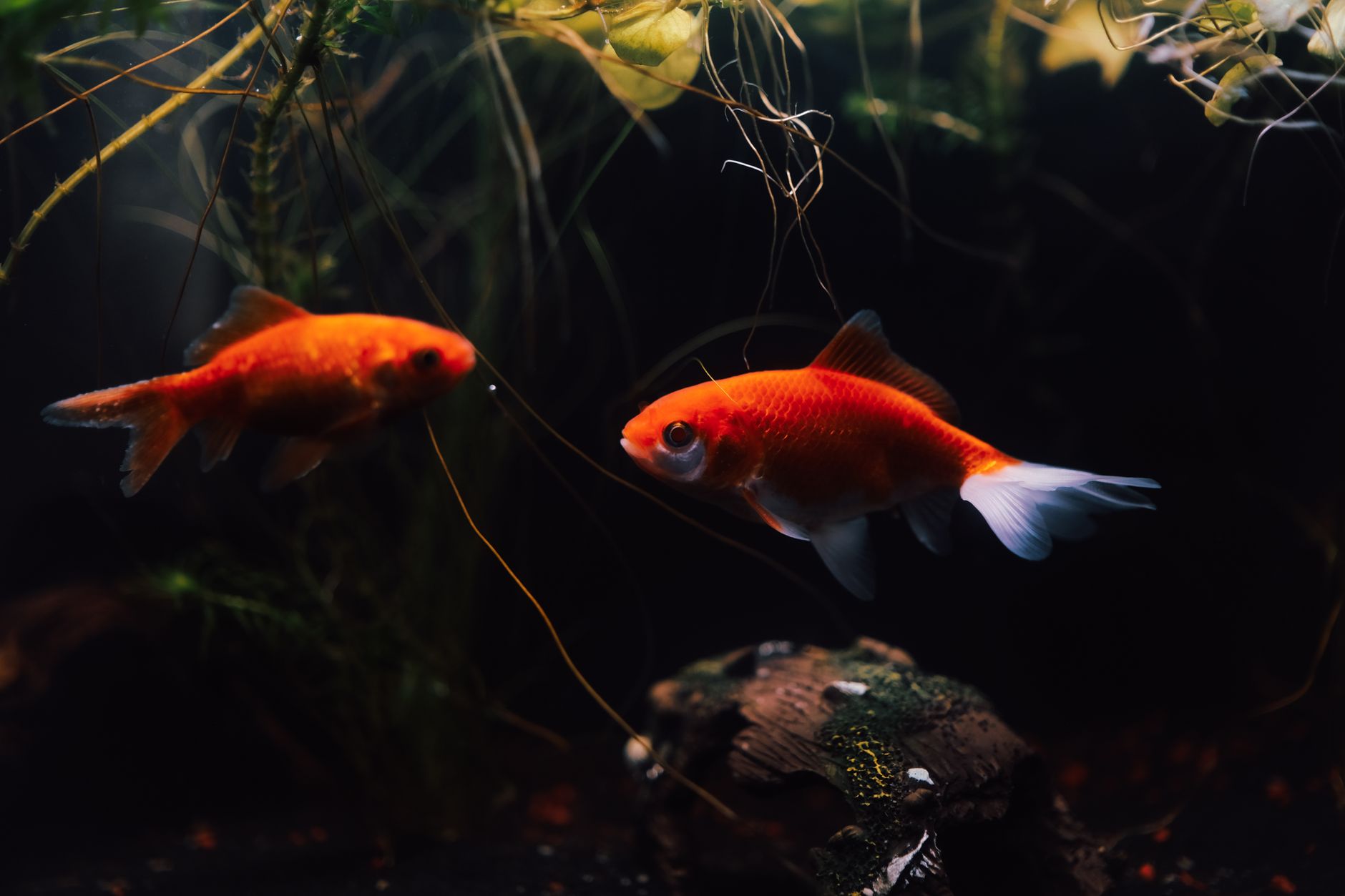
Photo by Stefan Maritz on Pexels
Frequently Asked Questions
How old is the oldest goldfish?
The oldest widely reported goldfish lived for more than 40 years. Such cases are exceptional, but they demonstrate that goldfish can survive for decades when genetics, housing, diet, and health all align.
Do goldfish live longer in ponds or aquariums?
Either setting can support a long life if it provides adequate space, filtration, oxygen, and stable water quality. Ponds often suit common and comet goldfish, while fancy varieties are frequently easier to monitor and protect in large indoor aquariums.
Can a goldfish live for 20 years?
Yes. A 20-year lifespan is possible, especially for common, comet, or shubunkin goldfish kept in excellent conditions. It is above the typical household average, so owners should treat it as a realistic possibility rather than a promise.
Why did my goldfish die after only a few months?
Early death can result from ammonia or nitrite poisoning, untreated tap water, disease, overcrowding, temperature shock, poor transport, or an unhealthy fish at purchase. Testing the water and reviewing the aquarium’s cycling and maintenance history can help identify the likely cause.
Do goldfish need a filter?
Most goldfish aquariums need filtration because goldfish produce substantial waste. A filter provides mechanical cleaning and supports beneficial bacteria, although it does not replace water changes, testing, or appropriate stocking.
How can someone tell if a goldfish is healthy?
A healthy goldfish is alert, swims normally, eats readily, and has clear eyes, intact fins, and no unexplained spots or sores. Sudden changes in breathing, appetite, position in the water, or swimming pattern should prompt water testing and closer observation.

Mim Creation
Writer at Helmet Today, covering helmet reviews, fit and riding safety.