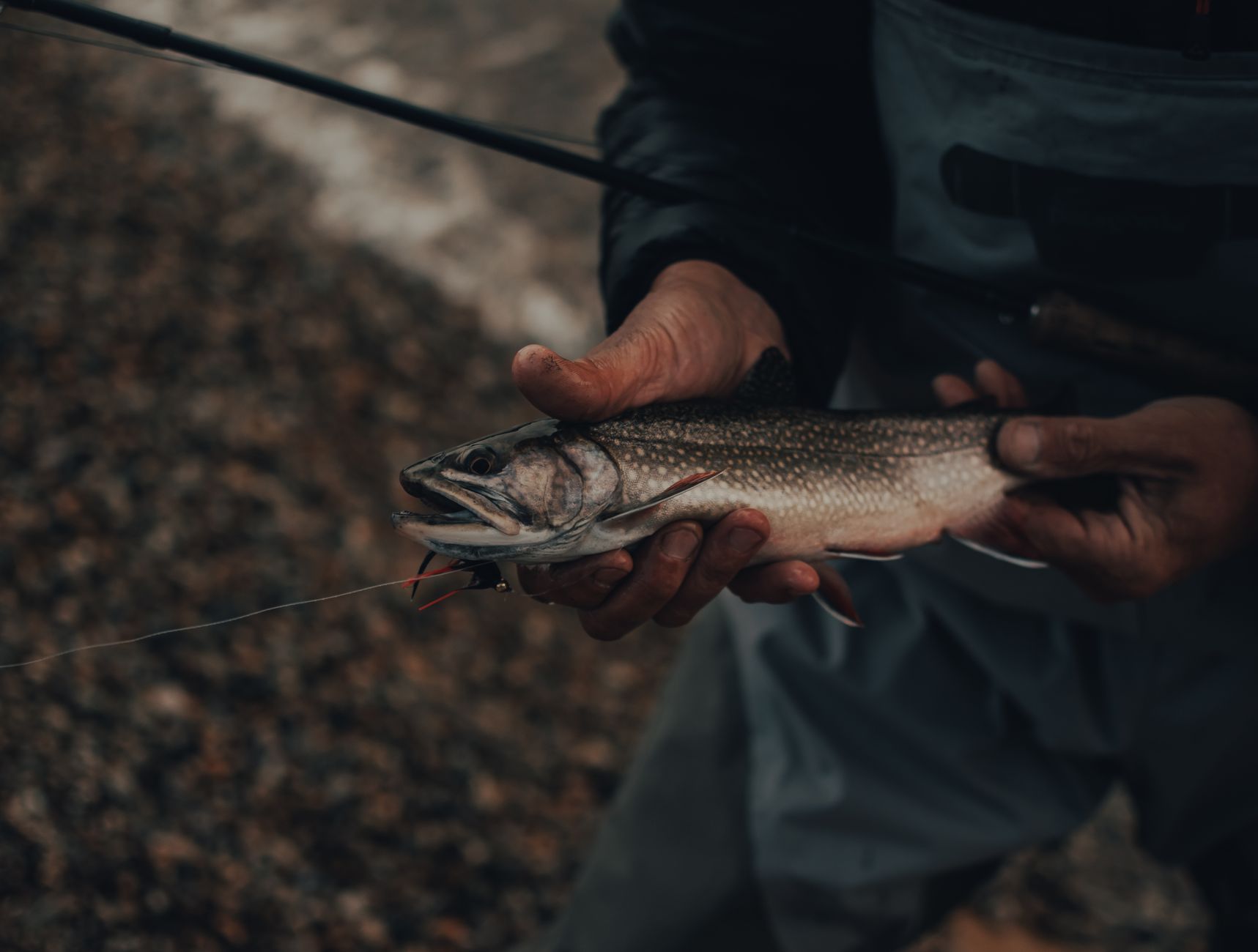
Yes, fishing is a sport when it involves skill, physical effort, strategy, competition, or measurable performance. Anglers read water, select tackle, cast accurately, manage fish safely, and adapt to changing conditions. Recreational fishing may be a quiet pastime, but organized activities such as bass tournaments, fly-fishing competitions, and competitive casting clearly meet common definitions of sport.
What makes fishing a sport?
Fishing qualifies as a sport because it combines learned skills, physical activity, decision-making, and performance under changing conditions. An angler is not simply waiting for a fish to appear. The person must choose equipment, locate fish, present bait or a lure, react to a bite, and control the fish once it is hooked.
A sport does not have to involve constant running or direct physical contact. Archery, shooting, golf, and curling all depend heavily on accuracy, timing, concentration, and technique. Fishing fits the same broader category, particularly when success can be compared through rules such as the number, size, or total weight of fish caught.
The strongest case for calling fishing a sport comes from organized competition. Competitive anglers may fish for several hours under strict limits, use designated areas, and submit catches for scoring. Their results depend on preparation and execution, not just luck.
- Skill: Casting, knot tying, lure control, fish handling, and equipment use affect results.
- Strategy: Anglers study weather, water temperature, depth, structure, currents, and seasonal behavior.
- Physical effort: Casting, wading, paddling, hiking, and fighting fish can demand considerable stamina.
- Competition: Tournaments and contests use rules, time limits, scoring systems, and officials.
- Uncertainty: Conditions change constantly, so participants must make decisions with incomplete information.
How is fishing different from a hobby or pastime?
Fishing can be a sport, a hobby, a recreational activity, or a source of food, depending on how a person practices it. Those categories can overlap. Someone might fish alone from a dock for relaxation on Saturday and enter a bass tournament the next morning.
A hobby is an activity pursued regularly for enjoyment or personal interest. A pastime is usually something done to fill leisure time. Sport generally adds a stronger emphasis on skill, physical performance, training, rules, or competition. Fishing can occupy any of those places.
| Form of fishing | What usually defines it | Is it a sport? |
|---|---|---|
| Relaxed bank fishing | Leisure, conversation, and occasional catches | Usually a pastime, though it still uses sporting skills |
| Fly fishing | Precise casting, reading currents, and presenting artificial flies | Often considered a sport, especially in competition |
| Bass tournament fishing | Timed events, regulated catches, and ranked results | Clearly a competitive sport |
| Ice fishing | Cold-weather endurance, locating fish, and specialized equipment | Can be recreation or a sport |
| Commercial fishing | Harvesting fish as paid work | Usually an occupation rather than a sport |
The setting and purpose matter more than the basic act of holding a rod. Commercial fishing may require extraordinary strength and endurance, but its main purpose is earning a living. Competitive fishing, by contrast, is organized around performance and results, which gives it a clearer sporting identity.

Photo by Francisco Fernández on Pexels
What skills does fishing require?
Fishing requires more than patience. Patience helps, but successful anglers also use observation, coordination, timing, and technical judgment. These abilities become especially visible when conditions are difficult or when the target species is wary.
Accurate casting is one of the most obvious fishing skills. An angler may need to place a lure beside a submerged log, under an overhanging branch, or within a narrow opening in vegetation. A cast that lands only a few feet away can miss the fish entirely.
Reading the environment is equally important. Fish often respond to water temperature, light levels, oxygen, food availability, current, and cover. An angler may look for weed beds, drop-offs, rocky bottoms, shaded banks, or places where moving water brings food downstream.
Tackle selection also requires practical knowledge. A light spinning rod, a heavy bait-casting setup, and a fly rod are designed for different conditions. Line strength, hook size, lure action, and leader material must match the fish, habitat, and method. Using equipment that is too light can lead to broken line; using gear that is too heavy may reduce natural movement or sensitivity.
Fish control is a separate skill from getting a bite. After a fish is hooked, the angler must maintain appropriate tension without snapping the line or pulling the hook free. The person may need to guide the fish away from weeds, rocks, or submerged branches while tiring it gradually rather than forcing it.
Is fishing physically demanding?
Fishing can range from gently casting from a chair to a demanding full-body activity. The physical challenge depends on the method, location, weather, equipment, and target species.
- Wading in moving water requires balance and careful foot placement.
- Surf fishing involves walking on sand, carrying equipment, and casting against wind.
- Kayak fishing combines paddling with casting and boat control.
- Ice fishing requires walking across snow or ice and working in cold conditions.
- Big-game fishing can involve sustained pulling, bracing, and coordination for hours.
- Fly fishing may involve repeated casts, hiking, and standing in cold water.
Even ordinary casting can become tiring during a long session. Repeated movements place stress on the shoulder, elbow, wrist, and lower back, especially when an angler uses heavy tackle or poor technique. Experienced participants often change casting angles, rest between efforts, and keep their movements controlled.
Physical intensity is not the only way to recognize a sport. Golf and precision shooting may involve less continuous exertion than soccer, yet both are widely accepted as sports because technique and performance matter. Fishing belongs to that same wide family.
How do fishing competitions work?
Fishing competitions turn individual angling skills into a structured contest. Different events use different scoring systems, so there is no single format for competitive fishing.
Bass tournaments commonly rank anglers by the combined weight of legal fish caught during a set period. Competitors may check in their fish at specific times, and penalties can apply for late returns or dead fish. Many events use live wells and release catches after weighing, although rules vary.
Fly-fishing competitions may measure the number or length of fish caught in assigned waters. Some events emphasize technical presentation, accurate casting, or the ability to catch several species under changing conditions.
Saltwater tournaments often focus on species such as marlin, tuna, tarpon, or sailfish. Scoring may depend on weight, length, tagging, or release verification. Photographs, witnesses, observers, and electronic reporting can help confirm results.
Competitive casting is another form of fishing sport that does not require catching fish. Participants may cast toward targets or for maximum distance using specified tackle. Accuracy, timing, rod control, and release technique determine the score.
- Competitors receive rules describing legal equipment, locations, species, and time limits.
- Anglers choose tactics based on weather, water conditions, and likely fish behavior.
- Catches are measured, weighed, counted, photographed, or released under event procedures.
- Officials apply penalties and calculate results using the published scoring system.
Does luck matter more than skill in fishing?
Luck affects fishing, but it does not erase the role of skill. Fish behavior is unpredictable, and even an expert can spend hours without a bite. However, skilled anglers generally improve their odds by choosing productive areas, using suitable presentations, and recognizing changes in conditions.
The difference becomes clearer over many trips or a full tournament. A lucky beginner may catch one large fish, but consistent results usually require repeatable decisions. Experienced anglers identify patterns: a certain lure works near cover, a tide concentrates bait, or a temperature change moves fish into deeper water.
Luck is also part of many accepted sports. A bad bounce can affect a tennis match, a gust can alter a golf shot, and a referee’s call can change a game. Uncertainty does not prevent an activity from being a sport; organized rules and participant skill provide the structure.

Photo by Bruce Squiers on Pexels
Why do some people say fishing is not a sport?
Some people reject the label because recreational fishing can involve long periods of sitting quietly, and success may depend partly on whether fish happen to be present. Compared with basketball or running, fishing may appear less physically active and less predictable.
That criticism makes sense when describing casual fishing as a leisure activity. Not every fishing trip is a sporting contest, just as throwing a ball in a backyard is not automatically a formal baseball game. The same activity can change category according to context.
Another concern involves the role of equipment. Fish finders, specialized boats, GPS mapping, and advanced tackle can influence results. Yet equipment is common across sports. Skis, bicycles, golf clubs, running shoes, and racing boats all affect performance without eliminating the athlete’s role.
The fairest answer is that “fishing” is a broad word. Recreational fishing is often a pastime. Competitive fishing is a sport. Commercial fishing is primarily work. Treating those as identical creates more confusion than it resolves.
Is fishing a good sport for beginners?
Fishing is accessible because beginners can start with relatively simple equipment and learn at their own pace. A basic spinning rod, suitable line, a few hooks or lures, and local guidance are enough for many freshwater trips.
New anglers should begin with a method that matches nearby conditions. A small pond may be easier than a fast river, and a short bank-fishing session may be more manageable than a full day on a boat. Local regulations should be checked before fishing because licenses, seasons, size limits, and protected species vary by location.
Safety deserves early attention. Beginners should wear a properly fitted life jacket when fishing from a boat or kayak, avoid walking on unstable banks, handle hooks carefully, and use eye protection when casting in crowded areas. In cold water, staying dry and having a way to contact help are sensible precautions.
Good sportsmanship includes respecting other anglers, private property, wildlife, and the fish themselves. Handling fish with wet hands, minimizing time out of water, and following local release or harvest rules reduce unnecessary harm.
Frequently Asked Questions
Is fishing officially recognized as a sport?
Fishing is recognized as a sport in many organized settings, including tournaments, competitive casting events, and international angling organizations. Recognition varies by governing body and country, but formal rules, scoring, officials, and rankings give competitive fishing a clear sporting structure.
Is recreational fishing still a sport if there is no competition?
Recreational fishing can still use sporting skills, but it is usually better described as a hobby or pastime when there are no rankings or performance goals. The label depends on the person’s purpose and the activity’s structure, not only on the equipment being used.
What is the most athletic type of fishing?
Big-game saltwater fishing, kayak fishing, surf fishing, and wading-based fly fishing can be especially demanding. They may involve sustained pulling, paddling, balance, hiking, exposure to weather, or repeated casting. Physical demands vary widely by species, location, and technique.
Does fishing count as exercise?
Fishing can provide light to moderate physical activity through walking, casting, paddling, wading, lifting, and handling equipment. A quiet session from a dock may provide little exercise, while kayak fishing or fighting a large fish can be strenuous. It should not automatically replace planned fitness training.
Is hunting and fishing considered the same kind of sport?
Both are outdoor activities involving wildlife, equipment, planning, and regulated seasons, but they are not identical. Fishing targets aquatic animals and often involves casting and fish control, while hunting usually involves tracking, concealment, and firearm or archery skills. Both can be recreational activities or organized competitions.
Can fishing be a professional sport?
Some anglers earn money through tournament prizes, sponsorships, guiding, instruction, media work, or equipment partnerships. Professional status usually depends on income and organized competition rather than the mere ability to catch fish. The number of full-time professional opportunities is much smaller than the number of recreational participants.

Photo by Efrem Efre on Pexels
Fishing is best understood as an activity with several identities: a peaceful pastime, a practical skill, a demanding outdoor pursuit, and, under formal rules, a genuine sport. When the goal is measured performance, the sporting qualities become unmistakable—so the next time someone asks, the accurate answer is “sometimes recreational, and clearly a sport when competition and skill take center stage.”

Mim Creation
Writer at Helmet Today, covering helmet reviews, fit and riding safety.