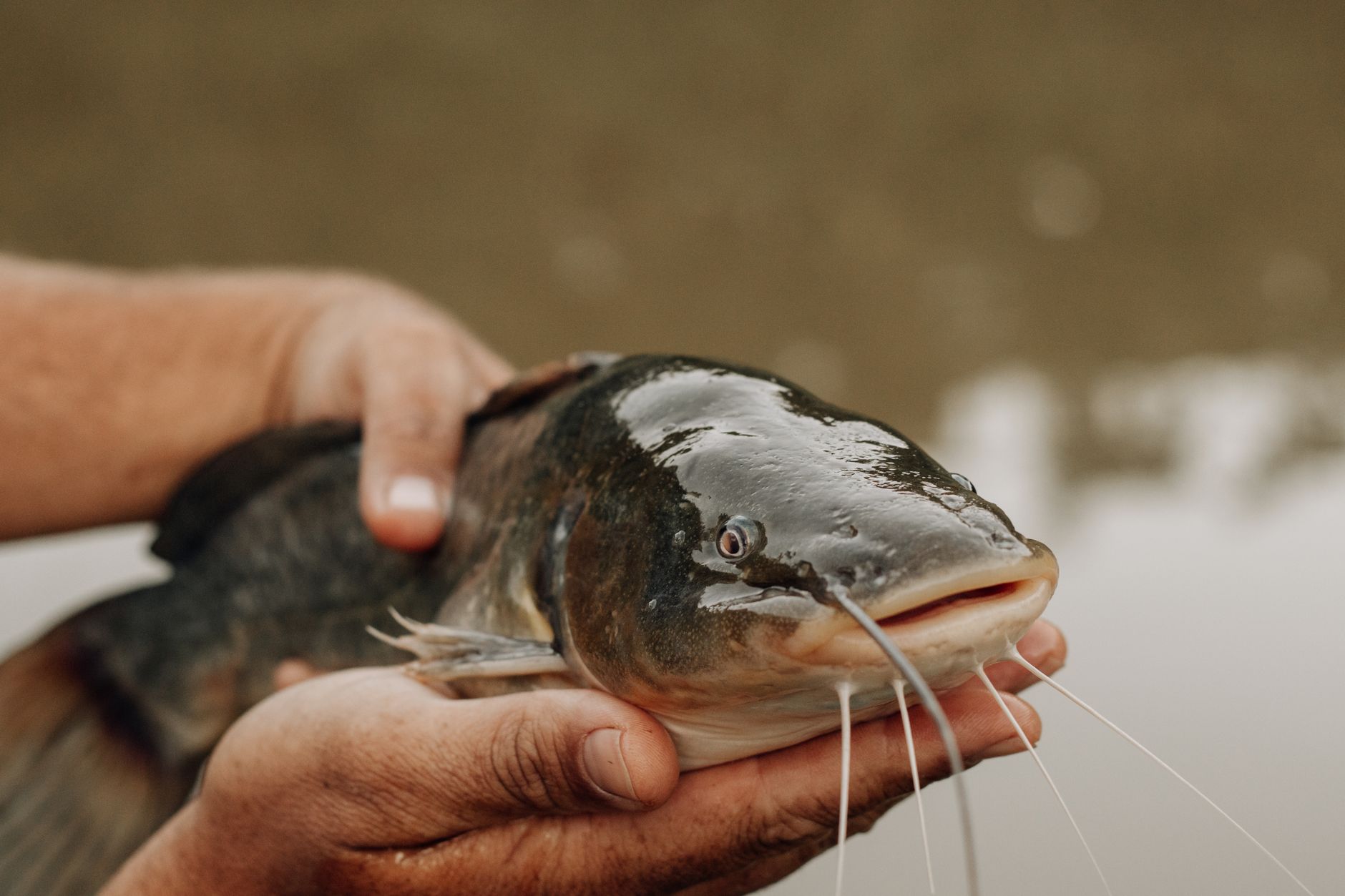
“Catfishing” is called that because of a story about transporting cod with catfish to keep the cod active and healthy. The story became a metaphor for someone who creates a false online identity to lure another person into an emotional, romantic, or financial relationship. The term became widely known after the 2010 documentary Catfish.
What does “catfishing” mean?
Catfishing is the act of pretending to be someone else online, usually by using fake photos, a made-up name, or a false personal story. The person behind the account may be seeking romance, attention, money, sexual content, personal information, or simply control over another person.
The deception can happen on dating apps, social media, gaming platforms, messaging services, and even professional networking sites. A catfish might copy a real person’s photographs, invent an entirely fictional identity, or combine genuine details with carefully chosen lies.
Not every online alias is catfishing. Using a nickname, protecting one’s privacy, or playing a fictional character in a game is not automatically deceptive. Catfishing involves a significant false identity or misleading story designed to make someone believe the account represents a different person.
| Term | Meaning |
|---|---|
| Catfishing | Using a false or misleading online identity to deceive another person. |
| Catfish | The person operating the deceptive account. |
| Victim or target | The person being misled, although “target” can be more precise when the deception is deliberate. |
| Impersonation | Pretending to be a specific real person, often by stealing that person’s name and photos. |
Where did the word “catfishing” come from?
The modern use of “catfishing” came from the 2010 documentary Catfish. The film follows photographer Nev Schulman after he begins an online relationship with a woman named Megan, whose identity and life story turn out to be very different from what he expected.
As the documentary unfolds, Schulman and his companions travel to meet the people connected with Megan. They discover that the online identity was created and managed by Angela, a middle-aged woman whose real life differed sharply from the profile she had presented. The film ends with a conversation about why people deceive others online.
Angela’s husband, Vince, tells a story about fishermen who transported cod from Alaska to China. According to the story, the cod became sluggish and tasteless during the long journey. Fishermen supposedly placed catfish in the tanks, causing the cod to stay active as they tried to avoid the catfish. The phrase “catfish” was then used as a metaphor for a person who keeps others alert, unsettled, or engaged.
That scene gave the existing fish story a new cultural meaning. After the documentary’s release, “catfishing” became a common way to describe false online identities and deceptive internet relationships.
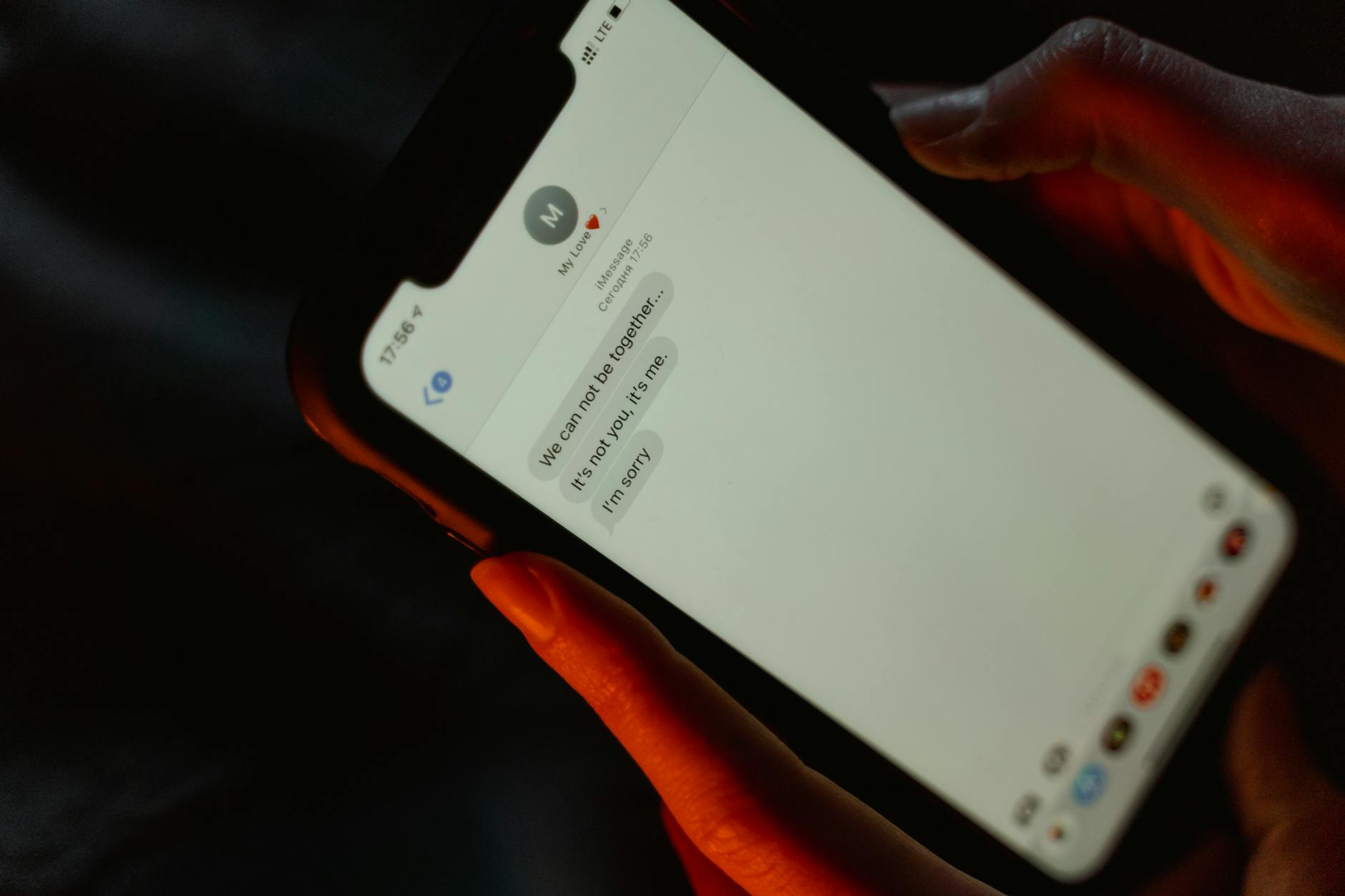
Photo by MART PRODUCTION on Pexels
Is the catfish story about cod and catfish true?
The cod-and-catfish story is widely repeated, but its factual basis is uncertain. There is no clear, reliable evidence that this exact practice was a standard method for shipping cod from Alaska to China, and fish transport is more complicated than the story suggests.
That uncertainty does not change the origin of the modern slang term. The documentary used the story as an explanation for why some people might act like “catfish”: they disturb a person’s comfortable assumptions and keep that person emotionally involved. The image is memorable, even if the fishing anecdote should not be treated as established history.
Some writers have suggested that the word may have had earlier uses or that the story circulated before the documentary. Those possibilities are difficult to verify consistently. The strongest documented connection is the film’s role in popularizing the term for online identity deception.
How did “catfishing” become an internet term?
The word spread because the documentary gave people a short, vivid label for a problem that had already existed online. Before “catfishing” became common, people might describe the same situation as an online romance scam, identity deception, or a fake internet profile.
Social media made the label especially useful. A single account could present a polished identity through profile photos, relationship status, employment claims, travel pictures, and messages. Friends and followers could reinforce the appearance that the account was genuine, even when the person behind it was not who they claimed to be.
News coverage, television programs, dating-app discussions, and the later television series Catfish: The TV Show helped make the word familiar. It moved from a documentary reference into ordinary speech. Today, people use “catfishing” for both long-term romantic deception and shorter schemes involving stolen photos or invented identities.
Why do people catfish others?
Catfishing has no single motive. Some people create false identities for emotional reasons, while others are pursuing money, information, sexual material, or revenge.
- Companionship: A person may feel lonely and create an identity they believe will attract affection or friendship.
- Insecurity: Someone may use edited photographs or a fictional background because they are afraid their real identity will be rejected.
- Attention and fantasy: Some catfish enjoy being admired or temporarily living as an imagined version of themselves.
- Financial fraud: A scammer may build trust before asking for money, gift cards, cryptocurrency, travel costs, or help with an emergency.
- Sexual exploitation: A fake account may be used to obtain intimate images or videos, which can later support blackmail.
- Harassment or revenge: A person may impersonate someone else to damage that person’s reputation or manipulate a former partner.
- Information gathering: A false profile can be used to collect passwords, workplace details, family information, or answers to security questions.
These motives can overlap. A person who begins by seeking companionship may still manipulate the other person, and a scammer may combine romantic language with a request for money. Understanding the motive helps explain the behavior, but it does not excuse the deception.
What are the warning signs of catfishing?
One warning sign alone does not prove that someone is a catfish. The concern grows when several patterns appear together, especially when the person avoids ordinary ways of confirming their identity.
- The relationship becomes intense very quickly. The person may declare love, discuss marriage, or describe a uniquely deep connection after only a short period.
- They avoid live video calls. Repeated excuses about a broken camera, poor connection, work restrictions, or travel can be suspicious.
- Their photos look unusually polished. Professional-looking images with few casual pictures may belong to another person.
- Their online details do not match. Job history, location, age, education, family details, or time zone may change from one conversation to another.
- They ask for secrecy. A catfish may discourage the other person from telling friends or relatives about the relationship.
- They request money or favors. Medical bills, stranded-traveler stories, customs fees, and urgent business problems are common pressure tactics.
- They cannot meet despite repeated promises. A genuine obstacle can happen, but an endless series of cancellations deserves attention.
- They push conversations off the original platform. Moving quickly to encrypted messaging does not prove fraud, but it can make reporting and review more difficult.
Reverse-image searching a profile photo can reveal whether the same image appears under another name. Search tools are imperfect, especially when a scammer uses private photos or AI-generated images, so a clean result does not confirm that an identity is genuine.

Photo by Artem Podrez on Pexels
How is catfishing different from an ordinary online lie?
Catfishing usually involves a sustained false identity rather than a single exaggeration. Someone who rounds up their height on a dating profile may be dishonest, but that is different from pretending to be a different person, inventing a career, and maintaining a relationship under that false identity.
The distinction also depends on impact and intent. An incomplete profile may reflect a desire for privacy. Catfishing involves misleading another person in a way that changes the relationship or encourages the target to make decisions they would not otherwise make.
Impersonation is a common form of catfishing, but not every catfish copies a specific individual. Some create fictional names, photographs, jobs, family histories, and locations. Others steal part of a real person’s identity and add invented details around it.
What should someone do if they suspect catfishing?
The safest first step is to slow down. Do not send money, intimate images, identity documents, passwords, or access codes while the person’s identity remains uncertain.
- Save evidence. Keep screenshots of profiles, usernames, messages, phone numbers, payment requests, and profile links. Record dates when possible.
- Check the identity carefully. Compare photographs and biographical details across platforms. Ask for a live video call, but remember that edited or stolen video can also be used in sophisticated scams.
- Ask someone trustworthy for a second opinion. A friend who is less emotionally involved may notice contradictions that are easy to overlook.
- Stop sending money or personal material. Do not pay a fee to “release” photographs, recover funds, or prove loyalty.
- Report the account. Use the dating app or social platform’s reporting tools and provide the saved evidence.
- Contact financial providers quickly. A bank, card issuer, money-transfer service, or cryptocurrency exchange may have time-sensitive recovery options.
- Secure affected accounts. Change reused passwords, turn on multifactor authentication, and check account recovery settings.
- Contact local authorities when appropriate. Threats, extortion, stalking, identity theft, and significant financial losses may warrant a police report or advice from a relevant fraud-reporting agency.
People who have been deceived often feel embarrassed, but embarrassment helps the scammer and the silence that follows. The deception is the catfish’s choice. Reporting early can protect both the target and other people who may be approached by the same account.
Can artificial intelligence make catfishing harder to spot?
Artificial intelligence has made fake profiles easier to create. Image-generation tools can produce realistic faces that do not belong to real people, while voice-cloning and video-editing tools can make a short interaction appear more convincing.
That does not mean every polished photograph or unusual video is fake. It does mean that visual proof should be considered alongside behavior, consistency, and requests for money or secrecy. A live call is useful, but it is not an absolute guarantee of identity.
The most dependable protection is layered verification. Keep conversations on a platform long enough to understand the person’s behavior, verify important claims through independent sources, avoid financial transfers, and ask people you trust to review suspicious situations.
Frequently Asked Questions
Why is it called catfishing instead of something else?
The name comes from a catfish story told in the 2010 documentary Catfish. In the story, catfish keep cod active during transport, creating a metaphor for someone who unsettles or deceives another person and keeps them emotionally engaged.
Who coined the term catfishing?
The exact first use is difficult to establish, but the documentary Catfish is widely credited with popularizing the modern term. Its story and later media coverage turned “catfish” into a familiar label for online identity deception.
Is catfishing always a dating scam?
No. Catfishing can happen in friendships, gaming communities, fan groups, professional networks, and social media. Romantic scams are especially visible because trust and emotional attachment can develop quickly, but the same technique can be used for harassment, theft, or information gathering.
Can a catfish be a real person?
Yes. A catfish is usually a real person using a false or misleading online identity. The profile may contain stolen photographs, invented details, or a mixture of true and false information.
Is using a fake name automatically catfishing?
No. People may use pseudonyms for safety, privacy, activism, or creative work without trying to deceive someone about a personal relationship. It becomes catfishing when a false identity is used to manipulate another person or create a misleading relationship.
What is the first thing to do after discovering a catfish?
Stop sending money and personal material, preserve the messages and profile information, and tell someone trustworthy. Then report the account and contact financial providers or authorities if money, threats, intimate images, or identity documents are involved.

Photo by Mikhail Nilov on Pexels

Mim Creation
Writer at Helmet Today, covering helmet reviews, fit and riding safety.