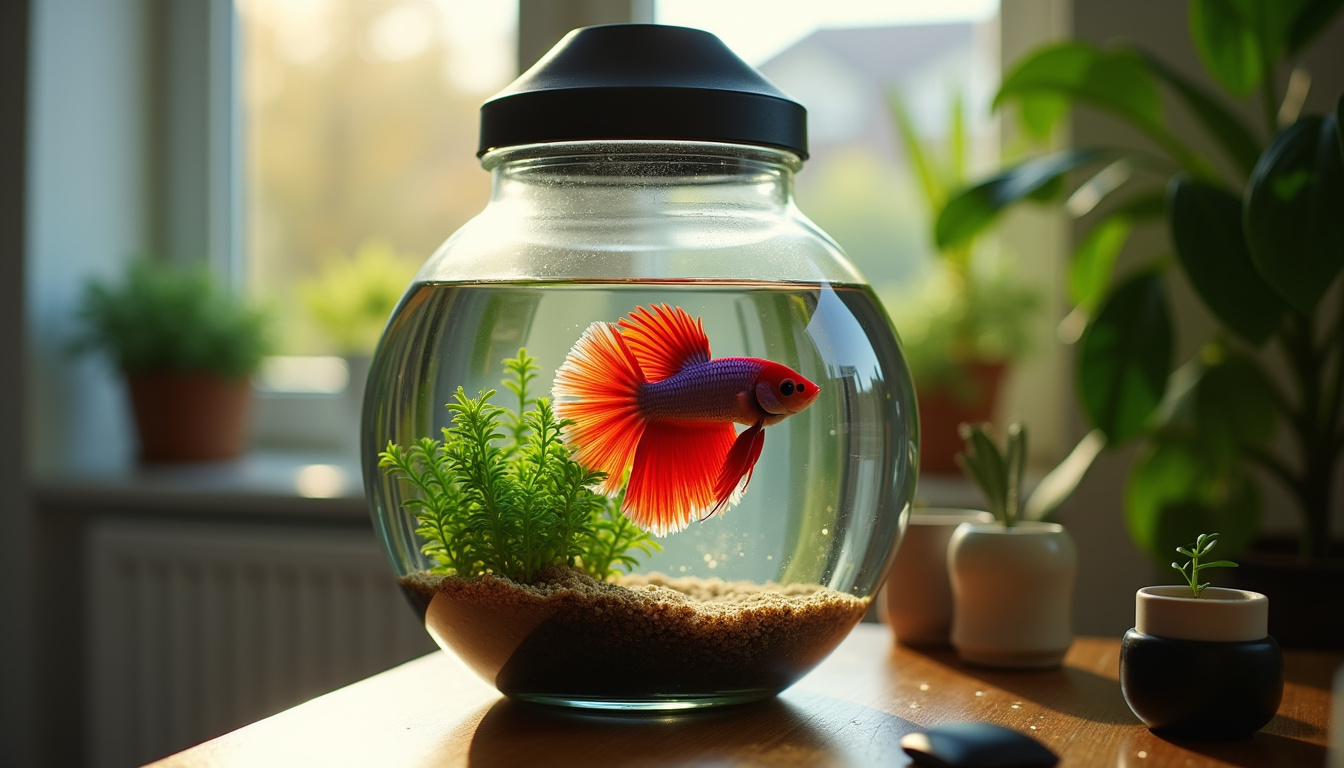
A betta fish may stay in one corner because it is resting, stressed by its tank, or showing signs of illness. Check whether the behavior is new and look for changes in appetite, breathing, swimming, color, or response to your surroundings before deciding what to do.
Your betta’s swimming behavior is useful because it reflects both its surroundings and its physical condition. A sudden change matters more than a brief resting spot, especially after a water change, new decoration, move, or temperature shift. The corner itself isn’t the diagnosis. It’s a clue. By checking the tank environment, watching for other symptoms, and comparing today’s behavior with your fish’s usual routine, you can decide whether to simply monitor the situation or take action promptly. The problem? Most guides skip the Why Is My Betta Fish Staying In One Corner part of the process.
A betta fish may stay in one corner because of stress, unsuitable tank conditions, illness, or normal resting behavior
A betta fish may remain in one corner because it feels stressed, is unwell, is adjusting to its surroundings, or has simply found a comfortable place to rest. Brief corner resting can be normal, especially if your fish still responds to movement, comes out for food, keeps its usual color, and breathes steadily. Some bettas also rest more as they age; an older fish may take shorter swimming sessions and spend longer periods resting among plants or near the surface, as PetYeti Aquariums explains. Here’s where the Why Is My Betta Fish Staying In One Corner details get tricky.
Treat the behavior as a warning when it is new, persistent, or paired with other changes. Look for rapid gill movement, clamped fins, faded color or stress stripes, a swollen body, damaged fins, loss of appetite, or trouble staying upright. These signs can point to poor water quality, an unsuitable temperature, or illness. Check the water and heater before adding medication, and avoid repeatedly moving or tapping the tank. A betta hiding in a corner may also be avoiding strong flow, bright light, aggressive tank mates, or a stressful location. If it cannot reach the surface easily, add a broad plant or resting place near the top while you investigate the underlying cause. But Why Is My Betta Fish Staying In One Corner isn’t quite that simple in practice.
Check water temperature and water quality before assuming the behavior is normal
- Check the water temperature and test the water before deciding that corner-resting is normal; a betta may withdraw when its environment is stressful, when it is ill, or as it ages (PetYeti Aquariums).
- Use a reliable aquarium thermometer and look for sudden changes, not just the current reading. Water that is too cool can make your fish sluggish, while unstable conditions can add stress. Keep the tank away from drafty windows, air-conditioning vents, and direct sunlight.
- Test for ammonia and nitrite, and check the tank’s pH with an aquarium test kit. If a test shows a problem, follow the product instructions for a partial water change and retest rather than replacing all the water at once.
- Check whether the filter is working and whether its flow is pushing your betta into the corner. A fish may choose the calmest area if the current is too strong. Adjust the flow or add plants and other cover to break it up.
- Watch your betta after correcting the environment. More alert movement, normal color, and interest in food suggest the corner was a comfort zone. Rapid gill movement, clamped fins, fading color, or worsening inactivity calls for prompt veterinary advice.
Tank location, lighting, filtration, and hiding places can make a betta avoid the rest of the aquarium
- A betta may remain in one corner because that spot feels safer, darker, quieter, or less tiring than the rest of the tank.
- Tank location — A tank beside a busy doorway, television, window, or frequently handled area can keep a betta on edge. Reflections from glass may also make it guard one side of the aquarium. Move the tank only if you can do so gradually and safely; avoid direct sun and sudden environmental changes.
- Lighting — Bright or constantly changing light can encourage corner-hiding. Give the fish a predictable day-and-night routine, and provide a shaded area with floating plants or broad leaves. Don’t leave the aquarium light on continuously.
- Filtration — A strong current can push a betta toward the calmest corner. Watch its fins and body: struggling to hold position, drifting backward, or repeatedly seeking shelter suggests the flow is too forceful. Aim the outlet at the glass or add plants to break up the current.
- Hiding places — Without cover, a betta may choose the corner as its only refuge. Add smooth, aquarium-safe plants, a cave, or a resting leaf, while leaving clear paths to the surface.
- Recheck water quality if the behavior began suddenly. If the fish explores after adjustments and shows no other warning signs, the corner may simply be its preferred resting place.
Signs that staying in one corner may indicate illness include appetite changes, unusual swimming, and visible physical symptoms
Staying in one corner is more concerning when it comes with a clear change from your betta’s usual behavior or signs that its body is struggling. The problem? Most guides skip the Why Is My Betta Fish Staying In One Corner part of the process.
- Appetite change — Refusing food, spitting it out, or eating much less than usual is a warning sign—especially if it continues rather than occurring for one feeding.
- Unusual swimming — Watch for tilting, lying on its side, sinking, floating uncontrollably, or struggling to remain upright. These movements are more concerning than simply resting against a plant or tank wall.
- Breathing changes — Rapid gill movement or repeated gasping at the surface can signal serious stress or illness. A resting betta should breathe steadily, according to PetYeti Aquariums.
- Visible physical symptoms — Pale stress stripes, clamped fins, sores, swelling, or a noticeably duller body color deserve prompt attention.
- A sudden change — A betta that previously explored the aquarium but now stays in one corner continuously is more concerning than an older fish that has gradually become less active. Aging can also cause increased resting.
If corner-staying appears with several of these signs, test the water promptly and contact an aquatic veterinarian rather than treating blindly with medication. That’s where Why Is My Betta Fish Staying In One Corner changes everything.
A betta that is resting normally should still show regular activity, appetite, and responses to its surroundings
A betta resting in one corner is usually normal if it becomes active again, eats willingly, and reacts to movement, food, or changes around the tank. You may see it pause under a leaf, hover near the surface, or settle into a preferred spot during darker, quieter periods. Lighting can make this pattern more noticeable: a betta may retreat when the aquarium light is suddenly bright, while gentle, consistent lighting allows it to follow a more predictable day-and-night rhythm. But Why Is My Betta Fish Staying In One Corner isn’t quite that simple in practice.

The key difference is whether the corner is a temporary rest stop or the fish’s permanent location. A healthy resting betta should leave the corner to explore, come forward for food, and maintain its usual color and posture. A betta that remains there through feeding and normal activity, ignores familiar cues, or appears weak is not simply taking a break. Watch the pattern over several observation periods rather than judging one still moment. If the change is sudden or continues alongside physical symptoms, treat it as a warning and investigate promptly. Here’s where the Why Is My Betta Fish Staying In One Corner details get tricky.
Use a simple observation checklist to decide what to check first
- Start by asking whether your betta becomes active, eats, and reacts to you at other times; that pattern usually separates normal resting from a problem.
- Watch its breathing, color, and fins while it remains in the corner. Rapid gill movement, fading color, or clamped fins can point to stress or illness, as PetYeti Aquariums explains.
- Note the exact position. A surface corner may offer easy access to air, while a bottom corner may reflect weakness, discomfort, or exhaustion.
- Check whether the filter is pushing the fish into that area or making the open tank difficult to cross. Bettas often avoid strong, constant current.
- Look for recent changes, such as a tank rearrangement, new tank mate, louder surroundings, or a different maintenance routine.
- Recheck water test results and temperature before adding medication or making major changes.
- Consider age if the behavior developed gradually; older bettas may explore less and rest more.
- If the behavior is sudden, persistent, or paired with physical symptoms, correct the environment and contact an aquatic veterinarian.
Is It Normal for a Betta Fish to Stay in One Spot?
It can be normal for a betta to rest in one spot for part of the day, particularly on a plant leaf, near the surface, or in a sheltered corner. A calm fish should still show interest in food, react to movement, and swim around at other times. Resting is less concerning when the behavior is brief and your betta looks otherwise healthy.
Pay closer attention if your betta stays in one spot for most of the day, ignores food, struggles to remain upright, or does not respond to its surroundings. Compare the behavior with its usual routine, then check the aquarium conditions before assuming it is simply resting.
Check Temperature and Water Quality First
Use a reliable aquarium thermometer and water test kit to check the tank before making major changes. Bettas are tropical fish and can become sluggish when the water is too cool or when conditions fluctuate. Ammonia and nitrite should not be present, while nitrate should be kept under control through regular maintenance. Follow the instructions for your test kit rather than judging water quality by appearance.
If a test shows a problem, make a partial water change with temperature-matched, conditioned water and remove uneaten food or decaying material. Avoid replacing all the water at once unless there is an emergency, and do not add medication simply because your betta is inactive. Recheck the water and observe whether behavior improves.
How Tank Setup Can Make a Betta Hide
A betta may remain in a corner to escape strong filter flow, glare, loud activity, or a tank location with frequent vibrations. Watch how your fish moves: being pushed by the current, struggling to reach the surface, or repeatedly retreating from the filter suggests that the flow may be too strong. Adjust the outlet or use a gentle flow diffuser while keeping the water moving.
Provide smooth plants, a cave, or another safe hiding place, but leave open swimming space as well. Check decorations for sharp edges that could tear fins, and make sure tank mates are not chasing or nipping your betta. Dim the light temporarily if the aquarium is brightly illuminated, then give the fish a consistent day-and-night routine.
Signs the Corner Behavior May Mean Illness
Corner hiding is more concerning when it occurs with rapid breathing, clamped fins, pale or unusual coloration, sores, fuzzy growth, fin damage, bloating, or difficulty swimming. Loss of appetite is another important change, especially when it continues beyond a missed meal. A fish that repeatedly tilts, sinks, floats, or cannot reach the surface needs prompt attention.
First confirm temperature and water quality, then look for a clear pattern rather than treating several possible diseases at once. Do not use leftover medication or combine products without understanding the risks. If symptoms worsen, breathing becomes labored, or your betta cannot swim or eat, seek advice from an aquatic veterinarian or an experienced fish-health professional.
What to Check and Do First
Start with the simplest checks: observe your betta without tapping the glass, test the water, confirm the heater is working, and inspect the filter flow. Remove uneaten food and obvious waste, and make any needed maintenance changes gradually. Keep notes about feeding, water readings, symptoms, and when the corner behavior began.
Do not repeatedly net, handle, or move the fish while investigating. A calm, stable environment makes it easier to tell whether the problem is stress or illness. If conditions are appropriate but the behavior persists or new symptoms appear, arrange professional guidance rather than waiting indefinitely.
- Check temperature and water-test results.
- Look for breathing, swimming, color, and appetite changes.
- Inspect the heater, filter flow, plants, and decorations.
- Make gradual corrections and monitor the next day.
Observe Appetite, Breathing, and Swimming
Watch your betta during its normal active period and at feeding time. A healthy response may include following movement, coming toward food, and swimming with control before resting again. Countless brief pauses are less important than a sustained change from normal behavior.
Look closely at the gills and body without disturbing the fish. Rapid breathing, frequent surface trips, clamped fins, loss of balance, or refusal to eat can indicate that the tank conditions or the fish’s health needs attention. Record what you see so changes are easier to compare.
Review Recent Tank Changes
Think back to the hours or days before the behavior started. A water change, new filter, moved decoration, deep cleaning, heater adjustment, bright light, or new tank mate can make a betta feel unsettled. Sudden changes in temperature or water chemistry may also cause temporary stress.
Restore a stable setup where possible, keep the lighting predictable, and avoid making several changes at the same time. If a new object is sharp, blocks the surface, or creates excessive flow, correct that issue first. Continue checking water readings and behavior rather than assuming every change is harmless.
Frequently Asked Questions
Why Is My Betta Fish Staying In One Corner?
Check the tank conditions first, then watch for signs of stress or illness. Corner-resting can be normal if your betta still eats, responds to movement, and becomes active at other times. But Why Is My Betta Fish Staying In One Corner isn’t quite that simple in practice.
Is staying in the top corner normal?
It can be. A betta may rest near the surface, especially if it has a comfortable leaf or other support nearby. It’s more concerning if the fish is breathing rapidly, losing color, keeping its fins tightly clamped, or refusing food. The problem? Most guides skip the Why Is My Betta Fish Staying In One Corner part of the process.
Could my betta be hiding because it feels unsafe?
Yes. A bare tank, sudden activity near the aquarium, or aggressive tank mates can make a betta choose one protected area. Add secure hiding places and observe whether it explores more when the room is quiet. Here’s where the Why Is My Betta Fish Staying In One Corner details get tricky.
Should I add medication right away?
No. Test the water and confirm the temperature before treating. Unneeded medication can add stress and may hide the real problem. The problem? Most guides skip the Why Is My Betta Fish Staying In One Corner part of the process.
When should I contact a veterinarian?
Seek aquatic-veterinary advice if the behavior is sudden, continues despite corrected conditions, or occurs with swelling, sores, abnormal swimming, or appetite loss. Older bettas may also rest more gradually. The problem? Most guides skip the Why Is My Betta Fish Staying In One Corner part of the process.
Key takeaways for a betta fish staying in one corner
A betta staying in one corner isn’t automatically sick, but the pattern matters: check its environment first, then watch for changes in health. The problem? Most guides skip the Why Is My Betta Fish Staying In One Corner part of the process.
- Test the water and confirm the temperature is suitable before assuming the behavior is normal. Poor conditions can make a betta withdraw.
- Look for a clear reason the corner feels safer, such as strong current, harsh light, activity outside the tank, or a lack of cover.
- Normal resting usually includes regular movement at other times, interest in food, normal color, and a response when you approach the aquarium.
- Treat the behavior as more urgent if your betta stops eating, breathes unusually, clamps its fins, loses color, struggles to swim, or develops visible spots, swelling, or wounds.
- Older bettas may rest more and explore less; providing an easy resting place near the surface can help, as PetYeti Aquariums explains. If concerning signs continue after correcting the environment, contact an aquatic veterinarian.

Mim Creation
Writer at Helmet Today, covering helmet reviews, fit and riding safety.