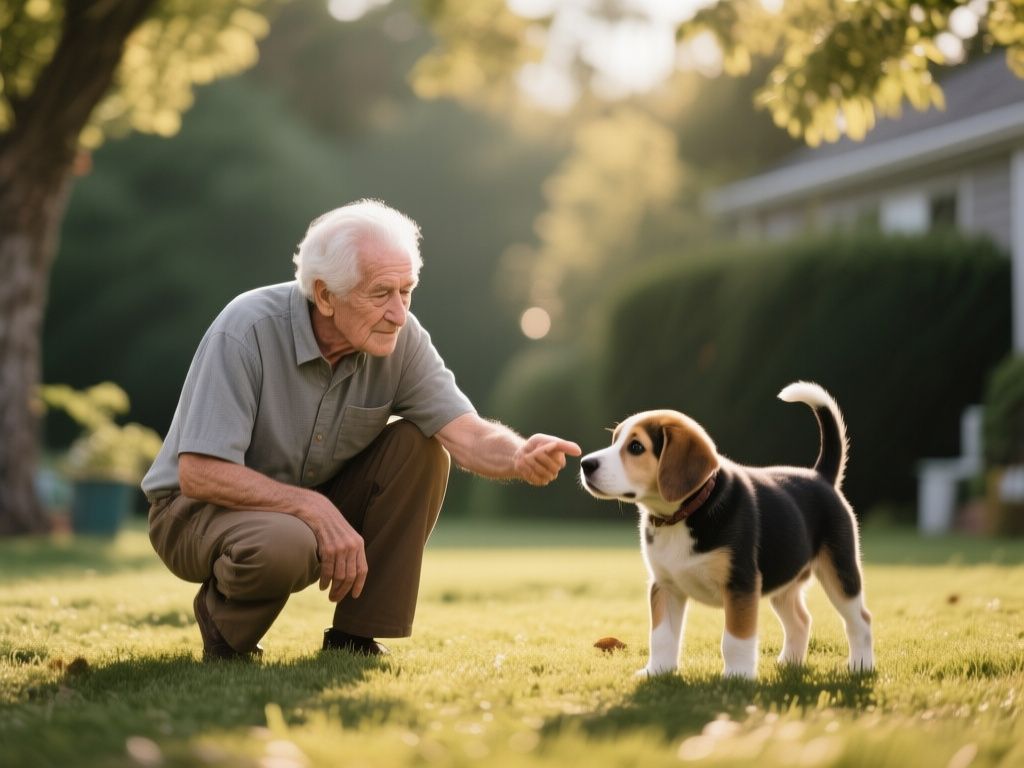
Introduce a new puppy to a resident senior dog slowly, with controlled first meetings, separate safe spaces, and clear management of distance, volume, and resources. Keep early sessions short and successful, reward calm behavior, and watch for stress signs. If tension escalates, increase separation and consider professional help.
Why is a “slow intro” so important?
A senior dog is often more set in their routines than a younger dog. Even if your senior is friendly, the day-to-day details matter: where they sleep, how they access water, whether they’re interrupted while resting, and how much excitement they have to absorb. A puppy brings unpredictability—wriggly body language, high-energy play, and sharp little “zoomies” that can feel overwhelming.
A good introduction isn’t about forcing the dogs to “get used to each other” in a single day. It’s about reducing the chances of a negative first association. If the first interactions include rude jostling, chasing, or fear, your senior may start anticipating trouble, and then the intro becomes harder each time.
What should you do before the first meeting?
Before the puppy ever meets your senior, set the stage. This is where most successful introductions are won. Think of it as prepping the “environment,” not just the dogs.
Set up two separate zones
Your senior should have a comfortable, predictable space where they’re not expected to interact. That might be a bedroom, a baby-gated room, or a pen area with a bed, water, and a familiar blanket.
- Give the senior a “retreat” that the puppy can’t reach.
- Give the puppy a separate crate or pen with a chew toy and a nap routine.
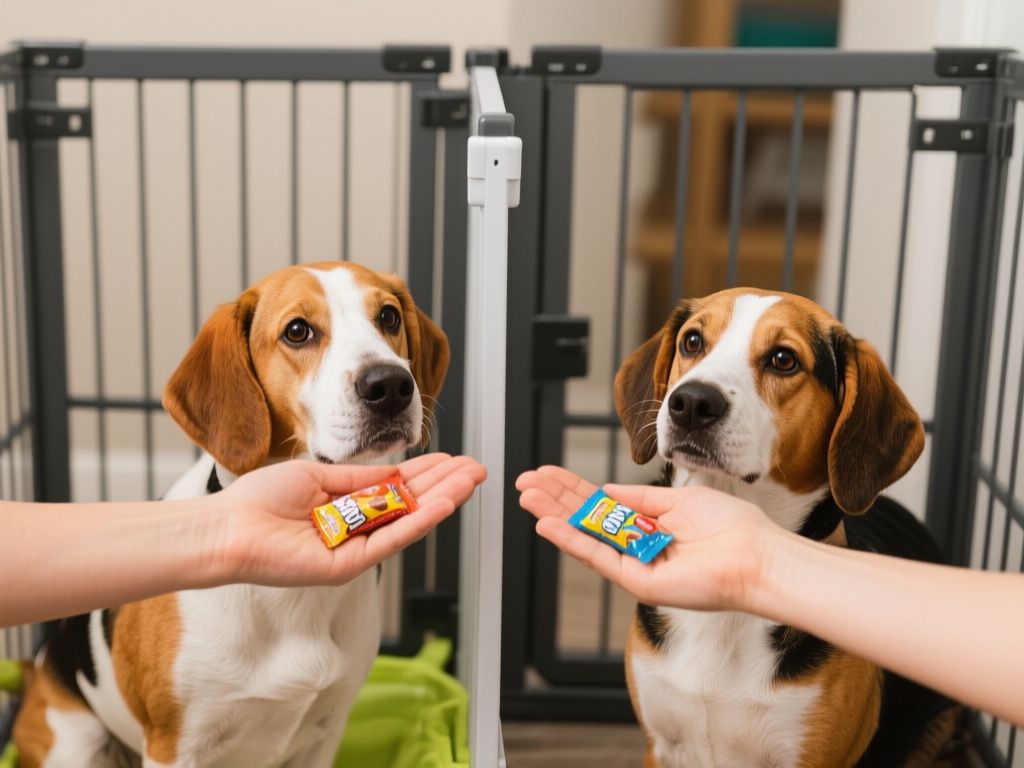
- Use baby gates or doors so you can control face-to-face time.
Plan for calm, supervised contact
For the first days, expect most interactions to be short and structured. You can do this with leashes, baby gates, or a hallway setup. The goal is for your senior to choose whether to approach.
A practical approach: keep both dogs on leash when they’re together in the first few sessions, even if your senior is very tolerant. It prevents sudden lunging and gives you a way to interrupt stressful behavior early.
Stock up on rewards and enrichment
Rewards help dogs connect “puppy is nearby” with “good things happen.” Use small, high-value treats your senior already loves. If your senior has mobility issues, avoid super long sessions standing in one place—short, calm breaks are kinder.
- Have treats ready before bringing either dog to the meeting area.
- Use a food puzzle or lick mat for the senior in their safe zone to reduce interest in the puppy.
- Give the puppy a chew or frozen treat before the intro so they’re not bursting with pent-up energy.

How do you introduce them for the first time?
The first meeting should be quiet, controlled, and easy to win. If you’re thinking, “I hope they don’t fight,” you’re already too late—plan for success and keep sessions brief enough that you can end on a positive note.
Choose the right location
Start in a neutral-feeling area if possible—somewhere neither dog considers a “core territory,” like a hallway. If you only have indoor space, use a corridor or a part of the living room where your senior isn’t guarding a favorite spot.
Avoid the senior’s most protected resources: their bed, their water bowl, their favorite doorway, or the exact corner they like to park in.
Keep body language readable
Puppies often look “rude” even when they’re just playing: they may bounce, crowd, and chase. Senior dogs might respond by freezing, turning away, growling, or trying to create distance. Those are communication signals, not “bad behavior” to ignore.
Use your body to manage distance. If the puppy runs at the senior, calmly increase space. If the senior stiffens or whale-eyes (wide, tense stare), reduce intensity immediately.
Use the “short and rewarding” rule
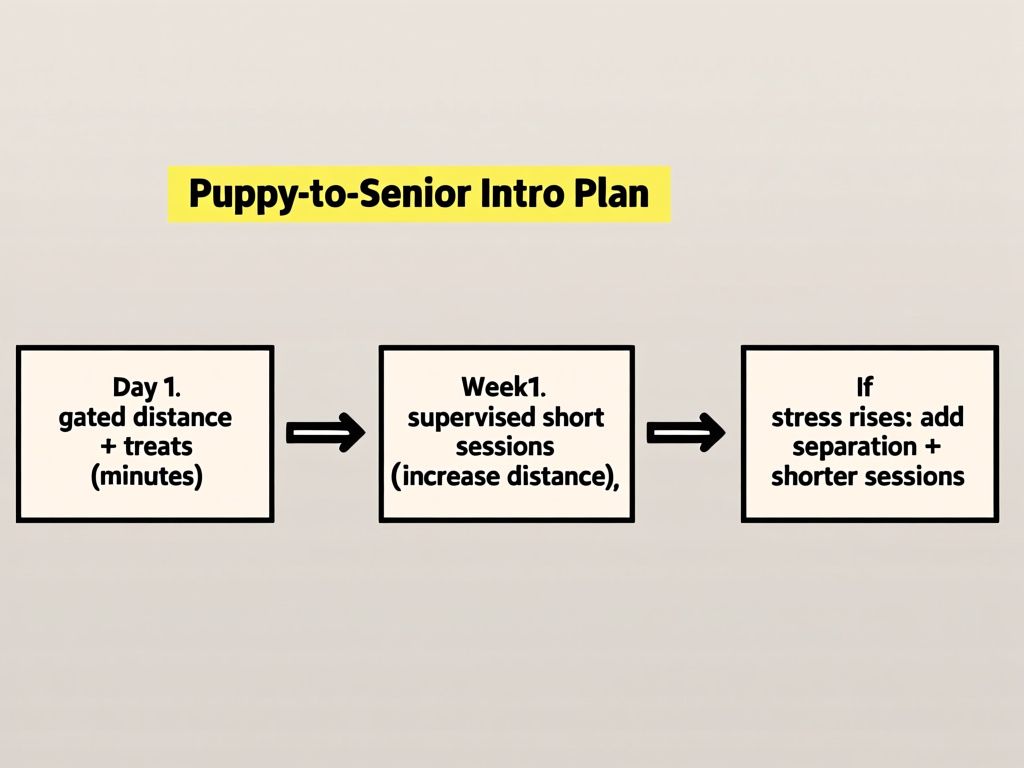
For the first intro, aim for minutes, not hours. Let them see each other, then reward calm. If either dog escalates—hard staring, repetitive barking, lunging, or tense body clamping—end the session and reset.
A simple structure for day one:
- Senior and puppy separated by a gate or in different rooms.
- Bring them into view at distance with leashes if needed.
- Reward the senior for staying calm and the puppy for not charging.
- End while everyone is still relaxed.
What stress signs mean you should slow down?
Some stress is normal during introductions, but it should trend down, not up. Watch for signs that the senior dog is uncomfortable or that the puppy is turning “excited” into “pushy.”
- Senior stress: stiff posture, pinned ears, lip licking when not eating, tucked tail, growling that increases in frequency, backing away repeatedly, or trying to hide.
- Puppy stress: uncontrolled frantic lunging after interruption, inability to settle even briefly, or escalated nipping when redirected.
- Escalation cues: repeated chasing, blocking the senior’s path, hard staring that doesn’t break, or snapping.
If you see these, increase separation, shorten the distance, and extend the time you spend rewarding calm. You’re not “failing”—you’re calibrating.
How do you manage play and resources in the early weeks?
Most early problems come from unsupervised resource moments: food, doorways, beds, and attention. Senior dogs may tolerate a puppy politely, but a puppy who grabs a toy or blocks access to a resting spot can trigger a conflict.
Resource management doesn’t need to be complicated. It just needs to be consistent.
Separate feeding times and places
Feed in separate locations with doors/gates between if necessary. Use that time to reinforce calm routines. Don’t introduce shared bowls or “just let them figure it out” moments.
Use barriers for rest
Let your senior sleep without being mobbed. Puppies will learn boundaries only if you actively prevent boundary-crossing early on. A crate or pen for the puppy during senior naps helps a lot.
Interrupt and redirect puppy energy
If the puppy’s chasing starts, calmly redirect with a treat toss behind you, a chew, or a short training game. The key is interruption plus an alternative behavior—not punishment.
A good rule: if you can’t supervise continuously, the dogs shouldn’t be together yet.
How long should it take for them to adjust?
There’s no single timeline because dogs vary in temperament, health, and prior experiences. However, a realistic expectation is that early tolerance can appear quickly (days), while comfortable coexisting usually takes longer (weeks).
What “progress” looks like:
- The senior can relax in the same home without constantly scanning for the puppy.
- The puppy can be around at a distance without frantic chasing.
- Calm interactions become more frequent, and short sessions feel easier to end on a good note.
If things are not improving after a couple of weeks of structured, controlled introductions, it’s worth adjusting the plan and getting help from a qualified trainer or behavior professional.
What if your senior dog is older, in pain, or less patient?
When a senior dog is uncomfortable—arthritis, hip pain, tooth issues, or reduced hearing—small stressors can feel bigger. A puppy’s energy can make it harder for your senior to retreat, and then tolerance drops fast.
If you notice sudden reactivity, consider two tracks at once: medical and behavioral. Your vet can help rule out pain as a driver. Meanwhile, reduce proximity and manage the environment so your senior can avoid the puppy.
Also, pay attention to how your senior walks and stands during intros. If the puppy’s presence causes stiff, painful movement, it’s a sign to slow down and create more distance.
How do you know the introduction is going well?
You’ll feel it in both behavior and atmosphere. The dogs don’t have to cuddle on day one, but the “energy” should settle. Look for these good signs:
- The senior can eat, rest, or move calmly while the puppy is nearby.
- The puppy redirects easily when you interrupt nipping or chasing.
- There are brief, manageable corrections—like a pause, a growl that ends the puppy’s approach, or a head turn—followed by calm rather than escalating conflict.
- Both dogs can be in the same room briefly without constant management.
If you’re constantly breaking up situations, that means the introduction pace is too fast. Slow down and make the environment easier to succeed in.
Frequently Asked Questions
Can my senior dog and puppy meet off-leash?
Off-leash introductions are risky unless you have a track record of both dogs responding calmly to surprises and you’re in a very controlled setting. In most homes, the early phase is better handled with gates, leashes, and close supervision so you can stop escalation quickly.
Should I let them share a bed or couch at first?
No. Sharing resting spaces can create pressure around access and triggers resource guarding. Give the senior their own bed in a puppy-inaccessible area, and allow the puppy to earn relaxed access later, with supervision.
What if my senior growls at the puppy?
A growl is communication, often a warning that the puppy is too close or too intense. You should calmly increase distance, interrupt the puppy’s approach, and reward the senior for remaining steady. If growling escalates into snapping, pause introductions and consult a trainer or behavior professional.
How do I stop the puppy from chasing the senior?
Interruption plus a replacement works best. Use a leash/gate for early sessions, then redirect to a chew, scatter treats on the ground away from the senior, or do a quick training game. The puppy needs an off-switch, and you can’t count on the puppy to learn that without help.
My senior is old and doesn’t play much. Is that a problem?
Not at all. Many seniors prefer tolerance and calm proximity over play. Focus on relaxed coexistence: the senior should be able to rest, and the puppy should be able to settle with enrichment and boundaries.
When should I ask for professional help?
If there are repeated escalations, injuries, persistent guarding, or the senior seems fearful or withdrawn, get support sooner rather than later. A qualified trainer or veterinary behavior professional can help you tailor management and reinforcement to your specific dogs.
If you remember one thing, make it this: the safest “first friendship” comes from you controlling distance, timing, and resources so both dogs can experience calm outcomes repeatedly.

Mim Creation
Writer at Helmet Today, covering helmet reviews, fit and riding safety.