Dogs can eat many vegetables, including carrots, green beans, cucumbers, peas, pumpkin, sweet potatoes, and cooked broccoli. Serve vegetables plain, washed, and cut into bite-sized pieces. They should complement a complete dog food rather than replace it, and some vegetables—such as onions, garlic, and chives—are unsafe and should never be fed to dogs.
Which vegetables are safe for dogs?
Most dogs can enjoy several common vegetables as occasional treats. Vegetables provide water, fiber, and small amounts of vitamins, but dogs still need nutritionally complete food as their main diet.
| Vegetable | Best preparation | Useful caution |
|---|---|---|
| Carrots | Raw or lightly cooked | Cut lengthwise or into small pieces to reduce choking risk |
| Green beans | Plain, raw or cooked | Avoid canned varieties with added salt |
| Cucumber | Raw, sliced | Remove large seeds if the dog gulps food |
| Pumpkin | Plain cooked or canned | Use 100% pumpkin, not spiced pie filling |
| Sweet potato | Fully cooked and plain | Do not serve raw; remove the skin if it is tough |
| Peas | Cooked or thawed | Skip seasoned, buttered, or heavily salted peas |
| Broccoli | Small amounts, raw or cooked | Large amounts may cause stomach upset |
| Bell peppers | Plain, chopped | Remove the stem and seeds; avoid hot peppers |
Can dogs eat carrots?
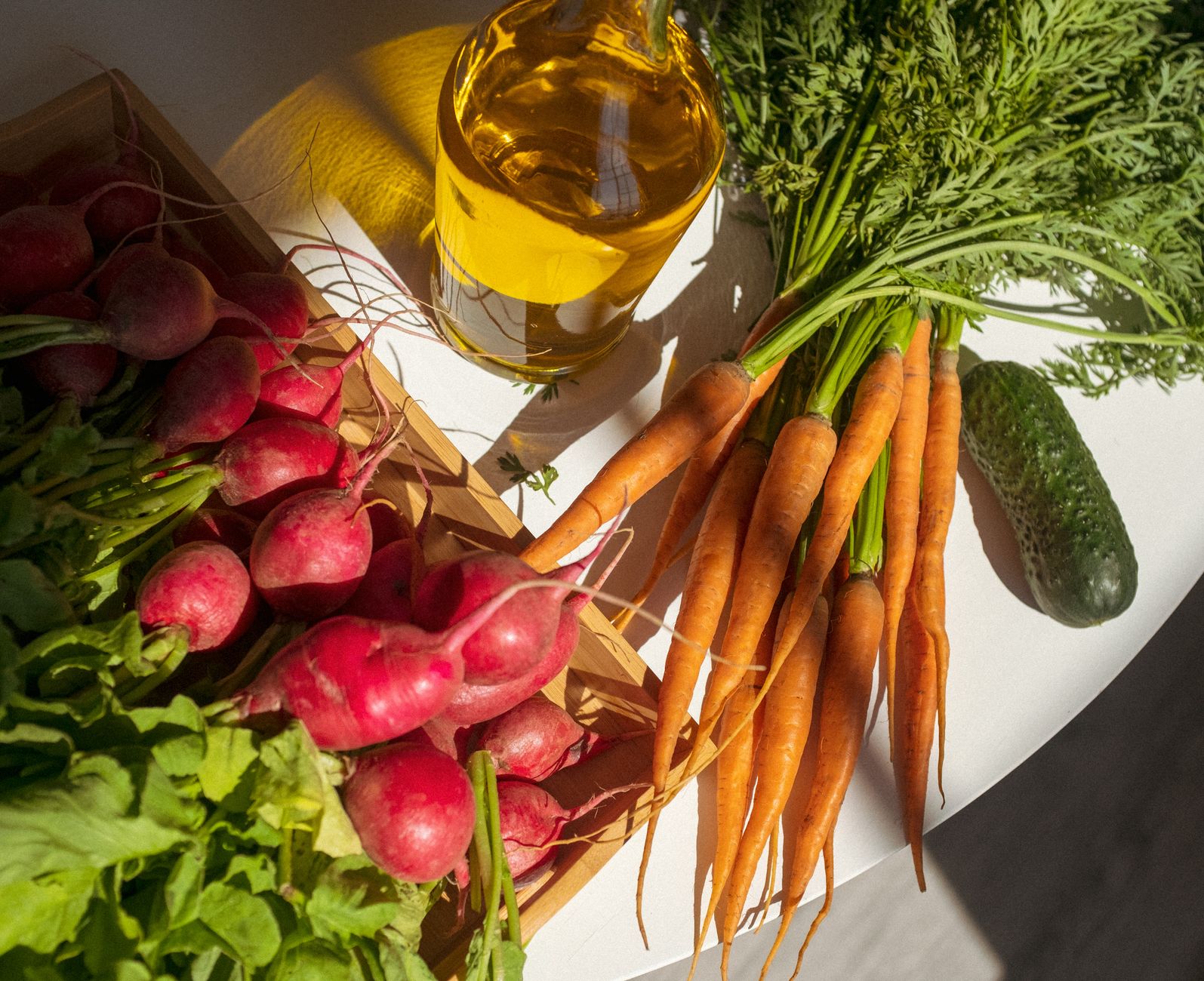
Carrots are one of the easiest vegetables to offer dogs. They are low in fat, naturally crunchy, and can work as a training reward when cut into small pieces. A whole baby carrot may be an appropriate size for some large dogs, but smaller dogs and enthusiastic gulpers need thin slices or finely chopped pieces.
Raw carrots can be harder for puppies, older dogs, or dogs with dental disease to manage. Lightly steaming or boiling them softens the texture without requiring oil or seasoning. Frozen carrot pieces can also be refreshing, but they should be small enough to avoid choking.
Can dogs eat green beans?
Plain green beans are generally safe and contain fiber without many calories. Fresh, frozen, or cooked green beans can be useful for adding variety to a dog’s bowl. Chop long beans before serving, especially for small breeds.
Canned green beans may contain more sodium than a dog needs, so fresh or frozen options are preferable. Green bean casserole is not a suitable substitute because it often contains onions, garlic, cream, salt, or fried toppings.
Can dogs eat pumpkin and sweet potato?
Plain pumpkin is a common dog-safe food, and its soluble fiber may help some dogs with mild, temporary stool irregularity. Plain canned pumpkin is convenient, but the label should say 100% pumpkin. Pumpkin pie filling usually contains sugar, spices, and other ingredients that dogs do not need.
Sweet potato should be cooked thoroughly before it reaches a dog’s bowl. Boiling, steaming, or baking works well. Remove any tough skin and serve it plain, without butter, salt, brown sugar, marshmallows, or seasoning blends. Sweet potato is starchy, so large portions can add considerable calories.

Photo by Los Muertos Crew on Pexels
How should vegetables be prepared for dogs?
Preparation matters because a safe vegetable can still cause trouble if it is served in a large, hard, or heavily seasoned piece. The safest general method is to wash the vegetable, remove inedible parts, cook it when needed, and cut it into pieces that match the dog’s size.
- Wash produce: Rinse vegetables to remove dirt and surface residue.
- Remove risky parts: Take away stems, leaves, pits, tough skins, and large seeds when appropriate.
- Skip seasoning: Do not add salt, butter, oil, sauces, onion, garlic, or spice mixes.
- Choose a manageable texture: Steam or boil hard vegetables for puppies, seniors, and dogs that swallow food quickly.
- Cut food small: Bite-size pieces are safer than large chunks, particularly for small dogs.
- Introduce one item at a time: This makes it easier to identify the cause of vomiting, diarrhea, itching, or gas.
Raw vegetables are not automatically healthier than cooked vegetables for dogs. Cooking can make hard produce easier to chew and digest, while raw vegetables may offer useful crunch and extra moisture. The better choice depends on the vegetable and the individual dog.
How much vegetable can a dog eat?
Treats, including vegetables, should generally make up no more than about 10% of a dog’s daily calories, with the remaining food coming from a complete and balanced diet. The exact amount depends on the dog’s size, age, activity level, health, and existing food.
A few small pieces may be enough for a toy breed. A medium or large dog might tolerate several tablespoons, but that does not mean an entire bowl is appropriate. A practical approach is to start with one or two small pieces, wait to see how the dog responds, and increase gradually only if there are no digestive problems.
Veterinary advice is especially useful for dogs with diabetes, pancreatitis, kidney disease, food allergies, chronic gastrointestinal problems, or weight-management needs. Even a low-calorie vegetable can affect a carefully controlled diet when portions become large.
Which vegetables should dogs never eat?
Some vegetables and vegetable-family foods are toxic or potentially dangerous to dogs. The clearest foods to avoid are onions, garlic, leeks, chives, and shallots. These belong to the allium family and can damage red blood cells, potentially causing anemia. They may be harmful when raw, cooked, dried, or powdered.
- Onions: Avoid raw onions, cooked onions, onion powder, and foods made with onion.
- Garlic: Do not feed garlic cloves, garlic powder, garlic-seasoned meat, or garlic supplements unless a veterinarian specifically directs their use.
- Chives, leeks, and shallots: These can cause similar problems and should stay out of a dog’s diet.
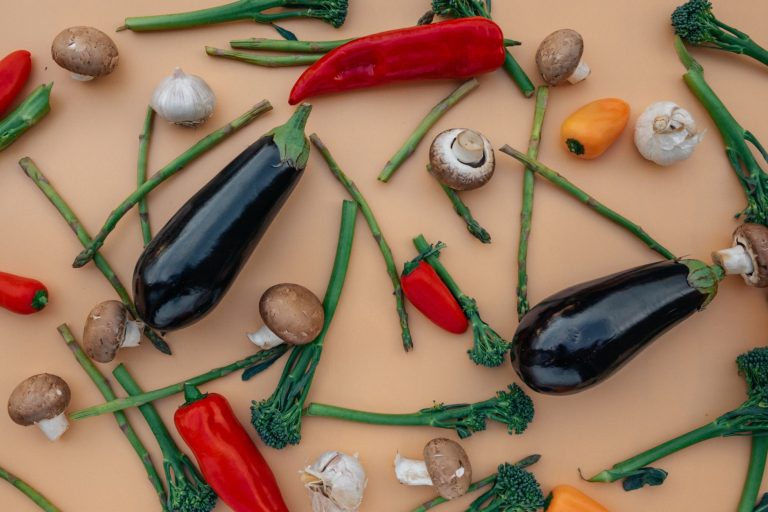
- Wild mushrooms: Some are poisonous and can cause severe illness. Store-bought mushrooms may be less concerning, but they are not necessary treats and are best served only with veterinary guidance.
- Hot peppers: Chili peppers can irritate a dog’s mouth and digestive tract, even when they are not considered strongly toxic.
Tomatoes require a little nuance. Ripe red tomato flesh in a small amount is generally considered less concerning, but green tomatoes, stems, and leaves contain more of the compounds associated with tomato plant toxicity. Since tomatoes are not needed in a dog’s diet, avoiding unripe fruit and all plant parts is the sensible choice.
Avocado is also best avoided. The flesh is not considered equally dangerous to every animal, but the pit can cause an obstruction, and the skin, leaves, and large amounts of flesh create additional concerns. Safer vegetables are readily available.

Photo by Mikhail Nilov on Pexels
Can dogs eat frozen, canned, or leftover vegetables?
Frozen vegetables can be suitable if they are plain and thawed or served in appropriately small pieces. Frozen chunks that are too large can damage teeth or become choking hazards, especially when a dog swallows food without chewing.
Canned vegetables require a closer look at the label. Choose products with no added salt, sauces, onions, or garlic. Rinsing canned vegetables can remove some surface sodium, but it does not turn a heavily seasoned product into an ideal treat.
Leftover vegetables are safe only when their ingredients are safe. A dog may be able to eat plain cooked carrots from dinner, but a casserole containing onion powder, garlic, cream, butter, and salt is a poor choice. Rich leftovers can trigger vomiting or diarrhea even when the main vegetable itself is harmless.
Can vegetables help a dog lose weight?
Some vegetables can replace higher-calorie treats, but they are not a complete weight-loss plan. Carrots, cucumber, and plain green beans contain a lot of water relative to their calories, making them useful in modest portions for some dogs.
Weight loss still depends on total calorie intake, activity, and medical factors. Replacing treats with vegetables may help, but adding vegetables on top of the usual treats will not reduce calories. A veterinarian can calculate a safe daily calorie target and suggest a feeding plan for an overweight dog.
What signs show that a vegetable disagrees with a dog?
Digestive upset is the most common sign that a dog ate too much of a new vegetable or did not tolerate it well. Watch for loose stool, vomiting, excess gas, abdominal discomfort, reduced appetite, or unusual tiredness during the next day.
Stop offering the new food if symptoms appear and provide access to fresh water. Contact a veterinarian if vomiting or diarrhea is repeated, blood appears, the dog seems painful or weak, dehydration is possible, or the dog is very young, elderly, or medically fragile.
Possible poisoning needs prompt veterinary attention. If a dog eats onion, garlic, chives, a large quantity of an unknown plant, or a food containing toxic ingredients, note what was eaten, how much, and when. Do not induce vomiting unless a veterinary professional specifically tells you to do so.
Photo by Rasul Yarichev on Pexels
Frequently Asked Questions
Can dogs eat lettuce?
Most dogs can eat small amounts of plain lettuce. Wash it, remove spoiled leaves, and cut it into manageable pieces. Lettuce has high water content but offers limited nutrition, so it works better as an occasional treat than a major diet ingredient.
Can dogs eat celery?
Dogs can usually eat plain celery in small, chopped pieces. Celery strings can be difficult to chew or swallow, so remove thick strings when possible and cut the stalk into short pieces. Do not serve celery with dip, salt, onion, or garlic seasoning.
Can dogs eat corn?
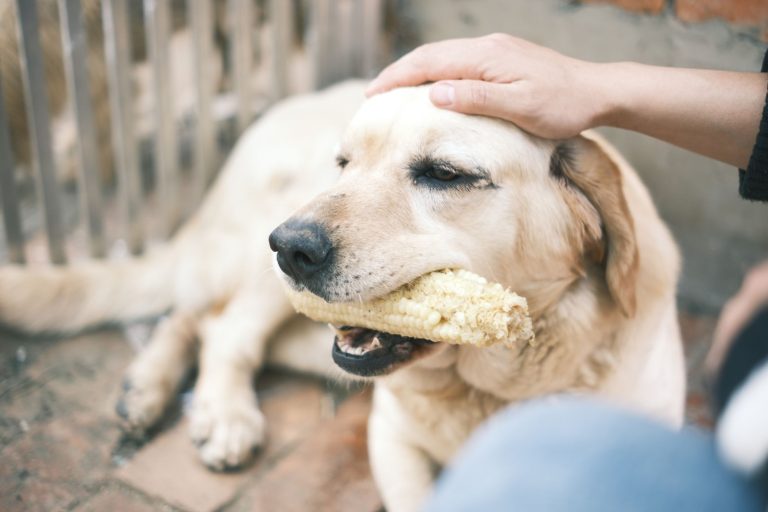
Plain corn kernels can be safe for dogs in small amounts, provided they are removed from the cob. Corn cobs can cause choking or intestinal blockage and should never be given as chew toys. Avoid buttered, salted, or heavily seasoned corn.
Can dogs eat peas every day?
A few plain peas may be fine for many dogs, but daily portions should remain modest. Peas should not displace a complete dog food, and dogs with kidney disease or other health conditions may need individualized dietary advice. Avoid canned peas with added salt.
Can dogs eat raw broccoli?
Small amounts of raw broccoli are generally tolerated by many dogs, but large portions can cause gas and digestive upset. The florets and tender stems should be cut into small pieces. Cooked broccoli may be easier for some dogs to digest.
What is the safest first vegetable for a dog?
Plain carrot, cucumber, or green bean is a reasonable first choice for many healthy dogs. Start with one or two small pieces and wait before offering more. If the dog has a medical condition, a veterinarian should recommend suitable treats first.
The safest vegetable treat is plain, properly prepared, and small enough to chew. Keep onions, garlic, chives, and seasoned leftovers away from the bowl, and treat vegetables as extras rather than a replacement for balanced dog food.

Mim Creation
Writer at Helmet Today, covering helmet reviews, fit and riding safety.