
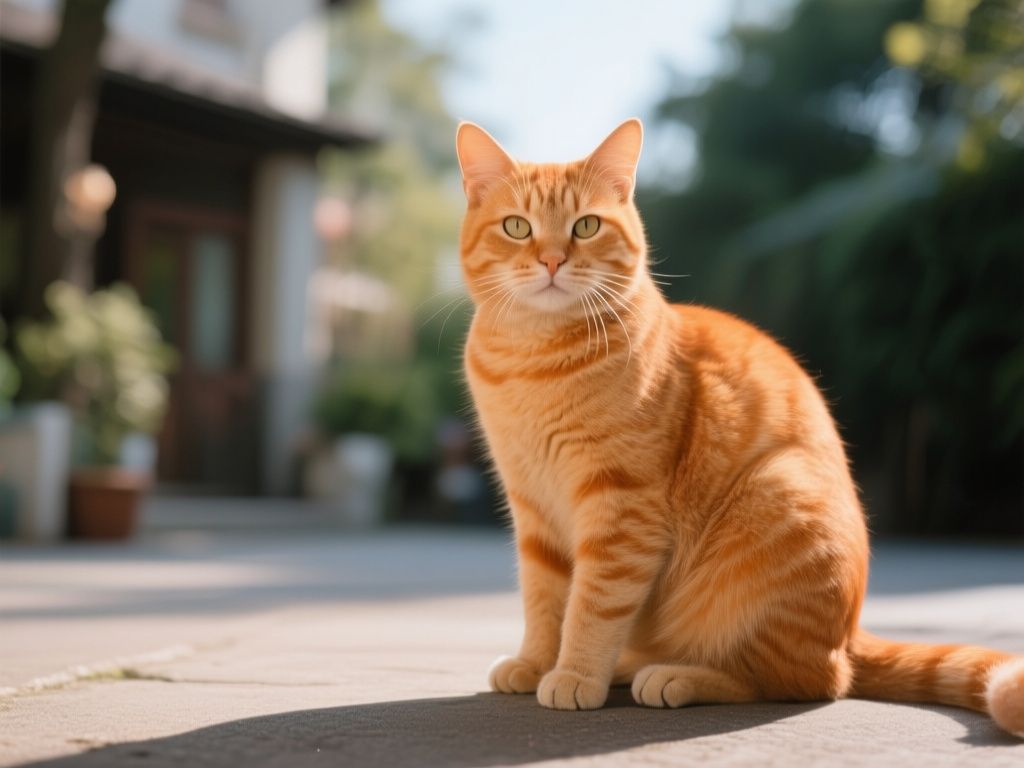
Orange cat behavior usually comes down to personality plus everyday habits—how they greet you, play, claim spots, and communicate. “Orange cat” isn’t a single personality type, but many owners notice patterns like talkativeness, confidence, or affection. The most useful way to understand your cat is to watch specific signals: posture, tail, eyes, and routines.
What do people mean by “orange cat behavior”?
When people say “orange cat behavior,” they’re usually referring to the common-looking mix of traits orange cats seem to show: affectionate cuddling, outgoing curiosity, or a slightly clownish streak. Sometimes those impressions come from personal experience—neighbors’ cats, shelter observations, or repeated encounters at home. Other times they come from social media, where cats with distinctive “vibes” get filmed more often.
Here’s the important nuance: “orange” is a coat color, not a behavior. Coat color is mostly about pigment genes, while behavior is shaped by a bigger bundle of factors: genetics, early socialization, personality, learning, health, and the environment you provide. So orange cats are not automatically “more talkative” or “more friendly” just because their fur is orange. Still, humans are good at noticing patterns, and many owners report recurring similarities.
In real homes, “orange cat behavior” usually looks like one or more specific daily routines: how they approach people, how they ask for things, and what kinds of play they repeat. If you want to understand your cat better, it’s more productive to track the behaviors you actually see than to rely on color-based stereotypes.
How do orange cats communicate day to day?
Cats communicate constantly, but they use different “channels.” Orange cat owners may feel like their cats “talk” more, “demand” more, or “follow” more—often because the cats are expressing needs in ways you notice. Communication cues are consistent across cat colors, so you can read them regardless of pigment.
What should you look for in body language?
Body language tells you whether your cat is calm, curious, annoyed, playful, or overstimulated. A few common cues:
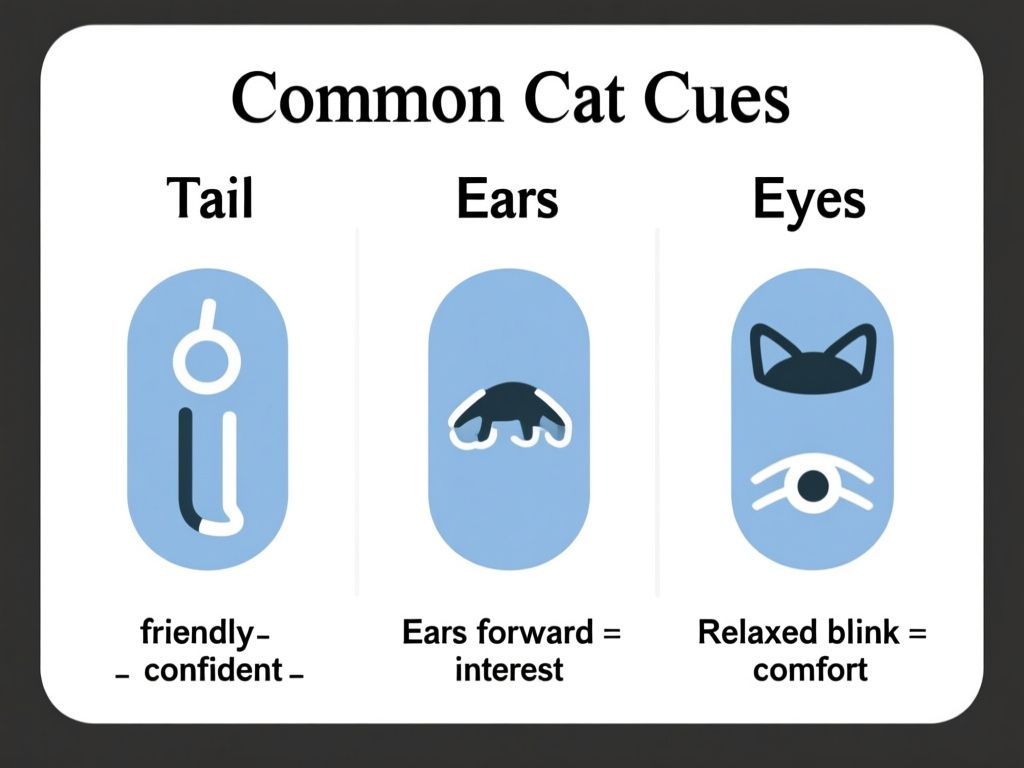
- Tail position: an upright, gently curved tail often means confidence or friendly engagement; a tail that’s twitching quickly can mean agitation or predatory focus.
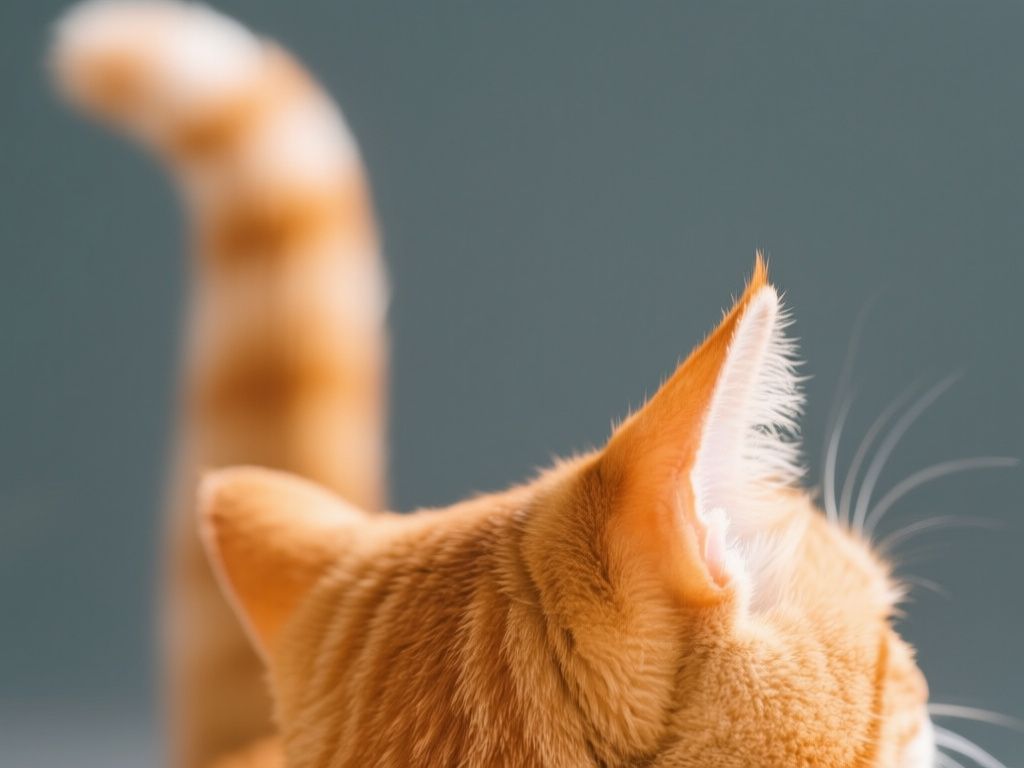
- Ears: ears forward usually signal interest; ears flattened back can signal fear, discomfort, or overstimulation.
- Eye shape: relaxed “half-lidded” eyes suggest comfort; wide eyes can mean excitement, fear, or overstimulation.
- Body posture: a sideways “loaf” can mean relaxed rest; a crouch with tucked body can mean hunting/play readiness or caution.
- Whiskers: forward whiskers often show curiosity; whiskers pulled back can signal stress.
One practical example: if your orange cat comes to you with a slow blink, tail up, and relaxed body, they’re usually asking for connection. If they approach, then freeze with flattened ears when you reach out, they’re giving a “not that yet” signal—often a cue to let them sniff your hand first or back off for a moment.
How do “orange cat” talk and meows usually work?
Many cats are “chatty” because meowing is a social tool learned through repetition: cats figure out that certain sounds get specific responses. If a cat learned that meowing leads to food, door opening, or attention, they’ll repeat it. Owners then connect the dots to “orange cat personality,” even though it’s really a learned routine.
To interpret meows, match them to timing and context. A meow right before the usual feeding time often means expectation. Meows during a change in environment—vacuuming, guests arriving, or someone leaving the house—often signal stress or attention-seeking. The most reliable read is: what happens immediately after the meow?
Are orange cats more affectionate or more independent?
Some orange cats seem more affectionate, and others seem more independent. The honest answer is that orange color doesn’t guarantee either. What you can say is that affectionate behavior (like following you, head-bunting for petting, and curling up near you) often has patterns you can encourage—and the same goes for independence.
Signs of affection to watch for
Affection doesn’t always look like constant cuddling. Many orange cats show “love” through consistent proximity and gentle contact:
- Head-butting (rubbing the head against you) can be scent transfer and bonding.
- Slow blinking while near you is usually a comfort signal.
- “Shadowing” you from room to room often means they feel safe in your presence.
- Kneading (pressing paws) can be a comfort behavior linked to kittenhood.
Signs your cat wants independence (and space)
Even friendly cats need downtime. If your orange cat becomes stiff, flicks the tail sharply, or starts “stalking” your hand without play signals, they might be signaling “enough pets for now.” Some cats also prefer affection on their terms—brief sessions, then a retreat to a favorite window seat or a hiding spot.
In practical terms, the best approach is to ask: do they initiate contact or tolerate it? Cats that initiate tend to be choosing connection. Cats that tolerate often need shorter interactions and more respectful boundaries.
What “play behavior” is common in orange cats?
Play behavior is where you’ll often see personality most clearly, regardless of color. Play is also a way cats manage energy, practice hunting skills, and relieve stress. Many orange cats appear more “silly” to owners simply because they pick frequent play routines and repeat them with confidence.
How to tell healthy play from frustration
Healthy play typically has a back-and-forth rhythm: the cat engages, pauses, pounces, then disengages. Frustration or overstimulation can look similar at first, but you’ll notice differences in recovery and aggression.
- Healthy: play bows, batting toys with relaxed body, quick recovery after pounce.
- Overstimulated: tail lashing, sudden biting without toy, sprinting and then hiding immediately.
- Not quite play: stalking that never transitions to pounce, or fixation on corners without redirecting.
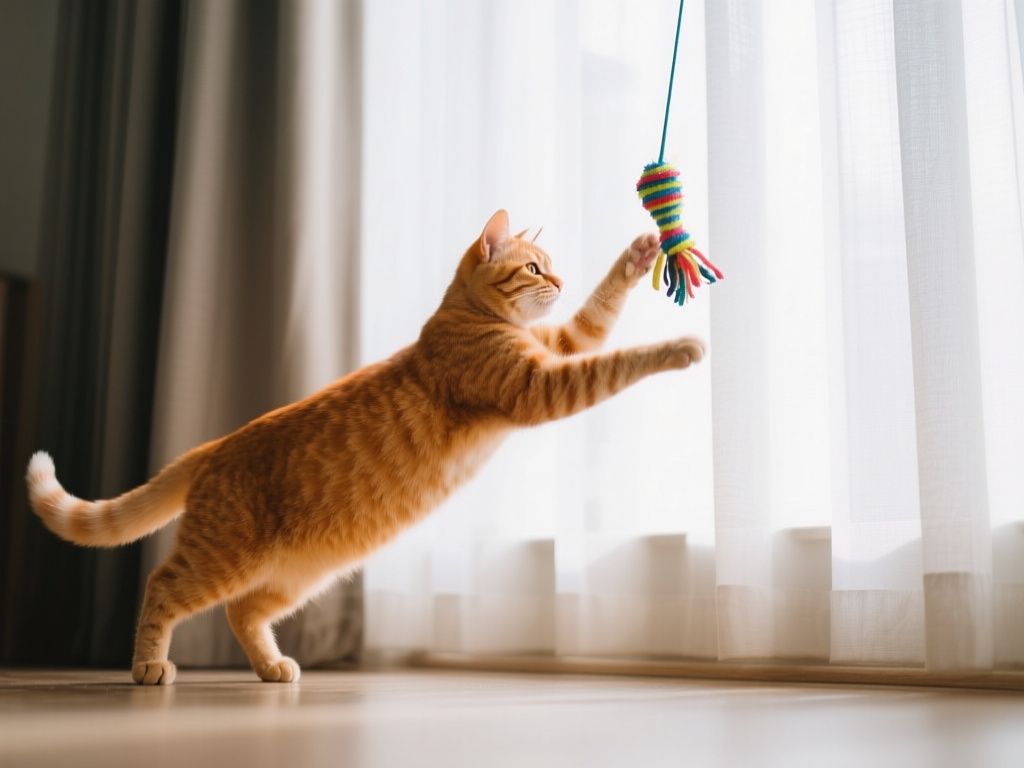
A real-life example: if you dangle a feather wand and your cat swats, pauses, and then chases again, that’s a normal hunting loop. If the cat swats once, then bites your hand even though the toy is still visible, it may be overstimulation. The fix is usually the same: stop movement, give the cat a short break, and try again later with slightly shorter sessions.
What toys and routines work best?
Most cats do best with predictable play “schedules” and toys that mimic prey movement. Try:
- Two short play sessions per day (even 5–10 minutes can help), using a wand or string toy.
- End every session with an obvious “wrap-up” moment—let the toy stop and reward calmly.
- Rotate toys so novelty doesn’t turn into overstimulation.
- Use puzzles or food-dispensing toys for cats that get bored quickly.
Owners often notice orange cats “invent” play—knocking objects, chasing a string under a couch, or carrying toys around like trophies. That’s not color magic; it’s the cat’s learning style and what they find rewarding in your home.
What about “territory” and scratching—does it differ?
Territory behavior is one of the most common reasons cats get labeled with a personality trait. Orange cat owners might report a cat that “claims” certain spots, follows them to watch what they’re doing, or scratches with more intensity. Those behaviors are often normal cat needs: marking, comfort, and controlling their environment.
Territory marking in plain language
Cats mark territory through scent (rubbing), scratching, and choosing preferred resting locations. Scratching isn’t only about claw maintenance—it also leaves visual and scent markers. If your orange cat scratches the same spot daily, they’re telling you: “This is mine, and it’s important to me.”
How to redirect scratching without punishment
Punishing scratching usually backfires, because it increases stress and doesn’t address the underlying marking need. Instead, redirect:
- Place a scratching post near the exact area they already like.
- Use attractants like catnip or scratching-friendly materials (many cats prefer sisal).
- Trim the tips of claws if your cat tolerates it.
- Cover or protect the damaged area temporarily while the new option becomes routine.
If your cat still scratches after switching to a post, it often means the new post is in the wrong location, the wrong height/angle, or less satisfying than the original. Adjust those variables and try again.
Can health issues look like “behavior”?
Yes, and this is where owners sometimes get misled. A cat may display new or unusual behavior because something hurts. When people say “my orange cat suddenly changed,” the most common underlying causes are usually medical or stress-related.
Behavior red flags worth taking seriously
- Changes in appetite or drinking
- New aggression, hiding more than usual, or sudden avoidance of handling
- Changes in litter box use (urinating/defecating outside the box)
- Increased vocalization that feels “painful” or constant
- Restlessness, grooming obsessively, or licking one area repeatedly
For instance, urinary discomfort can cause frequent attempts to use the litter box and increased meowing. If a “behavior problem” shows up abruptly, it’s wise to rule out health causes with a veterinarian rather than assuming personality changed.
What should you do if your orange cat acts “weird”?
Instead of trying to label it as orange-cat personality, take a structured look at patterns. Cats are creatures of routine; most behavior changes follow changes in schedule, environment, or body state.
A simple troubleshooting routine (no fancy equipment)
- Write down what changed: new furniture, new scents, a different feeding time, visitors, or a new pet.
- Track the behavior for 2–3 days: when it happens, how long it lasts, and what you did immediately before.
- Check basics: litter box cleanliness, food and water access, and whether the cat can get away safely.
- Adjust the environment: add a hidey spot, increase vertical space (cat tree/window perch), or reduce noise.
- If the behavior is sudden or involves litter issues or pain cues, schedule a vet visit.
This approach turns “mystery behavior” into clues you can act on. Often, you’ll discover that the cat’s behavior is actually consistent with a need you can meet.
Does orange cat behavior connect to the coat genetics?
Coat color comes from specific pigment genes, and in cats the most noticeable orange coloring is often linked with the X chromosome. That does not mean behavior genes are “bundled” with coat color in a simple way. But it can explain why you hear strong anecdotes: you’re selecting a visible subset of cats, and those cats might coincidentally have other traits due to family lines and early life experiences.
In other words, you can’t reliably predict behavior from orange color alone. However, you might see more certain patterns in a population of orange cats simply because of how cats are bred or adopted and how owners describe their experiences. The responsible way to use “orange cat behavior” ideas is as a hypothesis—then verify it with your cat’s actual cues.
Frequently Asked Questions
Are orange cats always more friendly?
No. Orange cats can be friendly, shy, playful, or cautious—just like cats of any other color. Friendly behavior usually depends more on early socialization and the environment than on coat color.
Do orange cats meow more than other cats?
Some owners report extra talkativeness, but it’s not guaranteed. Meowing frequency depends on what the cat learned gets a response (food timing, door opening, attention) and on individual personality.
Why does my orange cat follow me everywhere?
Following usually signals comfort and curiosity. Some cats follow to monitor you, others to request attention, and some because they like staying near a warm, safe human presence.
My orange cat suddenly started hiding—should I worry?
Sudden hiding can be stress-related or medical. If it’s new, persistent, or paired with appetite changes or litter issues, it’s a good idea to contact a veterinarian to rule out pain or illness.
Is scratching more common in orange cats?
Scratching is common in all cats. If your orange cat scratches more (or targets a specific spot), it usually means that location is rewarding for marking or comfort rather than a color-linked trait.
How can I tell if my cat is overstimulated?
Overstimulated cats may show tail lashing, ears flattening, sudden biting, or trouble calming down after play. Shorter play sessions and ending before the cat reaches that “too excited” point often help.
If you want one practical takeaway: ignore the “orange” label and focus on repeatable signals—what your cat does, when it does it, and what happens right after—because that’s what actually explains behavior in the real world.

Mim Creation
Writer at Helmet Today, covering helmet reviews, fit and riding safety.