We may earn a commission when you buy through links on this page, at no extra cost to you. Learn more
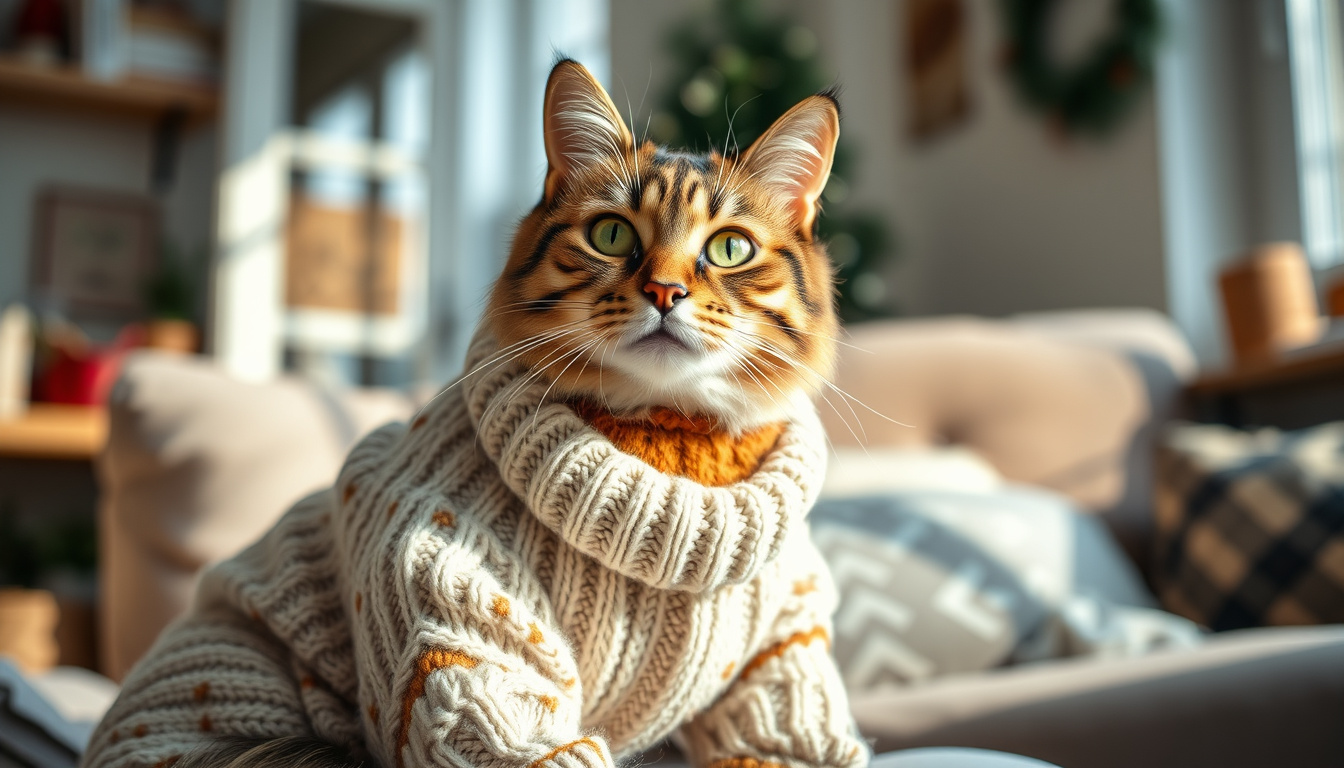
Cat Winter Sweater matters when a cat needs steady warmth without restricting movement. A well-made Cat Winter Sweater traps air near the fur and reduces heat loss during cold drafts or damp weather. It also helps owners spot comfort issues early, since fit and fabric feel change when a cat is too hot or too cold. The right garment can support daily comfort indoors, and it can make outdoor time safer when temperatures drop.
Cat Winter Sweater is what, and why it matters for warmth
A Cat Winter Sweater is a fitted knit or fleece garment designed to cover a cat’s torso while leaving the head and legs free. Most models use a stretchy opening for the neck and a shaped body that sits flat against the ribs. Some styles include a belly panel to reduce cold air from reaching the underside. The goal is not to “overheat” the cat, but to slow down heat loss.
Heat loss increases when cold air moves across the fur. A sweater forms a thin barrier that holds a layer of warmer air close to the skin. That barrier is especially helpful for short-haired cats, senior cats, and cats with reduced activity. It can also reduce discomfort when a cat lies near windows, tile floors, or drafty doors.
Warmth depends on fabric and coverage, not just thickness. A dense knit can block wind, while a soft lining can improve comfort by limiting itch. Fit matters because loose fabric can shift and create pressure points, which interrupts normal resting positions. When the sweater is correctly sized, it supports normal posture and grooming behavior.
One-liner: A Cat Winter Sweater works best when it reduces drafts while staying light, flexible, and well fitted.
How do you choose a Cat Winter Sweater that fits and lasts?
Choosing a Cat Winter Sweater starts with accurate measurements. Owners should measure the chest girth, the neck opening, and the length from the base of the neck to the start of the hips. A sweater should feel snug but not tight, with enough room for a full breath and natural leg motion. If a cat’s shoulders move freely and the garment does not ride up, the fit is usually correct.
Fabric choice drives both comfort and durability. Cotton blends and acrylic knits often feel soft and wash well, while polyester fleece can add wind resistance. Owners should look for low-pile surfaces that do not snag on claws, and for reinforced seams at stress points like the belly and neck edge. A sweater that pills quickly or stretches out after washing will lose both warmth and shape.
Closure style also affects fit stability. Pull-on designs can be faster, but they must stretch enough to avoid forcing the cat’s head through a tight opening. Velcro straps can help owners adjust fit, yet they should be placed where they do not rub the skin. Some cats prefer minimal closures, since fewer hardware parts reduce the chance of catching.
Care requirements should match the household routine. A good Cat Winter Sweater should tolerate gentle washing and air drying without shrinking. Owners should avoid harsh detergents that leave residue, which can irritate fur and skin. Storage matters too; folded sweaters keep knits from stretching, while hanging can distort the neck opening.
One-liner: A lasting Cat Winter Sweater is the one that fits measurements, keeps its shape after washing, and stays comfortable during normal movement.
What mistakes cause poor comfort with a Cat Winter Sweater?
Poor comfort usually comes from fit errors, fabric issues, or incorrect use timing. A sweater that is too small can compress the chest, limit breathing, and cause the cat to tense its body. If it is too large, it can bunch behind the legs and pull on the fur when the cat walks or jumps. Either problem can lead to avoidance, scratching, or repeated removal attempts.
Owners also make mistakes when they choose the wrong fabric weight for the cat’s environment. A very thick knit may trap heat in warm indoor rooms, especially if the cat is active or has access to heated bedding. On the other hand, an overly thin sweater may not block drafts, so the cat may shiver or seek thicker blankets instead. Comfort improves when the sweater matches the room temperature and the cat’s coat type.
Another common issue is ignoring behavioral cues. If a cat freezes, flattens the ears, or shows rapid tail flicks, the garment may feel restrictive or irritating. Owners should introduce the sweater gradually, using short sessions at first. If the cat repeatedly tries to remove it, the fit and seam placement should be reassessed rather than forcing longer wear times.
Care mistakes can also reduce comfort over time. Fabric softeners can leave residue that increases itch. Washing too hot can shrink knits and tighten the neck opening. Skipping lint removal can cause pilling, and pilling increases snag risk. A worn sweater with stretched elastic or frayed edges can create pressure points that were not present at purchase.
One-liner: Most comfort failures with a Cat Winter Sweater come from sizing errors, heat mismatch, or fabric wear that creates irritation.
Get the right Cat Winter Sweater fit, then refine care for comfort
A Cat Winter Sweater supports winter comfort when it fits the cat’s chest, neck, and body length without restricting motion. Owners should prioritize soft fabrics, stable seams, and a garment that keeps its shape after washing. After purchase, they should watch for normal walking, relaxed resting, and calm grooming behavior. If the cat shows repeated stress or tries to remove the sweater, the fit should be checked and the wear schedule adjusted. Care matters as much as selection, since residue, shrinkage, and pilling can turn a good sweater into an uncomfortable one. With correct sizing and consistent gentle washing, the sweater can stay a reliable tool for warmth.

Mim Creation
Writer at Helmet Today, covering helmet reviews, fit and riding safety.