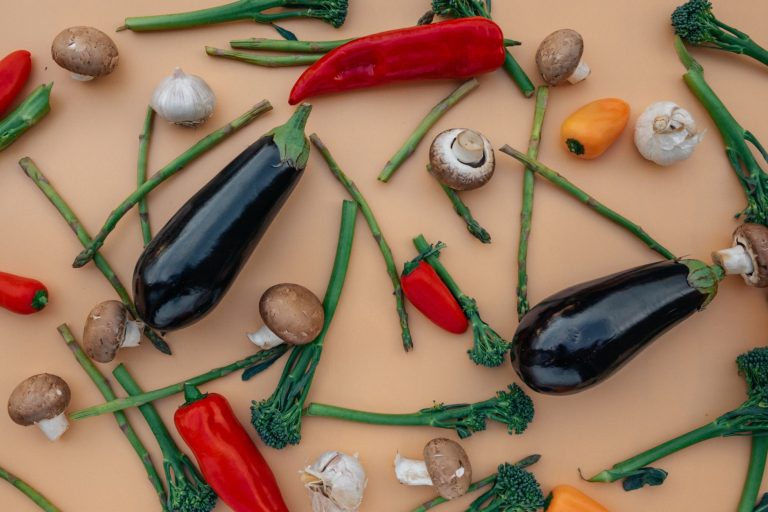
Dogs can eat several vegetables daily in small, plain portions, including carrots, green beans, cucumbers, zucchini, and cooked sweet potato. Vegetables should be a supplement, not a replacement for complete dog food. Introduce one at a time, serve bite-sized pieces, and keep vegetables and treats to roughly 10% of daily calories unless a veterinarian advises otherwise.
Which vegetables can dogs eat every day?
The best daily vegetables for dogs are low in fat, easy to digest, and served without salt, butter, oil, sauces, or seasoning. A dog’s regular food should still provide most of its calories and nutrients, because vegetables alone do not contain the right balance of protein, fat, vitamins, and minerals for canine health.
| Vegetable | Best preparation | Useful details |
|---|---|---|
| Carrots | Raw, steamed, or cooked | Crunchy and low in calories; cut into safe pieces |
| Green beans | Plain, cooked or raw | A practical, filling treat for many dogs |
| Cucumber | Raw, peeled if needed | Mostly water and suitable for warm-weather snacks |
| Zucchini | Raw or cooked | Mild flavor and generally easy to digest |
| Sweet potato | Fully cooked, plain | More calorie-dense than watery vegetables |
| Pumpkin | Plain cooked or canned | Use 100% pumpkin, not spiced pie filling |
| Broccoli | Small amounts, cooked or raw | Can cause gas; avoid large portions |
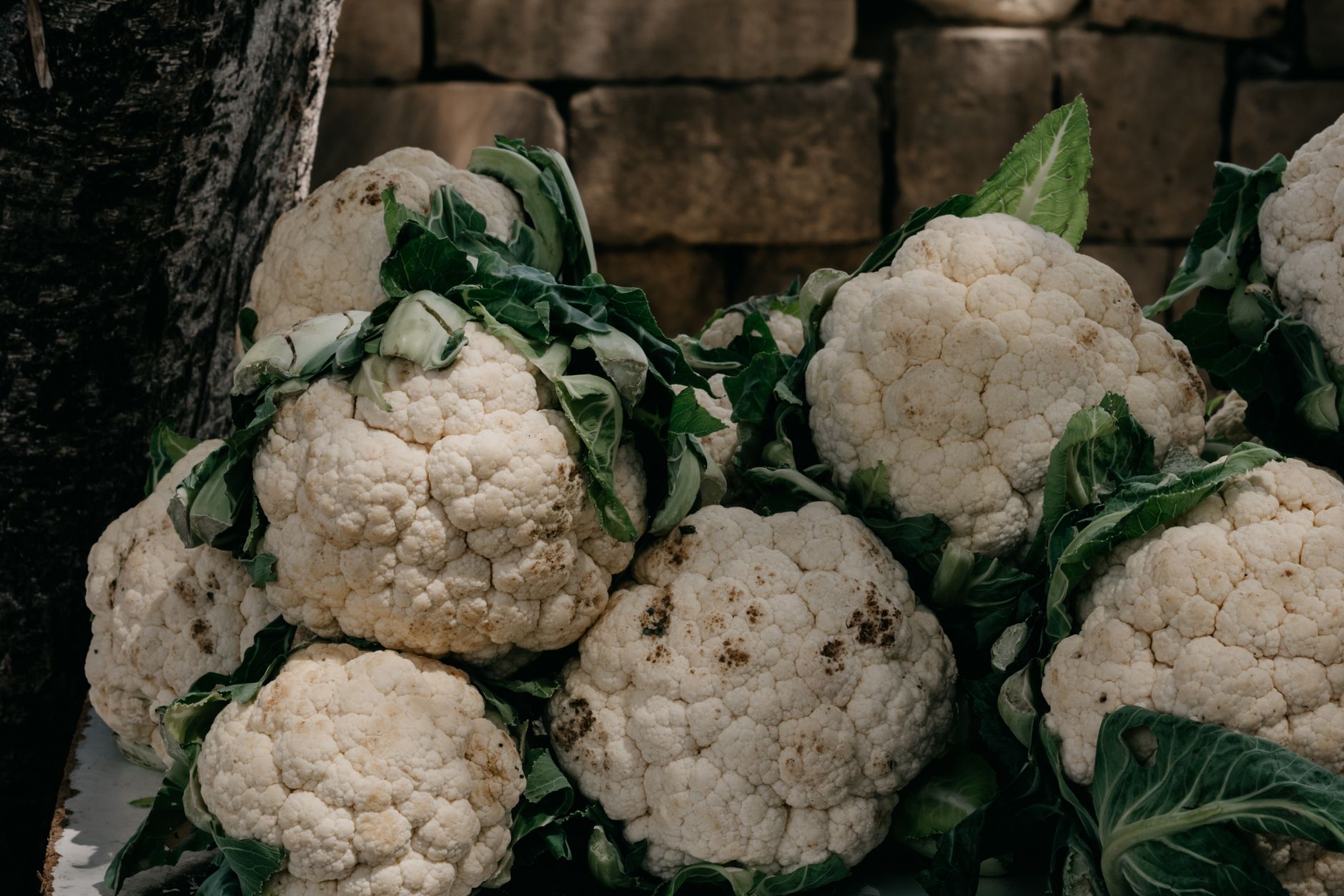
| Cauliflower | Small amounts, cooked or raw | Nutritious but may produce digestive upset |
Are carrots safe for dogs every day?
Carrots are one of the most convenient vegetables for dogs. They can be served raw as a crunchy snack or lightly steamed for dogs with sensitive teeth. Carrots contain natural sugars, so large amounts can add calories, but a few small pieces generally fit well into a balanced diet.
Size matters with raw carrots. A large dog may manage a whole baby carrot, while a small dog could need thin slices or finely chopped pieces. Hard, round chunks can become choking hazards, particularly for dogs that gulp food instead of chewing.
Can dogs eat green beans daily?
Plain green beans are suitable for many dogs as a regular low-calorie treat. Fresh, frozen, or canned beans can work, provided canned versions contain no added salt and frozen beans are thawed or cooked. Chop long beans into manageable pieces before serving.
Green beans are sometimes used to replace part of a dog’s higher-calorie treats, but they should not be used as an unplanned weight-loss diet. A dog that needs to lose weight requires a measured calorie plan, and reducing complete food too aggressively can remove essential nutrients.
Are cucumber and zucchini good daily vegetables?
Cucumber and zucchini are mild vegetables with high water content, making them useful choices for dogs that enjoy fresh, crunchy foods. Remove any bitter-tasting pieces, wash the vegetable, and cut it into small slices or cubes. The peel is usually fine when the vegetable is clean, although peeling can make digestion easier for some dogs.
These vegetables are not nutritional substitutes for a complete meal. Their main advantages are texture, hydration, and low calorie content. They work particularly well as training rewards when diced into tiny pieces.
Can dogs eat sweet potato and pumpkin every day?
Dogs can eat plain, fully cooked sweet potato and pumpkin, but both are more substantial than cucumber or green beans. They contain carbohydrates and contribute meaningful calories, so portions should be smaller and included in the dog’s daily food allowance.
Sweet potato should be baked, steamed, or boiled until soft. Do not serve it with butter, brown sugar, marshmallows, salt, or spices. Raw sweet potato is harder to chew and digest, and large chunks can cause choking or intestinal discomfort.
Plain pumpkin may help some dogs with mild stool irregularity because it contains fiber, but it is not a cure for ongoing diarrhea, constipation, vomiting, or abdominal pain. Use canned pumpkin labeled “100% pumpkin,” not pumpkin pie filling, which can contain sugar and spices.

Photo by Lionel Ntasano on Pexels
How much vegetable can a dog eat daily?
Vegetables and other extras should generally provide no more than about 10% of a dog’s daily calories, with the remaining 90% coming from a complete and balanced dog food. The exact amount depends on the dog’s size, age, activity, medical conditions, and current weight.
A practical starting point is one or two small pieces for a small dog, a tablespoon or two for a medium dog, and a small handful for a large dog. That is only a starting range, not a universal prescription. A large handful of sweet potato is very different from a large handful of cucumber because their calorie content differs.
- Use vegetables as treats or meal toppers, not as the main diet.
- Measure calorie-dense vegetables more carefully than watery vegetables.
- Subtract frequent treats from the dog’s regular food allowance when necessary.
- Keep portions smaller for puppies, senior dogs, and dogs that gain weight easily.
- Ask a veterinarian or veterinary nutritionist before changing a prescription diet.
Dogs with diabetes, kidney disease, pancreatitis, food allergies, inflammatory bowel disease, or a history of urinary stones may need more specific limits. Even a normally safe vegetable can be unsuitable when a dog’s medical diet has tightly controlled fiber, minerals, fat, or carbohydrates.
How should vegetables be prepared for dogs?
Plain preparation is safest because common human ingredients can irritate a dog’s digestive system or become toxic. Wash fresh produce, remove tough stems and seeds when appropriate, and cut the food into pieces that match the dog’s mouth and eating habits.
- Introduce one vegetable at a time.
- Start with a small piece or teaspoon-sized portion.
- Watch for vomiting, diarrhea, gas, itching, or a change in appetite over the next day.
- Increase gradually only if the dog tolerates it.
- Stop the food if symptoms appear and contact a veterinarian if they are severe or persistent.
Cooking can improve safety and digestibility for some dogs. Steaming, boiling, or baking softens firm vegetables without adding fat or seasoning. Raw vegetables are acceptable for many healthy dogs, but cooking is often a better choice for puppies, older dogs, dogs with dental disease, and dogs that swallow food quickly.
Frozen vegetables can be convenient, but frozen pieces should not be so hard that they risk cracked teeth or choking. Thaw them first, or cook them until tender. Canned vegetables need a label check because sodium-heavy brine is not a good everyday ingredient for dogs.
Can dogs eat vegetable scraps?
Vegetable scraps are not automatically safe just because they came from a vegetable. Tough stalks, fibrous peels, large leaves, and hard cores can be difficult to chew or digest. Compost and trash can also contain moldy food, spoiled produce, or poisonous ingredients.
Prepare a dog’s portion separately before adding salt, garlic, onions, sauces, or spicy seasoning to the family meal. This simple habit prevents many avoidable problems.

Photo by Arina Krasnikova on Pexels
Which vegetables should dogs never eat?
Onions, garlic, leeks, shallots, and chives should not be fed to dogs. These allium vegetables can damage red blood cells and may cause anemia, with risk depending on the amount consumed and the dog’s size. They can be dangerous when raw, cooked, dried, powdered, or included in broth and seasoning mixes.
Wild mushrooms should also be treated as unsafe. Some common mushrooms sold for human cooking may be harmless, but unidentified outdoor mushrooms can contain toxins that cause neurological, liver, or digestive problems. A dog that eats a wild mushroom needs prompt veterinary advice.
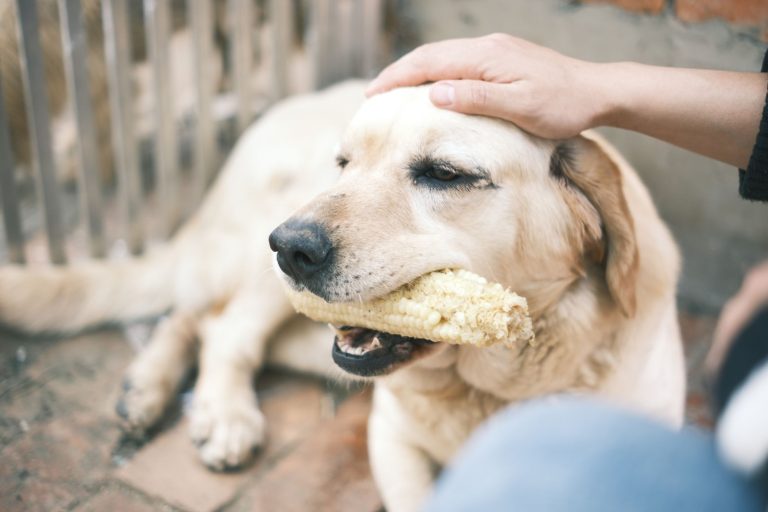
Dogs should not receive corn cobs, avocado pits, or large hard vegetable pieces. Corn kernels cut from the cob can be acceptable for many dogs, but the cob itself can cause a serious intestinal blockage. Avocado flesh is not a preferred dog treat, while the pit presents a major obstruction risk and the plant contains compounds that can cause problems in some animals.
Tomatoes require a little more nuance. Ripe red tomato flesh in a small amount is generally less concerning than green tomatoes, stems, and leaves, which contain higher levels of potentially harmful compounds. Because safer vegetables are readily available, many owners simply skip tomato plants and unripe fruit altogether.
What signs show that a vegetable does not agree with a dog?
Mild gas, loose stool, or reduced appetite can occur when a dog receives too much fiber or a new food too quickly. Stop the new vegetable, offer the usual diet, and monitor the dog if symptoms are mild and short-lived.
Repeated vomiting, bloody diarrhea, marked weakness, a swollen or painful abdomen, trouble breathing, collapse, or suspected ingestion of onions, garlic, wild mushrooms, or a corn cob requires prompt veterinary attention. Do not induce vomiting unless a veterinary professional specifically tells you to do so.
Food intolerance and food allergy are different problems. An intolerance often causes digestive signs, while an allergy may involve persistent itching, ear problems, skin inflammation, or gastrointestinal symptoms. A veterinarian can help determine whether food is responsible instead of relying on repeated home food changes.
Are vegetables necessary for a dog’s health?
Healthy dogs do not need vegetables if they are eating an appropriate complete and balanced diet. Commercial dog foods formulated to meet recognized nutritional standards already provide the essential nutrients dogs require, while vegetables mainly add variety, moisture, fiber, and low-calorie treat options.
Vegetables can still be useful in everyday life. A few diced green beans can reward calm behavior without the calories of a biscuit, and a spoonful of plain pumpkin may make a meal more appealing. The benefit comes from fitting the food into the dog’s nutrition plan, not from feeding a large quantity.
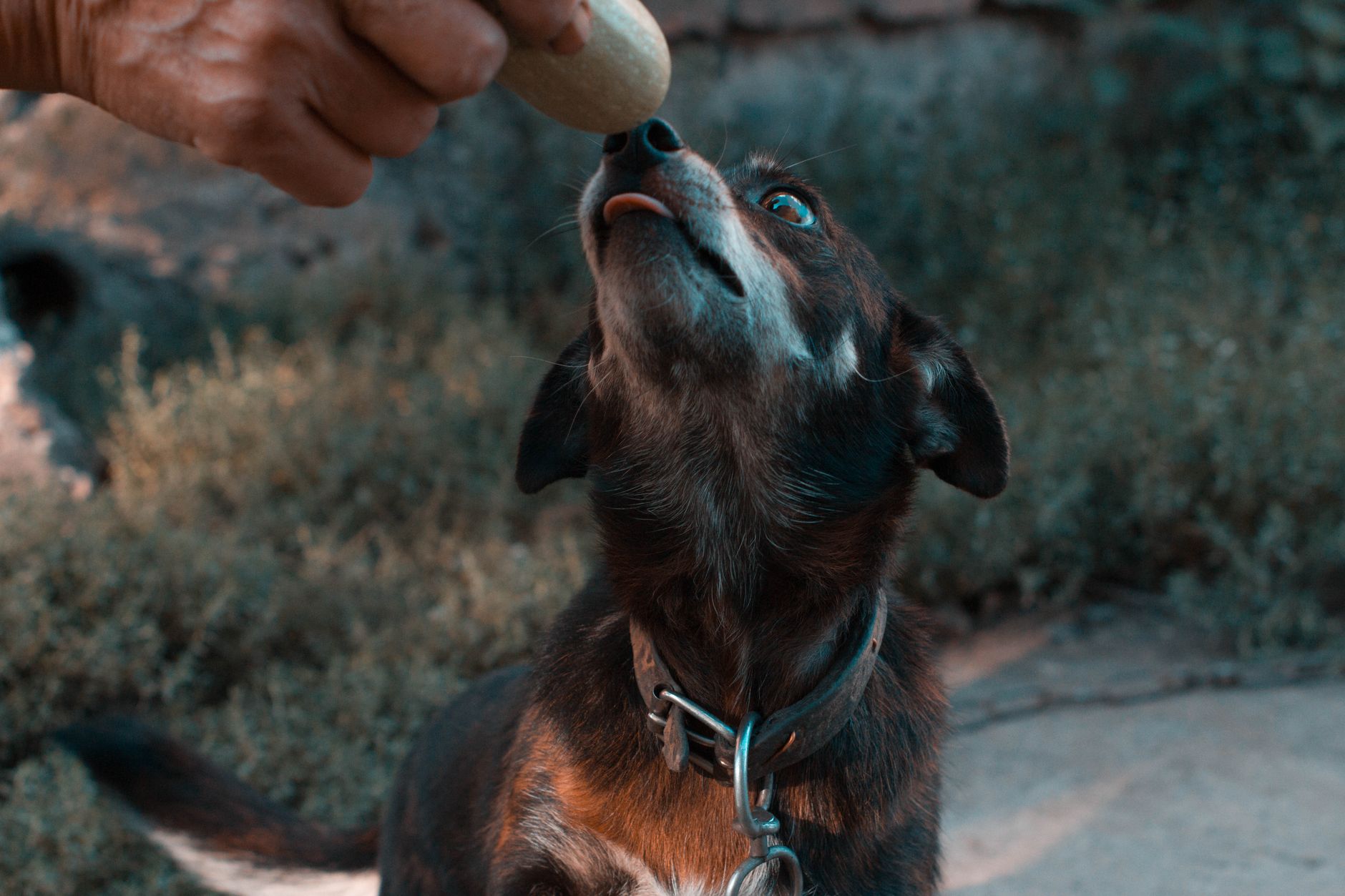
Photo by pasha kres on Pexels
Frequently Asked Questions
Can dogs eat vegetables every day?
Yes, many dogs can eat small portions of safe, plain vegetables every day. Keep them as extras rather than a main food, and generally limit all treats and additions to about 10% of daily calories.
What is the healthiest vegetable for dogs?
There is no single best vegetable for every dog. Carrots, green beans, cucumber, zucchini, plain pumpkin, and cooked sweet potato are practical choices, but the best option depends on calorie needs, digestion, dental health, and medical conditions.
Can dogs eat raw vegetables?
Many dogs can eat raw carrots, green beans, cucumber, and zucchini. Wash the produce and cut it into bite-sized pieces; cook firm vegetables for puppies, older dogs, dogs with dental problems, or dogs that gulp food.
Can vegetables replace dog food?
No. Vegetables do not supply the complete balance of protein, fat, vitamins, and minerals required for long-term canine health. They should complement a complete and balanced dog food rather than replace it.
Can dogs eat frozen vegetables?
Dogs can often eat plain frozen vegetables after they have been thawed or cooked. Avoid hard frozen chunks that could damage teeth or cause choking, and check that the product contains no onion, garlic, sauces, or excess salt.
How quickly should a new vegetable be introduced?
Offer one new vegetable in a very small amount, then watch for digestive or skin reactions over the next 24 to 48 hours. If the dog remains well, gradually increase the portion while staying within the daily calorie limit.

Mim Creation
Writer at Helmet Today, covering helmet reviews, fit and riding safety.