Dogs should not eat sweets because many contain ingredients that are toxic to them, especially chocolate, xylitol, raisins, and macadamia nuts. Even sweets without those ingredients are high in sugar and fat, which can cause stomach upset, weight gain, dental disease, or pancreatitis. A tiny plain treat may be harmless, but human sweets are best kept away from dogs.
Why are sweets dangerous for dogs?
Sweets can harm dogs in two different ways: some ingredients are directly poisonous, while others cause illness when eaten in large amounts. A dog’s size also matters. One chocolate bar may be a serious problem for a small dog but cause milder symptoms in a much larger one.
The most concerning sweet ingredients include:
- Chocolate: Contains theobromine and caffeine, chemicals that dogs process slowly.
- Xylitol: A sugar substitute that can trigger a rapid, dangerous drop in blood sugar and may damage the liver.
- Raisins and grapes: Can cause sudden kidney failure in some dogs, even in uncertain or relatively small amounts.
- Macadamia nuts: May cause weakness, tremors, vomiting, and other neurological signs.
- Alcohol: May appear in some desserts, chocolates, rum cakes, and liquid flavorings.
- High-fat ingredients: Butter, cream, and rich fillings can contribute to pancreatitis.
Plain sugar is not usually a fast-acting poison in the same way as xylitol or chocolate. That does not make sugary sweets suitable for dogs. Repeated sugar intake encourages weight gain and dental problems, while a large serving may cause vomiting, diarrhea, or painful inflammation of the pancreas.

Photo by Emrah Yazıcıoğlu on Pexels
Can dogs eat chocolate?
Dogs should not eat chocolate because theobromine and caffeine can overstimulate the heart, nervous system, and muscles. Dark chocolate, baking chocolate, and cocoa powder are more dangerous than milk chocolate because they contain higher concentrations of these chemicals.
The risk depends on four factors: the type of chocolate, the amount eaten, the dog’s body weight, and the time since ingestion. A small dog that eats baking chocolate needs urgent veterinary advice, while a larger dog that licks a small amount of milk chocolate may face less risk. The difference cannot be judged safely by appearance alone.
Chocolate poisoning may begin with restlessness, panting, vomiting, diarrhea, increased thirst, or a fast heartbeat. More serious cases can lead to tremors, seizures, abnormal heart rhythms, collapse, or death. Signs may take several hours to appear, so a dog that looks normal after eating chocolate still needs prompt advice.
Do not wait for symptoms before calling a veterinarian or animal poison service. Keep the wrapper or packaging available, since the product name, cocoa percentage, and amount missing help professionals estimate the risk.
Can dogs eat sweets containing xylitol?
Xylitol is a sugar alcohol used in some sugar-free gum, mints, candies, baked goods, toothpaste, and peanut or nut butters. In dogs, it can cause the pancreas to release a large amount of insulin, producing a sudden drop in blood glucose.
Xylitol poisoning can become an emergency within a short time. Early signs include weakness, wobbling, unusual sleepiness, vomiting, shaking, and collapse. Liver injury may occur later, sometimes after the initial blood-sugar problem appears to improve.
Never give a dog a product labeled “sugar-free” unless its ingredient list has been checked carefully and a veterinarian confirms it is safe. Product formulas vary, and labels may list xylitol under another name, such as birch sugar or wood sugar. If a dog has eaten gum, candy, or baked food that may contain xylitol, contact a veterinarian immediately.
Do not try to make the dog vomit at home unless a veterinary professional specifically instructs you to do so. Vomiting can be unsafe in a weak, drowsy, or collapsing dog, and home remedies can create additional complications.
Are raisins and grapes in sweets dangerous?
Raisins and grapes can be dangerous for dogs, including when they are baked into cookies, fruitcake, cereal bars, or other desserts. The exact toxic substance has not been clearly identified, and dogs vary in how they respond. Because the outcome is unpredictable, every ingestion should be treated seriously.
Possible signs include vomiting, diarrhea, tiredness, loss of appetite, increased thirst, reduced urination, or no urination. Kidney damage can develop after the first symptoms, so waiting to see what happens is risky.
A dog that eats a raisin-containing sweet should receive veterinary advice promptly, even if the dog seems perfectly well. Take the package or a photo of the ingredient list with you if possible.
What should you do if your dog eats sweets?
Quick, organized action gives a veterinarian the best chance to prevent serious illness. Follow these steps:
- Remove the remaining sweets. Check the floor, bin, wrappers, and nearby surfaces for additional pieces.
- Find the packaging. Record the product name, ingredients, cocoa percentage, packet size, and the amount that may be missing.
- Note the timing. Write down when the dog ate the sweet and whether any vomiting or unusual behavior has started.
- Contact a veterinarian or animal poison service. Call even if the dog looks normal, particularly if chocolate, xylitol, raisins, grapes, alcohol, or macadamia nuts are involved.
- Follow professional instructions. The veterinarian may recommend observation, an examination, induced vomiting in a controlled setting, blood tests, fluids, or other treatment.
Do not give salt, oil, milk, mustard, or other home remedies. These methods are unreliable and may cause aspiration, stomach irritation, salt poisoning, or delayed treatment. Hydrogen peroxide should also not be used unless a veterinarian directs it for that specific dog and situation.
Emergency signs include collapse, seizures, difficulty breathing, severe weakness, repeated vomiting, a very fast or irregular heartbeat, tremors, or inability to stand. A dog showing any of these signs should be taken to an emergency veterinary clinic immediately.

Photo by Tima Miroshnichenko on Pexels
Which common sweets are especially risky for dogs?
| Sweet or dessert | Main concern | What to do |
|---|---|---|
| Dark chocolate or baking chocolate | Theobromine and caffeine poisoning | Call a veterinarian promptly |
| Sugar-free gum or candy | Possible xylitol poisoning | Treat as an urgent emergency |
| Raisin bread, fruitcake, or oatmeal cookies | Possible kidney injury | Call promptly, even without symptoms |
| Macadamia-nut cookies | Weakness, tremors, and stomach upset | Seek veterinary advice |
| Ice cream and whipped cream | Fat, sugar, and possible dairy intolerance | Avoid; monitor after accidental small exposure |
| Rich cakes and pastries | Fat-related stomach upset or pancreatitis | Call if a large amount was eaten or symptoms appear |
| Candies with wrappers | Choking or intestinal blockage | Seek advice if wrappers were swallowed |
The wrapper can be a separate hazard from the sweet itself. Foil, plastic, and paper may irritate the digestive tract or form an obstruction, especially in small dogs. Repeated retching, abdominal pain, bloating, lack of appetite, or inability to pass stool requires veterinary attention.
Can dogs eat plain sugar or small amounts of candy?
A tiny amount of plain sugar is unlikely to poison an otherwise healthy dog, but it still offers no nutritional benefit. A lick of frosting or one small piece of a simple sugar candy may cause no lasting problem, yet larger portions can produce diarrhea, vomiting, or a painful flare of pancreatitis in susceptible dogs.
Dogs with diabetes, obesity, a history of pancreatitis, sensitive digestion, or dental disease should not be given sugary foods at all. Puppies may also react poorly because their digestive systems are more sensitive and their bodies are smaller.
“Safe in a tiny amount” should not be confused with “safe as a regular treat.” Human sweets often contain several ingredients, and a recipe can change without the food’s name making the risk obvious. A plain-looking cookie may contain raisins, chocolate chips, cocoa, or a sugar substitute.
What treats are safer for dogs?
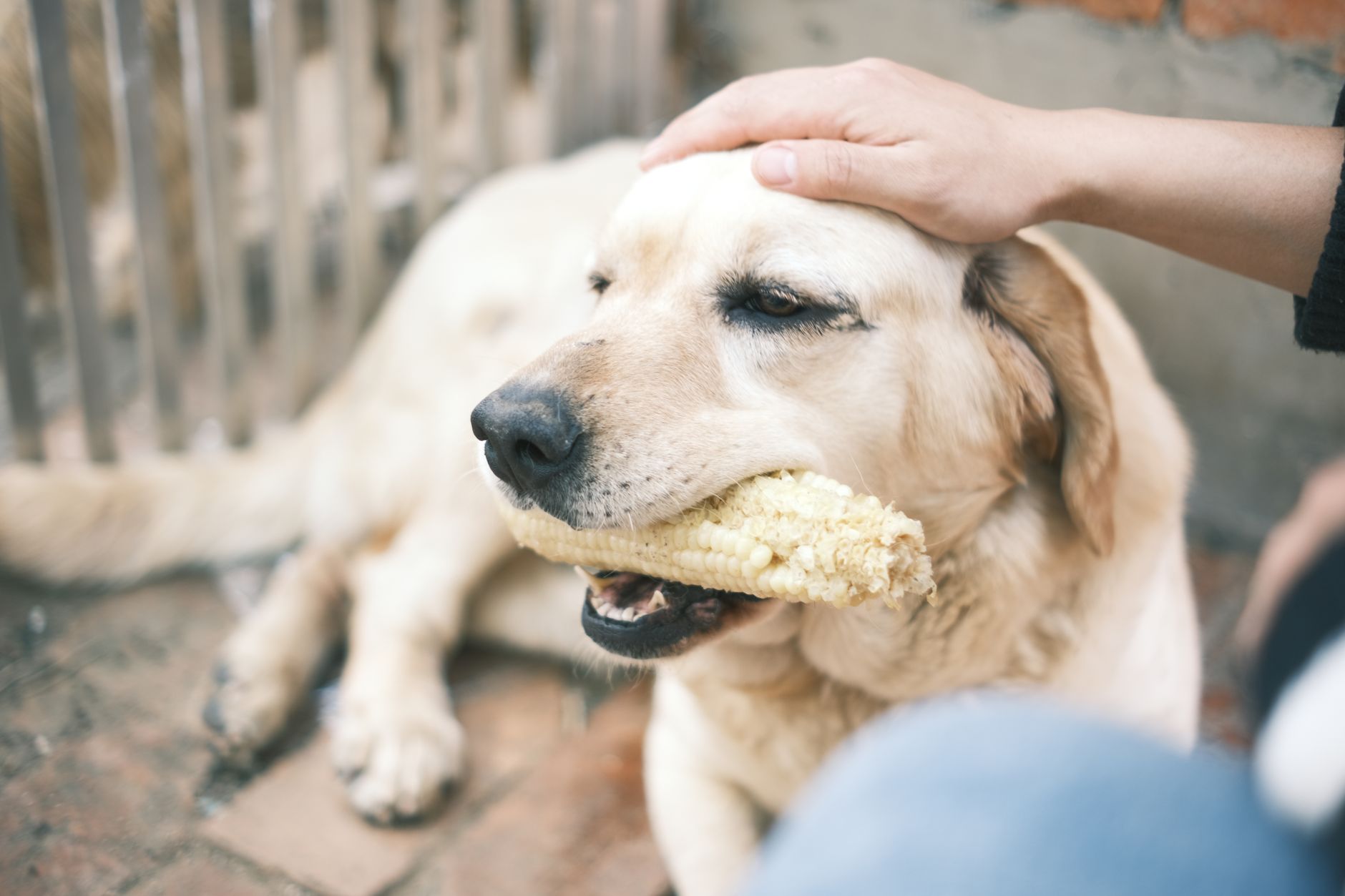
Dog-specific treats are the simplest choice because they are formulated for canine digestion and usually come with feeding guidance. Treats should remain a small part of the daily diet rather than replacing balanced food.
Many dogs can enjoy small portions of plain, unseasoned foods such as:
- Carrot pieces
- Cucumber slices
- Green beans
- Apple pieces with the core and seeds removed
- Blueberries
- Plain cooked chicken without bones, skin, or seasoning
- A small amount of plain pumpkin without added sugar or spices
Portion size still matters. A treat that seems tiny to a person can represent a large number of calories for a five-kilogram dog. Introduce unfamiliar foods one at a time and stop if the dog develops vomiting, diarrhea, itching, or other unusual symptoms.

Photo by Amina Filkins on Pexels
How can you prevent accidental sweet poisoning?
Prevention works best when sweets are stored as carefully as medicines. Keep candy, chocolate, baking ingredients, and sugar-free gum in closed cupboards rather than on counters, coffee tables, bedside tables, or open bags on the floor.
- Tell children and visitors not to feed the dog from their plates.
- Use a lidded bin that the dog cannot open.
- Check ingredient labels before sharing any human food.
- Keep purses, backpacks, and shopping bags off the floor.
- Store baking chocolate and cocoa powder in sealed containers.
- Remember holiday periods, when homes often contain more chocolate and desserts than usual.
- Keep the local veterinarian and emergency clinic numbers easy to find.
Training a reliable “leave it” cue adds another layer of protection, but it should not replace secure storage. Dogs can reach food surprisingly quickly, especially when a chair, tablecloth, or open cupboard gives them extra access.
Frequently Asked Questions
Can dogs eat gummy candy?
Dogs should not be given gummy candy. Some products contain xylitol, while others contain large amounts of sugar, artificial sweeteners, or irritating additives. Check the ingredient list and contact a veterinarian urgently if xylitol may be present.
Can dogs eat marshmallows?
A plain marshmallow is not usually toxic in a small amount, but it is mostly sugar and has no useful nutritional value for dogs. Sugar-free marshmallows may contain xylitol, making them potentially life-threatening. Keep all marshmallows away from dogs unless the ingredients have been verified.
Can dogs eat ice cream?
Ice cream is best avoided because it commonly contains sugar and fat, and many dogs have trouble digesting lactose. Some flavors also contain chocolate, coffee, raisins, or xylitol. A small accidental lick is usually less concerning than a bowlful, but watch for vomiting or diarrhea and check the ingredients.
What happens if a dog eats one piece of candy?
The answer depends on the candy’s ingredients, the amount, and the dog’s size. One plain sugar candy may cause no problem, while one piece of xylitol gum or dark chocolate can require urgent treatment. Keep the wrapper and call a veterinarian if the ingredients are uncertain.
How long after eating chocolate do symptoms appear?
Chocolate poisoning signs may appear within several hours, but the timing varies with the product and amount. A dog can look normal at first while the chemicals are being absorbed. Do not wait for symptoms before seeking professional advice.
Should I make my dog vomit after eating sweets?
Do not induce vomiting unless a veterinarian or animal poison professional specifically tells you to do so. The correct approach depends on what was eaten, when it was eaten, and the dog’s condition. Home remedies can cause injury or delay treatment.
The safest rule is straightforward: keep human sweets away from dogs, and treat chocolate, xylitol, raisins, and unknown ingredients as reasons to call a veterinarian promptly. Saving the packaging can make that call faster and more useful.

Mim Creation
Writer at Helmet Today, covering helmet reviews, fit and riding safety.