Dogs can eat many plain, cooked foods, including lean meat, carrots, green beans, rice, and small amounts of certain fruits. They should never eat chocolate, grapes or raisins, onions, garlic, xylitol, alcohol, or foods containing dangerous bones. Portion size matters too: treats and table foods should remain a small part of a balanced diet.
What foods can dogs eat safely?
Healthy dogs can usually enjoy small portions of plain, unseasoned foods alongside their regular complete dog food. “Plain” means free from sauces, heavy salt, butter, spices, and ingredients such as onion or garlic. Introduce any new food gradually because even safe foods can cause diarrhea or vomiting if a dog eats too much.
Lean, fully cooked protein is generally a good choice for dogs. Suitable examples include cooked chicken, turkey, beef, pork, and fish, provided they are unseasoned and have no bones. Remove visible fat and skin when possible, since rich, fatty portions can trigger stomach upset and may contribute to pancreatitis in susceptible dogs.
- Cooked chicken or turkey without bones, skin, or seasoning
- Lean beef or pork, served plain and in small pieces
- Fully cooked salmon or other low-mercury fish, with all bones removed
- Cooked eggs without butter, oil, salt, or seasoning
- Plain tofu in small portions, if the dog tolerates it
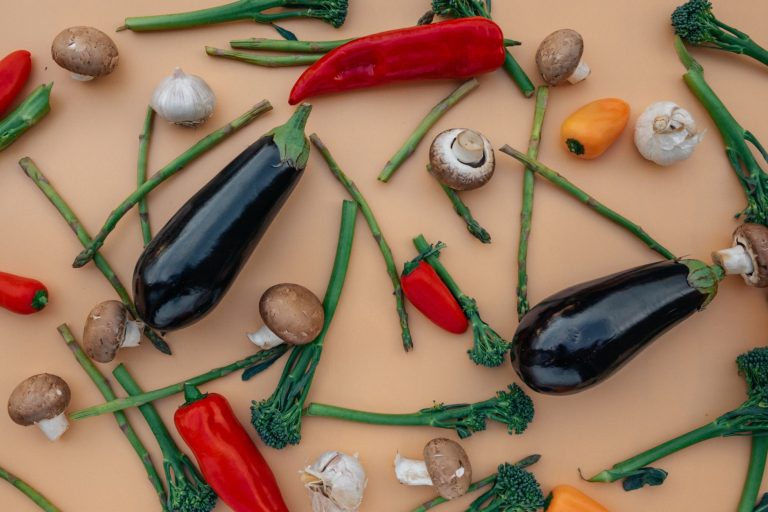
Many vegetables are safe and useful as low-calorie treats. Carrots, green beans, cucumber, zucchini, peas, pumpkin, and plain sweet potato are common options. Cut firm vegetables into bite-sized pieces, especially for small dogs, and cook hard vegetables when necessary to make chewing easier.
Fruit can also be offered, but it contains natural sugar and should be treated as an occasional snack. Dogs may eat apple flesh without the core or seeds, bananas, blueberries, strawberries, watermelon without seeds or rind, and peeled mango in small pieces. Fruit pits, seeds, and cores are the main concern because some can be toxic, while others can cause choking or intestinal blockage.
| Food | How to serve it | Main caution |
|---|---|---|
| Carrots | Raw or cooked, cut into small pieces | Large chunks can be a choking hazard |
| Green beans | Plain, cooked or raw | Avoid canned versions with added salt |
| Pumpkin | Plain cooked pumpkin or 100% pumpkin puree | Do not use spiced pie filling |
| Apple | Flesh only, cut into pieces | Remove core and seeds |
| Peanut butter | A small amount as an occasional treat | Check the label for xylitol |
Plain carbohydrates can be useful in modest amounts, especially when a veterinarian recommends a temporary bland diet. Cooked white rice, oatmeal, pasta, and plain boiled potatoes are generally tolerated by healthy dogs. These foods do not provide complete nutrition on their own, so they should not replace a balanced dog food for more than a short, veterinarian-guided period.
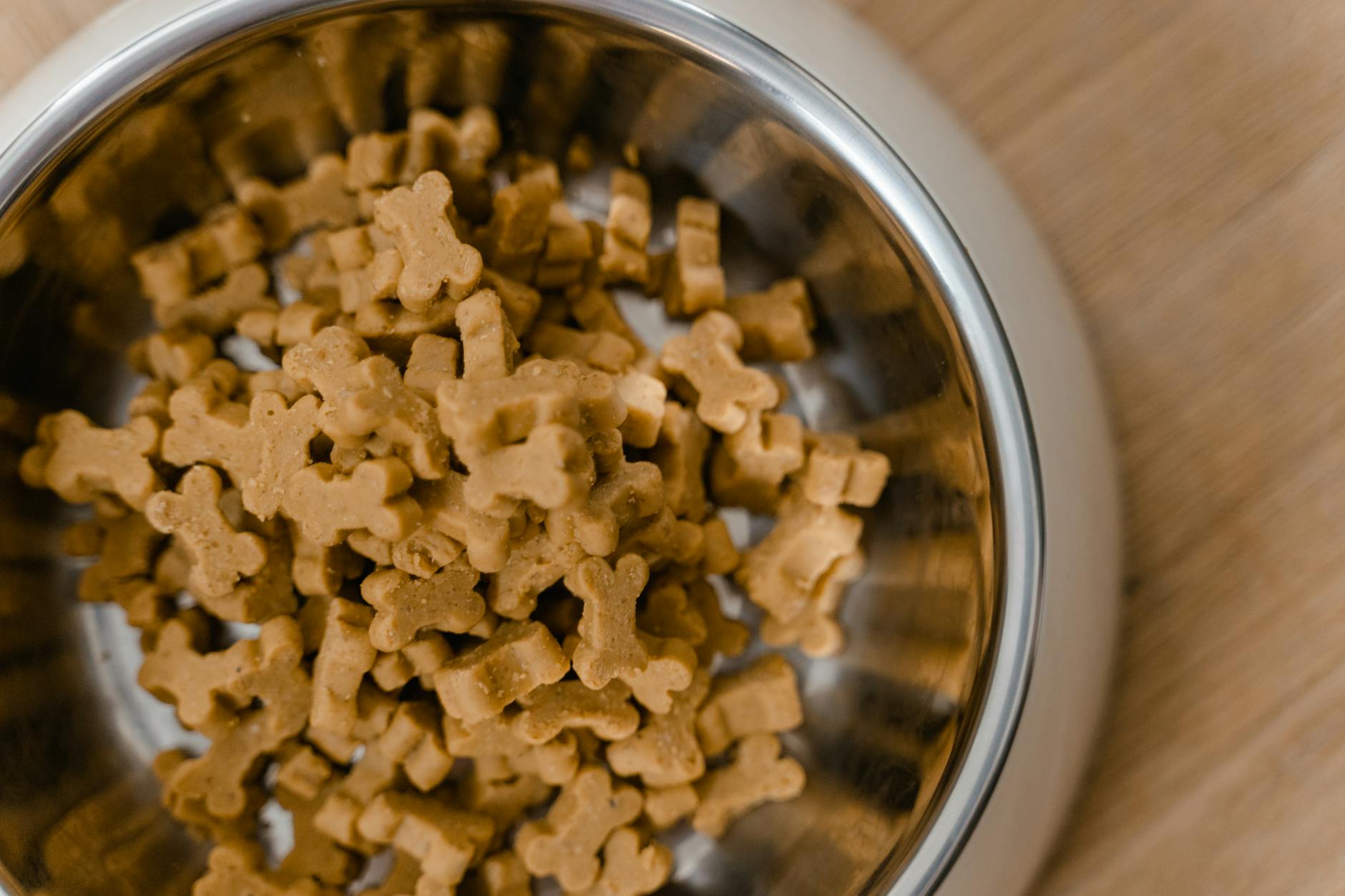
Photo by MART PRODUCTION on Pexels
Which human foods are toxic to dogs?
Several ordinary kitchen foods are dangerous for dogs even in relatively small amounts. The risk depends on the food, the dog’s size, the quantity eaten, and the dog’s health. A puppy or small dog may become seriously ill from an amount that causes only mild symptoms in a large adult dog.
Chocolate is toxic because it contains theobromine and caffeine, substances dogs process more slowly than people do. Dark chocolate, baking chocolate, and cocoa powder contain more of these compounds than milk chocolate. Signs of chocolate poisoning can include restlessness, vomiting, diarrhea, a fast heartbeat, tremors, seizures, and collapse.
Grapes and raisins can cause sudden kidney injury in dogs, and the dangerous amount is unpredictable. Some dogs become critically ill after eating only a few, while others show no immediate symptoms. A dog that has eaten grapes, raisins, currants, or foods containing them should receive prompt veterinary advice rather than waiting to see what happens.
Onions, garlic, leeks, chives, and related plants can damage a dog’s red blood cells. These ingredients remain a concern when cooked, dried, powdered, or included in prepared foods such as sauces, soups, baby food, and seasoning mixes. Symptoms may take several days to appear and can include weakness, pale gums, reduced appetite, and fast breathing.
Xylitol is a sugar substitute found in some sugar-free gum, candy, baked goods, toothpaste, mouthwash, supplements, and medications. It can cause a rapid drop in blood sugar and may lead to liver failure. Product labels change, so any dog that may have eaten a sugar-free product needs immediate professional guidance.
- Chocolate, cocoa powder, and coffee grounds
- Grapes, raisins, sultanas, and currants
- Onions, garlic, leeks, chives, and onion or garlic powder
- Xylitol, also listed in some products as birch sugar
- Alcohol and foods made with alcohol
- Macadamia nuts
- Raw yeast dough
- Large amounts of salt
Alcohol is unsafe for dogs because it can depress the nervous system and cause dangerous changes in blood sugar, body temperature, breathing, and coordination. Raw yeast dough creates a second problem: it can expand inside the stomach while producing alcohol as it ferments. Both risks make dough containing live yeast unsuitable for dogs.
Why are bones, fat, and leftovers risky?
Cooked bones can splinter into sharp fragments that injure the mouth, throat, stomach, or intestines. Bones can also lodge in the esophagus or cause a blockage farther down the digestive tract. Raw bones are not risk-free either; they may break teeth, cause choking, or carry bacteria, so they should not be treated as automatically safe.
Fatty scraps can irritate the digestive system and may trigger pancreatitis, an inflammation of the pancreas. Greasy meat, bacon, sausage, poultry skin, gravy, and buttery leftovers are particularly poor choices for dogs with a history of digestive disease or pancreatitis. A small taste is not guaranteed to cause illness, but repeated rich treats are an avoidable risk.
Leftovers also contain hidden ingredients that are unsafe for dogs. A slice of roast meat may be harmless, while the gravy poured over it contains onion powder, garlic, excess salt, or large amounts of fat. Before sharing human food, check the entire ingredient list rather than judging the food by its main ingredient alone.

Photo by Kai-Chieh Chan on Pexels
Can dogs eat dairy products?
Some dogs can tolerate small amounts of plain dairy, but many adult dogs digest lactose poorly. Lactose is the natural sugar in milk, and dogs that lack enough lactase, the enzyme that breaks it down, may develop gas, loose stools, or vomiting after dairy.
Small amounts of plain yogurt or cottage cheese may be tolerated if they contain no xylitol, artificial sweeteners, or added sugar. Cheese can work as a training treat, but it is calorie-dense and often high in fat and salt. Milk, ice cream, cream, and flavored dairy products are more likely to cause problems and offer little nutritional benefit.
How much human food can a dog eat?
Human food should usually make up no more than about 10 percent of a dog’s daily calories, with the remaining calories coming from a complete and balanced diet. The exact amount depends on the dog’s size, age, activity level, body condition, and health. A small dog may use up its treat allowance after only a few bites.
Portion size is easiest to manage when treats are cut into tiny pieces. For example, a blueberry, a thin carrot slice, or a pea-sized piece of cooked chicken may be enough for a small dog. Treats should not push a dog above a healthy body weight, since excess weight increases strain on joints and can worsen conditions such as diabetes or heart disease.
Dogs with kidney disease, diabetes, pancreatitis, food allergies, or prescription diets need individualized advice. A food that is safe for a healthy dog may not fit the medical needs of another. Puppies, pregnant dogs, and senior dogs can also have different nutritional requirements.
What should you do if your dog eats something dangerous?
Call a veterinarian, emergency veterinary clinic, or animal poison service immediately when a dog may have eaten a toxic food. Do not wait for symptoms after chocolate, grapes or raisins, xylitol, medication, alcohol, or a large quantity of onion or garlic. Early treatment can matter even when the dog appears normal.
Keep the package, ingredient label, or remaining food available for the professional who answers. Useful details include the dog’s weight, the name of the product, the estimated amount eaten, and the time of exposure. If vomiting, tremors, weakness, breathing trouble, seizures, collapse, or severe abdominal pain is already present, go directly to an emergency clinic.
Do not induce vomiting unless a veterinarian or poison professional specifically instructs you to do so. Household methods such as salt, oil, mustard, or hydrogen peroxide can cause additional injury and may be dangerous when the swallowed substance is corrosive, sharp, or likely to enter the lungs.

Frequently Asked Questions
Can dogs eat peanut butter?
Dogs can eat a small amount of plain peanut butter if the product contains no xylitol, added chocolate, or excessive salt. Peanut butter is high in calories and fat, so it works best as an occasional treat rather than a daily spoonful.
Can dogs eat eggs?
Fully cooked eggs are generally safe for dogs when served plain and in small portions. Avoid raw eggs because they can carry bacteria, and skip butter, oil, salt, cheese, and seasoning. Eggs should supplement—not replace—a complete diet.
Can dogs eat rice and chicken?
Plain cooked chicken and white rice are commonly used as a short-term bland meal, but a veterinarian should guide feeding when a dog is vomiting or has diarrhea. This combination is not nutritionally complete for long-term use and should contain no bones, skin, onion, garlic, salt, or seasoning.
Can dogs eat bananas?
Dogs can eat small pieces of ripe banana, but bananas are relatively high in sugar. Too much may cause stomach upset or add unnecessary calories. The peel is difficult to digest and should be removed.
Are raw vegetables safe for dogs?
Some raw vegetables, including carrots, cucumber, and green beans, are safe when washed and cut into manageable pieces. Hard chunks can cause choking, especially in small dogs or dogs that gulp food. Cooking may make firm vegetables easier to chew and digest.
Is a food safe if a dog has eaten it before?
Past tolerance does not make every food safe, because illness can depend on dose, preparation, and the dog’s changing health. A dog may also develop an intolerance over time. When in doubt, offer a small portion of a simple, known-safe food and check with a veterinarian for anything unusual or potentially toxic.

Mim Creation
Writer at Helmet Today, covering helmet reviews, fit and riding safety.