Dogs can eat many plain, cooked foods, including lean meats, carrots, green beans, rice, and small amounts of peanut butter. They should not eat chocolate, grapes or raisins, onions, garlic, xylitol, alcohol, or macadamia nuts. Safe serving size depends on the dog’s weight, age, health, and the food’s preparation.
Which human foods can dogs eat safely?
Plain, unseasoned foods are usually the safest choices when sharing a small bite with a dog. Treats should remain occasional because most dogs need a complete, balanced diet rather than a menu built from table scraps.
- Lean cooked meat: Chicken, turkey, beef, and pork can be suitable when fully cooked, unseasoned, and free of bones and excess fat.
- Fish: Plain, cooked salmon, whitefish, and sardines can provide protein and fatty acids. Remove every bone and avoid heavily salted or smoked fish.
- Eggs: Plain cooked eggs are generally safe in small portions. Scrambled or boiled eggs should not contain butter, salt, onions, or seasoning.
- Carrots: Raw or cooked carrots make a low-calorie snack. Cut large pieces into manageable sizes, especially for small dogs.
- Green beans: Plain fresh, frozen, or cooked green beans are often useful as a crunchy treat. Avoid versions packed with salt, butter, or sauces.
- Pumpkin: Plain canned pumpkin, not pumpkin pie filling, can be added in a small amount to food. It contains fiber, but too much may cause digestive upset.
- Sweet potato: Cooked, peeled sweet potato is acceptable without butter, sugar, or seasoning. Allow it to cool and cut it into small pieces.
- Rice and oats: Plain cooked white rice, brown rice, and oatmeal can be tolerated by many dogs. They should not replace a nutritionally complete diet for long periods.
- Apples: Small pieces of apple flesh are generally fine after removing the core and seeds. Apple seeds contain compounds that can be harmful in sufficient quantities, and the hard core can present a choking risk.
- Blueberries and strawberries: These fruits can be offered in small portions after washing. Slice large strawberries for small dogs.
- Bananas: A few slices are usually safe, but bananas contain considerable natural sugar, so they are better as an occasional treat.
- Plain yogurt: Some dogs tolerate small amounts of unsweetened yogurt, particularly varieties with live cultures. Many dogs have trouble digesting lactose, so stop if loose stool develops.
- Peanut butter: A small amount may be safe if it contains no xylitol. Check the ingredient list every time because recipes and brands can change.
Preparation matters as much as the ingredient itself. A plain piece of chicken may be suitable, while chicken covered in garlic sauce, rich gravy, or cooked bones can create several hazards at once.

Photo by Katya Wolf on Pexels
What foods are poisonous to dogs?
Several common kitchen foods can cause serious illness in dogs, even when the dog appears fine at first. A suspected poisoning should be treated as urgent rather than watched casually at home.
| Food or ingredient | Main concern | What to do |
|---|---|---|
| Chocolate, cocoa, and coffee | Caffeine and theobromine can affect the heart and nervous system. | Contact a veterinarian or animal poison service promptly. |
| Grapes and raisins | They can cause acute kidney injury; the dangerous amount is unpredictable. | Call immediately, even if the dog seems normal. |
| Xylitol | This sweetener can cause a rapid drop in blood sugar and liver injury. | Seek emergency veterinary care at once. |
| Onions, garlic, leeks, and chives | These plants can damage red blood cells and cause anemia. | Contact a veterinarian, especially after repeated or concentrated exposure. |
| Alcohol | It can cause dangerous depression of the nervous system, low blood sugar, and breathing problems. | Seek urgent veterinary advice. |
| Macadamia nuts | They may cause weakness, tremors, vomiting, and difficulty walking. | Call a veterinarian for guidance. |
Why are grapes and raisins dangerous?
Grapes and raisins are linked with sudden kidney damage in dogs, but the toxic dose cannot be predicted reliably. One dog may become seriously ill after a small amount, while another may show no obvious symptoms at first. Red, green, and seedless grapes all warrant the same caution.
Why is xylitol dangerous?
Xylitol is a sugar substitute found in some sugar-free gum, candy, baked goods, toothpaste, supplements, and peanut or nut butters. In dogs, it can trigger the pancreas to release a large amount of insulin, causing dangerously low blood sugar. Later liver damage can also occur.
Product labels may list xylitol under another description, including “birch sugar” or “wood sugar.” If a dog eats a product that may contain it, do not wait for symptoms such as weakness, wobbling, shaking, seizures, or vomiting.
Which foods are unhealthy rather than immediately poisonous?
Some foods are not classic poisons but still cause problems because they are fatty, salty, sugary, or difficult to digest. Frequent leftovers can contribute to obesity, pancreatitis, dental disease, and an unbalanced diet.
- Fatty meat and skin: Bacon, sausage, poultry skin, meat drippings, and greasy leftovers can cause stomach upset and may contribute to pancreatitis.
- Salty foods: Chips, salted meats, instant noodles, and heavily seasoned foods can add excessive sodium and may cause vomiting, diarrhea, or more serious problems in large amounts.
- Sugary desserts: Cakes, cookies, and ice cream provide little nutritional value. Some also contain chocolate, raisins, macadamia nuts, or xylitol.
- Large amounts of dairy: Milk, cream, and cheese can cause diarrhea in dogs that do not digest lactose well. Rich cheeses may also be too fatty.
- Raw dough: Yeast dough can expand in the stomach and produce alcohol as it ferments. Both effects can become emergencies.
- Large amounts of liver: Liver is nutritious in modest portions, but excessive amounts over time can provide too much vitamin A.
- Human supplements: Vitamins, iron tablets, herbal products, and medications can be dangerous. “Natural” does not automatically mean safe for dogs.

Photo by Elina Volkova on Pexels
Can dogs eat bones, raw meat, and table scraps?
Cooked bones should not be given to dogs because heating makes them brittle. They can splinter, become lodged in the throat, break teeth, or puncture the digestive tract. Chicken, turkey, pork, and rib bones are all risky when cooked.
Raw bones are not risk-free either. They can break teeth, cause choking or intestinal blockage, and carry bacteria such as Salmonella or other pathogens. Some dogs also guard bones aggressively, creating a household safety problem.
Raw meat can contain harmful bacteria, and a homemade raw diet may lack essential nutrients if it is not formulated carefully. Puppies, older dogs, pregnant dogs, and dogs with weakened immune systems face greater risks from contaminated food.
Table scraps are safest when they are plain, low-fat, and offered in small portions. A practical rule is to remove sauces, bones, skin, and seasoning before giving a bite, then count that bite as part of the day’s treats.
How much human food can a dog eat?
Treats and extras should generally make up no more than about 10 percent of a dog’s daily calories, with the remaining food coming from a complete and balanced diet. The exact amount depends on body size, activity, age, medical conditions, and the calorie content of the treat.
A tiny dog may need only a pea-sized taste of a rich food, while a large dog may handle a few tablespoons of a low-calorie vegetable. “Small amount” is not a fixed measurement. It means a portion that fits the individual dog’s calorie needs and causes no digestive trouble.
Introduce unfamiliar foods one at a time. Start with a small piece, wait to see how the dog responds, and avoid combining several new foods in the same meal. This makes it easier to identify the cause if vomiting, gas, itching, or diarrhea appears.
What should you do if a dog eats something dangerous?
Remove the remaining food and identify exactly what the dog ate, how much, and when. Keep the packaging or take a photograph of the ingredient list. Note the dog’s weight and any symptoms, then contact a veterinarian, emergency clinic, or reputable animal poison service.
Do not induce vomiting unless a veterinary professional specifically tells you to. Hydrogen peroxide and other home remedies can injure the mouth, lungs, or stomach, and vomiting is unsafe for some substances or for dogs that are drowsy, choking, or having seizures.
Emergency signs include repeated vomiting, severe weakness, collapse, tremors, seizures, difficulty breathing, a swollen abdomen, pale gums, bloody diarrhea, or trouble walking. These signs require immediate veterinary attention rather than a wait-and-see approach.
Some toxins cause delayed symptoms. A dog that looks normal after eating raisins, xylitol, chocolate, or medication may still need urgent assessment, because early treatment can be safer and more effective than treating established organ damage.
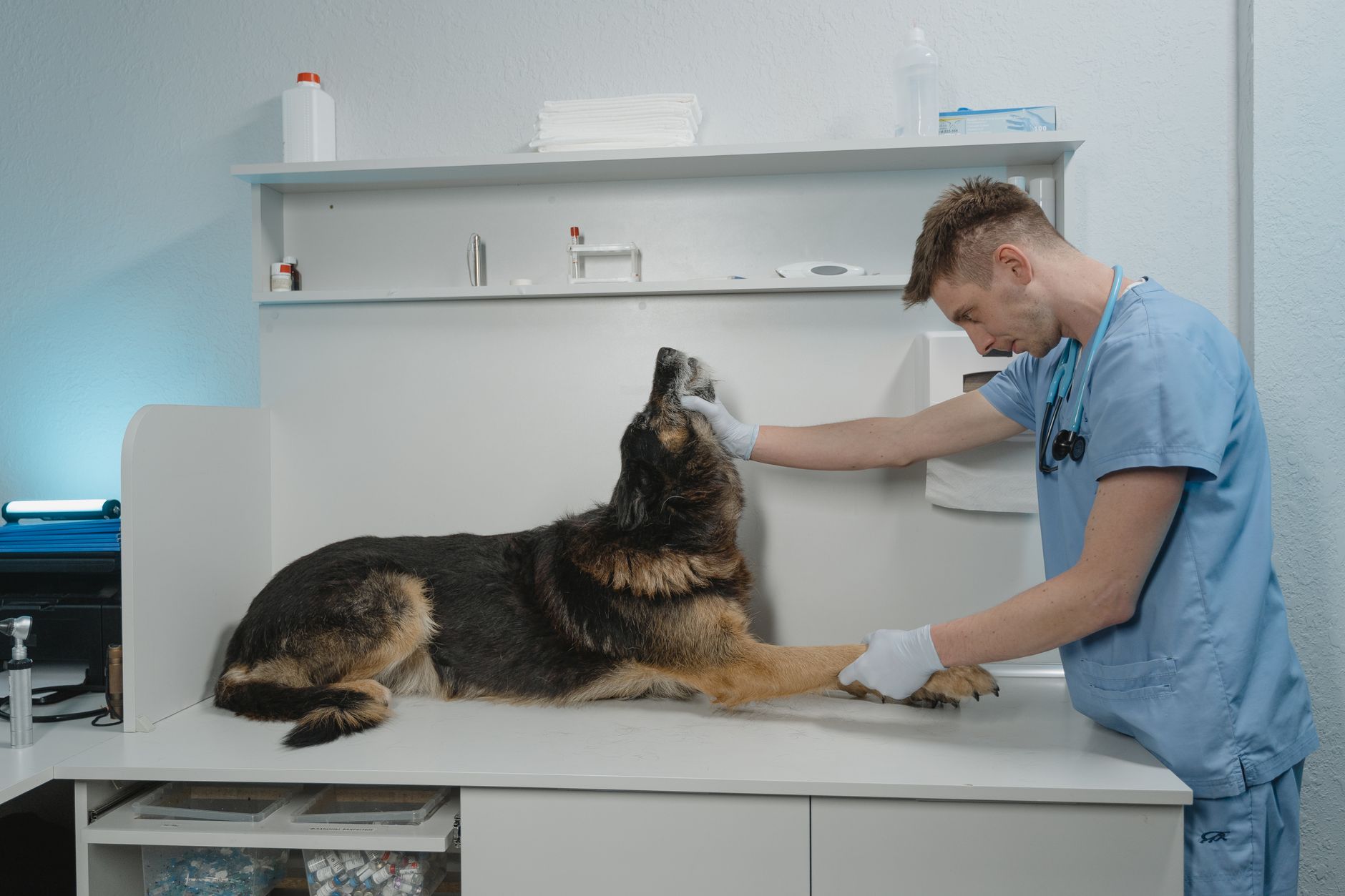
Photo by Tima Miroshnichenko on Pexels
Frequently Asked Questions
Can dogs eat bananas?
Most dogs can eat a few banana slices as an occasional treat. Bananas are relatively high in natural sugar, so large portions may cause stomach upset or add unnecessary calories.
Can dogs eat cheese?
Small amounts of plain, mild cheese are tolerated by many dogs, but some cannot digest lactose. Avoid blue cheese, heavily seasoned cheese, and high-fat portions, and stop if diarrhea or vomiting occurs.
Can dogs eat eggs?
Plain, fully cooked eggs are generally safe in small portions. Do not add salt, butter, onion, garlic, or rich sauces, and avoid feeding raw eggs because of bacterial and nutritional concerns.
Can dogs eat bread?
Small amounts of plain, fully baked bread are usually not harmful, provided they contain no raisins, xylitol, onion, garlic, chocolate, or macadamia nuts. Raw yeast dough is dangerous because it can expand and ferment in the stomach.
Can dogs eat peanut butter?
Dogs can usually have a small amount of peanut butter if it contains no xylitol and is not heavily salted or sweetened. Always read the label, since xylitol can appear in sugar-free products and may cause a life-threatening emergency.
Can dogs eat cooked chicken?
Plain, fully cooked chicken without bones, skin, salt, onion, garlic, or sauce is generally suitable as an occasional treat. It should not replace a complete dog food unless a veterinarian has helped formulate the entire diet.
The safest approach is simple: offer small portions of plain foods, read labels for hidden ingredients, keep toxic foods out of reach, and call a veterinarian quickly after a suspected poisoning.

Mim Creation
Writer at Helmet Today, covering helmet reviews, fit and riding safety.