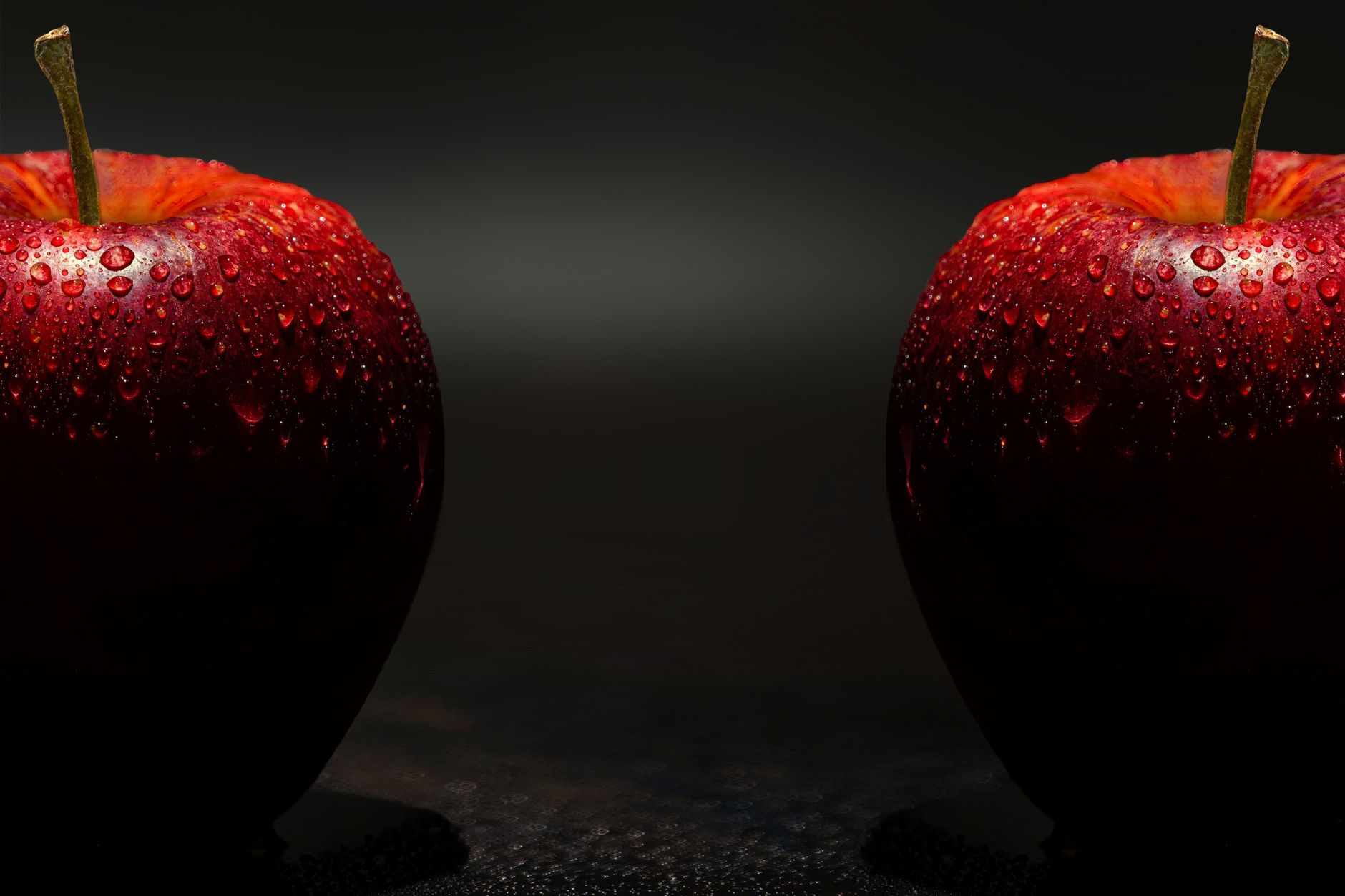
Yes, most dogs can eat apples in small amounts. Apple flesh provides water, fiber, and vitamins, but dogs should receive only washed, plain pieces with the stem, leaves, core, and seeds removed. Too much apple may cause stomach upset, and whole apples can create a choking risk, especially for small dogs.
Are apples safe for dogs?
Plain apple flesh is generally safe for healthy dogs when served as an occasional treat. Apples are low in fat and contain water and fiber, so a few pieces can be a refreshing alternative to richer snacks.
The safe part is the peeled or unpeeled flesh after thorough washing. The skin itself is not poisonous, although some dogs digest peeled apples more comfortably. A dog with a sensitive stomach may do better with small, skinless pieces at first.
Apples should supplement a balanced dog food rather than replace it. Treats of all kinds, including fruit, should usually stay below about 10 percent of a dog’s daily calories. The exact amount depends on the dog’s size, age, activity level, health, and regular diet.
What parts of an apple can dogs eat?
Dogs can eat the flesh and skin of a washed apple, but the stem, leaves, core, and seeds should be removed. These parts create different problems, ranging from choking to potential toxicity.
| Apple part | Can dogs eat it? | Why |
|---|---|---|
| Flesh | Yes, in small pieces | Generally safe as an occasional treat |
| Skin | Usually yes | Safe when washed, but may be harder for some dogs to digest |
| Seeds | No | Contain amygdalin, which can release cyanide when crushed or digested |
| Core | No | Can cause choking or intestinal blockage |
| Stem and leaves | No | May contain plant compounds that are unsafe in larger amounts |
One accidentally swallowed apple seed is unlikely to poison a dog, especially if it was swallowed whole. The greater concern is repeated exposure or chewing many seeds, which can release more of the compounds inside them. Removing the entire core is the simplest and safest approach.

Photo by Dimitris Chatzoulis on Pexels
Why are apple seeds and cores dangerous?
Apple seeds contain amygdalin, a natural compound that can release hydrogen cyanide when the seeds are chewed and digested. The amount in a few seeds is not usually enough to harm a dog, but deliberately feeding seeds is unnecessary and potentially dangerous.
The core presents a more immediate physical hazard. A dog may gulp down a hard core, particularly if it is allowed to chew a whole apple. The core can become lodged in the throat or contribute to an intestinal obstruction after swallowing.
Cutting the apple into bite-size pieces solves both problems. Remove the top and bottom, slice the apple, and cut around the core rather than handing over a whole fruit. For a small dog, pieces should be smaller than for a large dog, but they should still be large enough not to be inhaled whole.
How much apple can a dog eat?
A dog’s safe serving depends on its size, but a few small pieces are a sensible starting point. New foods should be introduced gradually because even nutritious fruit can cause diarrhea, gas, or vomiting when offered in excess.
| Dog size | Reasonable starting serving |
|---|---|
| Small dogs, such as Chihuahuas | One or two small pieces |
| Medium dogs, such as Beagles | Several small pieces, roughly a quarter of an apple at most |
| Large dogs, such as Labradors | A few slices, up to about half an apple occasionally |
These are broad examples, not fixed medical limits. A dog that is overweight, diabetic, prone to pancreatitis, or following a prescription diet may need less or none. Apple calories also count toward the day’s total, even though the fruit may seem light.
For a first serving, offer one or two pieces and watch the dog for the next day. Signs that the portion was too large include loose stool, excessive gas, vomiting, or a noticeable change in appetite. Stop giving apple if these signs appear and contact a veterinarian if symptoms are severe, persistent, or accompanied by weakness.
What is the safest way to prepare apples for dogs?
The safest preparation is simple: wash the fruit, remove all seeds and the core, and cut the flesh into manageable pieces. Washing reduces dirt, surface microbes, and residues from handling, while cutting lowers the risk of choking.
- Choose a fresh apple without mold, bruising, or rot.
- Wash it under running water and dry it.
- Remove the stem, leaves, seeds, and entire core.
- Cut the flesh into small pieces suited to the dog’s mouth.
- Serve a modest portion and refrigerate the rest for later.
Dogs do not need apples cooked, peeled, or blended. Cooking can make the texture softer, but added ingredients are where many apple treats become unsafe. A plain baked apple may be acceptable, while an apple pie usually is not.
Frozen apple pieces can work as a warm-weather treat, but they should be small and easy to chew. Very hard frozen chunks may be difficult for puppies, elderly dogs, and dogs with dental disease. Letting pieces soften slightly before serving is safer for those dogs.

Photo by Mateusz Feliksik on Pexels
Can dogs eat applesauce, apple pie, or dried apples?
Plain, unsweetened applesauce may be safe in a small amount, but many commercial products contain added sugar, sweeteners, spices, or preservatives. Check the ingredient list carefully before offering it.
Xylitol is especially dangerous for dogs. This sweetener, also called birch sugar in some products, can cause a rapid drop in blood sugar and may lead to seizures or liver failure. If a dog eats an applesauce or baked product containing xylitol, contact an emergency veterinarian or animal poison service immediately.
Apple pie is not a suitable dog treat because it commonly contains sugar, butter, rich pastry, and spices. Some pie recipes may also include raisins or grapes, which can cause kidney injury in dogs. Nutmeg is another ingredient best kept away from pets, particularly in concentrated amounts.
Dried apples are more concentrated than fresh apples because much of the water has been removed. A small piece of plain, unsweetened dried apple may be acceptable, but it is easy to overfeed. Avoid trail mixes or snack products containing raisins, chocolate, macadamia nuts, or artificial sweeteners.
Do apples offer health benefits for dogs?
Apples provide fiber, water, and small amounts of nutrients such as vitamin C. Fiber may support normal digestion, although apples are not a treatment for constipation or any other medical condition.
The crunchy texture may also make apple pieces interesting to dogs, but apples do not clean teeth in a reliable way. Sticky plaque remains on tooth surfaces, and fruit sugars can still contribute to dental problems. Regular veterinary dental care and tooth brushing are more dependable for oral health.
Apples are best viewed as a low-fat treat, not a supplement. Dogs fed a complete and balanced diet already receive the nutrients they need, so adding fruit is optional. The practical benefit is variety and a modest treat, not a major nutritional upgrade.
When should dogs avoid apples?
Some dogs should receive little or no apple because of health conditions, diet restrictions, or poor chewing ability. A veterinarian can give individualized advice when a dog has a diagnosed illness or takes prescription food.
- Diabetes: Apples contain natural sugar, so portions may need to be limited or avoided.
- Overweight dogs: Even healthy treats can slow weight loss when calories accumulate.
- Dental disease: Hard pieces may hurt damaged teeth or gums.
- Swallowing problems: Whole chunks may be unsafe for dogs that gulp food.
- Sensitive digestion: Fiber and fruit sugars can trigger gas or diarrhea.
- Prescription diets: Extra foods may interfere with a diet designed for kidney, urinary, gastrointestinal, or other conditions.
Puppies can usually eat tiny amounts of apple once they are eating solid food, but their pieces must be especially small and their diet should remain puppy food designed for growth. Senior dogs may need softer pieces or cooked flesh if chewing is difficult.
What should you do if a dog eats an apple core?
If a dog swallows an apple core, do not induce vomiting unless a veterinarian specifically instructs you to do so. Monitor the dog and call a veterinary clinic for advice, especially if the dog is small or swallowed the core whole.
Urgent veterinary attention is needed if the dog shows choking, repeated vomiting, severe abdominal pain, a swollen belly, weakness, breathing trouble, collapse, or an inability to pass stool. These signs can indicate an obstruction or another emergency.
If the dog chewed and swallowed many apple seeds, tell the veterinarian how many seeds may have been eaten and when. Do not wait for symptoms if a large amount was consumed. Keep the apple packaging or remaining fruit available so the clinic can identify what was eaten.

Photo by Elena Aellgie on Pexels
Frequently Asked Questions
Can dogs eat green apples?
Yes, dogs can eat small pieces of green apple after the seeds, stem, leaves, and core are removed. Green apples are often more tart than red varieties, so some dogs may be less interested in them. The dog’s tolerance and portion size matter more than the color.
Can dogs eat apple skin?
Most dogs can eat washed apple skin. However, the skin may be harder to digest for some dogs, particularly those with sensitive stomachs. Peeling the apple is reasonable if the dog develops gas or loose stool after eating the skin.
Can dogs eat apples every day?
A small piece every day may be acceptable for some healthy dogs, but daily fruit is not necessary. The serving should fit within the dog’s overall treat allowance and calorie needs. Offering apple a few times a week makes it easier to keep portions varied and moderate.
Can dogs eat cooked apples?
Plain cooked apple flesh is generally safe if it contains no seeds, core, sugar, butter, spices, or artificial sweeteners. Soft cooked pieces may suit puppies, older dogs, or dogs with dental problems. Let the apple cool before serving.
Can dogs eat applesauce?
Plain, unsweetened applesauce can be given in a small amount if it contains no xylitol or other unsafe ingredients. Read the label every time because recipes differ. Sweetened applesauce is not a good routine treat.
Are apple seeds poisonous to dogs?
Apple seeds contain amygdalin, which can release cyanide when seeds are crushed and digested. A single accidentally swallowed seed is unlikely to cause poisoning, but dogs should never be given apple seeds intentionally. Removing the core prevents both seed exposure and choking risk.
For most dogs, the safest apple treat is a few washed, plain pieces with every seed and the entire core removed. Keep the portion modest, watch the first serving, and reserve sweeter or processed apple foods for the human table.

Mim Creation
Writer at Helmet Today, covering helmet reviews, fit and riding safety.