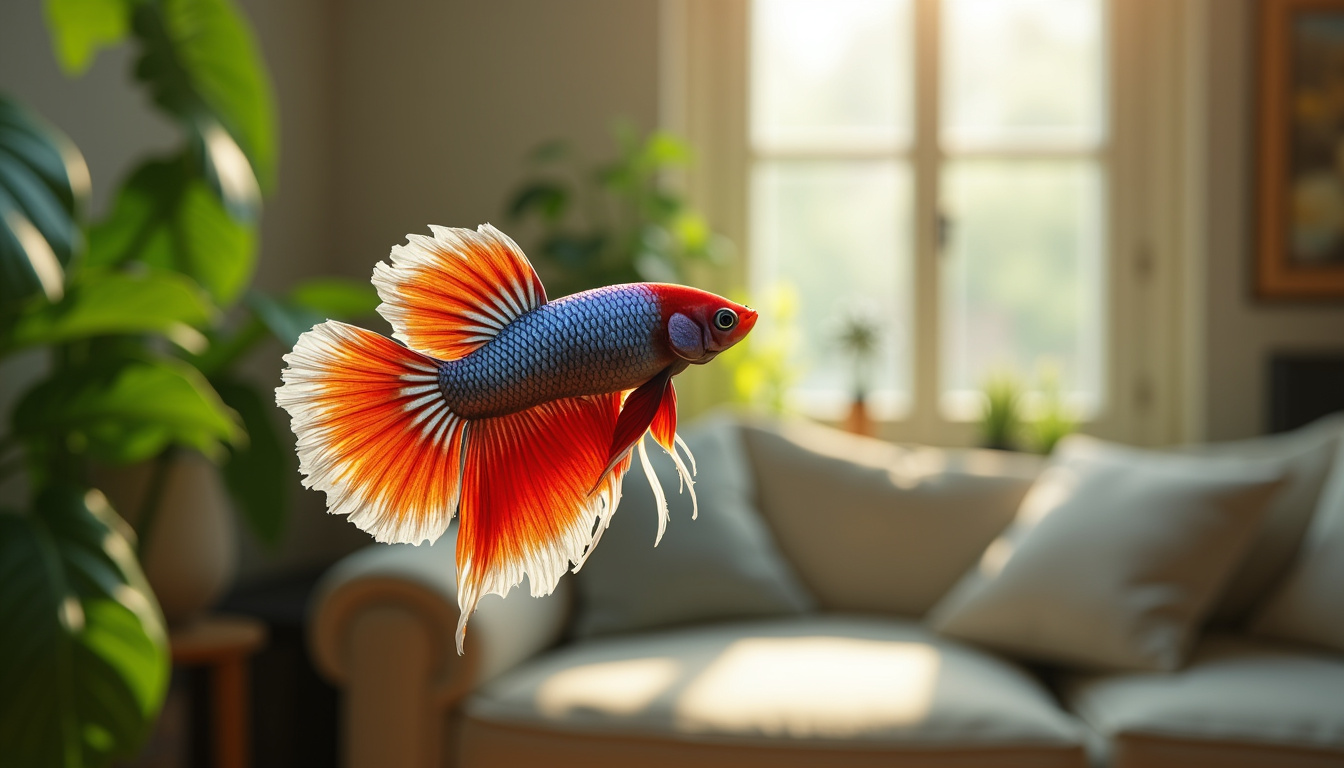
Your betta is upright like a tiny flag in the water, nose pointed toward the surface or head pressed near the bottom. That can look alarming, but the posture alone doesn’t reveal the cause. Before changing the tank or adding medication, watch closely. Note whether your betta can swim normally, responds to you, eats, breathes rapidly, or struggles to stay level. Check whether the vertical swimming is constant or appears only after feeding, near the filter, or during rest. Look at the water, equipment, and tank surroundings for recent changes, too. These observations help separate a brief odd behavior from a sign of illness or a buoyancy problem. If you’re asking, “Why Is My Betta Fish Swimming Vertically?” start by recording what you see rather than guessing.
What does vertical swimming usually indicate in a betta fish?
Persistent vertical swimming usually indicates a buoyancy problem rather than ordinary behavior. In many cases, the swim bladder—the internal organ that helps control position in the water—is not working normally. This is often linked to overfeeding, constipation, or poor water conditions, according to veterinary guidance. Dry foods, including flakes, pellets, and freeze-dried bloodworms, may also contribute when fed too heavily (fish-care guidance). That’s where Why Is My Betta Fish Swimming Vertically changes everything.
A brief upward swim to breathe or investigate the surface is not necessarily a problem. Concern rises when your fish remains nose-up or head-down, struggles to stay level, drifts, sinks, or has trouble reaching food. Those signs make “Why Is My Betta Fish Swimming Vertically?” a water-quality and feeding question first—not automatically an infectious-disease diagnosis.
Start with the aquarium itself. Check for cloudy water, waste buildup, an unpleasant odor, and any recent change in temperature or maintenance. Improve water quality with appropriate maintenance, then review how much and what type of food you offer. Avoid repeatedly adding food because the fish appears hungry; uneaten food can worsen aquarium conditions. If the posture continues or your fish becomes weak, stops eating, or develops swelling or skin changes, seek an aquatic veterinarian’s advice. But Why Is My Betta Fish Swimming Vertically isn’t quite that simple in practice.
Which tank and water conditions should you check first?
Start with the water and the physical layout of the tank. Correcting a stressful environment can prevent a mild buoyancy problem from becoming worse. Here’s where the Why Is My Betta Fish Swimming Vertically details get tricky.
- Test the water for ammonia and nitrite, and check that the pH has not shifted sharply. Any detectable toxic waste or a sudden change calls for prompt corrective action.
- Make sure new water has been treated for chlorine and chloramine. Untreated tap water can irritate the gills and add stress.
- Check the temperature with a reliable thermometer. Avoid sudden swings, especially after a water change; stable, warm water supports normal movement and digestion.
- Look at the filter flow. A betta that must constantly fight a strong current may hang vertically because it is exhausted. Redirect the outlet, reduce the flow, or add a baffle if needed.
- Inspect the water surface and tank depth. A weak fish may struggle to reach the surface, while a shallow temporary setup can make breathing easier if it remains clean and temperature-stable.
- Remove sharp decorations and crowded objects. Your fish needs clear, low-flow space to rest without scraping its body.
- If the water is cloudy, foul-smelling, or overdue for maintenance, perform a careful partial change rather than replacing everything at once. Poor water conditions are a recognized contributor to vertical swimming and buoyancy problems (research summary).
How can you distinguish environmental stress from a health problem?
Start by comparing the pattern of swimming with what changes after you correct the tank. Environmental stress often improves when the water is clean, stable, and appropriate, while a health problem tends to continue despite those corrections. Here’s where the Why Is My Betta Fish Swimming Vertically details get tricky.

| Clue | Environmental stress | Health problem |
|---|---|---|
| Swimming pattern | The betta may hover vertically, dart, hide, or stay near the surface or bottom. The behavior can vary with lights, activity, or recent tank maintenance. | The fish remains tilted or vertical for long periods and struggles to rise, sink, or stay level. |
| Other signs | Rapid breathing, clamped fins, hiding, or loss of appetite may appear alongside poor water quality. | A swollen belly, constipation, weakness, loss of appetite, or worsening buoyancy trouble points more toward a feeding-related or internal problem. Overfeeding and dry foods are recognized contributors to buoyancy issues (Nippyfish). |
| Response to action | Improvement after water-quality corrections supports an environmental cause. | Little or no improvement after correcting the tank suggests a health problem, including a swim bladder disorder (JustAnswer). |
| What to do next | Keep conditions stable and avoid making several changes at once. | Stop overfeeding, offer an appropriate feeding pause, and seek an aquatic veterinarian if the fish worsens or cannot eat or swim normally. |
Treat the water first because it can worsen either problem. Then monitor the betta closely rather than assuming vertical swimming alone identifies the cause. But Why Is My Betta Fish Swimming Vertically isn’t quite that simple in practice.
What steps should you take when your betta swims vertically?
- Confirm that the behavior is persistent. Watch your betta for several minutes and note whether it can swim normally, reach the surface, remain upright, and return to the bottom. Also check appetite, breathing, bloating, clamped fins, and waste. These details help separate a temporary struggle from a worsening problem.
- Correct the tank conditions first. Test the water and address any poor readings, temperature swings, accumulated waste, or inadequate filtration. Use conditioned, temperature-matched water for any needed water change, and avoid making several sudden changes at once. Poor water conditions can contribute to swim bladder problems, so improving the environment is an important first response (expert guidance).
- Adjust feeding immediately. Don’t offer extra food because your betta appears hungry or is staying near the surface. Overfeeding, constipation, and an abundance of dry foods such as flakes, pellets, or freeze-dried bloodworms are commonly linked with buoyancy problems (feeding guidance). Once feeding resumes, provide small portions and avoid foods that swell or remain dry in the gut.
- Make the tank easier to navigate. If your betta struggles to reach the surface, temporarily lower the water level or move it to a safe, shallow setup. Keep the water clean and temperature stable while it recovers. Remove strong currents and sharp decorations that could cause injury.
- Escalate care if the problem persists or worsens. Contact an aquatic veterinarian if your betta cannot eat, breathe comfortably, stay upright, or shows severe swelling, sores, or marked lethargy. Continue recording its behavior and water results; that information can make diagnosis and treatment more precise.
When should you contact an aquatic veterinarian or seek urgent help?
Contact an aquatic veterinarian promptly if your betta cannot remain upright, is struggling to breathe, is trapped at the surface or bottom, or becomes weak and unresponsive. Seek urgent help if the fish has visible injury, severe swelling, or rapidly worsens despite corrected water conditions. Vertical swimming can accompany swim bladder disorder related to overfeeding, constipation, or poor water conditions, but the posture alone doesn’t identify the cause (expert guidance). While arranging care, keep the environment calm, maintain a stable temperature, and don’t add medication unless a veterinarian recommends it. If your betta is alert and breathing normally, continue the water-quality corrections and careful feeding plan from the previous steps while recording changes. Bring those notes, recent test results, feeding history, and a clear video to the appointment. But Why Is My Betta Fish Swimming Vertically isn’t quite that simple in practice.
Frequently Asked Questions
Why Is My Betta Fish Swimming Vertically?
A brief upward swim can be normal, but persistent vertical floating often points to buoyancy trouble linked to overfeeding, constipation, or poor water conditions (expert guidance). But Why Is My Betta Fish Swimming Vertically isn’t quite that simple in practice.
Should I feed my betta while it’s swimming vertically?
Don’t add extra food. Overfeeding and large amounts of dry food, including flakes, pellets, or freeze-dried bloodworms, can contribute to the problem (care guidance). Follow the feeding adjustment recommended in your care plan. Here’s where the Why Is My Betta Fish Swimming Vertically details get tricky.
Can a shallow setup help?
Temporarily lowering the water level may make reaching the surface easier, while stable, clean water reduces strain. Watch closely for changes. Here’s where the Why Is My Betta Fish Swimming Vertically details get tricky.
When should I call an aquatic veterinarian?
Seek help if the posture persists, your betta cannot eat or breathe normally, or you notice worsening weakness. Bring your video and care notes. That’s where Why Is My Betta Fish Swimming Vertically changes everything.
Troubleshoot persistent vertical swimming and avoid common mistakes
- If vertical swimming continues after correcting the water, review feeding next. Overfeeding, constipation, and poor water conditions are common contributors to buoyancy trouble (expert guidance).
- Don’t respond by adding several treatments at once. Make one reasonable change, then watch for improvement so you can tell what helped—or caused more stress.
- Check whether dry foods make up most of the diet. Large amounts of flakes, pellets, or freeze-dried bloodworms may contribute to the problem (Nippyfish).
- Avoid repeatedly chasing, netting, or hand-feeding a fish that is already struggling. Reduce obstacles and make food easy to reach.
- For a fish that cannot maintain position, a shallow, stable setup may make resting and reaching the surface easier (Bettafish.com).
- Record posture, appetite, waste, and changes each day. Bring your video and care notes.

Mim Creation
Writer at Helmet Today, covering helmet reviews, fit and riding safety.