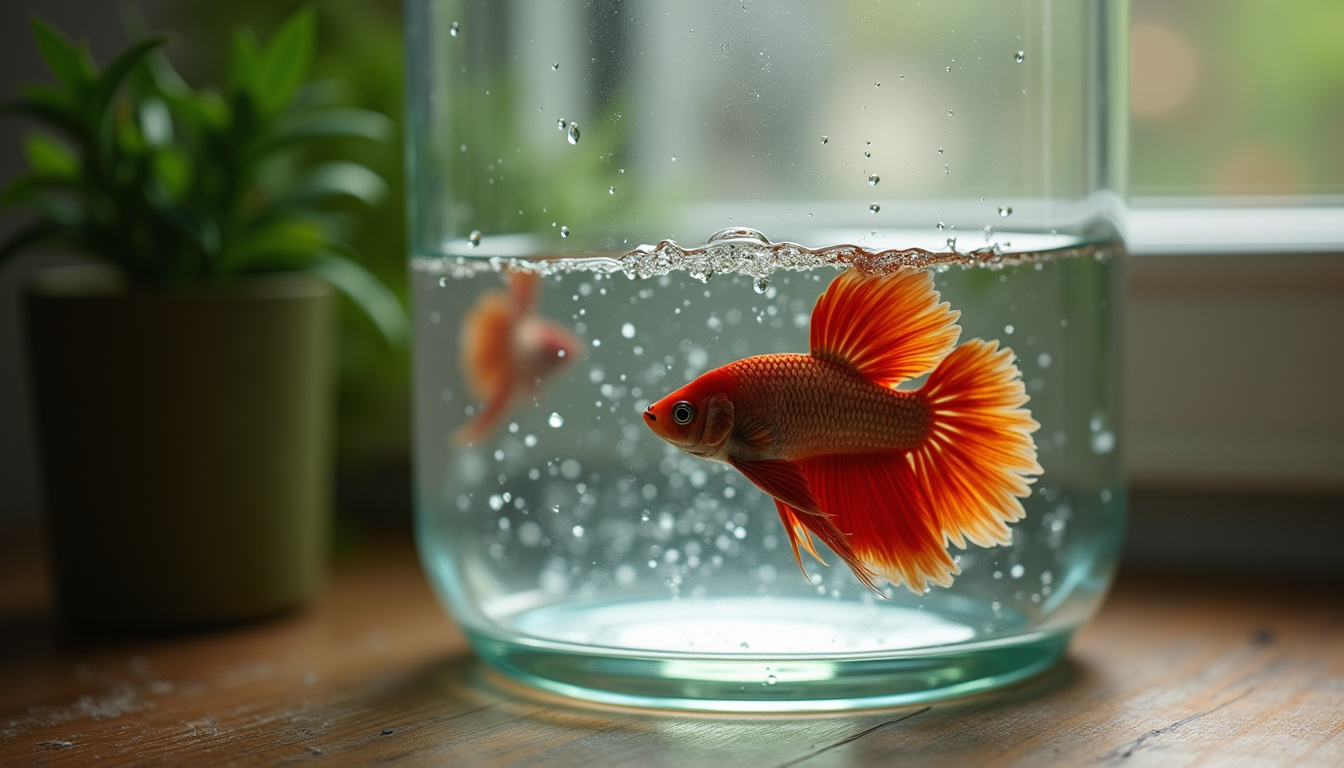
A betta wedged behind the filter can look trapped, sick, or frightened—but sometimes it has simply found the quietest place in the aquarium. Filter housings create shade, cover, and a break from water movement, all of which can appeal to a fish that prefers calm surroundings. The concern is whether your betta comes out to eat, explores normally, and shows relaxed fins and steady breathing. Hiding becomes more worrying when it starts suddenly or appears with clamped fins, fading color, rapid breathing, poor appetite, or trouble swimming. This guide explains the common reasons betta fish hide behind filters, how filter flow and tank conditions can contribute, and which practical changes can help you tell a harmless preference from genuine stress. This guide covers everything about Why Is My Betta Fish Hiding Behind The Filter that matters.
A betta hiding behind the filter is usually responding to stress, excessive water flow, a need for shelter, or an unsuitable tank environment.
- A betta hiding behind the filter is often seeking calmer water or shelter, but persistent hiding can point to stress, poor water quality, illness, or an unsuitable tank setup.
- Excessive flow — If the fish’s fins stream behind it, it struggles to hold position, or it leaves the open tank only to rest behind the filter, the current may be too strong. Reduce the flow with an adjustable setting, sponge, baffle, or gentler sponge filter. Don’t remove filtration altogether; the filter supports water circulation and beneficial bacteria.
- Need for shelter — A wide-open aquarium can make a betta feel exposed. Plants, caves, and other smooth hiding places provide safer options, so the filter does not become the only refuge. Avoid sharp decorations or gaps where the fish could become trapped.
- Water-quality stress — Test ammonia, nitrite, nitrate, and pH. Ammonia or nitrite above zero, dirty water, or sudden parameter changes can cause hiding and appetite loss. A partial water change and correction of the underlying cause may help; testing water first is also recommended by aquatic-care guidance.
- Recent change — Moving the aquarium, adding tank mates, or placing it in a noisy, busy area can trigger temporary hiding. Give the fish a quiet period while watching whether it gradually explores again.
- Warning signs — Treat hiding as more concerning when it comes with refusing food, rapid breathing, clamped or damaged fins, unusual spots, weakness, or aggression from tank mates. A fish that hides briefly but eats, responds normally, and explores at other times is more likely using the filter area as a preferred resting spot.
Strong filter flow can make a betta hide because bettas prefer calm water and may use the area behind the filter as a low-current refuge.
Your betta may be hiding behind the filter because the current is pushing it around, while that narrow space gives it a calm place to rest. A betta that cannot hold its position, gets visibly shoved, or has its fins streaming behind it is likely struggling with excessive flow. Persistent hiding in a low-current “dead spot” is a strong clue that the filter is disturbing too much of the aquarium, not merely providing a preferred shelter (Betta Filter Flow Too Strong?). That’s where Why Is My Betta Fish Hiding Behind The Filter changes everything.
Watch what happens when your betta leaves the filter’s shadow. If it swims smoothly, explores, and chooses the area only for occasional rest, the behavior may be normal. If it immediately turns back, tires quickly, or avoids the open tank whenever the filter is running, soften the current. Redirect the outlet toward the glass or aquarium wall, reduce the output if the filter allows it, or add a flow baffle. Replacing a forceful filter with a gentle sponge filter can also help. Here’s where the Why Is My Betta Fish Hiding Behind The Filter details get tricky.
Don’t remove filtration or leave the filter off as the permanent solution. The filter supports the biological processes that handle waste and helps circulate water for gas exchange. The goal is a gentler current, not stagnant water. After making an adjustment, give your betta time to use the whole tank again. If it continues hiding and shows poor appetite, clamped fins, unusual breathing, or low activity, investigate stress or illness beyond flow. But Why Is My Betta Fish Hiding Behind The Filter isn’t quite that simple in practice.
A betta that hides more than usual may be stressed or ill, especially when hiding occurs with lethargy, appetite changes, unusual swimming, or visible physical symptoms.
- Hiding behind the filter is more concerning when it is a sudden change accompanied by low activity, poor appetite, abnormal swimming, or visible changes to the body and fins.
- Watch how your betta behaves in the hiding place. Resting there briefly, then coming out to eat and explore, can be normal. Staying wedged there all day, refusing food, or struggling to leave suggests that the area is serving as an escape from a problem rather than a preferred resting spot.
- Look for physical symptoms, including ragged or deteriorating fins, swollen or cloudy eyes, unusual lumps, sores, or a pale appearance. Illness can make a betta weak enough that hiding becomes its main way to conserve energy. These signs warrant closer evaluation rather than simply rearranging the filter (Hepper Pet Resources).
- Test ammonia, nitrite, nitrate, and pH if hiding is persistent or behavior has changed. If ammonia or nitrite is above zero, perform a partial water change and investigate causes such as overfeeding, excess waste, or an incomplete cycle (Aquatic).
- Check for harassment from tank mates. Chasing, fin-nipping, or blocking access to food can drive a betta behind the filter even when no injury is obvious. Remove an aggressive fish or separate the betta if needed.
- Treat hiding as stress-related when several clues appear together: appetite loss, clamped fins, rapid or unusual breathing, lethargy, and repeated retreat. Correct the underlying condition first, and seek aquatic-veterinary advice if symptoms worsen or fail to improve.
Checking water quality, temperature, tank size, lighting, and available hiding places can reveal environmental reasons for a betta’s hiding behavior.
A quick environment check can show whether your betta is hiding because the aquarium feels unsafe, uncomfortable, or simply lacks a better resting place. That’s where Why Is My Betta Fish Hiding Behind The Filter changes everything.

| What to check | What may be causing the hiding | What to do |
|---|---|---|
| Water quality | Ammonia, nitrite, nitrate, or pH problems can make a betta retreat. Sudden changes may also cause stress. | Test ammonia, nitrite, nitrate, and pH. If ammonia or nitrite is above zero, perform a partial water change and look for causes such as overfeeding, waste buildup, or an incomplete cycle. (Aquatic) |
| Aquarium temperature | Water that is too cold, too warm, or changing sharply can leave a betta inactive and more likely to stay behind the filter. | Check the heater and thermometer. Confirm that the heater is working and that the reading remains steady rather than fluctuating. |
| Tank size and layout | A cramped, bare, or recently changed aquarium may feel exposed. A betta may use the filter as the only sheltered area. | Remove sharp clutter, provide open swimming space, and arrange the aquarium so the betta can rest without being pushed into equipment. |
| Lighting | Bright, constant lighting can make a shy betta remain hidden, especially if the aquarium has no shaded areas. | Reduce the light intensity or duration and add plants or other cover. Notice whether hiding decreases when the light is off. |
| Hiding places | Without broad leaves, plants, or safe decorations, the filter may become the most comfortable refuge. | Add smooth, fish-safe cover at different levels. Bettas often feel safer among plants, which can reduce retreating behind the filter. (Hepper) |
Recheck behavior after each change instead of changing everything at once. That makes the most likely trigger easier to identify. The problem? Most guides skip the Why Is My Betta Fish Hiding Behind The Filter part of the process.
To help a betta stop hiding behind the filter, reduce harsh flow, verify the aquarium conditions, add safe cover, and monitor behavior after each change.
- Help your betta stop hiding by making the filter current gentler, checking the aquarium, adding safe cover, and changing only one thing at a time.
- Soften the output with an adjustable flow setting, a pre-filter sponge, or a sponge filter. A betta that is visibly pushed by the current, struggles to hold position, or retreats only to low-flow areas is telling you the flow is too strong. Don’t simply remove the filter; filtration supports circulation and the biological processes that handle waste. A gentle sponge filter is a better solution (Nano Tank HQ).
- Test ammonia, nitrite, nitrate, and pH. If ammonia or nitrite is above zero, perform a partial water change and investigate causes such as overfeeding, excess stocking, or an incomplete cycle (Aquatic).
- Add broad-leaved live or silk plants, a smooth cave, or another shelter with no sharp edges. Position cover away from the filter intake so your fish can rest safely without becoming trapped.
- Lower harsh lighting or shorten the lighting period if your betta hides whenever the light comes on. Keep the aquarium in a quiet location, especially after moving it or adding tank mates.
- Watch after each adjustment. More exploring, normal eating, and relaxed swimming suggest improvement. Continued hiding with loss of appetite, clamped fins, unusual swimming, or visible injury warrants prompt veterinary advice.
Frequently Asked Questions
Why is my Betta Fish Hiding Behind The Filter?
It may be using the space as a calm refuge from strong current, bright light, recent changes, or a bare aquarium, but persistent hiding can also signal illness or stress. But Why Is My Betta Fish Hiding Behind The Filter isn’t quite that simple in practice.
Is hiding behind the filter ever normal?
Yes. A betta may rest in a sheltered area, especially after moving to a new aquarium. If it still comes out to eat, swims normally, and explores at other times, occasional hiding is usually less concerning. New fish may need several days to settle into an unfamiliar layout (Aquatic). The problem? Most guides skip the Why Is My Betta Fish Hiding Behind The Filter part of the process.
How can I tell whether the filter is the problem?
Watch your betta in open water. If it is visibly pushed by the current, struggles to hold position, or has fins streaming behind it, the flow may be too strong. Reduce the output or use a gentle sponge filter rather than removing filtration (Nano Tank HQ). That’s where Why Is My Betta Fish Hiding Behind The Filter changes everything.
What should I check first?
Test ammonia, nitrite, nitrate, and pH. Also inspect the aquarium for aggressive tank mates, sharp decorations, excessive light, or a lack of safe cover. Poor conditions and sudden changes commonly cause retreating behavior (Aquatic). The problem? Most guides skip the Why Is My Betta Fish Hiding Behind The Filter part of the process.
When should I seek help?
Act promptly if hiding is constant or accompanied by refusal to eat, clamped fins, unusual swimming, wounds, or other visible changes. Check the aquarium immediately and contact an aquatic veterinarian if symptoms persist. The problem? Most guides skip the Why Is My Betta Fish Hiding Behind The Filter part of the process.
Key takeaways for interpreting filter-hiding behavior
- Hiding behind the filter is often normal if your betta still eats, swims normally, and uses the area as a calm resting place; constant retreat or new symptoms suggest stress or illness.
- Watch the fish, not just the hiding spot. A betta being pushed by the current, breathing rapidly, clamping its fins, refusing food, or showing visible damage needs closer attention.
- Check ammonia, nitrite, nitrate, and pH, then inspect tank mates, lighting, shelter, and equipment. A recently moved betta may hide temporarily while it adjusts.
- Soften harsh output and add smooth plants or other aquarium shelter without blocking the filter intake. Make one change at a time, and seek aquatic-veterinary help if hiding continues with symptoms.

Mim Creation
Writer at Helmet Today, covering helmet reviews, fit and riding safety.