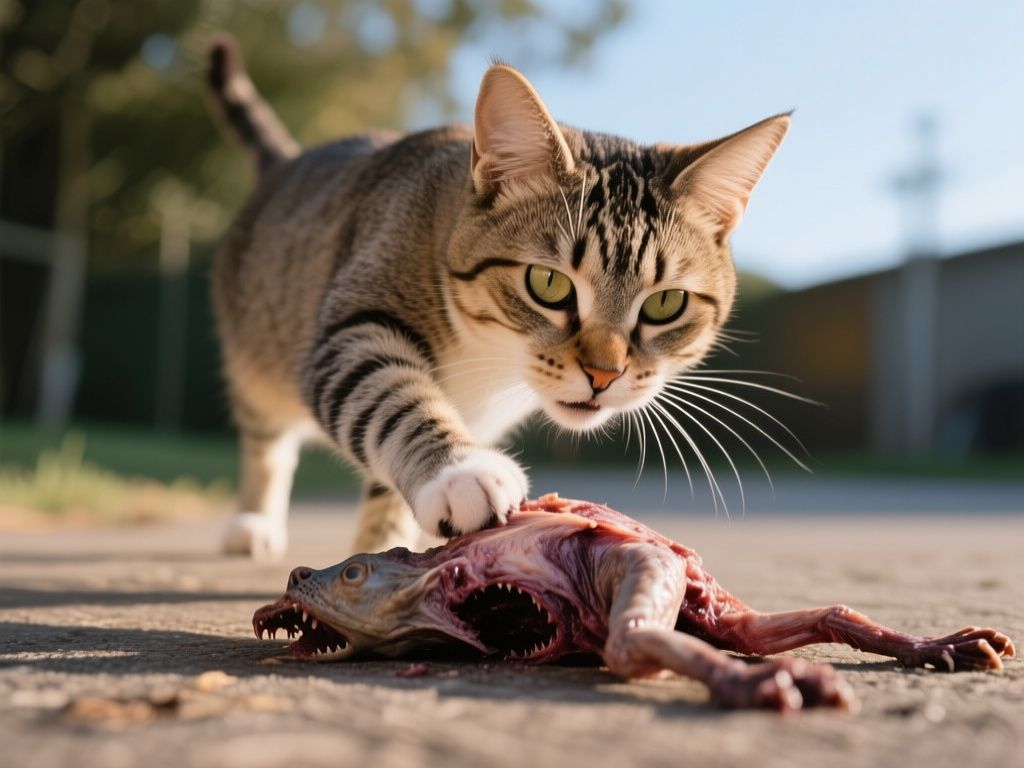
Your cat isn’t trying to gross you out—most often they’re showing hunting behavior, offering a “gift,” or communicating comfort and trust. It can also happen when they’re young, bored, under-stimulated, or trying to get your attention. The best fix is more play, enrichment, and safe handling.
Why do cats bring dead animals to their owners?
Cats are hunters by instinct. Even if they’re well-fed, they still practice stalking, chasing, and capturing. When your cat delivers something you can’t ignore—a dead mouse, a bird, or a lizard—it’s usually a blend of instinct and communication.
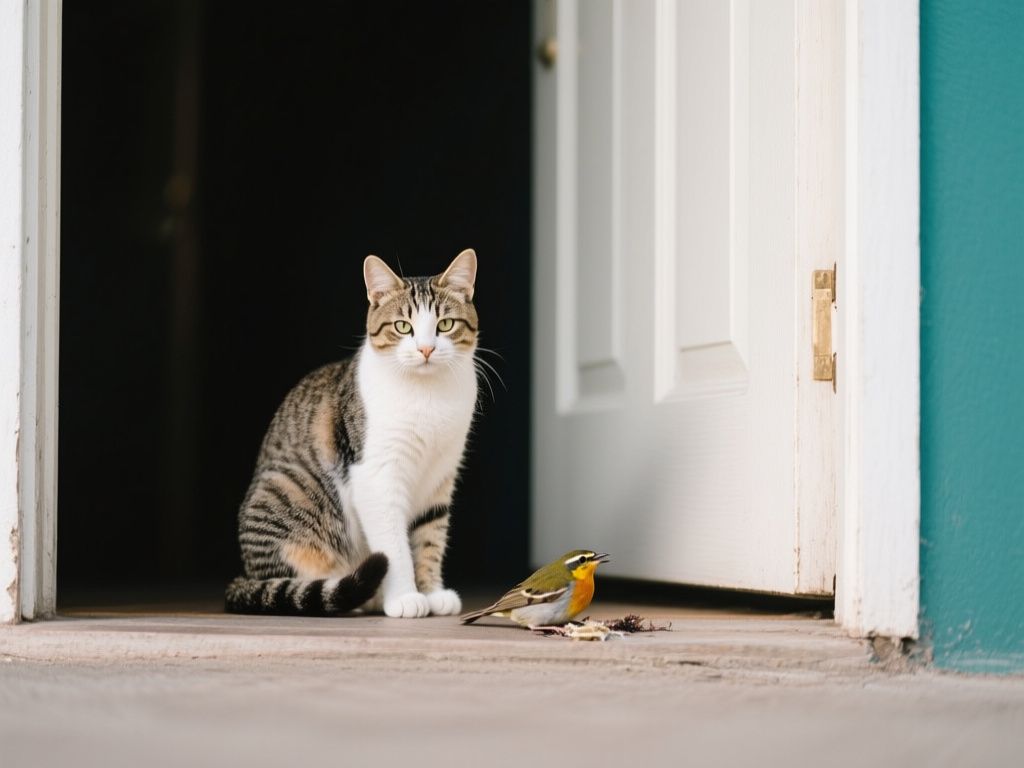
In many households, the most common reason is that your cat is “sharing” what they caught. Wild cats frequently feed group members; in a home, your cat may treat you as part of the hunting group. That doesn’t mean your cat thinks you need the animal for survival—it often means, “I hunted, and you’re important enough to receive it.”
Is it a sign of affection or something else?
It’s often affection, but not in the same way a dog brings a toy. Dogs are frequently retrieving to play or to practice a shared game. Cats usually bring prey as a finished result of hunting—whether it’s dead or alive—because the “hunt” is the point.
People sometimes interpret the behavior as cruelty or dominance. In most cases, those interpretations don’t fit what cats are doing. Instead, think of it as ritualized behavior: stalking, catching, then presenting. Your presence can be part of the ritual, too. Cats may deliver prey to where you are to get your reaction or to “report” success.
That said, there are a few other motivations worth considering:
- Attention-seeking: Some cats learn that bringing something to you changes your behavior—more eye contact, more interaction, more “what is this?” time.
- Relieving boredom: If playtime is inconsistent, your cat will find hunting as a job to do. A cat with pent-up energy may target wildlife or small indoor critters.
- Maternal behavior: Kittens and young cats sometimes practice bringing “prey” as a rehearsal for adult hunting and feeding.
How does a cat’s hunting instinct actually work?
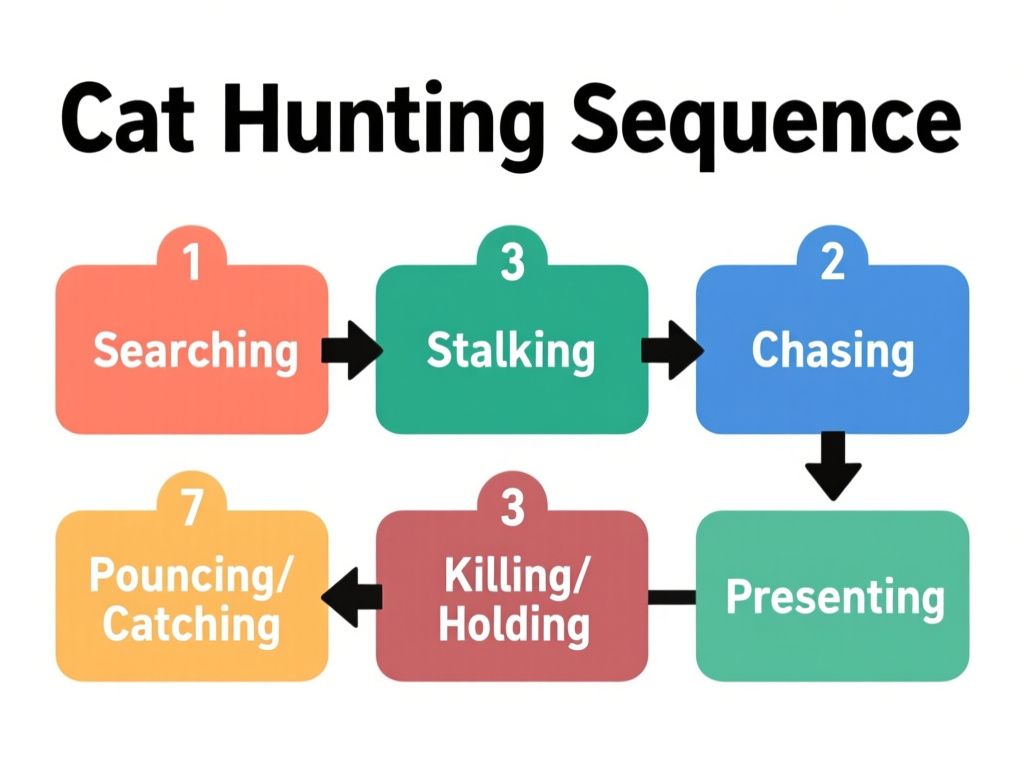
Most people think “cats hunt when they’re hungry.” Real hunting behavior is more complex. Cats have a built-in sequence that can be triggered even when food is available. The steps often look like this:
- Searching: Watching windows, listening to small movements, scanning for motion.
- Stalking: Slowing their body down, moving with careful stillness.
- Chasing: Zooming forward when prey-like movement appears.
- Pouncing and catching: The fast lunge and capture.
- Killing and holding: Some prey is killed; some is simply immobilized, depending on circumstances.
- Carrying and presenting: Bringing the “reward” to a safe spot, often near humans.
When you see a “gift,” you’re mostly seeing the last step—carrying and presenting. The hunt itself likely started earlier, perhaps with a long watch by the window or repeated stalking inside the yard.
Does indoor vs. outdoor living change the reason?
Yes. Outdoor cats are more likely to encounter wildlife and bring it inside. Indoor cats can still bring dead animals, but the sources differ—maybe a bat found near a window, a lizard in the home, or a bird someone brought in through an open door. If an indoor cat brings prey, it’s worth looking at windows, vents, and any access points to ensure nothing is repeatedly getting inside.
Also, the “why” can shift depending on your cat’s routine. An outdoor cat that has consistent food and enrichment may still hunt because it’s what cats do. A cat that spends long hours alone or without moving much is more likely to convert that downtime into hunting practice.
What should you do when your cat brings a dead animal?
You’ll probably react with surprise, disgust, or worry for your cat. Your response can matter. The goal is twofold: reduce exposure to germs and avoid accidentally reinforcing the behavior.
Here are practical steps that work in real homes:
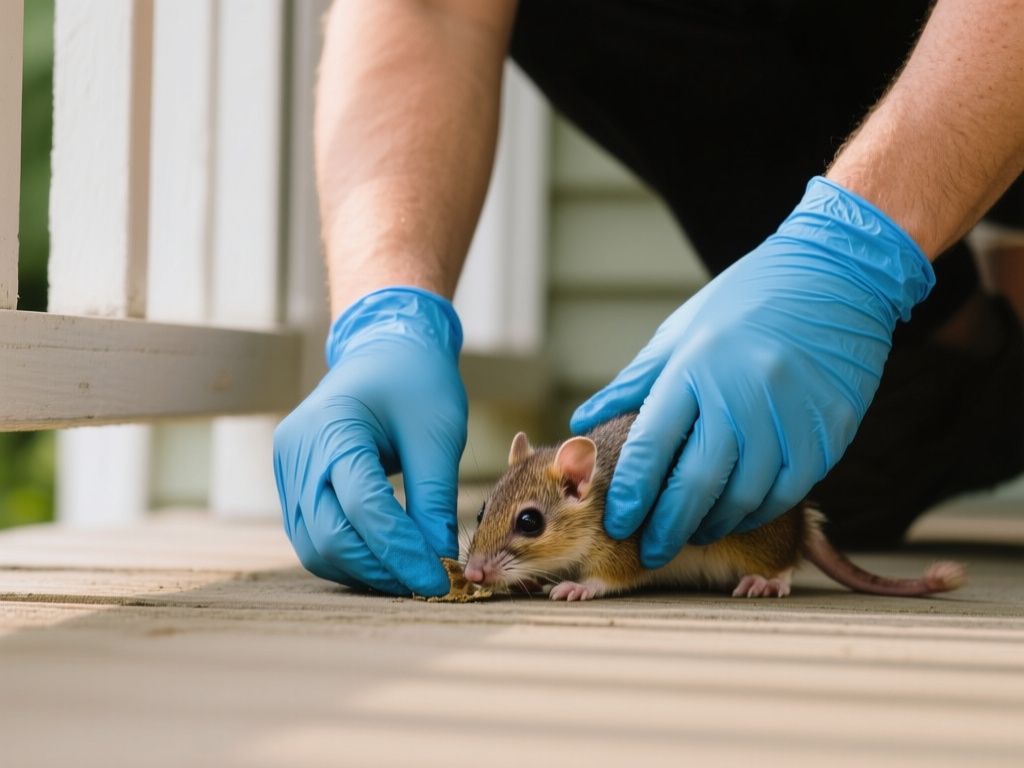
- Keep distance first. Use gloves or a plastic bag over your hand if you need to pick it up. Avoid touching your face during cleanup.
- Use disposable cleanup. Put the animal in a sealed bag and take it out promptly. Disinfect the area where it was left.
- Check your cat afterward. Look for any injuries—especially around the mouth or paws. If your cat is acting painful, drooling, limping, or breathing oddly, contact a veterinarian.
- Don’t make it a big dramatic event. If you yell or chase the cat, you may turn the behavior into attention. Instead, handle the situation calmly.
- Don’t remove the “reward” by punishing. Punishment can increase fear and may not stop hunting—it can just make your cat hide the behavior.
If the prey was a bird, you may want to ask your veterinarian about risks and whether you should watch for specific symptoms. Birds and rodents can carry parasites and bacteria, and even dead prey can be contaminated.
How can you reduce the “prey presenting” behavior?
You can’t erase cat instinct, but you can reshape what your cat practices. Most of the time, the best approach is to satisfy the need to hunt through safe, structured outlets—then reduce opportunities for real wildlife.
Increase daily play that mimics hunting
For many cats, two short sessions a day works better than one long one. Use toys that behave like prey: wand toys with feathers, small fabric targets, or motorized “mouse” toys. The key is that the toy movement should encourage stalking and pouncing.
- Start with slow movement for a minute or two.
- Then let the toy “dart” and “freeze” so your cat can practice the chase.
- End by letting your cat make a final “catch” so the play sequence feels complete.
After play, offer a meal or a treat. That combination often helps cats feel like their day has a satisfying “hunt” component.
Use feeding strategies that don’t kill motivation
If your cat is outdoors or spends time by windows, predictable feeding can help reduce intense searching. Timed meals can also stabilize routines. But if you only feed and never play, you may not reduce hunting behavior—you may just shift it to the time between meals.
Some owners use puzzle feeders or food-dispensing toys indoors. These don’t fully replace prey behavior, but they do give a “hunt” feel through searching and effort.
Reduce wildlife access (especially outdoors)
If your cat goes outside, the single most effective safety move is limiting hunting opportunities. Options include:
- Supervised outdoor time: Walks on a harness or time in a secure cat enclosure.
- Indoor-only policy during peak hours: Many birds and small animals are most active at dawn and dusk.
- Deterrents at windows: Prevent the cat from hovering near openings where prey might appear.
- Microchip-gated cat doors: If you have one, it can help keep the cat from roaming widely.
Even the best deterrent isn’t perfect, but fewer opportunities usually means fewer “gifts.”
Adjust your home environment for boredom
Hunting is also entertainment. When cats are bored, they create projects. Add cat climbing options, window perches, and scratching posts. Rotate toys so the cat doesn’t get used to the same stimulation every day.
If your cat is bringing prey specifically to a certain room—like the hallway near the front door—consider that your cat might be linking your presence there with excitement. Quietly interrupt the pattern by spending time away from that exact spot, then shifting to play in another area.
When should you talk to a veterinarian or behaviorist?
It’s worth checking in if the behavior is unusual for your cat or if you notice health signs. Examples include repeated vomiting, lethargy, abnormal aggression, or trouble moving after a hunting incident. A veterinarian can also help rule out pain that makes your cat restless.
A qualified cat behavior professional can help build a plan if the hunting and presenting behavior is persistent despite play changes. In some cases, anxiety, territorial stress, or schedule disruptions can intensify hunting-like behavior.
Is it ever a problem beyond the “gross factor”?
Yes, it can be both a safety and a welfare issue. For your cat, hunting wildlife can mean injuries (bites, scratches), parasites, and exposure to illnesses. For local wildlife, cats are a significant predation pressure—especially for birds.
So while your cat’s behavior is often instinctive, it still has real-world consequences. That’s why the best plan blends enrichment (to satisfy instinct) with prevention (to reduce encounters).
Frequently Asked Questions
Does my cat think it’s feeding me?
Often, yes in a broad sense. Cats may present prey like a “shared meal” to people they trust. They aren’t necessarily trying to make you eat it; they may simply be offering the result of their hunting success.
Why does my cat bring dead animals instead of live ones?
Dead vs. live depends on the prey type, the catch, and how your cat manages it. Sometimes prey is killed quickly; other times it’s brought while injured or immobilized. Your cat’s intent is still usually presentation, not “punishment.”
Should I punish my cat for bringing prey?
No. Punishment usually doesn’t stop hunting instinct and can increase fear. A calmer response with cleanup, followed by more structured play, tends to work better.
How can I stop it without keeping my cat locked inside?
Try supervised outdoor time, harness walks, or a secure enclosure. If full restriction isn’t possible, focus on high-risk times and reduce window access and roaming routes where your cat most often encounters prey.
Will more playtime completely stop the gifts?
Not always, because cats still hunt even when they’re having fun. But more play often reduces both frequency and intensity by giving your cat a safer “hunt-and-catch” routine.
What signs mean my cat might be hurt after hunting?
Watch for limping, paw swelling, drooling, mouth bleeding, coughing, or unusual lethargy. If your cat seems uncomfortable or you suspect an injury or bite, contact a veterinarian promptly.
If you remember one practical takeaway: treat your cat’s behavior as instinctive communication. Provide satisfying, structured hunting play and reduce real-world hunting opportunities—then handle any cleanup calmly and safely.

Mim Creation
Writer at Helmet Today, covering helmet reviews, fit and riding safety.