
If you’re choosing cat food, look for clearly named animal-based ingredients (like chicken, turkey, or fish), whole foods or meals that indicate source, and a complete balance of nutrients. On labels, prioritize named proteins, specify quality fats, and check that the food is “complete and balanced” for cats.
What ingredients actually matter in cat food?
Cat food labels can look like a jumble of terms, but the ingredients you should care about fall into a few practical buckets: protein source, fat quality, essential nutrients, and whether the food is formulated to be complete. Cats are obligate carnivores, meaning they need nutrients that come from animal tissue—especially certain amino acids like taurine. If those needs aren’t met, no “marketing ingredient” can fix it.
In real kitchens and real pet stores, people often over-focus on one ingredient (like “grain-free”) while missing more important signals: does the food clearly name the animal protein source, and does it meet the legal standard for complete and balanced nutrition? When in doubt, the label’s protein and nutrient statements usually matter more than trendy additives.
How does a cat’s diet differ from a dog’s?
Cats and dogs share some nutrition basics, but cats have stricter requirements for certain nutrients. For example, cats require taurine, an amino acid found naturally in animal tissues. They also have specific needs for arachidonic acid, vitamin A, and preformed niacin (B3). That’s why an ingredient list packed with plant proteins can still fail if the formula doesn’t include the right nutrients in the right form.
This is also why “human-grade” or “plant-forward” language doesn’t automatically translate to good cat nutrition. A cat can eat many foods, but what matters is whether the final diet is nutritionally complete and balanced for cats.
Which protein ingredients should you look for?
The first clue on most cat food ingredient lists is the main protein source, typically shown in descending order by weight before cooking. Look for named animal proteins such as:
- Chicken, turkey, or duck (or “chicken meal,” “turkey meal,” etc.)
- Fish such as salmon, whitefish, or tuna (or fish meal)
- Meat or poultry by-products only if the product still specifies the source clearly and is complete and balanced
“Meat meal” and “meat-by-product meal” are common in pet foods. Meal ingredients are processed (usually dried and ground), which concentrates protein and tends to show up prominently on labels. Whether “meal” is good or bad depends on the overall formulation and quality control, which you can’t fully judge from the ingredient list alone—but a clearly named meal is often more informative than vague terms.
Practical tip: if the first few ingredients are mostly water, plant fibers, or unnamed “animal protein,” that can be a yellow flag. A cat doesn’t need carbs, but it does need enough high-quality protein and the right amino acids.
What about fats and oils—what should you check?
Fats provide energy, improve palatability, and help cats absorb fat-soluble vitamins. When you scan ingredients, you’ll often see added fats or oils like chicken fat, fish oil, or mixed tocopherols (vitamin E antioxidant). These are typically there for nutrition and stability, not just flavor.
Look for fat sources tied to animal ingredients (for example, chicken fat or fish oil). If you see “vegetable oil” as a major fat source, it isn’t automatically bad—some formulas use them—but you should still ensure the food meets feline nutrient needs. The best way to verify this is the “complete and balanced” claim for adult cats (or the life stage you need).
Do grains or grain-free ingredients matter?
Grains aren’t inherently harmful to cats, but the topic gets loud online because different people have different experiences. The most accurate way to think about grains is: they are often used as carbohydrate sources and for texture and binding. Cats can digest some carbohydrates, but they don’t require them.
If a cat has specific dietary issues (for example, a diagnosed allergy or intolerance), the best decision may depend on that cat’s history and your veterinarian’s guidance. For many cats, a high-quality complete food—grain-inclusive or grain-free—comes down to whether the overall formula is balanced and whether the cat does well on it.
Important caveat: “grain-free” does not mean “healthier,” and “grain-inclusive” does not mean “unhealthy.” The nutrient completeness and the quality of the protein source matter more than the presence or absence of grains.
What essential nutrients should be on your radar?
Even with great protein and fat sources, cats require specific nutrients that may be listed explicitly as added vitamins and minerals. The ingredient list may not show every nutrient, but it often includes terms like taurine and specific vitamins. On many labels you’ll also see a guaranteed analysis section.
Here are nutrients that tend to matter most when you’re reading labels:
- Taurine: an amino acid cats need for heart health, vision, and digestion. Look for “taurine” in the ingredients (or confirm it’s included via the guaranteed analysis and formulation statements).
- Omega-3 fatty acids: often listed as fish oil or DHA/EPA, which support skin and coat and may help with inflammation in some cats (not a cure-all, but a reasonable nutrient to see).
- Omega-6 fatty acids: commonly provided by animal fats, supporting skin barrier function.
- Vitamins and minerals: look for named sources like vitamin E, vitamin A, vitamin D, and minerals such as zinc and iron.
- A complete and balanced statement: this is the practical “final check” that the diet is formulated for cats, not just “a food supplement.”
How to think about it: ingredients are the building blocks; nutrient statements and guaranteed analysis are the blueprint. If you see a complete and balanced claim and the key essentials are included, you’re starting from a better foundation.
Which ingredients deserve healthy skepticism?
Not every controversial ingredient is automatically bad, but some patterns are worth questioning. These are common things people ask about and what to watch for:
- “By-product” ingredients without clear sourcing: some by-products are nutritious, but vague naming can make quality harder to judge. Prefer clearly named animal sources when possible.
- Too many “fillers” early in the list: if you see several plant-based items taking top positions (like large amounts of wheat gluten or generic plant fibers), it may indicate a lower meat focus than you want—especially for cats, who benefit from animal-protein-forward formulas.
- Artificial colors and flavors: not always harmful, but they’re unnecessary if the food is already well formulated and consistent.
- “Treat-like” foods labeled for intermittent feeding: some foods are marketed as toppers or snacks rather than complete diets. Those should not replace a complete diet unless your veterinarian says otherwise.
A quick reality check: labels don’t reveal how a company sources or processes ingredients, and ingredient quality can vary between brands. If a cat has persistent vomiting, diarrhea, itching, or weight loss, it’s worth switching thoughtfully and involving a veterinarian.
Wet vs. dry food: do ingredients differ?
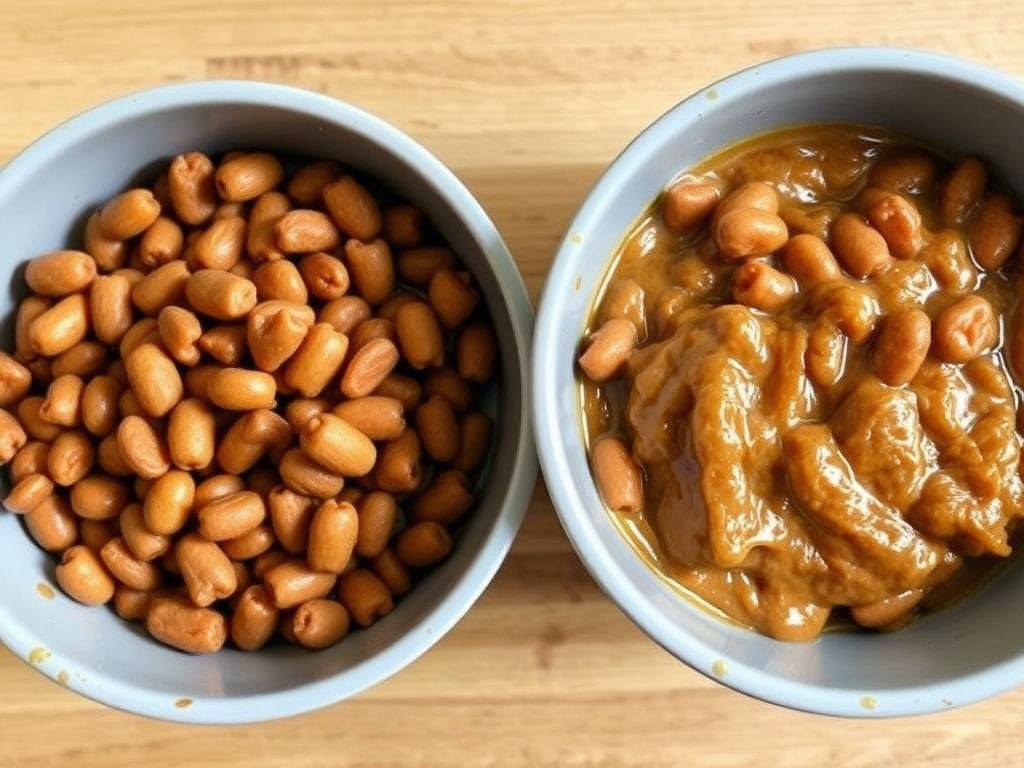
Wet and dry cat foods often share similar ingredient goals—animal protein, healthy fats, and complete nutrition—but their formulations differ. Wet food typically contains more water and can include named meats and broths as major ingredients. Dry food uses extrusion (a cooking process) that changes texture and can affect how you interpret the ingredient list.
If you’re choosing based on ingredients alone, wet food can sometimes make protein sources easier to spot because it’s less reliant on concentrated dry components. Dry food may show “meal” ingredients more prominently due to processing. Either can be fine—what matters is that your cat accepts it and that it’s complete and balanced for their needs.
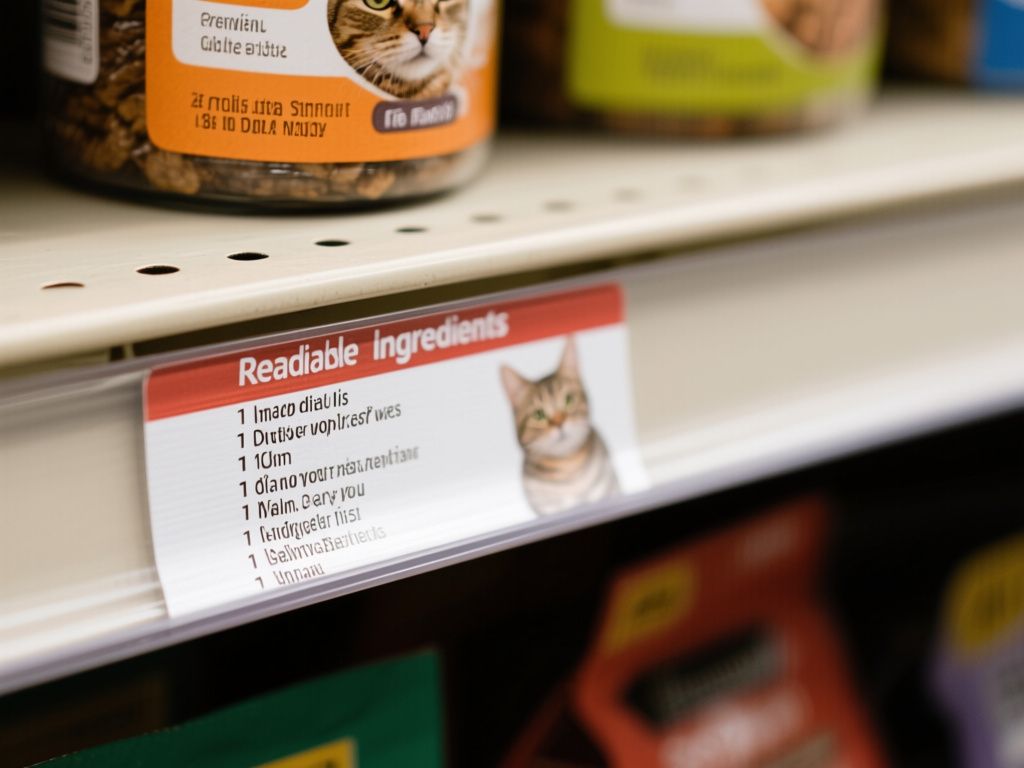
How do you read a cat food label without getting overwhelmed?
You don’t need to memorize every term. A simple “label scan” usually works best. Here’s a practical method you can use in-store or at home:
- Find the life stage: “complete and balanced” should match (adult, kitten, senior, etc.).
- Check the first 5–8 ingredients: look for clearly named animal proteins and reasonable fat sources near the top.
- Look for taurine: especially on foods that are marketed for cats, it should be part of the nutrition design.
- Scan for nutrient additives: vitamins, minerals, and oils like fish oil if listed.
- Confirm the guaranteed analysis: compare protein and fat levels if you’re switching between similar types (wet-to-wet or dry-to-dry).
- Watch your cat after the switch: ingredient choice only matters if your cat tolerates it.
One caution: guaranteed analysis values are not identical across wet and dry foods because of moisture differences. Protein on a wet food label may look lower in “as-fed” terms simply due to water content, even if the formula is balanced for cats.
Should you avoid specific ingredients entirely?
Sometimes you really should avoid certain ingredients—especially if your cat has a known or suspected issue. Common examples include:
- Specific proteins that trigger allergy-like symptoms (itching, red skin, recurrent ear infections)
- Foods that worsen gastrointestinal upset
- Unnecessary supplements, like adding extra taurine or vitamins, when you’re already feeding a complete and balanced diet
But for most healthy cats, blanket avoidance isn’t usually necessary. The more reliable approach is to choose a complete diet with a good protein source and then evaluate how your cat does. If symptoms appear, use a structured plan with your veterinarian rather than guessing from ingredient lists.
Frequently Asked Questions
What are the top ingredients I should look for first?
Start with clearly named animal proteins (like chicken, turkey, fish) and then check for animal-derived fats (like chicken fat or fish oil). After that, verify the food is labeled “complete and balanced” for the correct life stage. Those three checks cover most of what matters on the label.
Is “meal” in cat food bad or good?
“Meal” is typically a concentrated protein ingredient created by removing moisture from animal parts. It’s not automatically bad, and it’s often more informative than vague protein terms. What matters is whether the formula is complete and whether your cat does well on it.
Does taurine need to be listed on the ingredients?
Often, yes, especially because taurine is critical for cats. Even if it’s not obvious at a glance, the label should still support feline completeness through its nutrient formulation. If you can’t find it and you’re concerned, choose another formula where taurine is clearly included.
Should I choose grain-free cat food?
Grain-free isn’t automatically better. If your cat has a specific reason to avoid grains, grain-free may help; otherwise, prioritize protein quality and complete nutrition. Many cats do well on grain-inclusive diets too.
What ingredient should I avoid if my cat has a sensitive stomach?
There isn’t one universal “bad ingredient” for all sensitive stomachs. A better approach is to switch to a complete diet with a different, clearly defined protein source and monitor symptoms. If issues persist, a veterinarian can help rule out other causes and guide a safe trial.
Can I mix wet and dry cat food for better ingredients?
Yes, mixing wet and dry can be a practical way to balance protein and moisture preferences, as long as each food is complete and balanced for cats. When changing portions, do so gradually and watch for stool changes or vomiting. If your cat is picky, mixing can also improve acceptance.
If you take only one practical takeaway from label reading, make it this: prioritize clearly named animal proteins and choose a “complete and balanced” formula for your cat’s life stage, then evaluate the result based on your cat’s real response.

Mim Creation
Writer at Helmet Today, covering helmet reviews, fit and riding safety.
Pingback: 5 Best Medium Dogs for Seniors: Top Picks by Needs
Pingback: Why Is My Betta Fish Staying Near The Heater?