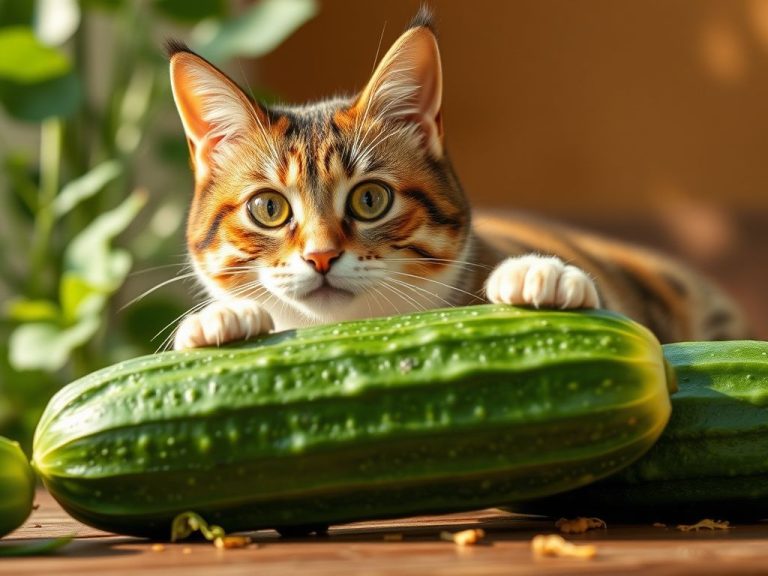
Cats can’t experience certain tastes in the same way humans do. They have fewer taste receptors for sweetness and, for practical purposes, many cats show little interest in sweet foods. They do have taste for bitter (often as a “don’t eat this” signal), can taste umami, and detect amino-acid–based flavors. Some “can’t taste” claims are oversimplified, because cats still respond differently depending on the exact food and its ingredients.
Can cats experience all the same tastes humans can?
No—cats don’t taste the world exactly like we do. Humans taste five broad categories commonly taught in schools: sweet, sour, salty, bitter, and umami. Cats can detect some of these categories, but they’re built as obligate carnivores, meaning their natural diet is meat. That history shapes which taste cues matter most for finding safe, nutritious food.
It helps to know one key idea: “taste” is not just one sense. Taste is a blend of what receptors detect on the tongue, what smells from the mouth and nose, and how the brain interprets those signals. So when people say “cats can’t taste X,” they may be talking about how cats behave (for example, they don’t seek sweet foods) rather than the literal absence of every relevant receptor.
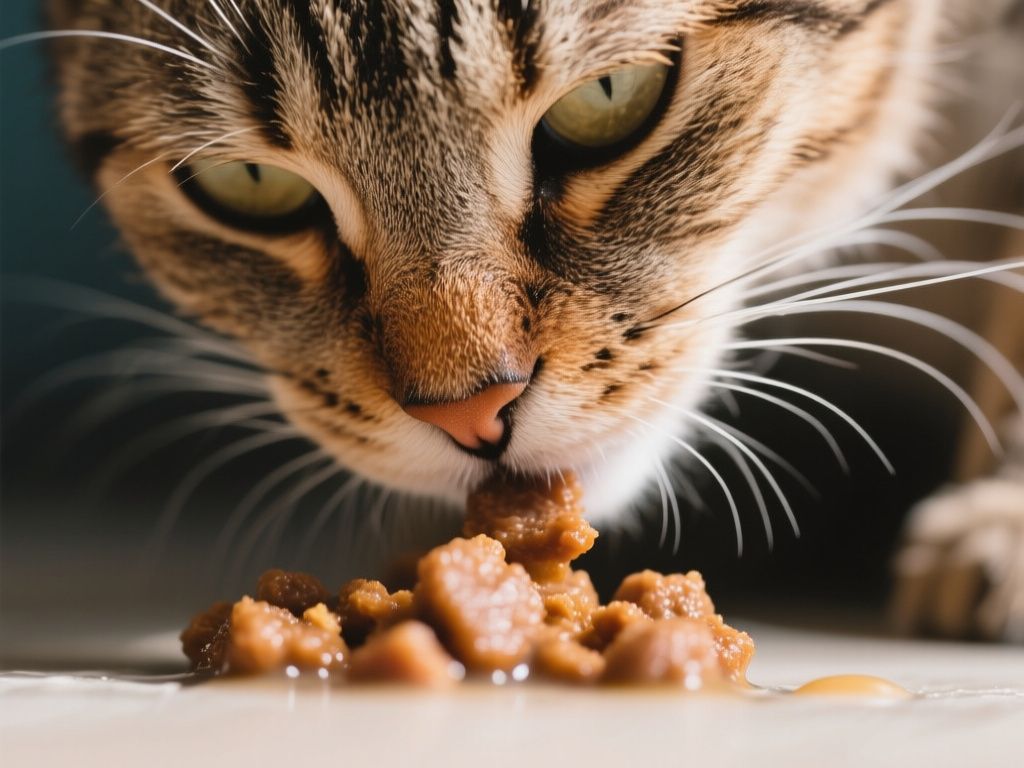
Which tastes are cats least able to detect?
When you hear “cats can’t taste sweet,” that’s the most accurate headline version of a real difference. Cats generally show reduced interest in sweet flavors, and their biology reflects that.
Sweet: largely off the menu
Sweet is the taste most associated with sugars like glucose and sweeteners like sucrose. Humans use sweetness as a quick “energy is available” cue. Cats evolved a different strategy. They typically don’t eat fruits or sugary plant foods, so sweet isn’t a reliable signal for food or safety in the wild.
In practice, many cats ignore sweet-tasting foods—think desserts, sweetened drinks, or table sugar sprinkled on something. If you give a cat a lick of something clearly sweet, you often see “sniff and walk away,” not active seeking. The most common explanation is that cats have limited ability to detect sweet taste strongly enough to treat it as rewarding.
Sour: possible detection, but not usually a target flavor
Sour taste is linked to acids. Cats are not typically drawn to sour foods the way some animals might be. However, “sour” is a less clear-cut category than “sweet.” A cat may show interest or avoidance depending on context—especially whether the food is fresh, spoiled, or contains compounds that also read as bitter.
So rather than saying cats “can’t” experience sour, a more honest takeaway is: cats generally don’t seek sour flavors as a “go signal,” and if they react strongly, it’s often because the overall smell and taste profile suggests something they shouldn’t eat.
Which tastes can cats experience clearly?
Cats can absolutely taste several key flavors that matter in meat-based diets. If you’ve ever watched a cat go back to a particular wet food again and again, you’ve seen taste preferences at work—often driven by strong meat-related chemistry.
Umami (savory): yes, and it matters
Umami is the savory taste associated with amino acids and nucleotides found in protein-rich foods. Meat has plenty of umami compounds, and cats reliably respond to them. This is part of why many meat-based foods are more attractive than bland alternatives.
If you compare foods, you’ll usually notice that a highly palatable wet food smells intensely meaty and often has a strong savory flavor. That’s not just aroma—it’s taste too.
Salty: they can detect it, but they still choose carefully
Salty taste comes from ions like sodium. Cats can detect salt, and they’ll sometimes seek it when offered. That said, cats also have strong dietary needs and don’t necessarily “hunt” salt for fun; they choose foods that also provide the right balance of protein, fat, and minerals.
Importantly, salt can be dangerous in large amounts for any animal. So even if a cat can taste salt, that doesn’t mean “more is better.” That’s why commercially prepared cat food is formulated within safe ranges.
Bitter: the strong “avoid” cue
Bitter taste is commonly associated with plant toxins and spoiled foods. Cats often react to bitter compounds by refusing the taste or changing their behavior. That refusal can be a protective instinct: if something tastes bitter, it may indicate harm.
Bitter perception helps explain why some medications and bitter supplements are hard to get cats to take. It also helps explain why some “off” smells or flavors—sometimes caused by oxidation or contamination—cause cats to reject food.
So what can cats not experience—exactly?
If you want a simple, practical list, it usually comes down to this:
- Sweet: cats are generally very poor at detecting sweetness in a way that drives preference. This is the most widely supported “can’t really experience” taste category.
- Sour: cats may detect sourness, but they typically don’t seek it. Reactions depend heavily on the overall flavor and smell, including whether the food is safe.
- Bitter, salty, and umami: cats do experience these more meaningfully and often show clear preference or avoidance behaviors.
One caveat is worth repeating: biology and behavior don’t always line up perfectly. A cat might not show interest in “sweet,” but that doesn’t necessarily mean every sugar molecule is completely tasteless to them. It usually means sweet is not a strong enough signal to influence choice the way it does for humans.
Why cats react differently: taste receptors vs. smell
Even when two cats are given the same “type” of taste (like bland vs. savory), their behavior can vary. That’s because taste is only part of the experience. Cats have an excellent sense of smell, and aroma compounds can dominate the overall impression.
For example, a cat may reject a food that tastes slightly sweet if the smell suggests spoilage. On the other hand, a cat might tolerate a small bitter note if the aroma and umami signals are strong enough to suggest a good meal. This is why you can’t judge “taste ability” just by one reaction to one ingredient.
What about artificial sweeteners?
People often wonder if cats react to sweeteners like stevia, saccharin, or xylitol. The main point is that sweetness detection isn’t the only issue. Artificial sweeteners vary a lot in flavor chemistry and in potential toxicity.
For instance, xylitol is well known to be dangerous to dogs and can also be risky for cats depending on exposure. Even if you think “cats can’t taste sweet anyway,” it’s not safe to assume that means it’s harmless. The safest rule is: never offer sweetened products designed for humans to cats.
Does cooking or food texture change what cats taste?
Yes. Cats chew and lick differently depending on texture, and different cooking methods change how compounds are released into the mouth and smell pathway. Wet food often releases strong aroma compounds, which can make taste cues seem stronger. Dry kibble can be harder to break down, and that changes the timing and intensity of flavor release.
This is one reason texture matters for palatability. If a cat refuses a food, the “taste category” might be less of the issue than the overall aroma, temperature (warm food can smell stronger), and whether the food is fresh.
How to use this knowledge when choosing cat food
If your goal is to understand why your cat loves one food and ignores another, focus on what cats are built to seek: meat-derived flavors, strong umami cues, and protein-rich nutrition. If you’re selecting products, look for ingredients that support a carnivore diet rather than chasing sweet or “human dessert” flavor goals.
| Taste category | How cats typically respond | What it means for real-world food |
|---|---|---|
| Sweet | Often low interest or indifference | Sweet treats are unlikely to be appealing and shouldn’t be offered |
| Umami | Generally attractive, supports preference | Meat-based foods are usually more palatable |
| Salty | Detectable, but not an open invitation | Foods should be formulated safely; don’t add salt |
| Bitter | Often avoided, protective behavior | Medicines may taste unpleasant; consult veterinarians |
| Sour | Not usually sought; reactions vary by context | A “tangy” smell could mean safety or spoilage—cats judge overall cues |
Frequently Asked Questions
Can cats taste sweetness at all?
Cats can detect taste signals differently from humans, and their interest in sweet flavors is usually very low. That’s why many sweet foods don’t appeal to them. It’s safer to think “sweet isn’t meaningful for cats” rather than “completely tasteless.”
Why won’t my cat eat anything that tastes sweet?
Many sweet-flavored foods fail to match what cats are built to prefer: savory, meat-like umami cues plus protein and fat. Even if a cat can detect sweetness, it may not provide the rewarding nutrition signal cats are targeting.
Do cats like salty food?
Cats can taste salt and may show some interest if a food is salty enough. However, too much salt is not healthy, and cats don’t need added salt to eat a balanced diet. Commercial cat food is designed to meet needs safely.
Can cats taste bitter flavors, and why do they reject them?
Bitter taste often signals danger because many bitter compounds are associated with toxins or spoilage. Cats frequently react by refusing the food or spitting it out. This also explains why some medications are difficult to give without a veterinary plan.
Do cats taste sour or do they avoid it completely?
Cats can sometimes respond to sourness, but sour flavors are not commonly a “draw” on their own. Their reaction depends on the full food profile—smell, freshness, and other taste cues. Sourness in spoiled food often leads to rejection.
Is it safe to give cats human candy or sweet treats?
No. Even if cats don’t strongly seek sweetness, sweet treats can contain ingredients that are harmful or simply not formulated for feline nutrition. If you’re concerned about what your cat might have eaten, contacting a veterinarian or poison hotline is the safest next step.
If you remember one practical rule, make it this: cats choose meals based on savory, meat-driven flavor cues and safety signals, not on sweetness like humans do. Understanding that helps you pick foods they’re likely to enjoy while avoiding unnecessary (and sometimes risky) “people food” temptations.

Mim Creation
Writer at Helmet Today, covering helmet reviews, fit and riding safety.