
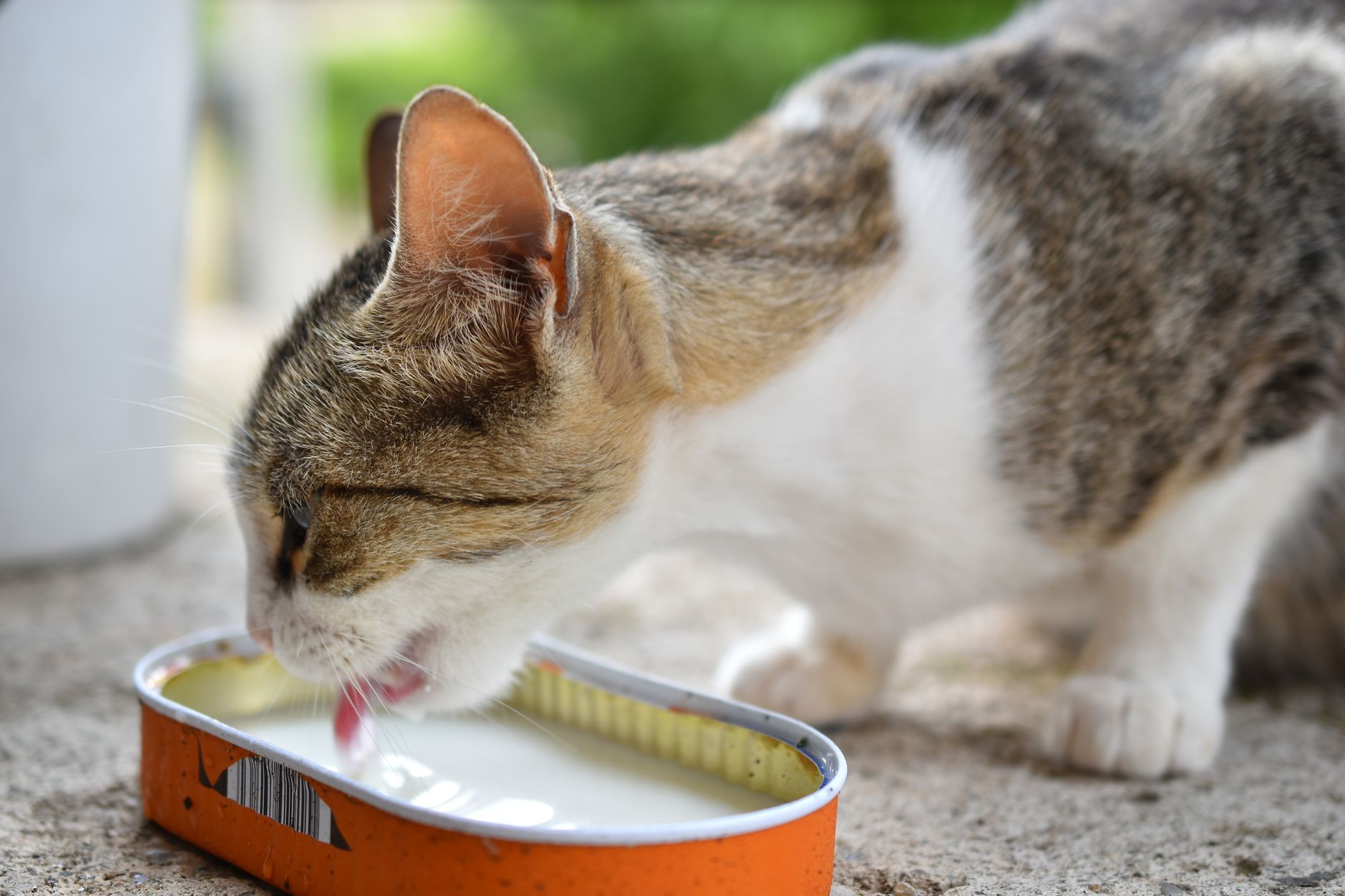
You can usually leave canned cat food out for about 2 hours (1 hour if it’s hot, above 90°F/32°C). After that, discard it. If the can is opened, treat it like perishable food: bacteria can grow even when it still looks and smells “fine.”
How long can you safely leave canned cat food out?
The safest rule of thumb is 2 hours from the moment the food is served out in the open (or from the time the can is opened and the food is no longer sealed). If your home is warm—especially during summer heat, near a window, or in a car—cut that to 1 hour when the temperature is above 90°F/32°C.
This matches the standard food-safety thinking used for perishable foods: once food sits in the “danger zone” (roughly 40–140°F/4–60°C), bacteria can multiply quickly. Cat food isn’t magic just because it’s canned; opening the can exposes it to the room’s bacteria and environment.
Why does the time matter so much?
When canned cat food is unopened, the food is sealed and shelf-stable. The moment you open it, you’re dealing with perishable conditions: bacteria that are present in the air, on utensils, and on the bowl can start growing. Even if the food’s texture doesn’t change, bacterial numbers can still rise.
Also, cats can be sensitive to certain bacterial toxins and contamination patterns. With a small serving, contamination may be more concentrated because there’s less food mass to dilute anything that’s growing.

Photo by Canan YAŞAR on Pexels
What changes when the can is opened?
Once a can is opened, there are two different “clocks” to think about: (1) how long the food sits at room temperature, and (2) how long you keep it refrigerated after opening.
Room temperature (served or sitting out)
Use the 2-hour / 1-hour rule above. If your cat doesn’t finish it, don’t “stretch” the time because it’s canned. You’ll also want to avoid letting the bowl sit near heat sources like sunlight or a heater vent.
Refrigerated after opening
If you don’t serve it all, refrigerate promptly. In most households, people should aim to use leftover opened canned cat food within about 2–3 days. Transfer leftovers to a clean, lidded container first (more on that below). If it smells “off,” develops an unusual tacky texture, or you see mold, discard it—don’t rely purely on time.
What if your cat is a “grazer” and takes small bites?
Grazing habits are common—many cats nibble throughout the day—but that’s exactly why “how long can it sit out?” becomes tricky. The safest approach is portion control.
Instead of leaving one big serving out all day, serve smaller portions that your cat is likely to finish within the time window. If you notice your cat repeatedly leaves food behind, you can shift to a schedule: take the bowl away, refrigerate what’s not used, and re-serve later (rather than leaving it constantly out).
If you really need a longer window due to your schedule, discuss options with your vet or a veterinary nutritionist—some homes move to feeding systems that keep food portioned and timed. But even with better bowls, you still can’t defeat the basic food-safety math of bacteria growth at room temperature.
Does temperature in your home change the answer?
Yes, temperature is the deciding factor. The hotter the environment, the faster bacteria can grow. If you’re in a cooler climate and the room stays around 70°F/21°C, you might be on the safe end for the 2-hour window. If you’re dealing with summer heat, a hot kitchen, or a meal placed outside for any reason, assume the 1-hour cutoff.
Quick practical checks:
- If you can comfortably leave your hand on the bowl area for a while without feeling heat, you’re likely closer to the lower end—but don’t stretch beyond the time rule.
- If the food is sitting in direct sun, near a vent, or in a car trunk area, treat it like a “hot environment” even if you’re not sure of the exact temperature.
- If the food is lukewarm after sitting out, consider it already past the point where “smells normal” is enough reassurance.
Should you discard it even if it looks and smells fine?
Usually, yes. Visual cues aren’t reliable. Bacteria can grow without obvious changes, and cats may still eat it even when it’s no longer safe.
There’s also a risk of contamination from repeated scooping. Each time you put a spoon into the bowl, you add bacteria from your household and possibly saliva from previous bites, which can accelerate spoilage. That means “it’s only been out for a short time” and “it still looks okay” may still be false comfort.
A practical habit: portion food, feed, and then remove leftovers. If you want to offer again later, start with a fresh serving from the refrigerator.
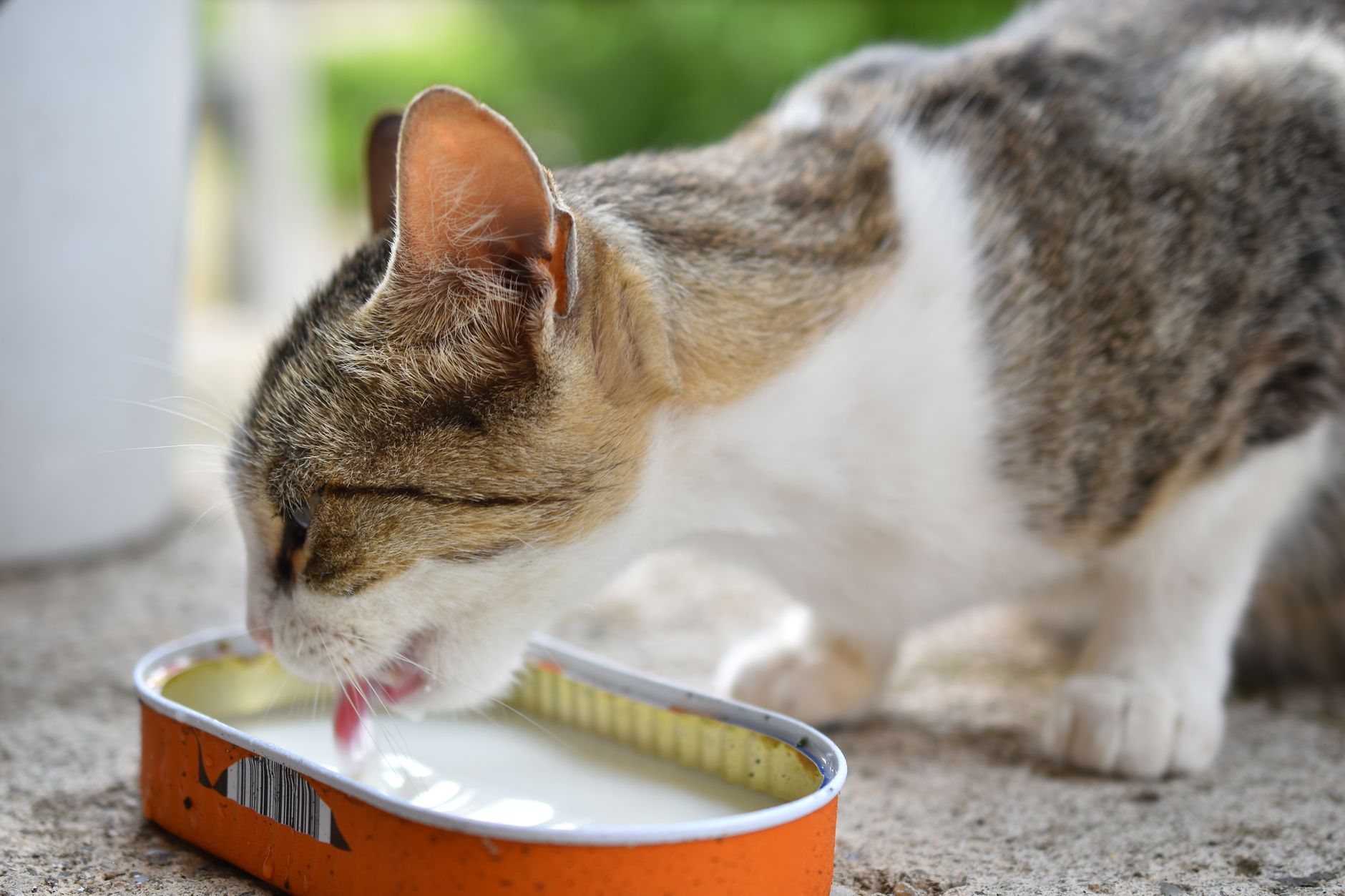
Photo by Alex StaxmiPhoto on Pexels
How should you store leftovers from a opened can?
Proper storage after opening matters because it’s how you protect food from both spoilage and contamination.
Best practice: transfer immediately
Don’t leave opened cat food sitting in the open can (especially for long periods). Instead, scoop leftovers into a clean, airtight container and refrigerate. That reduces exposure to air and prevents any risk from prolonged contact with the inside of the can.
How much to store
Store in portions that match future feedings. If you repeatedly open and re-close a large container, you’ll be letting air and bacteria in more often. Smaller containers are easier on food safety and texture.
How to thaw or warm (if needed)
Some cats prefer food close to room temperature. If you do warm it, don’t leave the bowl to “warm up” on the counter for hours. A safer method is to warm a portion briefly using a controlled method (for example, setting the container under warm water for a short time) and then feed promptly.
If the food sits warm too long, it’s back to the same room-temperature rules—time still matters.
Does the type of canned food matter?
Generally, time limits are similar across most commercially canned cat foods because they’re perishable once opened. The main differences tend to be ingredients and formulation, not whether bacteria growth happens.
That said, some foods may have more moisture variability, and some cats eat differently (for example, they might lick sauce and leave chunks). If chunks remain, they still count as leftovers and should follow the same “discard after 2 hours / 1 hour if hot” guidance.
What signs mean “don’t feed it”?
You can’t rely on one cue, but these signs are strong reasons to discard:
- Any mold or visible growth
- Foul or sour odor that’s stronger than normal
- Unusual texture changes (slimy, curdled, or significantly separated in a way that’s new)
- Food has been left out longer than the safe window
- Your cat seems unwell after eating a questionable meal (vomiting, diarrhea, unusual lethargy). In that case, contact a vet promptly.
Practical routines that make this easy
Most people don’t need complicated rules—they need a routine that prevents “accidental leftovers.” Here are three low-friction ways to stay safe without turning feeding into a chore.
-
Portion for the next window. Serve only what your cat is likely to finish in 30–60 minutes. If they don’t finish, you can always offer later.
-
Use the “feed and remove” habit. Decide on a feeding schedule (for example, twice daily). After the feeding window, remove the bowl regardless of whether it’s empty.
-
Keep a container ready. When you open a can, also have a clean lidded container nearby. Scoop leftovers straight into it, refrigerate immediately.
Frequently Asked Questions
Can I leave canned cat food out overnight?
No. Overnight means the food has been at room temperature far longer than the safe 2-hour limit (or 1 hour if it’s hot). Discard any leftovers that have been out overnight.
How long is canned cat food safe in the fridge after opening?
Opened canned cat food is typically best used within about 2–3 days when refrigerated promptly in a clean, airtight container. If the smell or appearance seems abnormal, throw it out even if you’re within the time window.
What if my cat only eats a little—should I still throw the rest away?
Yes, if it’s been out longer than the safe room-temperature window. If you portioned it correctly and remove the bowl, you can refrigerate leftover food and serve it later within the refrigerated timeframe.
Does it matter if the food is still cool or just “not hot”?
Yes, it still matters. The danger zone is based on temperature range and time, not just whether the food feels warm. Even if it’s not steaming, bacteria can still grow during prolonged sitting at room temperature.
Can I reheat canned cat food left out?
Reheating doesn’t reliably make unsafe food safe again. If it’s been left out beyond the time limit, discard it rather than trying to “fix” it with heat.
Is homemade cat food different from canned cat food in this regard?
The general rule of perishability still applies: once exposed, both homemade and opened canned food should follow room-temperature limits. However, homemade food often has different moisture and ingredient characteristics, so consult your veterinarian for storage and feeding guidance tailored to your recipe.
If you want one simple, reliable rule to remember: opened canned cat food should not sit out longer than 2 hours (or 1 hour if your home is hot). Portion, feed, remove leftovers, and refrigerate promptly—your cat’s stomach will thank you.

Mim Creation
Writer at Helmet Today, covering helmet reviews, fit and riding safety.