Puppies can eat several fruits in small, bite-sized portions, including apples without seeds, bananas, blueberries, strawberries, watermelon without rind or seeds, and peeled pears. Fruit should be an occasional treat, not a meal. Avoid grapes, raisins, cherries, citrus peel, and any fruit containing pits or toxic seeds, and introduce new foods gradually.
Which fruits are safe for puppies?
Many fresh fruits are safe for puppies when they are washed, prepared correctly, and served in modest amounts. Puppies have small stomachs, so even nutritious foods can cause diarrhea if they eat too much at once.
| Fruit | How to serve it | Main caution |
|---|---|---|
| Apple | Remove the core and seeds; cut the flesh into tiny pieces | Seeds and the hard core can be choking hazards |
| Banana | Peel and offer thin slices | Relatively high in sugar and calories |
| Blueberry | Wash and serve whole or gently crushed | Whole berries may be difficult for very small puppies |
| Strawberry | Remove the leafy top and cut into small pieces | Can cause stomach upset when overfed |
| Watermelon | Remove the rind and seeds; serve small cubes | The rind is difficult to digest |
| Pear | Remove the core and seeds; serve peeled or in small pieces | Seeds and stem should not be eaten |
| Mango | Peel it and remove the large pit completely | The pit can cause choking or an intestinal blockage |
Can puppies eat apples?
Puppies can eat the flesh of an apple after the core, stem, and seeds have been removed. Apple pieces provide water and fiber, but the firm texture can be hard for a young puppy to manage, so small diced pieces are safer than large chunks.
Apple seeds contain compounds that can release cyanide when damaged, although a few accidentally swallowed seeds are unlikely to poison a dog. The sensible practice is still to remove all seeds rather than make them part of a puppy’s treat.
Can puppies eat bananas?
Bananas are generally safe for puppies in small slices, but they should be occasional treats because bananas contain more natural sugar and calories than watery fruits such as watermelon. A puppy does not need an entire banana; one or two small pieces may be plenty for a small dog.
The peel is not considered poisonous, but it is tough and can be difficult to digest. Remove it before serving. Mashed banana can also be mixed into a food puzzle, provided the portion remains small and the puppy’s regular diet is not displaced.
Can puppies eat berries?
Blueberries and strawberries are usually suitable for puppies when washed and cut to an appropriate size. Blueberries can be served whole to larger puppies, while tiny puppies may do better with berries gently crushed between a spoon and a bowl.
Strawberries should have their leafy tops removed and should be cut into pieces that cannot lodge in the puppy’s throat. Raspberries and blackberries may also be offered in small amounts, but their seeds and fiber can cause loose stool in some dogs.

Photo by Alexey Demidov on Pexels
How much fruit can a puppy eat?
Fruit should make up no more than about 10 percent of a puppy’s daily calories, with the remaining food coming from a complete puppy diet. Treat calories count even when the treat is a healthy food, and fast-growing puppies need balanced nutrients for bones, muscles, and organs.
A practical starting portion is one or two pea-sized pieces for a toy or very young puppy, and a few small pieces for a larger puppy. Give only one new fruit at a time, then watch for vomiting, gas, itching, or diarrhea over the next day.
- Very small puppies: start with one tiny piece.
- Small-breed puppies: try one to three small pieces.
- Medium- and large-breed puppies: offer several small pieces, depending on the fruit and the puppy’s overall treat intake.
- Stop or reduce the serving if stools become soft.
These are starting points rather than strict daily allowances. A puppy’s size, age, activity, health, and regular food all affect an appropriate portion. Puppies with sensitive digestion may need less, while puppies on veterinary diets may need to avoid extras entirely.
How should fruit be prepared for a puppy?
Proper preparation matters because the greatest fruit-related risks usually come from choking, intestinal blockage, pesticide residue, or concentrated ingredients rather than from the fruit flesh itself.
- Wash the fruit under running water.
- Remove pits, seeds, stems, leaves, cores, and tough rinds.
- Cut the edible flesh into pieces sized for the puppy’s mouth.
- Offer the fruit while supervising the puppy.
- Refrigerate leftovers and discard fruit that looks spoiled.
Cutting fruit is especially important for puppies that gulp food. A round grape-sized piece of fruit can block a small airway, even if the fruit itself is harmless. Soft fruits should still be cut rather than handed over as a whole handful.
Plain fresh fruit is preferable to canned fruit, fruit snacks, pie filling, or sweetened dried fruit. Packaged products may contain added sugar, syrup, preservatives, or artificial sweeteners. Xylitol, also called birch sugar in some products, is highly toxic to dogs and can cause a dangerous drop in blood sugar.
Can puppies eat frozen fruit?
Frozen fruit can be safe if it is plain, seedless, and cut into small pieces before freezing. A large frozen chunk may be too hard for a puppy to chew and could damage teeth or become a choking hazard.
For teething puppies, slightly chilled fruit is often more practical than rock-hard frozen fruit. Let pieces soften for a few minutes, and supervise the puppy while it eats.
Can puppies eat dried fruit?
Dried fruit is a poor choice for puppies because drying removes water and concentrates sugar and calories. Raisins and dried grapes are particularly dangerous because they can cause sudden kidney failure in dogs.
Other dried fruits may also contain sweeteners or preservatives. Fresh fruit in a small portion is the safer option.

Photo by MART PRODUCTION on Pexels
Which fruits are dangerous for puppies?
Some fruits should never be given to puppies, while others require careful removal of pits, seeds, or peels. When there is uncertainty about an unfamiliar fruit, withholding it is safer than experimenting with a young dog’s digestive system.
Why are grapes and raisins dangerous?
Grapes and raisins can cause serious kidney injury in dogs, and the amount that causes illness is unpredictable. A puppy should not receive grapes, raisins, currants, or foods containing them, such as some trail mixes, cereals, breads, and baked goods.
Contact a veterinarian or an animal poison service promptly if a puppy eats any grapes or raisins. Do not wait for symptoms, because early treatment may be needed even when the puppy appears normal.
Are cherries safe for puppies?
Cherry flesh is not the main concern, but whole cherries are unsafe because the pits, stems, and leaves contain cyanogenic compounds and can cause choking or intestinal blockage. Removing every risky part is difficult, so cherries are best left off a puppy’s treat list.
Can puppies eat citrus fruit?
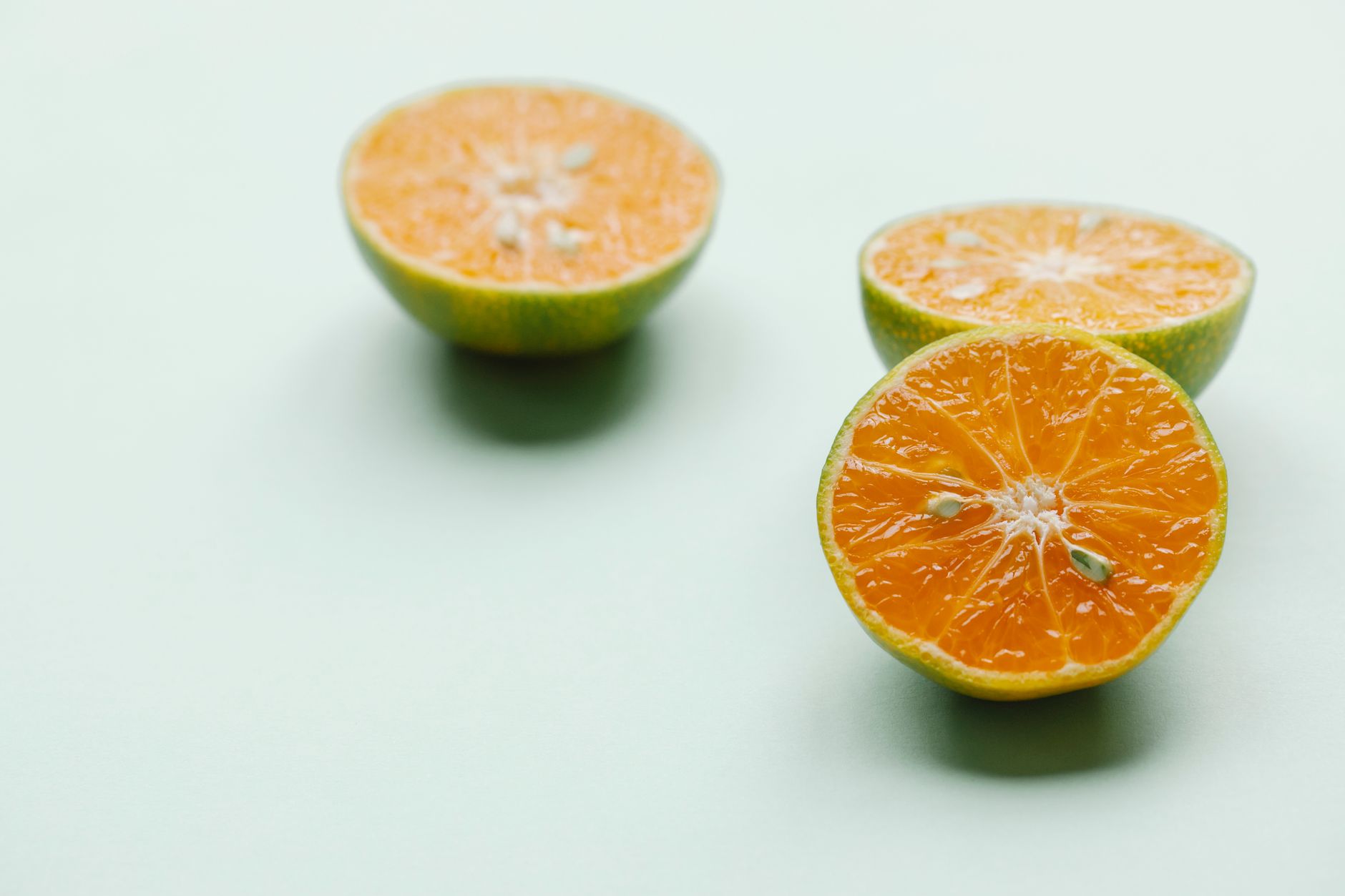
Small amounts of peeled orange or tangerine flesh are not usually poisonous to dogs, but citrus fruit is acidic and may upset a puppy’s stomach. The peel, seeds, leaves, and concentrated citrus oils are more problematic and should not be given.
Lemons and limes are especially poor treats because they are very acidic and unappealing to most dogs. Citrus juice, sweetened drinks, and citrus desserts should also be avoided.
Are peaches, plums, and apricots safe?
The flesh of a peach, plum, or apricot may be edible, but the pit presents a choking and blockage risk and contains potentially harmful compounds. Puppies should never chew on these pits, even if the fruit is offered as a supervised snack.
Because pits can be swallowed quickly, these fruits require more preparation than most puppy owners expect. Seedless alternatives such as a few blueberries are simpler and safer.
What signs show that fruit disagrees with a puppy?
Mild digestive upset may appear as gas, soft stool, diarrhea, or vomiting after a puppy eats a new fruit. Stop the fruit and provide access to fresh water. If symptoms are brief and mild, the puppy may return to normal, but repeated symptoms deserve veterinary advice.
Call a veterinarian promptly if the puppy has repeated vomiting, bloody diarrhea, severe weakness, a swollen or painful abdomen, trouble breathing, collapse, or signs of dehydration. Puppies can become dehydrated faster than adult dogs, particularly after several episodes of vomiting or diarrhea.
Possible allergic reactions include facial swelling, hives, intense itching, sudden vomiting, or difficulty breathing. Breathing problems, collapse, or rapidly developing swelling are emergencies.
How can fruit be used as a puppy treat?
Fruit works best as a small reward during training or as an occasional food puzzle ingredient. For example, a few mashed blueberries can be spread thinly inside a washable toy, or tiny apple pieces can reward calm behavior during handling practice.
Fruit should not replace puppy food because it does not provide the correct balance of protein, fat, calcium, vitamins, and other nutrients required for growth. Large amounts can also spoil a puppy’s appetite for its regular meals.
Keep treats easy to count by cutting fruit before training begins. If a puppy receives several treats during a session, reduce other treat foods that day rather than adding unlimited extras.
Puppies with diabetes, food allergies, pancreatitis, obesity, chronic diarrhea, or a prescribed veterinary diet need individualized guidance. The same fruit that suits a healthy puppy may be inappropriate for a puppy with a medical condition.
Photo by Helena Lopes on Pexels
Frequently Asked Questions
What is the healthiest fruit for a puppy?
There is no single best fruit for every puppy. Blueberries, strawberries, and small amounts of watermelon are often convenient choices because they are soft and contain plenty of water, but portion size and the puppy’s digestion matter more than choosing a “superfood.”
Can puppies eat fruit every day?
A small piece of safe fruit may fit into some puppies’ daily treat allowance, but fruit is not necessary every day. Keep all treats, including fruit, to about 10 percent or less of daily calories and use a complete puppy food for the rest.
Can an eight-week-old puppy eat fruit?
An eight-week-old puppy can usually taste a tiny amount of properly prepared, safe fruit, but its main diet should be a complete food made for puppies. Introduce only one food at a time and avoid fruit if the puppy is already experiencing diarrhea, vomiting, or a recent diet change.
Can puppies eat fruit seeds?
Some fruit seeds and pits can contain harmful compounds, and many are choking or blockage hazards. Remove seeds, pits, stems, leaves, and cores before giving fruit to a puppy, even when a small accidental exposure is unlikely to cause poisoning.
What should someone do if a puppy eats a grape?
Contact a veterinarian or animal poison service immediately, even if the puppy seems fine. Do not wait for vomiting, lethargy, increased thirst, or changes in urination, and do not try to induce vomiting unless a veterinary professional gives specific instructions.
Can puppies eat fruit yogurt or smoothies?
Fruit yogurt and smoothies are not ideal because they may contain added sugar, excess fat, dairy, or xylitol. Plain, fresh fruit in a small portion is easier to assess and less likely to contain unexpected ingredients.
The safest routine is simple: choose plain fresh fruit, remove every pit and seed, cut it small, offer only a little, and stop if the puppy’s stomach objects.

Mim Creation
Writer at Helmet Today, covering helmet reviews, fit and riding safety.