Dogs can eat several fruits safely, including apples, bananas, blueberries, strawberries, watermelon, mango, and pears, as long as the fruit is washed, prepared correctly, and served in small portions. Remove seeds, pits, stems, and tough rinds. Grapes and raisins should never be given to dogs because even small amounts can cause serious kidney damage.
What fruit can dogs eat safely?
Many fresh fruits are safe for dogs as occasional treats, provided they are plain and served in moderation. Fruit contains natural sugar, fiber, and water, so it should complement a complete dog food rather than replace it.
| Fruit | How to serve it | Main caution |
|---|---|---|
| Apple | Small slices with core and seeds removed | Seeds and core can cause problems |
| Banana | Small peeled pieces | High in sugar and calories |
| Blueberry | Whole or lightly mashed | Large dogs may swallow them quickly |
| Strawberry | Washed, with leaves removed | Serve small portions |
| Watermelon | Seedless flesh without rind | Seeds and rind can cause obstruction |
| Mango | Peeled pieces with pit removed | The pit is a choking and blockage hazard |
| Pear | Small pieces with seeds and core removed | Seeds should not be eaten |
| Pineapple | Fresh, peeled chunks without the tough center | Too much may upset the stomach |
| Cantaloupe | Small pieces without rind or seeds | Relatively high in sugar |
Blueberries are among the easiest fruits to offer because they are small, soft, and naturally seedless from a feeding perspective. They can be given whole to larger dogs or gently mashed for small dogs that tend to gulp food.
Watermelon is mostly water and can be a refreshing warm-weather snack, but the rind should never be offered. A dog may chew the green outer layer and swallow pieces that are difficult to digest or that could obstruct the intestine.
Apples and pears are suitable only after careful preparation. Their flesh is generally safe, but the core, stem, and seeds should be discarded. Cutting the fruit into bite-size pieces also reduces the risk of choking, especially for small dogs and dogs that eat quickly.

Which fruits are especially useful as dog treats?
Fruit works best as a low-fat training reward or occasional snack when the pieces are small enough to eat in one or two bites. The most practical choices are usually blueberries, strawberries, apple slices, and seedless watermelon because they are easy to portion and prepare.
- Blueberries: These are convenient for training larger dogs and can be frozen for a cool treat.
- Strawberries: Remove the green tops, wash the berries, and cut large ones into smaller pieces.
- Apples: Crisp slices can provide variety, but the core and seeds must be removed first.
- Watermelon: Use only the red flesh, with all seeds and rind removed.
- Bananas: A few slices can be useful for hiding a tablet or adding to a food toy, but bananas are more calorie-dense than watery fruits.
- Pumpkin: Plain cooked pumpkin or canned pumpkin with no added sugar or spices is technically a squash, not a fruit commonly served as a sweet snack, but it can be gentle on some dogs’ digestion.
Frozen fruit can be a useful enrichment option, especially for dogs that enjoy chewing. A frozen blueberry or small watermelon piece is usually easier to manage than a large frozen chunk. Frozen treats should still be appropriately sized, because very hard pieces can be difficult for dogs with dental disease or weak teeth.
How much fruit can a dog eat?
Fruit and other treats should generally make up no more than about 10 percent of a dog’s daily calories, with the remaining food coming from a nutritionally complete diet. The right amount depends on the dog’s size, age, activity level, health, and the particular fruit.
A practical starting point is one or two small pieces for a small dog and a small handful for a large dog. That is a starting point, not a universal serving rule. A single banana slice may be reasonable for a small dog, while half a banana could provide more sugar and calories than the dog needs.
New foods should be introduced one at a time. Give a small amount, then watch for vomiting, diarrhea, gas, itching, or other unusual signs over the next day. If the dog tolerates it, the portion can remain an occasional treat rather than becoming a large daily serving.
Dogs with diabetes, obesity, pancreatitis, food allergies, inflammatory bowel disease, or other medical conditions may need stricter limits. A veterinarian can help choose treats that fit the dog’s diet and medication plan. Puppies may also need extra caution because sudden diet changes can cause digestive upset.
Which fruits should dogs never eat?
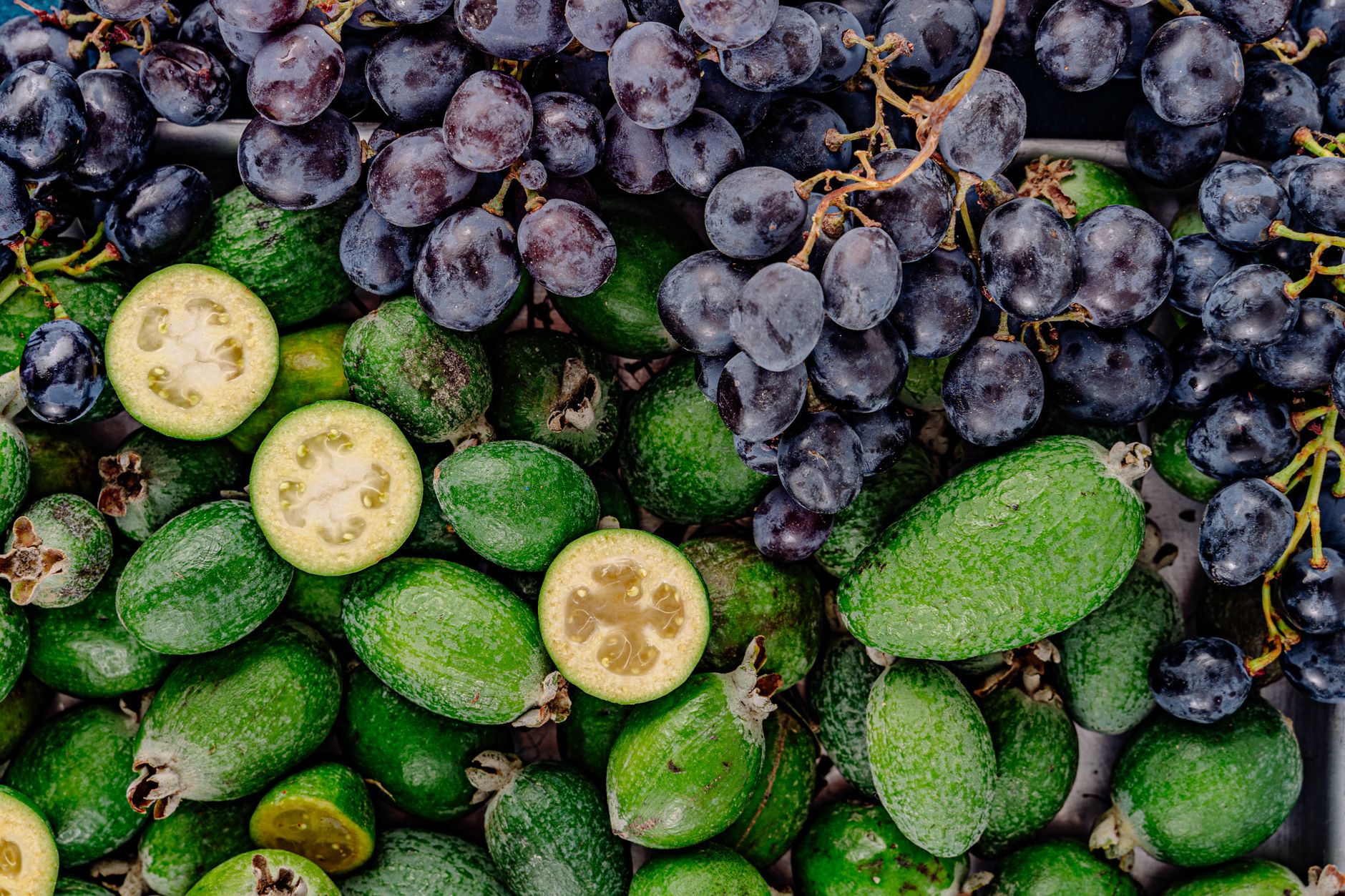
Grapes and raisins should never be fed to dogs. They have been associated with sudden kidney injury, but the dangerous amount is unpredictable: some dogs become seriously ill after eating a small quantity, while others may appear unaffected. Because there is no dependable safe dose, grapes, raisins, sultanas, and foods containing them should all be treated as dangerous.
If a dog eats grapes or raisins, contact a veterinarian or a pet poison service immediately rather than waiting for symptoms. Possible signs include vomiting, diarrhea, tiredness, loss of appetite, increased thirst, changes in urination, weakness, or inability to urinate. Early treatment can matter, and trying to make a dog vomit at home can create additional risks.
Cherries are not a good dog treat because the pits, stems, and leaves contain cyanogenic compounds, and the pits can cause choking or intestinal blockage. The fleshy part is not usually the main concern, but removing every pit and stem is inconvenient and easy to get wrong. Safer fruits are a better choice.
Avocado is another food best avoided. Its large pit can obstruct the digestive tract, the skin is difficult to digest, and the fruit is high in fat. Dogs that eat a substantial amount of avocado may develop stomach upset, and high-fat foods can be a concern for dogs prone to pancreatitis.
Fruit products can be just as problematic as whole fruit. Avoid fruit cups, canned fruit in syrup, sweetened applesauce, fruit snacks, desserts, and smoothies made with artificial sweeteners. Xylitol, also called birch sugar in some products, is highly toxic to dogs and can cause dangerously low blood sugar and liver injury.

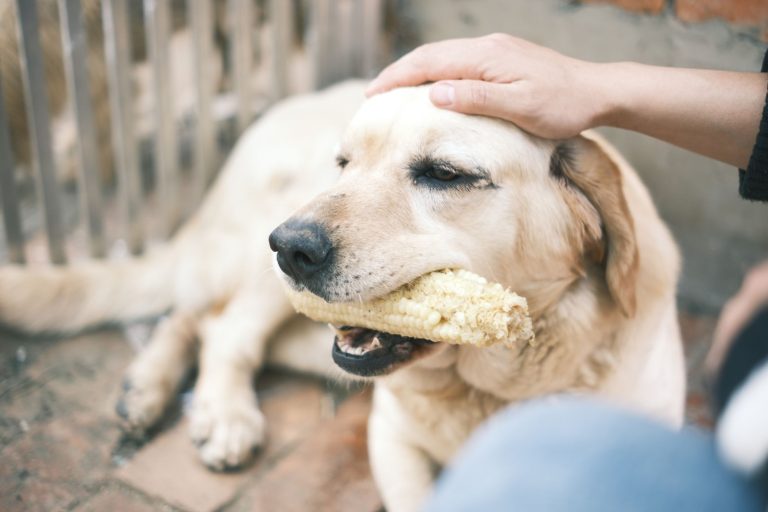
Photo by Mikhail Nilov on Pexels
Can dogs eat citrus fruit?
Small amounts of citrus flesh, such as orange or tangerine, are usually tolerated by many dogs, but citrus is not an ideal everyday treat. The fruit is acidic and can cause stomach upset, particularly if a dog eats a large amount.
Remove the peel, seeds, and as much of the white pith as practical. Citrus oils and concentrated compounds are found in higher amounts in the peel and plant material. Lemon and lime flesh is very sour, so most dogs dislike it, and large amounts may cause digestive irritation.
Do not give dogs citrus essential oils or concentrated citrus products. These are much stronger than a small piece of fruit and may be harmful when swallowed or applied to the skin.
How should fruit be prepared for a dog?
Safe preparation is as important as choosing the fruit. The flesh may be suitable while the surrounding parts create the main hazard.
- Wash the fruit. Rinse it under running water to remove dirt and surface residues.
- Remove dangerous parts. Discard pits, seeds, stems, leaves, cores, and tough rinds when applicable.
- Cut it into manageable pieces. A piece should be small enough for the dog to chew without struggling.
- Serve it plain. Do not add sugar, salt, chocolate, whipped cream, syrup, spices, or sweeteners.
- Measure the portion. Treats count toward daily calories, even when they come from nutritious foods.
- Store leftovers safely. Refrigerate cut fruit and discard pieces that have spoiled or sat out for too long.
Dogs should not receive fruit salad made for people if it contains grapes, raisins, macadamia nuts, chocolate, alcohol, or artificial sweeteners. A plain piece of fruit is much easier to assess than a mixed dessert with several hidden ingredients.
What happens if a dog eats too much fruit?
Too much fruit can cause diarrhea, gas, vomiting, or abdominal discomfort because of its sugar and fiber content. A sudden large serving may be enough to upset even a healthy dog, particularly when the fruit has a lot of water or is unfamiliar.
Remove access to the remaining fruit and offer the dog its normal food and fresh water unless a veterinarian gives different instructions. Contact a veterinary clinic if vomiting continues, diarrhea is severe or bloody, the dog seems painful or weak, the abdomen looks swollen, or the dog cannot keep water down.
Digestive symptoms after fruit are not always an allergy. Food allergies more often involve repeated itching, ear problems, skin irritation, or recurring digestive symptoms, while a one-time bout of loose stool may simply reflect overeating or a sudden diet change. A veterinarian can help distinguish the causes.
Can dogs eat dried fruit?
Dried fruit is usually a poor choice for dogs because drying removes water and concentrates sugar into smaller pieces. A dog can eat several calories’ worth before seeming satisfied, and some dried fruit products contain preservatives or added sweeteners.
Raisins and dried grapes are particularly dangerous and should never be offered. Dried cranberries may be safe only when they contain no xylitol or other unsafe ingredients, but fresh berries are generally easier to portion and less sugary.
Frequently Asked Questions
Can dogs eat apples?
Yes, dogs can eat plain apple flesh in small pieces. Remove the stem, core, and seeds first, then wash the apple and cut it into bite-size slices. Apple should be an occasional treat because it still contributes sugar and calories.
Can dogs eat bananas?
Dogs can eat small amounts of peeled banana. Banana is higher in sugar and calories than fruits such as strawberries or watermelon, so a few slices are usually enough. Large servings may cause constipation or stomach upset in some dogs.
Can dogs eat strawberries?
Yes, strawberries are generally safe for dogs when washed and served without the leafy tops. Cut large berries into smaller pieces for small dogs. Avoid strawberry syrup, jam, ice cream, and other sweetened products.
Can dogs eat watermelon?
Dogs can eat the red flesh of seedless watermelon in moderation. Remove all seeds and the green rind before serving, because both can create choking or digestive problems. Watermelon is a treat, not a substitute for drinking water or a balanced diet.
What should I do if my dog eats a grape or raisin?
Call a veterinarian, emergency animal hospital, or pet poison service immediately, even if the dog appears normal. Do not wait for symptoms and do not induce vomiting unless a veterinary professional specifically instructs you to do so. Keep the packaging or estimate how many pieces were eaten.
Can fruit replace dog food?
No. Fruit does not provide the complete balance of protein, fat, vitamins, minerals, and other nutrients dogs need. It should remain a small treat alongside a complete, age-appropriate dog food.

Photo by Alexandra Novitskaya on Pexels

Mim Creation
Writer at Helmet Today, covering helmet reviews, fit and riding safety.