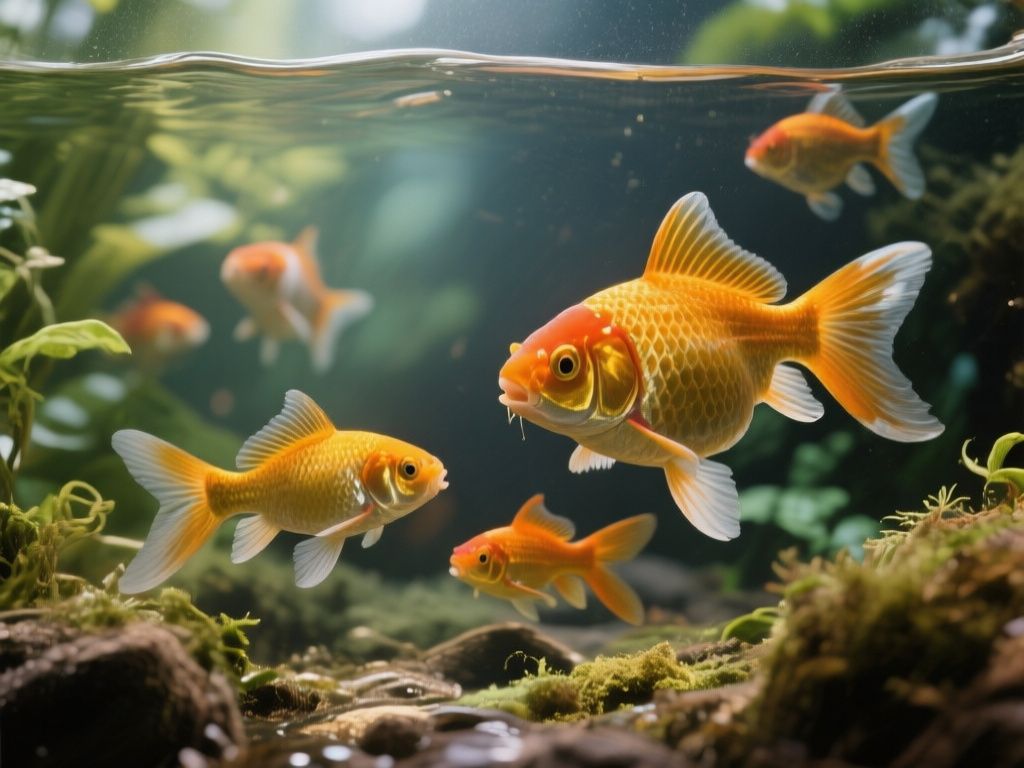
Goldfish usually live 10 to 15 years when they have enough space, clean water, a suitable diet, and proper care. Some reach 20 years or more, while poorly kept fish may survive only a few months. Lifespan depends heavily on the variety, aquarium conditions, water quality, nutrition, disease prevention, and the fish’s early care.
How long do goldfish live in a home aquarium?
A healthy goldfish kept in a well-maintained aquarium commonly lives for 10 to 15 years. That estimate applies to many single-tailed goldfish, including common goldfish and comet goldfish, as well as some well-cared-for fancy varieties.
Goldfish are often treated as short-term pets because they are inexpensive and frequently sold in small bowls. Their biology tells a different story. They are long-lived carp, not disposable starter pets. A goldfish purchased at a pet shop may still be young, so bringing one home can mean taking responsibility for an animal that could remain part of the household for more than a decade.
Exceptional goldfish can live beyond 20 years. Reaching that age is not guaranteed, and it requires consistently good care rather than a special trick. Stable water conditions, adequate swimming space, appropriate feeding, and early treatment of illness matter more than occasional “perfect” maintenance.
How long do different types of goldfish live?
Goldfish varieties have different body shapes, swimming abilities, and health risks. Single-tailed varieties are generally more athletic and often have fewer structural problems than fancy goldfish, but any variety can live a long life under suitable conditions.
| Goldfish type | Typical lifespan | Useful care note |
|---|---|---|
| Common goldfish | 10–15 years | Grows large and needs substantial swimming space |
| Comet goldfish | 10–15 years | Active swimmer; often best suited to a large aquarium or pond |
| Shubunkin | 10–15 years | Hardy, active, and capable of reaching a large adult size |
| Fantail | 10–15 years | Needs good filtration and room to maneuver |
| Oranda | 10–15 years | Head growth can make swimming and vision more difficult |
| Ranchu | 8–12 years | Rounded body shape increases the risk of buoyancy problems |
| Black moor | 10–15 years | Eyes are vulnerable to injury and poor tank layout |
| Bubble-eye goldfish | 5–10 years | Fragile fluid sacs require a gentle, hazard-free aquarium |
These are broad ranges, not expiration dates. A fancy goldfish may outlive a neglected common goldfish, and a single-tailed fish may die young if it is kept in polluted water. Variety affects the odds, but daily conditions often make the larger difference.
Why do goldfish live longer in large tanks?
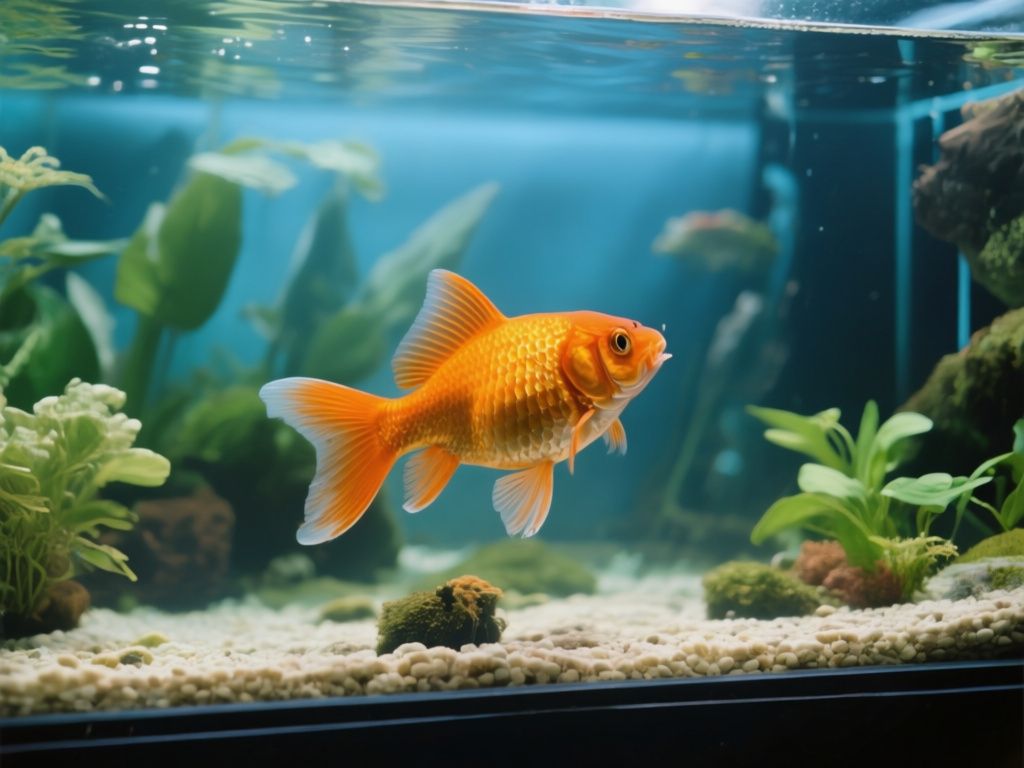
Goldfish need more space than their small bodies suggest because they produce a relatively large amount of waste and continue growing throughout their lives. A small bowl quickly accumulates ammonia, a toxic chemical released through fish waste and decomposing food.
Ammonia can damage the gills and internal organs. Beneficial bacteria in a cycled aquarium convert ammonia first into nitrite and then into nitrate. Nitrite is also dangerous, while nitrate is less toxic but still needs to be controlled through water changes and plant growth.
Tank size also affects oxygen levels, swimming room, temperature stability, and filtration. A larger volume of water changes more slowly than a tiny bowl, giving the keeper more time to notice and correct a problem. That extra stability is one reason a proper aquarium is much safer than a decorative fishbowl.
There is no single tank size that suits every goldfish because adult size and variety differ. As a practical starting point, one young fancy goldfish may need at least 20 gallons of water, with additional space as it grows. Common, comet, and Shubunkin goldfish usually need considerably more room; many adult fish are better suited to very large aquariums or outdoor ponds.
“One gallon per inch of fish” is an oversimplified rule. It fails to account for body mass, filtration, swimming behavior, adult growth, and the fact that goldfish are heavy waste producers. Planning for the fish’s adult size is safer than choosing a tank based on its current length.
What water conditions help goldfish live longer?
Stable, clean water is the foundation of goldfish health. The tank should be fully cycled before fish are added, meaning a functioning colony of beneficial bacteria has been established to process waste.
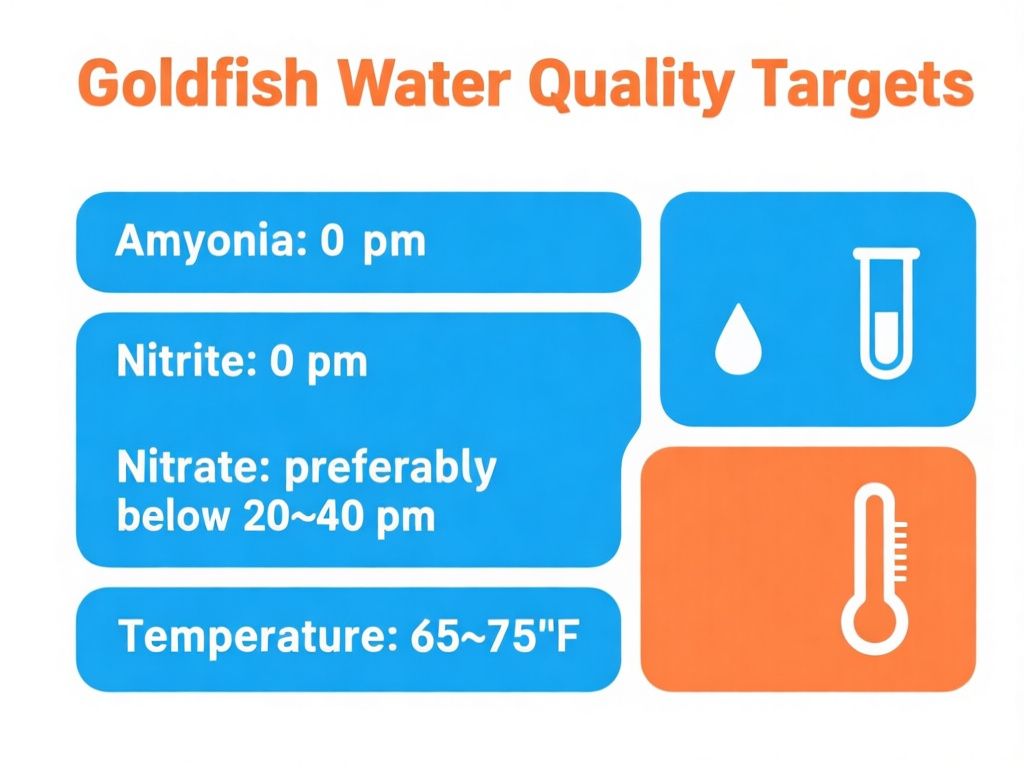
For routine care, many goldfish aquariums do well with the following targets:
- Ammonia: 0 parts per million
- Nitrite: 0 parts per million
- Nitrate: preferably below about 20 to 40 parts per million
- Temperature: commonly around 65 to 75 degrees Fahrenheit, depending on the variety and household conditions
- pH: stable and generally suitable for freshwater goldfish, often around 7.0 to 8.0
Exact readings matter less than avoiding sudden swings and toxic compounds. A stable pH that is slightly outside a preferred range is usually less stressful than repeated, abrupt attempts to change it.
Testing is the only reliable way to know what is happening in the water. Clear water can still contain dangerous ammonia or nitrite. A liquid test kit can check ammonia, nitrite, nitrate, and pH, especially when a fish is new, sick, or behaving unusually.
Regular partial water changes remove nitrate and dissolved waste without replacing all of the aquarium’s biological environment. Many aquarists change roughly 20 to 30 percent of the water weekly, then adjust the schedule according to test results, tank size, stocking, and filter performance.
Tap water must be treated with a water conditioner before it enters the aquarium. Untreated chlorine or chloramine can harm fish and the bacteria responsible for filtration. Replacement water should also be close to the tank’s temperature to reduce shock.
What should goldfish eat to support a long lifespan?
A balanced diet helps goldfish grow properly, maintain a healthy immune system, and avoid digestive problems. High-quality goldfish pellets or flakes should form the main part of the diet, with portion size kept small enough that the fish finish the food quickly.
Overfeeding is one of the most common preventable problems. Uneaten food decays and increases the aquarium’s waste load. A useful routine is to feed a small amount once or twice daily and remove leftovers. The exact amount depends on fish size, water temperature, activity, and the food’s energy content.
Goldfish can also receive occasional foods such as blanched peas with the outer skin removed, leafy greens, daphnia, or brine shrimp. Frozen or live foods should come from reliable sources. Variety can be helpful, but treats should not replace a nutritionally complete staple food.
Floating foods may cause some fish to gulp air at the surface, which can worsen buoyancy problems in susceptible fancy varieties. Sinking pellets or food that softens quickly can be a better choice. This is not a universal rule; the fish’s feeding behavior and health should guide the decision.
What health problems shorten a goldfish’s life?
Poor water quality is often the underlying cause of goldfish illness. It irritates the gills, weakens the immune system, and makes infections more likely. Crowding, sudden temperature changes, aggressive tank mates, and contaminated equipment add further stress.
Common warning signs include:
- Clamped fins or unusually inactive behavior
- Rapid breathing or frequent gasping at the surface
- White spots, cottonlike growths, ulcers, or red streaks
- Loss of appetite lasting more than a short period
- Floating, sinking, rolling, or difficulty staying upright
- Persistent rubbing against rocks or aquarium equipment
- Swollen areas, raised scales, or sudden color changes
A symptom is not a diagnosis. For example, floating may result from constipation, overfeeding, internal disease, poor water quality, or a structural buoyancy problem. Testing the water should be one of the first steps, followed by advice from an aquatic veterinarian or experienced fish professional when the condition is serious or persistent.
Quarantining new fish for several weeks can reduce the chance of introducing parasites or infections to an established aquarium. Quarantine requires a separate, properly filtered container rather than simply placing a new fish in a divider inside the main tank.
Can goldfish live in a bowl or outdoor pond?
A small bowl is unsuitable for long-term goldfish care because it offers too little water volume, filtration, oxygen exchange, and swimming space. Even a single small fish can pollute a bowl rapidly, while the curved glass and lack of equipment make stable conditions difficult to maintain.
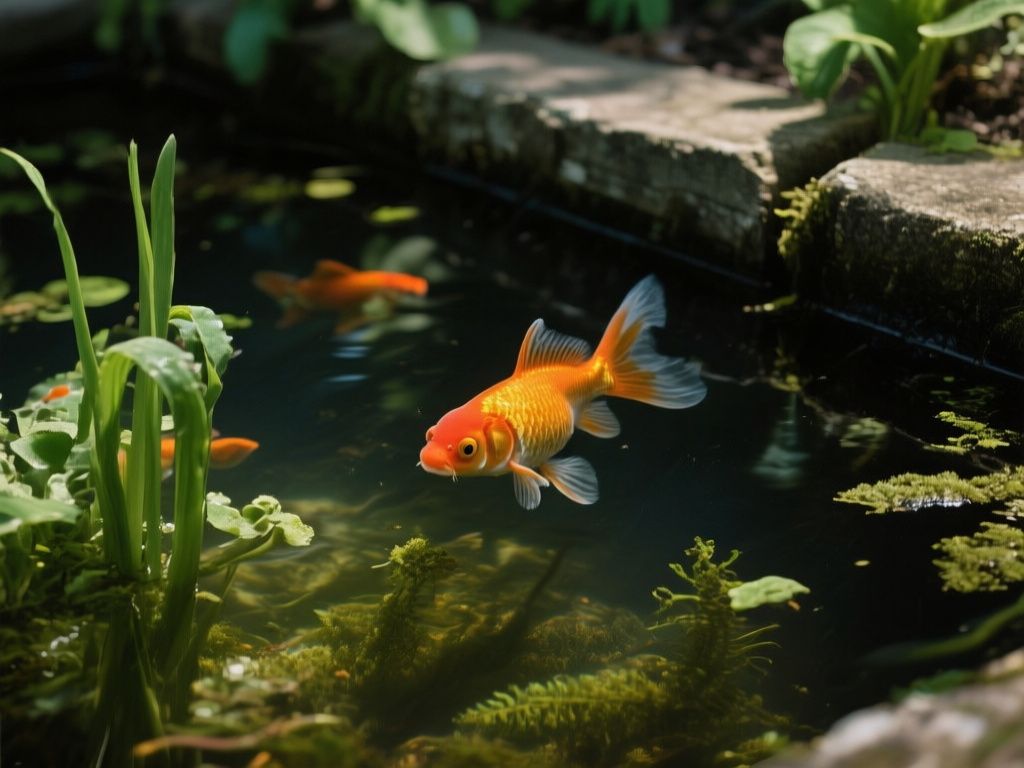
An outdoor pond can work well for appropriate goldfish, but it is not automatically easier. The pond needs adequate depth, filtration, aeration, protection from predators, safe water chemistry, and enough room for adult fish. Outdoor ponds also introduce risks from extreme heat, freezing, runoff, algae blooms, and wildlife.
Common goldfish, comets, and Shubunkins are generally more suitable for ponds than delicate fancy varieties. A pond should be established and tested before fish are introduced. Goldfish should never be released into natural waterways, where they can disrupt local ecosystems and may be illegal to release.
How can owners help a goldfish reach its full lifespan?
Long-term goldfish care is mostly a matter of consistent habits rather than expensive equipment. The following routine covers the essentials:
- Choose an aquarium based on the fish’s expected adult size, not its size at purchase.
- Cycle the aquarium before adding fish and test ammonia, nitrite, nitrate, and pH.
- Use a filter that provides biological filtration and adequate water movement.
- Perform regular partial water changes with conditioned water.
- Feed small portions and remove uneaten food.
- Keep decorations smooth and leave open swimming space.
- Avoid overcrowding and incompatible tank mates.
- Observe the fish daily so changes in appetite, breathing, or swimming are noticed early.
- Quarantine new fish before introducing them to the main aquarium.
- Seek professional help when symptoms persist or worsen.
Filter media should be rinsed in removed aquarium water rather than under untreated tap water. Tap water containing chlorine or chloramine can kill helpful bacteria, potentially causing an ammonia or nitrite spike. Filter cartridges also do not need automatic replacement on a fixed schedule if they remain usable; replacing all biological media at once can destabilize the tank.
Frequently Asked Questions
How long do goldfish live in a bowl?
Goldfish may survive in a bowl for a limited time, but a bowl is not appropriate for a normal lifespan. Poor oxygen exchange, rapid waste buildup, and insufficient space can lead to severe stress and early death. A filtered aquarium is a much better long-term home.
What is the oldest a goldfish can live?
Some goldfish have lived for several decades, although that is unusual. Most well-cared-for household goldfish live around 10 to 15 years, and reaching 20 years or more requires favorable genetics and consistently excellent care.
Do fancy goldfish live as long as common goldfish?
Fancy goldfish can live 10 to 15 years, but some have shorter average lifespans because their rounded bodies, compact organs, or specialized features increase the risk of buoyancy, vision, and swimming problems. Good water quality and careful feeding improve their chances.
How big do goldfish get?
Goldfish can grow far larger than their juvenile size suggests. Common, comet, and Shubunkin goldfish may reach roughly 10 to 12 inches or more in suitable conditions, while fancy varieties are often smaller but still need substantial space.
How often should a goldfish tank be cleaned?
Most goldfish aquariums need regular partial water changes, often around 20 to 30 percent weekly, with the schedule adjusted using water tests. Decorations can be cleaned when necessary, but the filter and biological media should not be scrubbed with untreated tap water.
Can a goldfish die from being lonely?
Goldfish do not require a companion to remain healthy, so a single fish can live a long life. Adding another goldfish is safe only when the aquarium is large enough, the fish are compatible, and the new arrival has been quarantined.
A goldfish’s lifespan is shaped less by luck than by its environment. The most useful first step is simple: test the water, check the adult space available, and correct those two things before adding another fish.

Mim Creation
Writer at Helmet Today, covering helmet reviews, fit and riding safety.