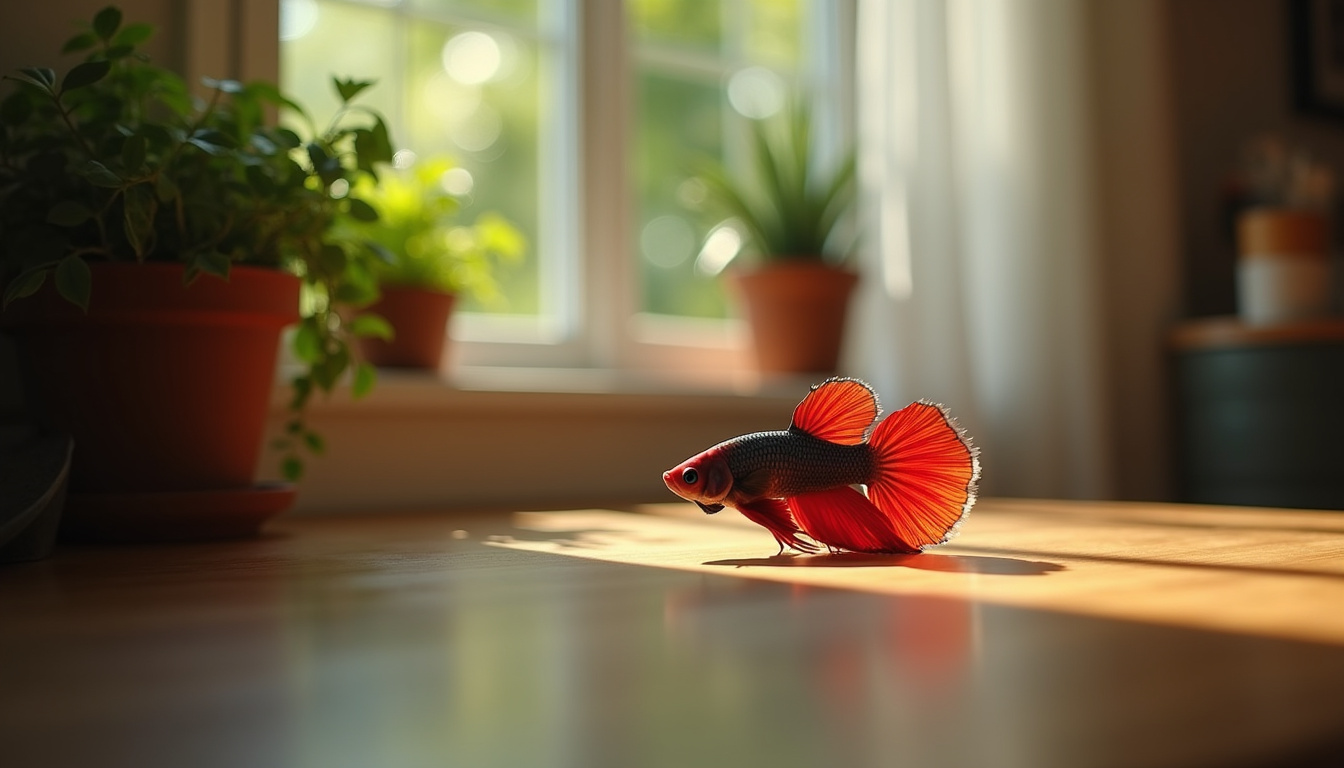
You walk past the aquarium and find your betta tucked behind a plant, under a decoration, or resting near the bottom. A fish that was recently swimming and greeting you now seems to have disappeared. Hiding can be harmless—bettas may rest or seek cover—but a sudden change can also signal stress, poor water conditions, illness, or a problem with the tank setup. Before moving decorations or tapping the glass, observe quietly. Note your betta’s breathing, posture, color, appetite, swimming, and any visible spots, swelling, torn fins, or unusual waste. Then inspect the aquarium itself, including the water temperature, filter flow, cleanliness, lighting, and nearby activity. These observations help separate normal shelter-seeking from a fish-health concern and show you what to check next. That context is exactly why Why Is My Betta Fish Suddenly Hiding deserves a clear explanation.
The most common reasons a betta fish suddenly hides
- Check for a recent change first. A new decoration, plant, tankmate, filter setting, cleaning routine, or brighter light can make a betta retreat until it feels secure again. Even moving the aquarium can trigger hiding.
- Look for water-quality stress. Sudden hiding may follow an ammonia or nitrite problem, contaminated water, or a major water change. Test the water rather than guessing, and remove uneaten food or decaying material you find.
- Consider excessive current or noise. Bettas may stay behind objects when the filter pushes them around. Repeated tapping, vibrations, or loud equipment near the aquarium can also keep them sheltered.
- Check for conflict. A tankmate may be chasing or nipping your betta, even when you don’t see it happen. Inspect the fins and watch for flaring, darting away, or being blocked from food.
- Look for illness or injury. Clamped fins, pale coloring, rapid breathing, spots, torn fins, swelling, or refusal to eat make hiding more concerning. These signs call for prompt testing and closer monitoring.
- Allow for normal rest. A betta may briefly choose a quiet plant or cave, especially after activity or during its usual resting period. Hiding becomes more concerning when it lasts, worsens, or appears with other changes.
Check the aquarium environment for changes or stressors
Start by checking whether anything in the environment changed before assuming your betta is sick. Test the water for ammonia, nitrite, nitrate, and pH, especially if hiding began after a water change, filter cleaning, or missed maintenance. Poor water quality can irritate the gills and skin, making a betta retreat and become less active. Cloudiness, an unusual smell, or a damaged filter also deserves attention, but clear water can still contain harmful waste. The problem? Most guides skip the Why Is My Betta Fish Suddenly Hiding part of the process.
Check the temperature and confirm that the heater is working normally. A sudden temperature shift can stress your betta even when the water looks clean. Also inspect the filter flow. A strong current may force the fish to shelter behind plants or decorations rather than swim in the open. But Why Is My Betta Fish Suddenly Hiding isn’t quite that simple in practice.
Look for physical stressors outside the water, too. Bright or newly changed lighting, loud vibrations, movement near the tank, a new decoration, or an aggressive tankmate can make a previously confident betta hide. Remove obvious sources of disturbance and provide a shaded retreat, but don’t dismantle the entire setup at once. Changing several things together makes it harder to identify the trigger. If testing finds a problem, correct it gradually and observe whether your betta’s activity and appetite improve. Here’s where the Why Is My Betta Fish Suddenly Hiding details get tricky.

How to troubleshoot a hiding betta step by step
- Observe without disturbing your betta. Note where it hides, whether it comes out for food, and how it swims when it does appear. Check for clamped fins, pale or unusual coloring, bloating, wounds, or rapid breathing. Hiding with clamped fins or a loss of appetite deserves closer attention, while hiding only during bright lights may point to stress from the setup.
- Retest the water and temperature. Check ammonia, nitrite, nitrate, and pH with a reliable test kit. Poor water quality is a common reason bettas suddenly hide, so address any abnormal result gradually rather than making a drastic change. Confirm that the water temperature is within the recommended 76–82°F range (Hepper).
- Look for a physical stressor. Watch for a strong current pushing your betta around, harsh lighting, or reflections on the glass. Reduce flow if your betta struggles to swim, and try dimming the light or blocking a reflective side. Make sure plants, caves, or driftwood provide cover without sharp edges or unstable pieces.
- Check for bullying or a recent addition. Observe tank mates during feeding and when the lights are on. Nipping, chasing, or guarding territory can force a betta to remain hidden. Separate an aggressive fish if necessary. If the hiding began after adding a fish or decoration, remove or rearrange the new item and compare your betta’s behavior.
- Reduce ongoing disturbance and reassess. Move the setup away from doors, televisions, radios, and heavy foot traffic, and avoid tapping the glass. Loud noise and sudden movement can drive a stressed betta into cover (Aquatic). Give it quiet time, then monitor appetite and activity. Gasping, persistent refusal to eat, or worsening physical signs warrants veterinary guidance.
Signs that hiding may be related to illness or injury
- Look for more than hiding alone. Clamped fins, fading or unusual coloration, bloating, a damaged fin, or a scrape can point to illness or injury rather than simple shyness. These physical changes are recognized warning signs when they appear with sudden hiding (BettaCare Fish Guide).
- Watch how your betta breathes. Gasping at the surface, rapid gill movement, or repeatedly struggling to stay in one area suggests a serious problem with water conditions or oxygen. Test the water promptly and improve aeration if needed (App-Aquatic).
- Check appetite at the next normal feeding. Refusing food, especially along with hiding or bloating, deserves closer investigation. Remove uneaten food rather than leaving it to decay.
- Inspect tank mates and decorations. Look for missing scales, torn fins, bite marks, or a fish that chases your betta away from food. Nipping or aggression can cause both injury and ongoing stress; separate the aggressor if necessary (App-Aquatic).
- If several signs appear together, don’t add medication blindly. Recheck water, remove the stressor, and seek veterinary guidance if your betta worsens or cannot eat or breathe normally.
When a betta’s hiding behavior may be normal
Hiding isn’t always a warning sign. A betta may retreat behind a plant, cave, or other cover to rest, especially after lights come on, people move nearby, or the aquarium filter creates stronger flow. Some bettas are simply shy and may spend part of the day in a preferred hiding place. Busy locations, tapping on the glass, loud sounds, and sudden movements can also make a healthy fish seek cover, as aquatic care guidance explains. Watch the whole pattern rather than the hiding alone: a normal fish should still come out at times, show interest in food, and swim normally when it does emerge. Keep the retreat available, reduce disturbances, and avoid forcing the fish out. If hiding becomes constant or changes with poor appetite, clamped fins, or gasping, investigate further. The problem? Most guides skip the Why Is My Betta Fish Suddenly Hiding part of the process.
Frequently Asked Questions
Why is my betta fish suddenly hiding?
Start by checking for a recent change, then test ammonia, nitrite, nitrate, and pH. Poor water quality can make a betta retreat. Confirm the aquarium heater is working and the water remains in the appropriate range of 76–82°F (Hepper). The problem? Most guides skip the Why Is My Betta Fish Suddenly Hiding part of the process.
Should I worry if my betta hides all day?
Yes, especially if hiding comes with clamped fins, loss of appetite, discoloration, bloating, or gasping. Gasping can point to poor water quality or inadequate oxygen. Check the water promptly and seek fish-health guidance if symptoms continue. The problem? Most guides skip the Why Is My Betta Fish Suddenly Hiding part of the process.
What if the tests look normal?
Look for bullying, strong filter flow, bright lighting, reflections, or noise from a television or busy doorway. Reduce the disturbance and preserve a calm retreat. After a new decoration or tank mate, give your betta time to settle while watching its appetite and breathing. But Why Is My Betta Fish Suddenly Hiding isn’t quite that simple in practice.
What to do next and common troubleshooting mistakes to avoid
Start with the simplest check: test the water, then correct one problem at a time rather than changing the whole aquarium at once. Check ammonia, nitrite, nitrate, and pH; also confirm the temperature stays within 76–82°F (Hepper). Inspect tank mates for chasing or fin-nipping, reduce harsh flow, and make sure your betta has a genuine hiding place such as plants or a cave. If activity around the aquarium is high, move it away from a television, radio, door, or busy walkway; tapping the glass can drive a stressed fish deeper into cover (App-aquatic). Avoid removing all cover to “force” the fish out. Don’t add medication based on hiding alone, either. Recheck appetite, fins, color, and breathing, and seek fish-health advice if those signs worsen or hiding persists. The problem? Most guides skip the Why Is My Betta Fish Suddenly Hiding part of the process.

Mim Creation
Writer at Helmet Today, covering helmet reviews, fit and riding safety.