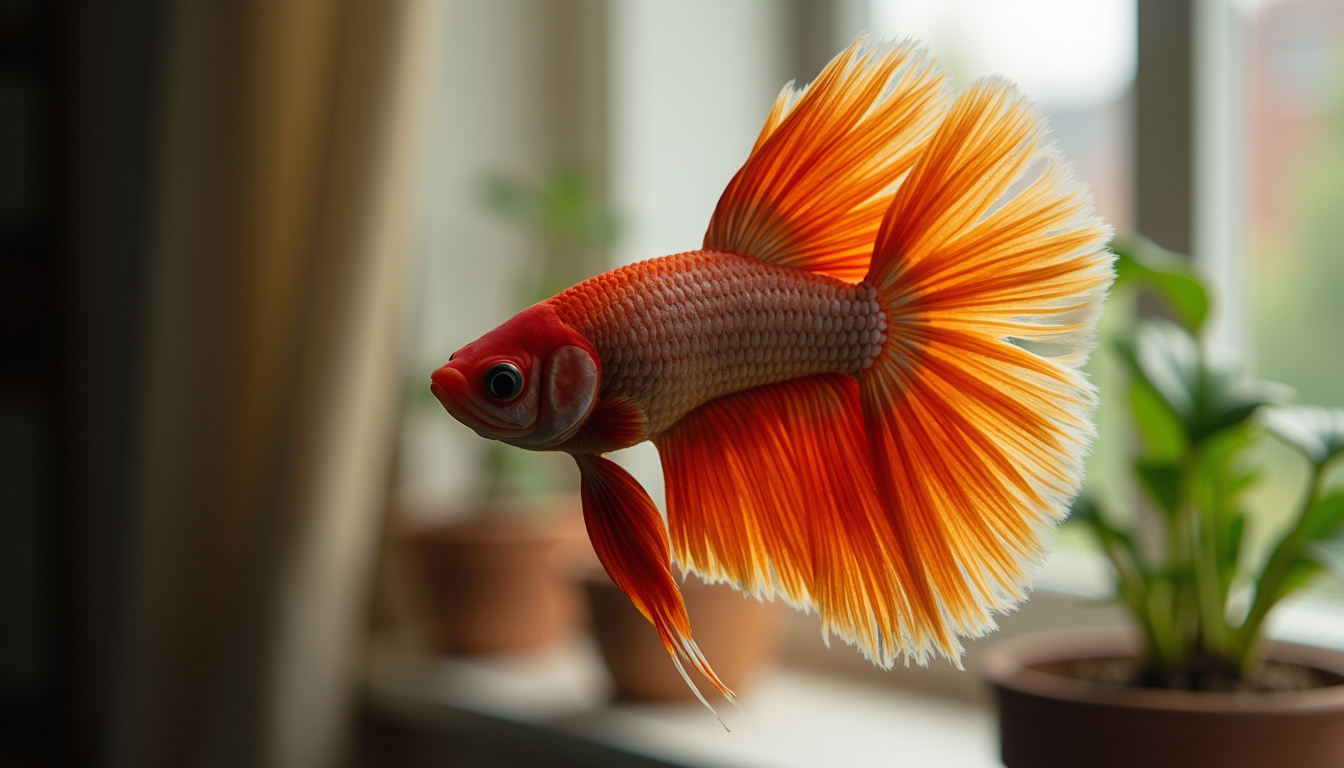
Your betta suddenly spreads its fins, flares its gill covers, and stares at an empty corner of the tank. It may look as though the fish is reacting to nothing, but there’s usually a reason—or a pattern worth watching. Bettas flare as part of normal territorial and visual behavior, yet repeated or prolonged flaring can also point to stress. Reflections, movement outside the aquarium, changes in the layout, or an uncomfortable environment may all play a role. The key is to look beyond the single episode: note when flaring happens, how long it lasts, and whether your betta is eating, swimming, and resting normally. From there, you can decide whether a simple environmental change is appropriate or whether closer monitoring is needed. Understanding Why Is My Betta Fish Flaring At Nothing is what this article is built around.
What your betta may actually be reacting to when nothing is visible
Your betta may be responding to a stimulus that’s real but easy for you to miss. A faint image in the glass can appear only from certain angles or under particular lighting. Movement outside the tank, a passing shadow, or a brightly colored object nearby may also trigger a territorial display. Even changes in room light can make an empty area seem occupied to your fish. The problem? Most guides skip the Why Is My Betta Fish Flaring At Nothing part of the process.
Water movement is another common clue. A filter outlet, air stone, or shifting plant may create motion that your betta treats as a rival’s movement. Vibrations from footsteps, speakers, or equipment near the stand can produce a similar reaction, even when the water looks calm. That’s where Why Is My Betta Fish Flaring At Nothing changes everything.
Brief flaring is not automatically a problem. Some bettas flare during exploration, after noticing their own movement, or when they’re establishing a preferred area. Watch what happens afterward. If your fish quickly resumes normal swimming, eating, and resting, you can usually monitor rather than make a major change. That’s where Why Is My Betta Fish Flaring At Nothing changes everything.
Repeated flaring deserves closer attention, especially if it occurs alongside hiding, clamped fins, rapid breathing, loss of appetite, rubbing against objects, or unusual swimming. Those signs suggest the trigger may be environmental or health-related rather than merely visual. The problem? Most guides skip the Why Is My Betta Fish Flaring At Nothing part of the process.
The most common reasons a betta flares at apparently empty space
- Changing light or viewing angles — Sunlight, a room light, or a bright screen can make a familiar surface look different. Your betta may flare at that patch when you walk past or when the light changes. Move the light source, close a shade, or add a background rather than repeatedly tapping the glass.
- Movement outside the aquarium — A person, pet, plant, or moving shadow may trigger a territorial response. Watch from across the room to see whether the flaring starts when someone passes. If it does, reduce the visual activity near the tank and provide cover.
- Vibration and sound — Footsteps, a nearby speaker, a door, or equipment touching the stand can disturb a betta without creating anything visible in the water. Check whether the aquarium stand is stable and whether the filter or air pump is transferring vibration.
- Water movement or equipment — A strong filter outlet, heater, or loose decoration may create a new current or intermittent motion. Observe whether your betta flares near that area. Adjust the flow or secure the equipment if the fish repeatedly avoids or confronts it.
- Small prey or particles — Tiny insects, floating food, or debris can be easy for you to miss but obvious to a betta. Remove uneaten food and inspect the surface and corners.
- Discomfort or illness — Flaring paired with clamped fins, rapid breathing, hiding, poor appetite, rubbing, or unusual swimming deserves closer monitoring. Check water quality and seek aquatic-veterinary guidance if these signs persist.
How to investigate and reduce unexplained flaring step by step
- Confirm when and where the flaring occurs. Watch your betta during different lighting conditions and from different parts of the room. Note whether it happens near the glass, heater, filter, plants, or a particular decoration. A changing reflection may appear only at certain angles, especially when sunlight, room lights, or a screen hits the tank.
- Check the aquarium before changing the setup. Test temperature, pH, ammonia, nitrite, and nitrate, and compare the results with the requirements of a healthy betta. Sudden parameter changes or a poorly maintained tank can contribute to stress-related flaring. If any result is concerning, correct the underlying condition rather than treating the flaring alone. Regular monitoring of these parameters can help reduce stress-related flaring.
- Make the glass less visually stimulating. Add a solid dark or patterned background to the rear and sides of the aquarium if your betta repeatedly flares at those surfaces. Adjust nearby lamps or block direct sunlight. Make one change at a time, so you can tell which adjustment helped.
- Improve the usable space. Your betta should have room to swim, explore, and move away from the glass. A tank of at least 5 gallons is recommended. Plants, hiding places, and smooth decorations can break up long sightlines and give your fish somewhere else to focus. Keep the layout open enough for easy swimming.
- Observe the pattern after each change. Look for shorter episodes, less intense gill-cover spreading, and normal feeding and swimming. Occasional flaring by itself may not require intervention. Frequent flaring that leaves your betta hiding, lethargic, breathing unusually, or refusing food deserves closer attention.
- Escalate when the pattern doesn’t improve. If flaring persists despite stable conditions and reduced visual triggers, record what you observe and seek advice from an aquatic veterinarian or qualified aquarium professional. Persistent flaring alongside signs of illness should not be dismissed as a behavioral quirk.
When flaring is normal and when it may signal stress or a tank problem
Use the pattern of the flaring—not a single episode—to decide what to do next. Brief flaring after a change in lighting, movement near the tank, or a newly noticed surface is usually a behavior to monitor. Your betta should settle, swim normally, and continue eating. Here’s where the Why Is My Betta Fish Flaring At Nothing details get tricky.

| More likely normal | More concerning |
|---|---|
| Flaring is brief and linked to a visible trigger, such as movement, a changing viewing angle, or a tank mate in sight. | Flaring happens repeatedly at empty space, continues across much of the day, or appears to be increasing. |
| Your betta otherwise explores, rests, eats, and uses the tank normally. | Flaring occurs with hiding, reduced appetite, unusual swimming, clamped fins, or other visible signs of illness. |
| The behavior improves after you reduce the trigger or add cover. | The behavior continues after reflection control and other simple changes. |
Start with the environment before assuming a serious problem. Check temperature, pH, ammonia, nitrite, and nitrate, since poor or changing water conditions can contribute to stress-related flaring (Anchor Aquarium). Confirm that the tank provides adequate room—at least 5 gallons is recommended—and add plants or hiding places. A solid dark or patterned background may also reduce reflection-driven flaring. If concerning behavior persists alongside illness signs, seek tailored advice from an aquarium professional. That’s where Why Is My Betta Fish Flaring At Nothing changes everything.
Frequently Asked Questions
What should I do first if my betta keeps flaring at empty space?
Watch for a pattern. Note the time, location, lighting, and what happens just before each episode. If flaring is brief and your betta otherwise eats, swims, and rests normally, monitor rather than making several changes at once. Here’s where the Why Is My Betta Fish Flaring At Nothing details get tricky.
Does the tank environment need to change?
Make one practical adjustment if the behavior repeats in the same area. A solid or dark background can reduce visible reflections, while plants, decorations, and hiding places provide useful enrichment. A tank of at least 5 gallons is recommended for room to swim and explore (Anchor Aquarium). That’s where Why Is My Betta Fish Flaring At Nothing changes everything.
Could a tank problem cause unexplained flaring?
Yes. Check temperature, pH, ammonia, nitrite, and nitrate, especially after maintenance or other sudden changes. Poor conditions or limited space can contribute to stress-related behavior. The problem? Most guides skip the Why Is My Betta Fish Flaring At Nothing part of the process.
How long should I monitor my betta?
Continue observing after each change and look for improvement in the overall pattern, not one quiet hour. Here’s where the Why Is My Betta Fish Flaring At Nothing details get tricky.
When should I seek help?
Get tailored aquarium advice if persistent flaring occurs with poor appetite, lethargy, damaged fins, unusual breathing, or other illness signs. But Why Is My Betta Fish Flaring At Nothing isn’t quite that simple in practice.
What to do if the flaring continues after environmental changes
Give the changes time to reveal a pattern, then reassess your betta rather than reacting to each flare. Continue checking temperature, pH, ammonia, nitrite, and nitrate, since shifts in these conditions can contribute to stress-related behavior (Anchor Aquarium). If you recently added tank mates, watch for chasing, nipping, hiding, or reduced appetite. Separate the fish if another animal appears to be keeping your betta on alert. Also confirm that the aquarium offers enough room and enrichment; a minimum tank size of 5 gallons is recommended (Anchor Aquarium). If your betta remains active, eats normally, and shows no physical or breathing changes, keep a brief behavior log and monitor. Persistent flaring alongside illness signs warrants advice from an aquarium professional or aquatic veterinarian. Here’s where the Why Is My Betta Fish Flaring At Nothing details get tricky.

Mim Creation
Writer at Helmet Today, covering helmet reviews, fit and riding safety.