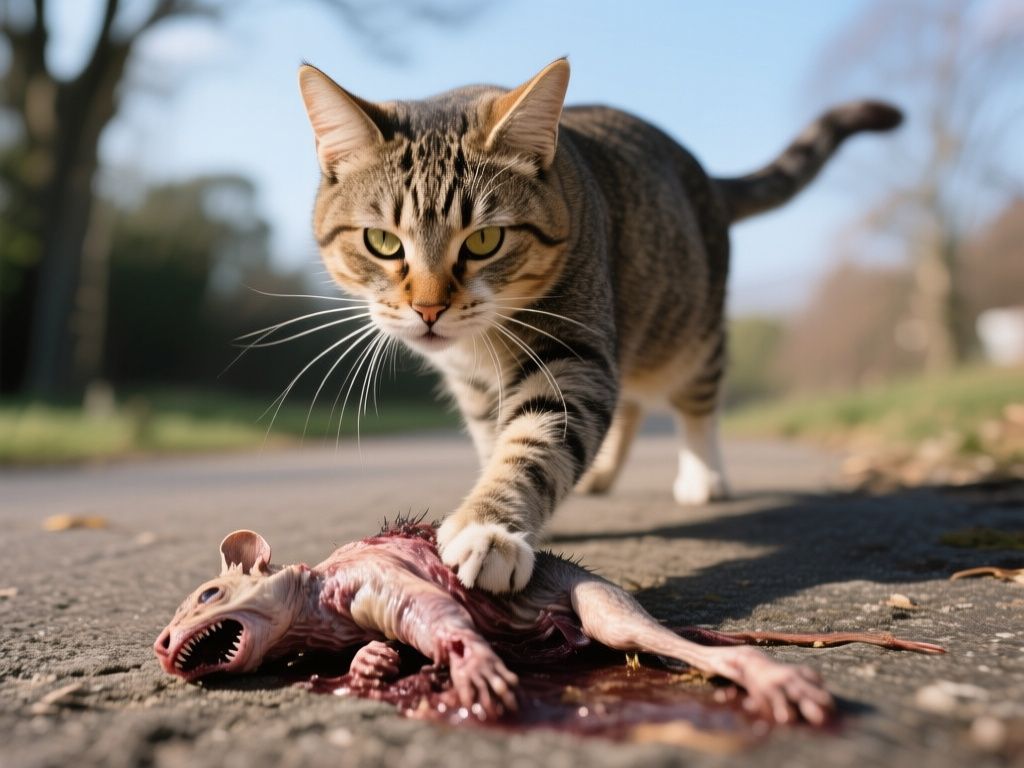
When your cat brings you a dead (or dying) animal, it’s usually about instinct and affection—not cruelty. Many cats hunt as a way to practice “skills,” and they may carry prey to their favorite person to share, reward, or request care. The behavior is common, but you still need to handle it safely.
Why does my cat bring dead animals to me?
Most of the time, a cat bringing you a dead animal is doing three things at once: showing hunting behavior, communicating “you’re important to me,” and responding to the social setup in your home.
Domestic cats still have the same core instincts their wild cousins have: they hunt, they track movement, they pounce, and then they bring prey back to their “group.” In the wild, that “group” would be a mother and kittens, or a small social unit. In your home, the cat often treats you like a trusted member of that unit.
Dead animals can show up because many indoor and outdoor cats hunt routinely and don’t always catch prey cleanly. Some prey items are injured and then don’t survive. Other times, your cat may kill quickly, and other times they may bring something they’ve already finished “off” elsewhere.
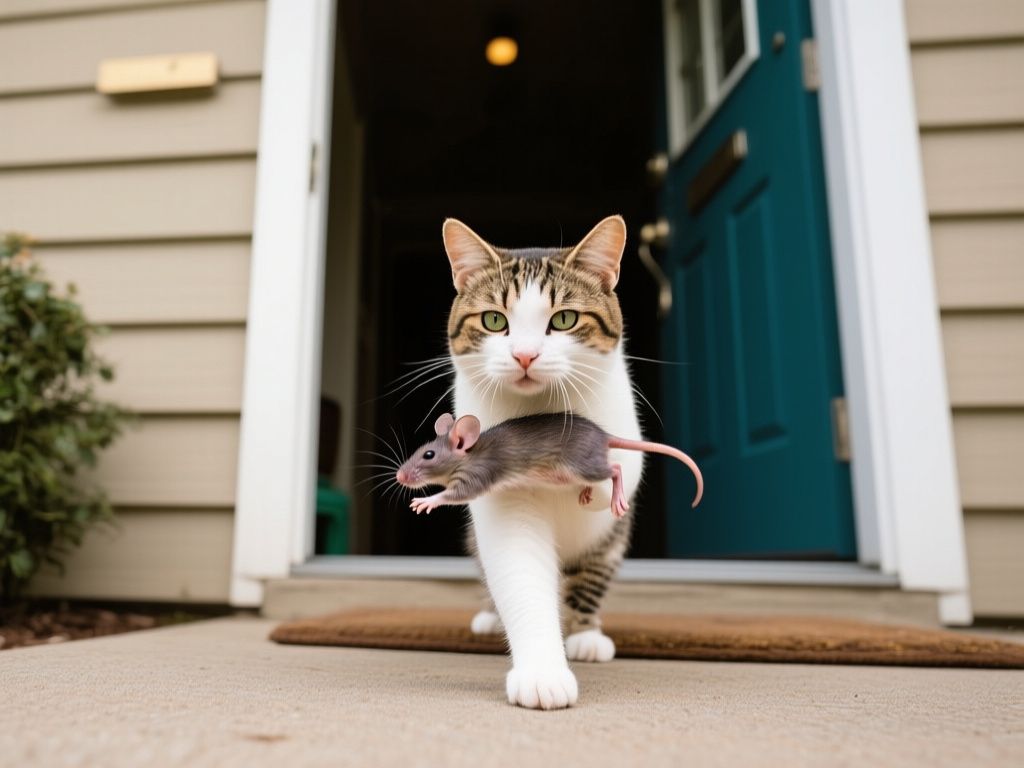
Is this an act of aggression or cruelty?
It’s very rarely aggression toward you. Cats are not trying to “punish” you by leaving prey on your doorstep. If a cat were being aggressive, you’d usually see defensive behaviors—hissing, swatting, guarding posture, or fear. With prey-carrying, the body language is often more purposeful and focused: tail up or forward, steady approach, and then a delivery.
That said, the behavior can feel unsettling because it’s graphic. Your discomfort is understandable. You can stop the exchange without making it a “blame” moment for your cat. Think of it as redirecting an instinct that’s running a little too close to your personal space.
What instincts are actually at play?
To understand the behavior, it helps to know a few cat instincts that overlap:
- Predatory drive: Cats are wired to stalk, chase, pounce, and capture moving things—even if they’re well-fed.
- Practice behavior: Play in kittens and younger cats can look like hunting. When hunting instincts “spill over” into adult cats, the same patterns can lead to real prey.
- Food sharing: In cat relationships, bringing items to a trusted person can resemble sharing. In a multi-cat household, you might even see one cat “gift” another.
- Seeking approval or comfort: Some cats seem to bring prey and then watch you closely, as if waiting for a reaction. If you respond by talking, petting, or bringing them closer, that interaction can reinforce the behavior.
One important nuance: “affection” doesn’t always mean what humans expect. A cat may show closeness by offering something they value, the way a dog might bring a toy. The delivery is just… less convenient for us.
Why does my cat bring the animals to me specifically?
Many cats choose one or two preferred humans. If you’re the person who feeds them, plays with them, grooms them, or simply spends the most time nearby, you become the default “member of the group.” Your cat may then bring prey to that person because it’s the most consistent social connection.
There are also practical reasons. Some cats hunt at times when you’re present—early morning, late evening, or after a door opening. If you’re usually home then, your cat is more likely to time the “delivery” for you.
Finally, your response matters. If you run outside to collect the prey, praise your cat, or offer a treat, your cat may learn that this routine leads to attention. Attention can become part of the reward loop.
Is it more common in indoor cats, outdoor cats, or both?
Outdoor cats are more likely to encounter prey, so they can bring back animals regularly. Outdoor access increases opportunities for hunting.
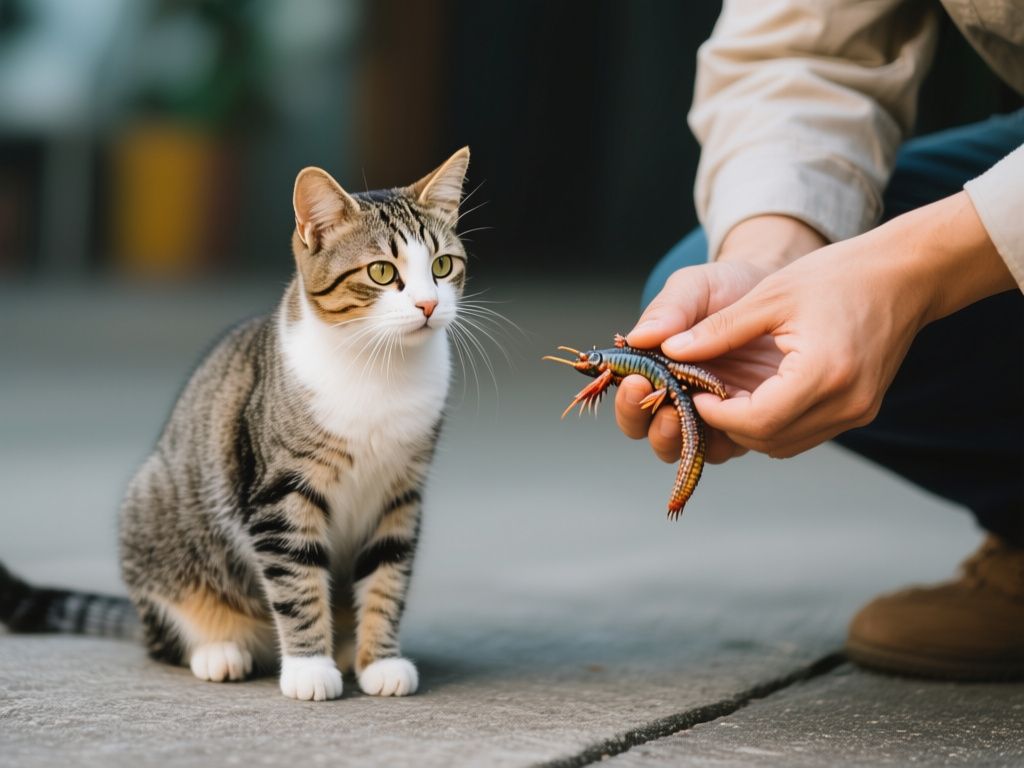
Indoor cats can still hunt, especially if they catch insects, lizards, or small animals that get indoors. Some indoor cats also show “predatory play” toward moving objects, and that can escalate into catching anything that resembles prey.
If your cat has never been outside but keeps showing up with dead animals, it’s worth thinking about how the animals are entering your home (open windows with screens that have gaps, garage entry points, or a basement stairwell). It’s also worth checking that the cat isn’t developing unusual health issues that change behavior, though prey delivery itself is still usually instinct-driven.
Could this mean something is wrong with my cat?
Often, no. Prey-carrying is a normal behavior for many cats, especially those with strong hunting drive.
But there are a few “pay attention” situations:
- Rapid escalation: If the behavior increases suddenly and your cat seems frantic, it may be linked to stress, boredom, or a change in routine.
- Hunger issues: If your cat is underfed or food access changed, they may be hunting more intensely.
- Unusual illness: Rarely, behavioral changes alongside other signs (vomiting, lethargy, changes in appetite, hiding) can point to health problems. Those symptoms should be evaluated by a veterinarian.
If your cat is otherwise healthy, the odds are high that nothing is “wrong” medically—it’s more about managing instinct and safety.
How can I stop or reduce the behavior?
You usually can’t stop the hunting instinct entirely, but you can reduce the frequency and, importantly, make the encounters safer.
1) Manage the environment (most effective)
- Keep your cat indoors or use supervised outdoor time (catio, harness training, or enclosure).
- Use secure window screens and check doors for small gaps.
- Remove tempting hiding spots outdoors near entry points (piles of debris, dense shrubs right by a door).
Reducing the opportunities to hunt is the most direct way to reduce “prey deliveries.” Even a cat that likes hunting will get fewer chances if it can’t roam.
2) Increase hunting-like play before they go out
If your cat is permitted outside (even sometimes), schedule play sessions that mimic prey behavior. Use wand toys to allow stalking, short chases, and pounces. Then end play with an actual meal or a puzzle feeder.
Many cat owners find that timing helps: a structured play session about 10–20 minutes before your cat’s usual “hunt window” can satisfy the urge enough that fewer hunts result in real catches.
3) Don’t accidentally reinforce the delivery
If you see your cat returning with prey, avoid turning it into a big excitement event. You don’t have to be cold—just don’t reward the behavior with treats or lots of enthusiastic attention.
Instead, gently redirect. Calmly separate your cat from the item, then immediately offer a different interaction (a toy or a treat unrelated to prey delivery). The goal is to teach: “This isn’t how we hang out; playtime is.”
4) Provide an appropriate “target”
Some cats respond well to having a consistent alternative object. Puzzle feeders, treat-dispensing toys, or frozen enrichment can give their brain something to work on. For cats that love stalking, a predictable routine with the wand toy can meet the instinct without the mess.
5) Train a reliable recall (with treats)
Even simple training can help when you need your cat to come away from prey. Practice recall at home with high-value treats and praise. Then use that cue immediately after a delivery attempt.
Training won’t stop hunting, but it can reduce the chance that your cat delivers prey directly to you.
What should I do right after I find a dead animal?
Safety and hygiene matter, especially if the animal could carry parasites or germs. Dead animals can also be sharp or contaminated.
- Keep children and other pets away from the animal.
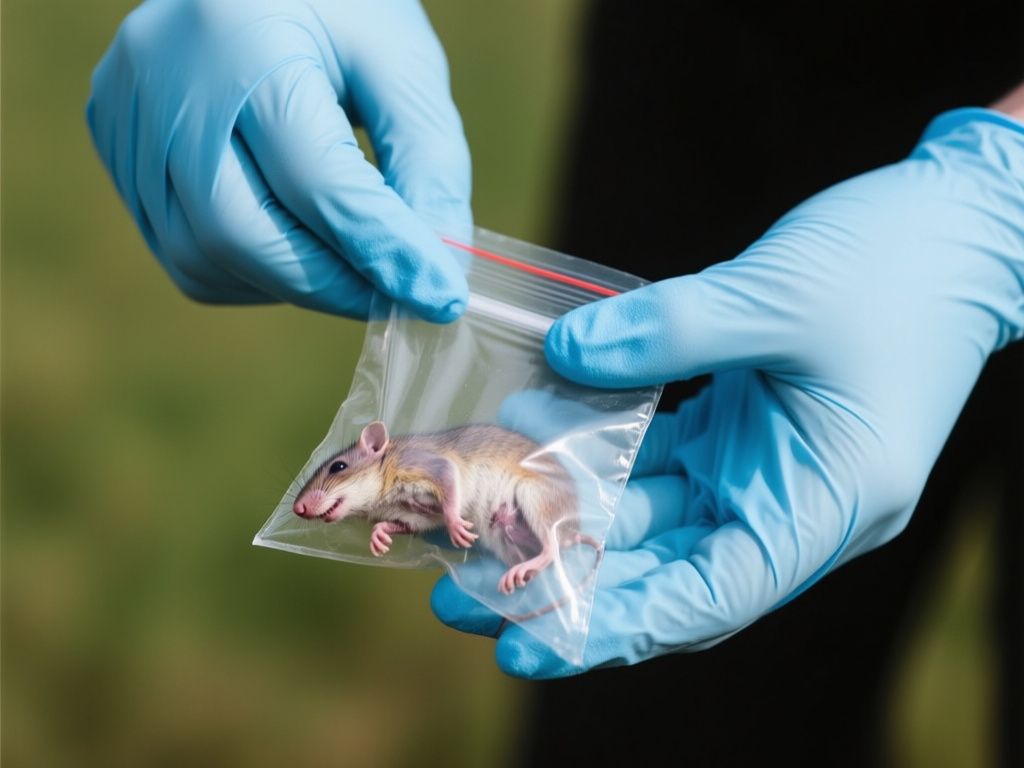
- Use gloves if possible and pick it up with a tool (paper towels, tongs, or a plastic bag turned inside out).
- Bag and dispose according to local guidance.
- Wash hands thoroughly with soap and water afterward.
- Clean the area where it was left.
If your cat seems injured or sick after handling the prey (vomiting, drooling, unusual lethargy), contact a veterinarian. If you’re concerned about repeated exposure to certain types of prey, ask your vet whether parasite prevention is up to date.
Is it safe for my cat to bring me prey?
It can be risky for cats. Wild animals can carry fleas, ticks, mites, worms, or other parasites. Some prey can also be contaminated with bacteria or viruses, and some locations increase risk (for example, areas with rodents, raccoons, or high flea pressure).
Also consider that cats sometimes chew or mouth prey before you can intervene. If you regularly find prey, make sure your cat’s flea/tick control is current and that deworming is aligned with your veterinarian’s advice.
It’s also safer for your home environment: dead animals left on floors can create a smell problem and increase the chance other pets investigate.
How do I respond without encouraging the habit?
A balanced response is calm, quick, and consistent. Here’s a practical approach many cat owners use:
- Stay neutral in tone (no shouting).
- Remove the item promptly and safely.
- Redirect to a different behavior right away: play with a wand toy, use a puzzle feeder, or offer a pre-planned treat.
- Reward the alternative, not the prey delivery.
If you’re consistent, the cat may still hunt, but the “show and present” part often gets less frequent as attention patterns shift.
Does neutering or spaying affect prey behavior?
Spaying and neutering can reduce roaming and some hormone-driven behaviors, which indirectly may lower hunting opportunities. However, hunting itself is not purely hormonal; it’s strongly instinctive.
So don’t assume spaying or neutering will eliminate prey delivery. It can help overall roaming patterns, but managing access, play, and reinforcement is usually what makes the biggest difference.
Frequently Asked Questions
Will my cat stop bringing dead animals if I scold them?
Scolding usually doesn’t solve the underlying instinct. Cats can learn timing and avoidance, but prey delivery is often driven by hunting drive and social habits, not by “understanding” wrongdoing. A calmer redirect and prevention strategy tends to work better.
Is it normal that my cat brings dead animals inside the house?
It can happen, especially if the cat has learned that the home feels safe and familiar. It’s still not something you want to continue because of hygiene and health risks. Focus on keeping them indoors or supervised and immediately removing prey with safe cleanup habits.
How can I tell if my cat is bringing prey to show affection?
Affection-related delivery often includes steady, purposeful movement and a “check back” look afterward, as if the cat is monitoring your reaction. Even if it’s affection, you can still discourage the behavior by removing the item and redirecting to play or treats.
What if my cat only brings injured animals, not fully dead ones?
That can be even more concerning for safety. Injured prey may still be able to bite or scratch, and your cat may get hurt. Prevention (indoor access, catio/harness supervision) and quick, safe disposal are key.
Should I contact a veterinarian?
If your cat seems otherwise healthy, prey delivery alone usually doesn’t require a vet visit. Contact your vet if you notice illness signs, if your cat is suddenly behaving differently, or if you want help updating parasite prevention and deworming based on what your cat is catching.
Can I let my cat hunt safely outdoors?
You can reduce risk with supervised outdoor time (catio or harness) and by preventing the hunt from turning into a catch-and-carry routine. Another practical option is to schedule play sessions indoors so the “hunt satisfaction” happens before outdoor access.
With cats, the most effective mindset is: treat prey delivery as instinct and communication, not as a problem you can shame away. Manage access, enrich with hunting-like play, and redirect the moment your cat tries to “share” prey—so everyone stays healthier, including your cat.

Mim Creation
Writer at Helmet Today, covering helmet reviews, fit and riding safety.